The Canterbury Tales 1972



From the creators of “Decameron”, this lively film presents Geoffrey Chaucer’s most risqué tales of medieval England. It intersperses brief dramatized glimpses of Chaucer himself penning his famous work with vivid re‑enactments of several bawdy stories, capturing the humor and romance of the era.


Does The Canterbury Tales have end credit scenes?
No!
The Canterbury Tales does not have end credit scenes. You can leave when the credits roll.
Where to Watch The Canterbury Tales
See current US streaming, rental, and purchase options for The Canterbury Tales (1972) via JustWatch.




Streaming availability powered by 
Meet the Full Cast and Actors of The Canterbury Tales
Explore the complete cast of The Canterbury Tales, including both lead and supporting actors. Learn who plays each character, discover their past roles and achievements, and find out what makes this ensemble cast stand out in the world of film and television.
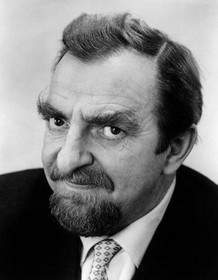
Hugh Griffith
Sir January

Ninetto Davoli
Perkin
Laura Betti
The Wife from Bath
Tom Baker
Jenkin
Pier Paolo Pasolini
Geoffrey Chaucer

Phil Davis
2nd Homosexual Lover (uncredited)
Vernon Dobtcheff
The Franklin
John McLaren
Johnny the Grace
Jenny Runacre
Alison
David Hatton
Poor Homosexual (uncredited)
Francis de Wolff
The Bride's Father (uncredited)
Derek Deadman
The Pardoner
Karl Howman
1st Homosexual Lover (uncredited)
Anthony Moore
The Spy (uncredited)
Adrian Street
Fighter
Selwyn Roberts
The Knight (uncredited)
Robin Askwith
Rufus
Heather Johnson
Molly
Dan Thomas
Nicholas
Chris Greener
Sir Elephant (uncredited)
Franco Citti
Devil
Alan Webb
Old Man
John Francis Lane
Greedy Friar
Patrick Newell
Prior (uncredited)
Orla Pederson
Pilgrim
Stephen Calcutt
The Groom (uncredited)
Josephine Chaplin
May
Michael Balfour
The Carpenter
Willoughby Goddard
Placebo
Martin Philips
Martin (uncredited)
Peter Stephens
Justinus
Vittorio Fanfoni
Franca Sciutto
Mary Stuart
Priest (uncredited)
Athol Coats
Rich Homosexual
Anita Sanders
Thomas' Wife (uncredited)
J.P. Van Dyne
The Cook
George Bethell Datch
Host of the Tabard
Peter Cain
Absalom
Daniele Buckler
Pilgrim
Settimo Castagna
Angel
Judy Stewart-Murray
Alice
Oscar Fochetti
May's Lover
Giuseppe Arrigio
Pluto / The God
Elisabetta Genovese
Prosperine
Gordon King
Chancellor
Patrick Duffett
Alan
Eamann Howell
John
Tiziano Longo
Simkin the Miller
Eileen King
Simkin's Wife
Martin Whelar
Jack the Justice
Kervin Breen
Edward Monteith
Dick the Sparrow
Leonard S. Brooks
Businessman (uncredited)
Michael Derrek
Robin (uncredited)
Andrew Dymock
Bill (uncredited)
V. Edwards
The Old Woman (uncredited)
Dorothy Everall
Perkin's Mother (uncredited)
Diana Fisher
The Bride (uncredited)
Judo Al Hayes
Fighter (uncredited)
Terry Hooper
L'Allodoliere (uncredited)
Robert Brook Howard
Vicar of the Monestary (uncredited)
Laurie Inch
Mary (uncredited)
Charlotte Kell
The Prioress (uncredited)
Pinky Martin
The Nun (uncredited)
Alan McConnell
Master Gervaso (uncredited)
Norman McGlen
Perkin's Father (uncredited)
Peter McGregor
The Merchant (uncredited)
Hugh McKenzie-Bailey
Thomas (uncredited)
Roderick McLeod
Knight's Attendant (uncredited)
Ken Muggleston
Doctor (uncredited)
Ray Parks
Sergeant (uncredited)
Marc Sinclair
Ensemble (uncredited)
Reg Stuart
4th Husband (uncredited)
Steve Whitton
Youth without Name (uncredited)
External Links and Streaming Options
Discover where to watch The Canterbury Tales online, including streaming platforms, rental options, and official sources. Compare reviews, ratings, and in-depth movie information across sites like IMDb, TMDb, Wikipedia or Box Office Mojo.





Take the Ultimate The Canterbury Tales Movie Quiz
Challenge your knowledge of The Canterbury Tales with this fun and interactive movie quiz. Test yourself on key plot points, iconic characters, hidden details, and memorable moments to see how well you really know the film.
The Canterbury Tales (1972) Quiz: Test your knowledge of Pasolini's 1972 adaptation of The Canterbury Tales with these ten questions covering characters, plot details, and thematic elements.
Who serves as the storyteller who gathers the pilgrims at the Tabard Inn?
Full Plot Summary and Ending Explained for The Canterbury Tales
Read the complete plot summary of The Canterbury Tales, including all major events, twists, and the full ending explained in detail. Explore key characters, themes, hidden meanings, and everything you need to understand the story from beginning to end.
Set in medieval England, the film weaves together the daily lives of peasants, nobles, clergy, and even demons, while punctuating the narrative with brief glimpses into Geoffrey Chaucer’s world and the seeds of the Canterbury Tales. The frame is anchored by Chaucer, Pier Paolo Pasolini, as the storyteller who gathers travelers at the Tabard inn and, between interruptions and exchanges, opens his book to record a sequence of interlinked, stand-alone tales rather than a single mosaic of pilgrim-led stories.
The Prologue establishes the ensemble as the Gaudy Roadshow of the era—at the Tabard inn, the travelers chat, tease, and trade jokes as a ballad called Ould Piper fills the air. The heavy, tattooed man Daggers of the past looms as a visual contrast and foreshadowing, and the group’s dynamic sets the tone for the immediately following tales. The Prologue, framed by Chaucer’s presence, introduces the idea that the later episodes will be relayed and woven with a author’s eye, a meta-sense of storytelling that becomes the film’s throughline.
First Tale (The Merchant’s Tale)
Sir January, [Hugh Griffith], a weary and aging aristocrat, decides to wed May, a youthful woman who harbors real romantic interest in Damian. After their marriage, January suddenly becomes blind, and clings to May’s wrist for solace while she toys with her freedom and her forbidden love. May crafts a discreet path to her beloved in a private garden, aided by a key, and the two lovers improvise a plan to indulge themselves amid trees and flowering branches. The garden becomes a stage where a godlike Pluto [Giuseppe Arrigio] silently watches the lovers’ maneuverings, and where May’s scheming is tempered by the timely intervention of Persephone, who provides a calm rationalization for January’s wrath. Just as his sight returns, he briefly glimpses May and her lover in the act, but the goddess Persephone helps smooth things over with a few deft excuses, and the couple walks away reconciled, their marriage surviving the moment of crisis.
Second Tale (The Friar’s Tale)
A vendor witnesses a summons-related sting: a summoner and two men are caught in sodomy, and a bribe buys one escape while a second man meets a grimmer fate on a griddle. The vendor hawks his wares as the crowd watches, and afterward teams up with the summoner, revealing a shared appetite for profit. The old woman who is accused of wrongdoing tries to bargain her way out with bribes, but the summoner’s false charges meet their match when the old woman curses him to the Devil if he does not repent. The exchange tests the boundaries between crime, punishment, and the power of a single curse, while the Devil’s arrival underscores the moral economy of the tale.
Third Tale (The Cook’s Tale)
The travelers at the Tabard Inn fall quiet as Chaucer resumes recording stories, beginning with Perkin, a Pip-Pip-esque rogue who drags trouble behind him like a cloud. Perkin steals from passersby, causes chaos at a wedding, and finds himself pursued by the law, only to escape in a dramatic turn that leads back home to more scolding from family and the same old hunger. Perkin’s antics—from crashing weddings to pilfering coins and ending up in the stocks while singing a traditional tune—paint a portrait of a brisk, reckless street-smart street performer whose fate reflects the era’s rough edge.
Fourth Tale (The Miller’s Tale)
Nicholas, a clever young student, moves into the home of John, a stout carpenter, and quickly becomes entangled with John’s young wife, Alison. Alison quietly resents her husband and enjoys Nicholas’s attention, while Absolon and his friend Martin pursue Alison as well, staging a serenade that disturbs the household. Nicholas pretends to be in a holy trance to lure John away, proposing that they await a flood by suspending themselves in buckets from the ceiling. The couple’s ruse succeeds—at least temporarily—until the prank escalates: Alison flirts, Absolon comes back with a hot poker, and the mischief culminates in a double deception that leaves Nicholas urgently crying for water as John discovers the ruse and crashes to the floor, a comic catastrophe that echoes the Miller’s own worldly cunning.
Fifth Tale (The Wife of Bath’s Prologue)
In Bath, a middle-aged wife who has already married multiple times becomes enamored with a young student named Jenkin [Tom Baker]. During an improvised Obby Oss celebration, she arranges to meet him, and in a swift romance, she convinces him to marry her rather than his previous vows. The Wife of Bath’s vibrant personality shines in a scene where she reads aloud from a book condemning women’s evils, only to topple the book over and continue to court her new husband. Her fifth marriage accelerates as she escorts the celebration into another wing of the cathedral, and upon her wedding night she mocks conventional moral lecturing by biting her husband’s nose as a rebuke to those who would dictate her life. The episode is voiced through the Wife of Bath’s Prologue, which informs her later tale’s perspective on power, marriage, and female agency.
Sixth Tale (The Reeve’s Tale)
In Cambridge, a manciple falls ill, and two students—Alan and John—step in to run the mill’s duties. The Miller—Simkin the Miller—outsmarts them by releasing their horse and swapping their flour for bran, a scheme that tests both wit and appetite. The students stay the night, sharing a pallet with the Miller and his wife, and the nocturnal mischief unfolds as Alan admits to his affair with Molly, the Miller’s daughter, while John faces a similar temptation. When the Miller’s wife rises to relieve herself and stumbles, John seizes the moment to trick the Miller by moving the crib, causing the Miller to wake to a different romantic arrangement. The two scholars depart with their flour as Molly laments the deception, a scene that blends practical jokes with a cautionary note about trust and vulnerability.
Seventh Tale (The Pardoner’s Tale)
Chaucer’s frame returns with a quiet intensity as the Pardoner steers the narrative toward Death’s mischief in Flanders. Four young men carousing in a brothel encounter Death in various forms and decide to hunt him down. They meet an old man who directs them toward a nearby oak tree where they discover treasure instead of Death. Two youths remain by the tree while a third heads to town for wine, returning with three casks, two of which are poisoned. In a swift turn of greed, the trio betrays one another, and the survivors fall to the same fate they sought to punish, a fable about the corrosive power of avarice and betrayal.
Eighth Tale (The Summoner’s Tale)
In a final comic sting, a gluttonous friar attempts to wring donations from a bedridden parishioner, who offers a twist: he will share a treasured possession with all the friars if the friar distributes it fairly. The parishioner teases the friar with a riddle about a treasure that lies beneath him, and when the friar tests his will, the bedridden man delivers a crude fart that sets in motion a vision in which an angel guides the friar to an underworld where corrupt friars are expelled. This climactic sequence—part parody, part moral fable—draws on the Summoner’s prologue and folds the theme of hypocrisy into the final tale.
Epilogue (Chaucer’s Retraction)
The pilgrims arrive at Canterbury Cathedral as Chaucer, at home, writes in translation: “Here ends the Canterbury Tales, told only for the pleasure of telling them. Amen.” The film’s Epilogue diverges from the original text, presenting Pasolini’s Chaucer as unabashed about sexuality and ready to confess the tales’ ribaldry rather than urging restraint. The result is a closing mood that embraces the tales’ audacious spirit while leaving a personal mark on how the stories might be read as a whole.
Here ends the Canterbury Tales, told only for the pleasure of telling them. Amen

Coming soon on iOS and Android
The Plot Explained Mobile App
From blockbusters to hidden gems — dive into movie stories anytime, anywhere. Save your favorites, discover plots faster, and never miss a twist again.
Sign up to be the first to know when we launch. Your email stays private — always.
Explore the mobile appWatch Trailers, Clips & Behind-the-Scenes for The Canterbury Tales
Watch official trailers, exclusive clips, cast interviews, and behind-the-scenes footage from The Canterbury Tales. Dive deeper into the making of the film, its standout moments, and key production insights.
The Canterbury Tales Themes and Keywords
Discover the central themes, ideas, and keywords that define the movie’s story, tone, and message. Analyze the film’s deeper meanings, genre influences, and recurring concepts.
The Canterbury Tales Other Names and Titles
Explore the various alternative titles, translations, and other names used for The Canterbury Tales across different regions and languages. Understand how the film is marketed and recognized worldwide.
Similar Movies To The Canterbury Tales You Should Know About
Browse a curated list of movies similar in genre, tone, characters, or story structure. Discover new titles like the one you're watching, perfect for fans of related plots, vibes, or cinematic styles.


Quick Links: Summary, Cast, Ratings, More

What's After the Movie?
Not sure whether to stay after the credits? Find out!
Check out our other apps:

SAT Sphere
Build confidence for the Digital SAT.

Mori Atlas
Discover wild places worth protecting.

Luntero
Search smarter for a home in Amsterdam.

Plot Explained
Unravel movie endings and hidden clues.

Pokechamp
Dive into Pokémon data and battle logic.

Driving Theory
Get ready for your European theory test.

Movie Dust
Plan your next cinema trip with ease.

Musemap
Find art and culture as you travel.

Selkobase
Compare credentials before committing.

Local Manual
Turn an unfamiliar country into practical next steps.

Lernavi
Compare school systems before your next move.

GymRoam
Find a workout stop wherever your plans take you.
Explore Our Movie Platform
New Movie Releases (2026)
Famous Movie Actors
Top Film Production Studios
Movie Plot Summaries & Endings
Major Movie Awards & Winners
Best Concert Films & Music Documentaries
Movie Collections and Curated Lists
© 2026 What's After the Movie. All rights reserved.
Privacy Policy