The Boy Friend 1971


A glittering, larger‑than‑life, heart‑warming, toe‑tapping musical extravaganza. When the star of a modest, low‑budget revue twists her ankle, the assistant stage manager steps in as understudy, taking the spotlight and delivering a lively performance in her place.

Does The Boy Friend have end credit scenes?
No!
The Boy Friend does not have end credit scenes. You can leave when the credits roll.
Meet the Full Cast and Actors of The Boy Friend
Explore the complete cast of The Boy Friend, including both lead and supporting actors. Learn who plays each character, discover their past roles and achievements, and find out what makes this ensemble cast stand out in the world of film and television.
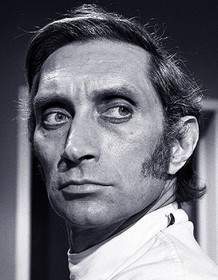
Vladek Sheybal
De Thrill

Kenneth Colley
King in fantasy sequence (uncredited)

Glenda Jackson
Rita Monroe
Ken Russell
Tommy Tune
Tommy
Imogen Claire
Dancer (uncredited)
Brian Murphy
Peter
Georgina Hale
Fay
Max Adrian
Max
Murray Melvin
Alphonse
Twiggy
Polly
Bryan Pringle
Percy
Barbara Windsor
Hortense
Graham Armitage
Michael
Steven Longhurst
Theatre Worker (uncredited)
Moyra Fraser
Mme. Dubonnet
Anne Jameson
Mrs. Peter
Catherine Willmer
Catherine
Christopher Gable
Tony
Antonia Ellis
Maisie
Peter Greenwell
Pianist (uncredited)
Susan Claire
Dancer (uncredited)
Petra Siniawski
Dancer (uncredited)
Sally Bryant
Nancy
Robert La'Bassiere
Chauffeur
Caryl Little
Dulcie
External Links and Streaming Options
Discover where to watch The Boy Friend online, including streaming platforms, rental options, and official sources. Compare reviews, ratings, and in-depth movie information across sites like IMDb, TMDb, Wikipedia or Letterboxd.





Take the Ultimate The Boy Friend Movie Quiz
Challenge your knowledge of The Boy Friend with this fun and interactive movie quiz. Test yourself on key plot points, iconic characters, hidden details, and memorable moments to see how well you really know the film.
The Boy Friend (1971): A backstage musical drama set in the late 1920s, following understudy Polly Browne, her budding romance with lead Tony Brockhurst, and the machinations of a visiting Hollywood director.
Which actress portrays the understudy Polly Browne?
Full Plot Summary and Ending Explained for The Boy Friend
Read the complete plot summary of The Boy Friend, including all major events, twists, and the full ending explained in detail. Explore key characters, themes, hidden meanings, and everything you need to understand the story from beginning to end.
In the late 1920s, at Portsmouth’s modest Theatre Royal, Polly Browne [Twiggy] steps into the spotlight as understudy when the show’s star, Rita Monroe [Glenda Jackson], is sidelined by a broken ankle. The company is pulling together a Saturday matinée of The Boy Friend, with the charming but distant Tony Brockhurst [Christopher Gable] as the male lead and the once American child dancer Tommy [Tommy Tune] keeping spirits high. Polly, who knows the show by heart, becomes indispensable, and the prospect of a new chapter in her life begins to unfold as the rehearsal tempo quickens and the backstage hum grows louder.
Into this already tense atmosphere arrives Mr. De Thrill [Vladek Sheybal], a Hollywood talkie director weighing a possible film adaptation. His presence sharpens Max Mandeville’s nerves, and the director’s anxieties ripple through the company as they improvise to accommodate the new possibility. Ambition crackles in the wings, especially with Maisie [Antonia Ellis], a chorus girl eager to use any opportunity to climb higher, while the others sense the looming pressure of a potential big-screen version.
As the first act unfolds, Polly receives quiet encouragement from Rita Monroe’s backstage visits and from the rest of the cast who sense her nervous resolve. On stage, the Polly Browne and Tony partnership blooms into a light, comic romance within the musical, even as real-life attraction starts to mirror their onstage flirtation. Polly’s heart grows warmer during intermission when she sings to a picture of Tony, a moment glimpsed by De Thrill, while Maisie works to steer the director’s attention away from the scene. When Polly spots Tony seemingly flirting with chorus girl Dulcie [Caryl Little], doubt gnaws at her, and misgivings begin to color the backstage atmosphere.
In the second and third acts, Polly’s mood darkens with suspicion, while the men in the company—led by Tommy—take playful revenge on Maisie for her scheming by sabotaging their joint number. De Thrill’s fascination with Polly intensifies the backstage melodrama, and the illusion of the musical romance blurs with the real-life affair that threatens to derail the show. The tension peaks as Polly confronts Tony’s supposed flirtation with another dancer, and the ensemble’s farcical attempts to impress the Hollywood guest grow more chaotic. Yet on the night’s finale, the two lovers find a genuine moment of solace: Tony comforts Polly on stage as her Pierrette costume frames a poignant image of their shared longing.
In an unscripted flourish, Tony and Dulcie deliver a cake to Polly, and Tony proclaims his love in a spontaneous, heartfelt moment that ties together the musical’s fantasy with the real feelings brewing behind the curtain. The moment brings a quiet, satisfying close to both storylines: the backstage world acknowledges Polly’s growth, and the audience—especially Rita Monroe, moved to tears by the performance—recognizes that Polly has proven herself. De Thrill, however, makes a final choice about his plans: he decides not to adapt The Boy Friend, but leaves Polly a card inviting her to Hollywood.
Maisie, certain she will be the director’s choice, is surprised when De Thrill turns his attention to Tommy—revealing him as his long-lost son—and departs with him instead. Left with the card but little else, Polly chooses to stay in London with Tony, embracing a future defined by love, loyalty, and a life spent on the stage rather than the bright lights of Hollywood.

Coming soon on iOS and Android
The Plot Explained Mobile App
From blockbusters to hidden gems — dive into movie stories anytime, anywhere. Save your favorites, discover plots faster, and never miss a twist again.
Sign up to be the first to know when we launch. Your email stays private — always.
Explore the mobile appWatch Trailers, Clips & Behind-the-Scenes for The Boy Friend
Watch official trailers, exclusive clips, cast interviews, and behind-the-scenes footage from The Boy Friend. Dive deeper into the making of the film, its standout moments, and key production insights.
Cars Featured in The Boy Friend
Explore all cars featured in The Boy Friend, including their makes, models, scenes they appear in, and their significance to the plot. A must-read for car enthusiasts and movie buffs alike.
The Boy Friend Themes and Keywords
Discover the central themes, ideas, and keywords that define the movie’s story, tone, and message. Analyze the film’s deeper meanings, genre influences, and recurring concepts.

Unlock the World of Movies with Our Comprehensive Wiki
Dive into our Movie Wiki for in-depth film encyclopedia entries, including cast biographies, production trivia, plot synopses, behind-the-scenes facts, and thematic analyses. Whether you’re researching iconic directors, exploring genre histories, or discovering hidden easter eggs, our expertly curated movie database has everything you need to fuel your cinematic passion.

Similar Movies To The Boy Friend You Should Know About
Browse a curated list of movies similar in genre, tone, characters, or story structure. Discover new titles like the one you're watching, perfect for fans of related plots, vibes, or cinematic styles.


Quick Links: Summary, Cast, Ratings, More

What's After the Movie?
Not sure whether to stay after the credits? Find out!
Check out our other apps:

SAT Sphere
Build confidence for the Digital SAT.

Mori Atlas
Discover wild places worth protecting.

Luntero
Search smarter for a home in Amsterdam.

Plot Explained
Unravel movie endings and hidden clues.

Pokechamp
Dive into Pokémon data and battle logic.

Driving Theory
Get ready for your European theory test.

Movie Dust
Plan your next cinema trip with ease.

Musemap
Find art and culture as you travel.

Selkobase
Compare credentials before committing.

Local Manual
Turn an unfamiliar country into practical next steps.

Lernavi
Compare school systems before your next move.

GymRoam
Find a workout stop wherever your plans take you.
Explore Our Movie Platform
New Movie Releases (2026)
Famous Movie Actors
Top Film Production Studios
Movie Plot Summaries & Endings
Major Movie Awards & Winners
Best Concert Films & Music Documentaries
Movie Collections and Curated Lists
© 2026 What's After the Movie. All rights reserved.
Privacy Policy