The Big Broadcast 1932


An insider look at the behind‑the‑scenes world of radio, exposing the secrets stations keep hidden. The top brass at the station become increasingly suspicious that their newly‑signed pop star is devoting more time to his love life than to his performances, threatening his career trajectory and the station’s success.


Does The Big Broadcast have end credit scenes?
No!
The Big Broadcast does not have end credit scenes. You can leave when the credits roll.
Meet the Full Cast and Actors of The Big Broadcast
Explore the complete cast of The Big Broadcast, including both lead and supporting actors. Learn who plays each character, discover their past roles and achievements, and find out what makes this ensemble cast stand out in the world of film and television.

Irving Bacon
Prisoner (uncredited)
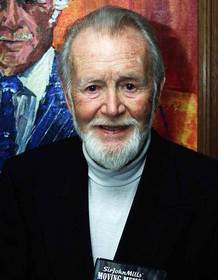
John Mills
as The Mills Brothers

Leila Hyams
Anita Rogers
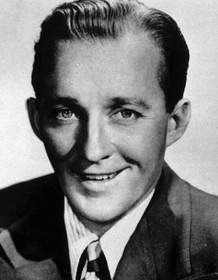
Bing Crosby
Bing Hornsby

Leonid Kinskey
Ivan
Cab Calloway
as Cab Calloway Band
George Burns
George (as Burns and Allen)
George Barbier
Clapsaddle
Donald Mills
as The Mills Brothers
Kate Smith
Kate Smith
Stuart Erwin
Leslie McWhinney
Gracie Allen
Gracie (as Burns and Allen)
Edgar Norton
Secretary to Bellows
Herbert Mills
as The Mills Brothers
Harry Mills
as The Mills Brothers
Vincent Lopez
as Lopez Orchestra
Donald Novis
Donald Novis
Dewey Robinson
Basso
Connee Boswell
as The Boswell Sisters
Spec O'Donnell
Office Boy
Arthur Tracy
Street Singer
Alex Melesh
Animal Man
Mary Stewart
Ingenue
Sharon Lynn
Mona Lowe
Vet Boswell
as The Boswell Sisters
Martha Boswell
as The Boswell Sisters
Anna Chandler
Mrs. Cohen
Eddie Lang
Guitar Player
Jimmy Wallington
Radio Announcer
Thomas Carrigan
Officer
Ralph Robertson
Announcer
External Links and Streaming Options
Discover where to watch The Big Broadcast online, including streaming platforms, rental options, and official sources. Compare reviews, ratings, and in-depth movie information across sites like IMDb, TMDb, Wikipedia or Letterboxd.




Take the Ultimate The Big Broadcast Movie Quiz
Challenge your knowledge of The Big Broadcast with this fun and interactive movie quiz. Test yourself on key plot points, iconic characters, hidden details, and memorable moments to see how well you really know the film.
The Big Broadcast Quiz: Test your knowledge of the 1932 film *The Big Broadcast* with these ten mixed‑difficulty questions.
Which famous crooner portrays the radio singer Bing in the film?
Full Plot Summary and Ending Explained for The Big Broadcast
Read the complete plot summary of The Big Broadcast, including all major events, twists, and the full ending explained in detail. Explore key characters, themes, hidden meanings, and everything you need to understand the story from beginning to end.
Bing Crosby, a radio-singer who isn’t very serious about his career, drifts through life at station WADX, his tardiness a running joke and his upcoming marriage to Mona Lowe Sharon Lynn lending the situation a countdown vibe. After a tense talk with station manager George Burns about dismissal and a looming lawsuit, Crosby slips away to a speakeasy where fate intersects with Leslie McWhinney [Stuart Erwin], a down-on-his-luck Texas oilman who doesn’t recognize a celebrity when he sees one.
The encounter ignites a mutual misread of loyalty and romance as Crosby learns that Mona has betrayed him—an echo of Leslie’s own heartbreak over a woman who swindled him out of $100,000. What begins as a consoling gesture for a stranger grows into a shared sense of having been wronged by love, and the two men circle thoughts of redemption. That night, Crosby invites Leslie to his apartment. The electricity fails, the mood tilts toward despair, and the two men, both intoxicated and despondent, drift toward a plan to end it all by gas poisoning. They sit side by side in the kitchen, hearts heavy and futures uncertain.
The moment is interrupted by a spectral intrusion: a skull and an accordion player appear, haunting them with a song that sticks in the air. On cue, the ghostly figure sings > Here Lies Love, a macabre but strangely playful reminder of life’s fragility. Before the end arrives, a doorman and Anita Rogers [Leila Hyams], the secretary at WADX and Leslie’s former fiancée, intervene to pull them back from the edge and into the sunshine of a second chance.
The dawn brings a new possibility: Anita admits she has fallen for Crosby, and Crosby, with a newfound interest in partnership rather than self-destruction, invites Leslie to join them at WADX, hinting he can help him land a job around the station. Yet the station’s daily chaos doesn’t quiet down easily. George Burns’s world-weary leadership is tested by the comic hijinks of his stenographer Gracie Allen [Gracie Allen], whose antics push the manager to the brink, and the paperwork that follows pushes the station toward bankruptcy. Gracie’s unpredictable energy helps drive the sense that everything is teetering on the edge of collapse, until Leslie reveals that he still possesses a substantial sum—$900,000—and uses it to buy the station, determined to rescue Crosby and Anita’s budding romance by staging a grand broadcast that could pull them out of debt.
Mona returns with a thunderous presence, and the wedding is rekindled in the hours before airtime, threatening Crosby’s fragile new arrangement with Anita. He chases Mona for a moment, only to realize that his heart has shifted, or perhaps simply expanded, toward Anita, whose voice now feels linked to the memory of Leslie himself. Anita’s confession that she loves Crosby because he reminds her of Leslie adds a bittersweet layer to the triangle, and she asks Leslie for a kiss—an intimacy that stuns him into a moment of truth.
With the broadcast looming, a tense scene unfolds: Crosby appears to be drinking, but in truth he is orchestrating a plan to let Leslie and Anita’s romance flourish by letting the зв— Leslie—carry the spotlight. Leslie heads to Mona’s apartment late in the night, only to find Crosby in a somber mood, pretending to be intoxicated so the show could proceed on schedule. The tension between friendship, duty, and romance hums as Leslie pushes Crosby to perform, while Mona’s fury is a visible, visceral force behind the curtain.
Outside, Leslie follows a small, almost farcical sequence of escapades as he tries to orchestrate a moment of live magic: a neighbor’s radio window plays a Crosby record, and he tries in vain to recreate a live performance by heading off to find a fresh record, battling a stream of comic obstacles—closing stores, dropped records, a clash with a policeman, a misdirected pineapple, and even a tumble into a pile of records—until he nearly melts the record in a moment of chaos that somehow becomes the show’s lifeline. He cajoles fate, closes the curtains, and the air goes radio-wide as he fights to coax a moment of authentic broadcasting from a roomful of machinery and nerves.
On air, the band slips into a march of uncertainty as a real singer fails to appear. Anita recognizes Leslie’s voice as the missing element, and the moment shifts from chaos to resonance. Crosby returns to the microphone in time for the second verse, and his improvisation—altered lyrics aimed at sending a message to Anita—finally tells the audience that Leslie deserves a second chance. Crosby’s return isn’t a solo victory; it’s a reconciliation instrument for two people who love deeply enough to risk heartbreak. Mona listens in the booth, nursing a black eye that hints at the earlier conflict, a physical reminder of the price of passion and possessiveness.
This exuberant, farce-filled, and unexpectedly tender comedy blends music, romance, and a sly operetta sense of fate, choreographed around a chorus of performers and a chorus of dreams. The film keeps its eyes on resilience: the idea that love, when guided by honesty and a willingness to risk, can find a way to redeem even the most tangled relationships. And in the end, the big broadcast becomes a celebration not just of stars on the air, but of hearts choosing a future that honors both friendship and love—especially when the melodies bend toward a hopeful chorus of reconciliation, resilience, and renewed trust, even as the studio lights blaze and the world watches.

Coming soon on iOS and Android
The Plot Explained Mobile App
From blockbusters to hidden gems — dive into movie stories anytime, anywhere. Save your favorites, discover plots faster, and never miss a twist again.
Sign up to be the first to know when we launch. Your email stays private — always.
Explore the mobile appWatch Trailers, Clips & Behind-the-Scenes for The Big Broadcast
Watch official trailers, exclusive clips, cast interviews, and behind-the-scenes footage from The Big Broadcast. Dive deeper into the making of the film, its standout moments, and key production insights.
The Big Broadcast Themes and Keywords
Discover the central themes, ideas, and keywords that define the movie’s story, tone, and message. Analyze the film’s deeper meanings, genre influences, and recurring concepts.

Unlock the World of Movies with Our Comprehensive Wiki
Dive into our Movie Wiki for in-depth film encyclopedia entries, including cast biographies, production trivia, plot synopses, behind-the-scenes facts, and thematic analyses. Whether you’re researching iconic directors, exploring genre histories, or discovering hidden easter eggs, our expertly curated movie database has everything you need to fuel your cinematic passion.

Similar Movies To The Big Broadcast You Should Know About
Browse a curated list of movies similar in genre, tone, characters, or story structure. Discover new titles like the one you're watching, perfect for fans of related plots, vibes, or cinematic styles.



Quick Links: Summary, Cast, Ratings, More

What's After the Movie?
Not sure whether to stay after the credits? Find out!
Check out our other apps:

SAT Sphere
Build confidence for the Digital SAT.

Mori Atlas
Discover wild places worth protecting.

Luntero
Search smarter for a home in Amsterdam.

Plot Explained
Unravel movie endings and hidden clues.

Pokechamp
Dive into Pokémon data and battle logic.

Driving Theory
Get ready for your European theory test.

Movie Dust
Plan your next cinema trip with ease.

Musemap
Find art and culture as you travel.

Selkobase
Compare credentials before committing.

Local Manual
Turn an unfamiliar country into practical next steps.

Lernavi
Compare school systems before your next move.

GymRoam
Find a workout stop wherever your plans take you.
Explore Our Movie Platform
New Movie Releases (2026)
Famous Movie Actors
Top Film Production Studios
Movie Plot Summaries & Endings
Major Movie Awards & Winners
Best Concert Films & Music Documentaries
Movie Collections and Curated Lists
© 2026 What's After the Movie. All rights reserved.
Privacy Policy