
The Beasts (2023): Cast, Ratings, Box Office & Plot
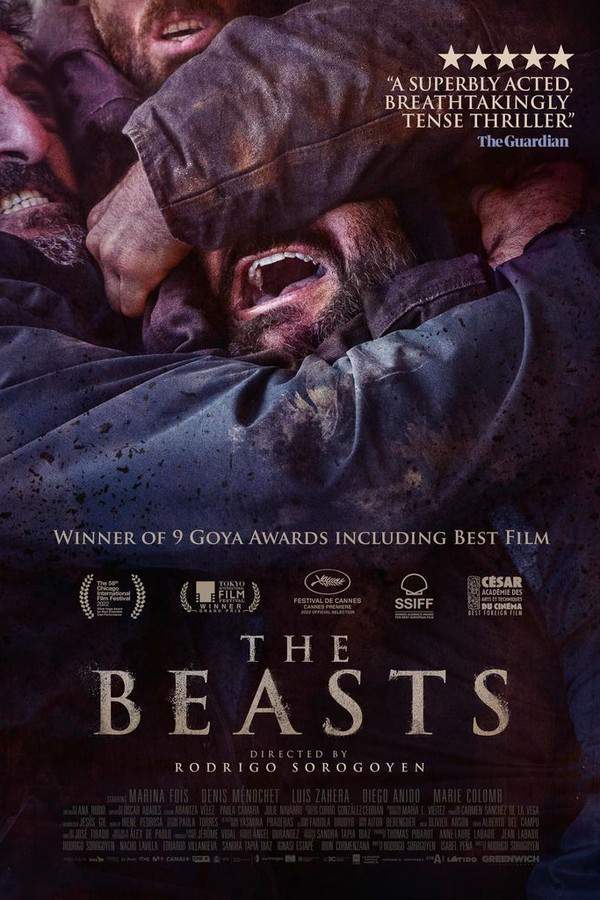
The Beasts is a 2023 drama thriller directed by Rodrigo Sorogoyen, starring Marina Foïs as Olga, Luis Zahera and Denis Menochet. It runs 2 hours 17 minutes and earned $10.1 million worldwide on a $3.9 million budget. It won 3 awards from 10 nominations, including Best Original Soundtrack at the Premios Feroz 2023. Critics gave it 99% on Rotten Tomatoes and 85 on Metacritic, and IMDb users rate it 7.5/10.
- Released
- Runtime
- 2h 17m (137 min)
- Director
- Rodrigo Sorogoyen
- Original language
-
 French
 - Studio
- Greenwich Entertainment
- Budget
- $3.9M
- After the credits
- Yes Extra scene during or after the credits
What Is The Beasts About?
The premise of The Beasts without spoilers. The whole story is in the plot summary further down.
In the remote Spanish countryside, a French couple attempts to establish a farm, but their arrival is met with distrust from the local community. The residents view them as outsiders, and cultural clashes escalate as the newcomers’ ambitions collide with the traditions of the deeply rooted inhabitants. What begins as a dream of a peaceful rural life soon devolves into a tense and unsettling power struggle, fueled by pride and misunderstanding.
The Beasts Themes & Keywords
· 50 tags- fresh produce
- female rear nudity
- mother daughter conflict
- galicia spain
- hostile neighbors
- lead poisoning
- car battery
- farmer
- french slur
- male rear nudity
- male nudity
- female nudity
+38 more Show fewer
- horse
- slow motion scene
- village
- mountain
- bar
- playing dominos
- husband wife relationship
- market
- dog
- vegetable garden
- broken down car
- wind turbine
- police
- video call
- camera
- filming
- tomato
- tomato plant
- well
- poisoned well
- battery
- pollution
- water pollution
- polluted water
- rifle
- long take
- birthday
- murder
- snow
- ruins
- memory card
- mother daughter relationship
- accused of murder
- frenchman abroad
- rural setting
- house renovation
- isolated place
- feuding neighbors
The Beasts Cast & Characters
Marina Foïs leads the cast as Olga, with Luis Zahera as Xan and Denis Menochet. Directed by Rodrigo Sorogoyen; 10 actors are credited in all.
- Director Rodrigo Sorogoyen
-
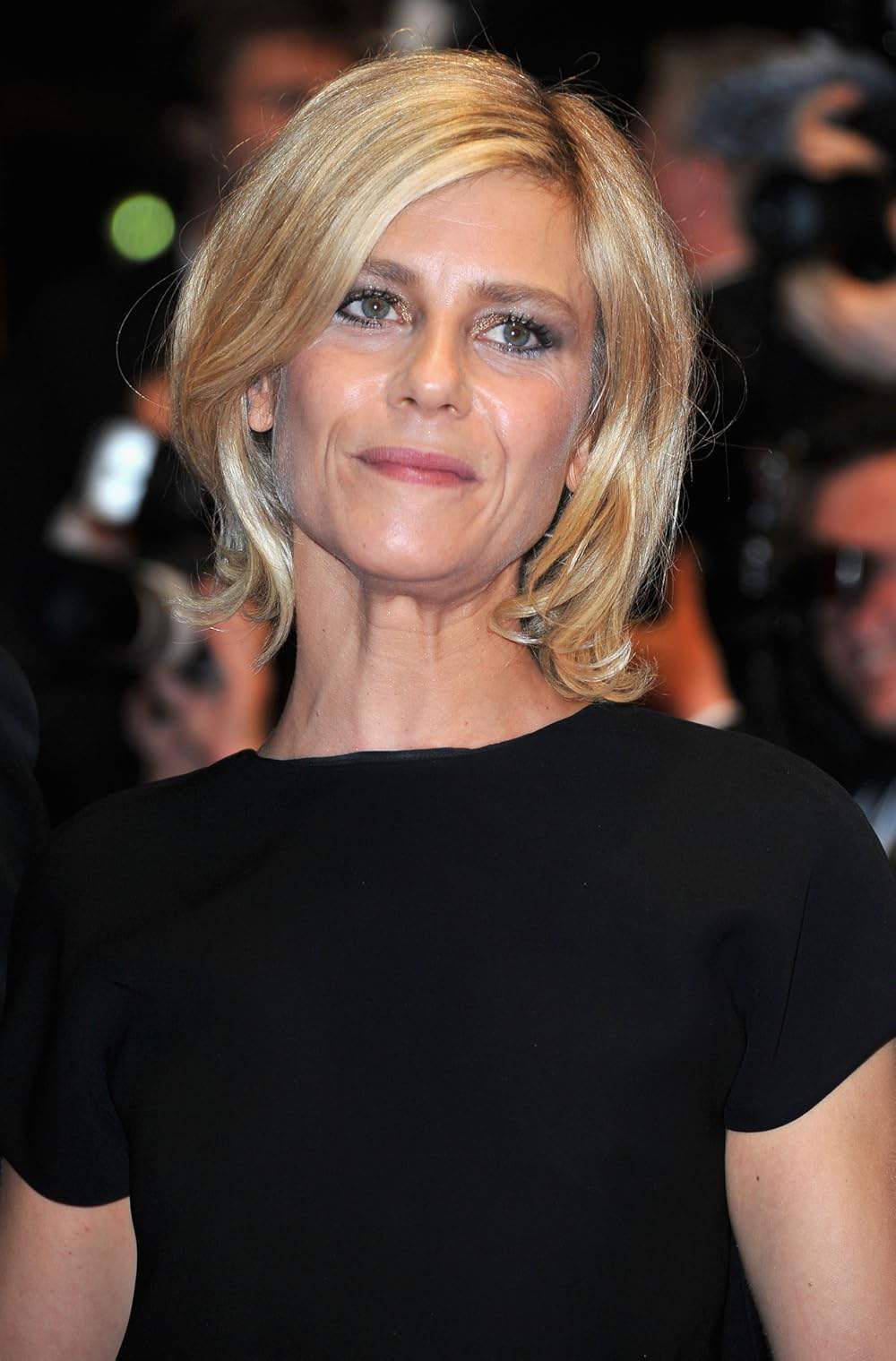 Marina Foïs as Olga
 -
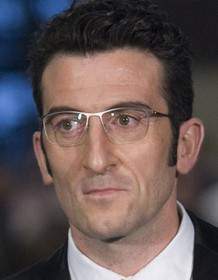 Luis Zahera as Xan
 -
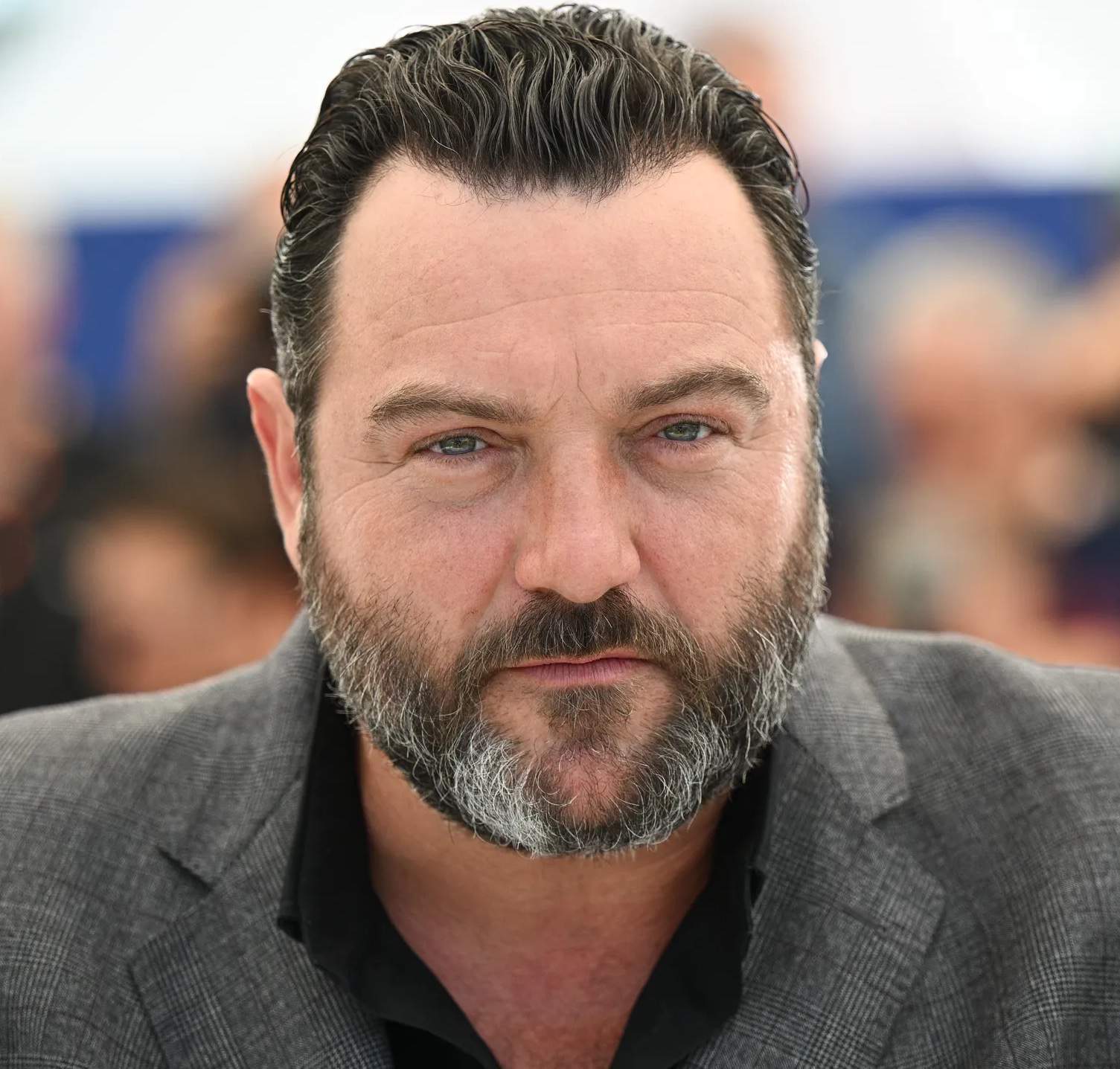 Denis Menochet
 - Federico Pérez Rey as Cabo 1 Mariano
Also Starring in The Beasts
· 6 more- Luisa Merelas Madre Anta
- Marie Colomb Marie
- Diego Anido Lorenzo
- David Menéndez Cabo 3 Alfonso
- Javier Varela Cabo 2 Xosé
- José Manuel Fernández y Blanco Pepiño
The Beasts Reviews & Ratings
Critics gave The Beasts 99% on Rotten Tomatoes and 85 on Metacritic, and IMDb users rate it 7.5/10. Our Echo Score gives it 75/100, strongest in art & craft (85) and weakest in story & flow (65).
The Beasts Echo Score Breakdown
The Beasts delivers a stark meditation on rural xenophobia through disciplined direction and harrowing performances, offering a tense, thought‑provoking experience that stays with viewers. Critics commend the moral complexity and the film’s unflinching visual realism, while some audiences note sluggish pacing and a third‑act that diverges from earlier momentum. The sensory restraint—marked by silence and restrained scoring—enhances the unsettling atmosphere. Although the narrative’s length and pacing invite mixed reactions, its thematic weight and memorable set pieces give it lasting relevance.
Our own 0–100 rating, built from five aspects: art, character, story, the sensory experience and how well a film rewatches.
- Art & Craft 85
In terms of direction and visual craftsmanship, Sorogoyen constructs a tightly controlled tableau that foregrounds the harsh Spanish countryside. Critics highlight the film’s stark cinematography, naturalistic production design, and precise editing that amplify tension without relying on intrusive music. While a few viewers mention dim lighting as a detriment, the overall consensus sees the artful restraint as a strength that reinforces the story’s gravity.
- Character & Emotion 82
When evaluating character work, the ensemble delivers nuanced, often unsettling portrayals. Menochet’s performance is described as flawless, Zahera’s menace is achieved through minimalism, and Foïs provides a measured shift in the second half. The cast’s chemistry grounds the moral ambiguity, though some critics find the antagonists overly simplistic. Overall, the acting elevates the narrative, granting the film emotional resonance beyond its bleak premise.
- Story & Flow 65
The narrative intertwines a localized murder mystery with broader social commentary, aiming for both tension and moral inquiry. Reviews praise its taut structure and parable‑like scope, yet several observers point to uneven pacing, particularly a slower third act that weakens momentum. While the plot’s originality is acknowledged, the execution occasionally falters, leading to a mixed assessment of its overall coherence and engagement.
- Sensory Experience 70
The film’s soundscape relies on ambient silence and restrained scoring, creating a claustrophobic ambience that many critics find unsettling. Visuals emphasize the rugged landscape, and the natural scenery receives commendation for authenticity. While some viewers criticize dim lighting as excessive, the majority see the sensory minimalism as a deliberate choice that amplifies tension and thematic weight.
- Rewatch Factor 72
Rewatch value stems from the film’s lingering thematic questions and vivid set pieces, which continue to provoke reflection after the credits roll. Critics note its lasting perspective on rural hatred, and several viewers report that a second viewing reveals deeper nuances. Conversely, a subset finds the lengthy runtime and slow pacing diminish repeat appeal. Nonetheless, the overall impression is that the film rewards revisiting for its emotional and intellectual depth.
-
 IMDb
IMDb 7.5 /10
See on IMDb -
 Rotten Tomatoes
 99% Tomatometer
Popcornmeter 87%
See on Rotten Tomatoes -
 Metacritic
 85 Metascore
User score 7.4
See on Metacritic -
 TMDB
TMDB 75% User score
See on TMDB -
 Letterboxd
 4.1 /5
618 ratings
See on Letterboxd
The Beasts Plot Summary
What happens in The Beasts from start to finish, spoilers included, with a timeline of 12 key events. The opening is below; the full summary is a 4-minute read.
Spoilers ahead
In a near-future world, in 2044, artificial intelligence (AI) has taken over most jobs, reshaping society as machines handle the bulk of work once done by humans. AI is praised for curbing climate disaster, yet it views people as emotionally driven and often irrational, unfit for roles that demand sustained rational thought. Against this backdrop, a human named Gabrielle volunteers for a radical DNA-purification process designed to dampen emotions and unlock access to higher-status jobs. The program promises greater opportunities, but it also poses a fundamental question about what it means to feel.
Full summary
The whole story of The Beasts, scene by scene
The Beasts Box Office & Budget
The Beasts grossed $10.1 million worldwide on a $3.9 million budget, 2.6 times what it cost. $46,105 came from the US and Canada and $10 million (100%) from the rest of the world.
Worldwide gross
$10.1M
2.6× its budget
- US & Canada
- $46.1K
- International
- $10M
- Budget
- $3.9M
The Beasts Awards & Nominations
The Beasts won 3 awards from 10 nominations, including Best Original Soundtrack at the Premios Feroz 2023.
3 wins10 nominations1 ceremony
-
 Premios Feroz 2023 3 wins · 10 nominations
- Won Best Original Soundtrack
- Won Best Supporting Actor in a Motion Picture – Luis Zahera
- Won Drama
- Nominated Best Actor in a Motion Picture – Denis Menochet
- Nominated Best Actress in a Motion Picture – Marina Foïs
The Beasts Trailers & Videos
5 videos: 3 trailers, 1 teaser and 1 featurette.
- Trailer Official UK Trailer [Subtitled]
- Trailer The Beasts | Official Trailer
- Teaser Now Showing [Subtitled]
- Featurette Mark Kermode reviews The Beasts (2022) | BFI Player
How Well Do You Know The Beasts?
10 questions about the story, each with a hint if you get stuck. Pick an answer to see whether you were right.
Question 1 of 10
- Question 1: not answered
- Question 2: not answered
- Question 3: not answered
- Question 4: not answered
- Question 5: not answered
- Question 6: not answered
- Question 7: not answered
- Question 8: not answered
- Question 9: not answered
- Question 10: not answered
In which year does the story primarily take place where artificial intelligence dominates most jobs?
The Beasts Also Known As
28 alternative titles, including “Las Bestias (As bestas)” and “Las bestias”.
- Also known as
-
- Las Bestias (As bestas)
- Las bestias
- Kā zvēri
- De ovälkomna
- 野獸國度
- As Bestas
- Wie Wilde Tiere
- 理想郷
- Szörnyetegek
- Хищники
- Ο εχθρός δίπλα μου
- 那些野兽
+16 more Show fewer
- Zveri
- Зверове
- Zvijeri
- 더 비스츠
- As bestas - La terra della discordia
- Bestie
- Canavarlar
- 野獸們
- 獸山記
- Les bêtes
- כמו חיות
- Žvėrys
- As Bestias
- Zvířata
- Ako zvery
- Bestiile
Seen The Beasts?
Movies Like The Beasts
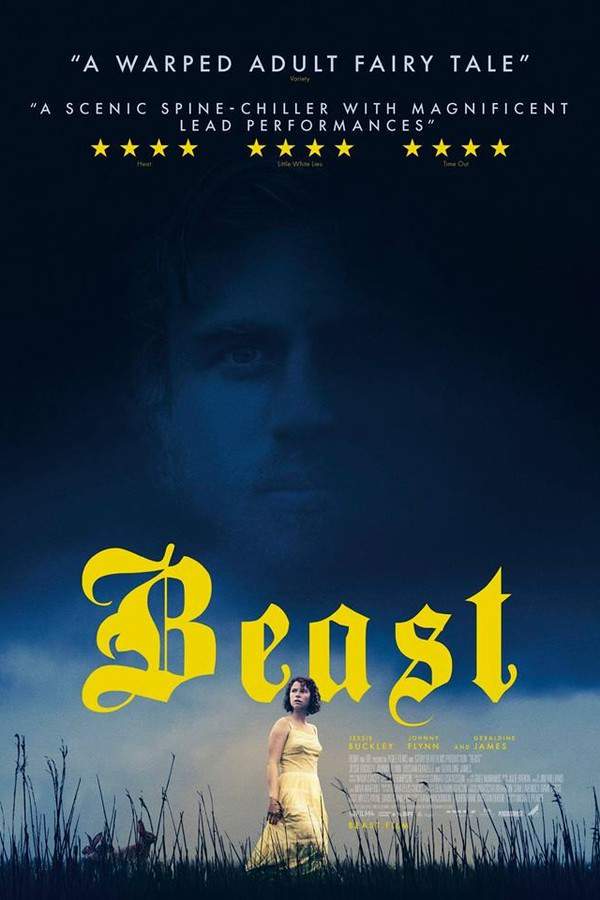
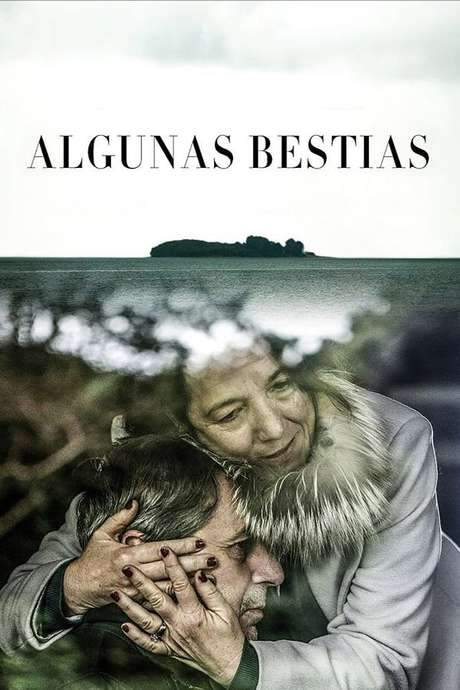
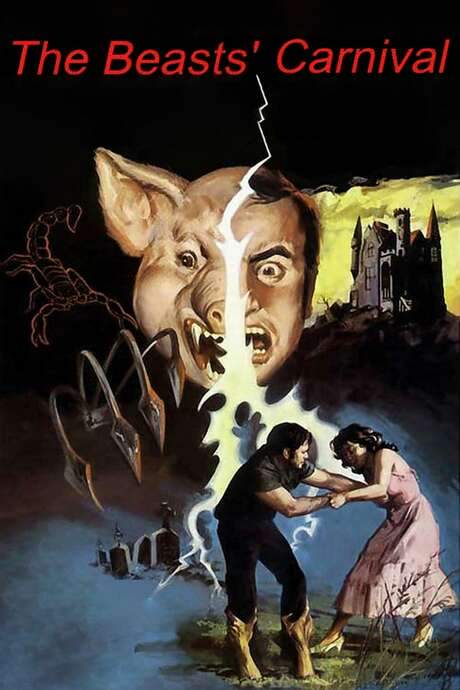
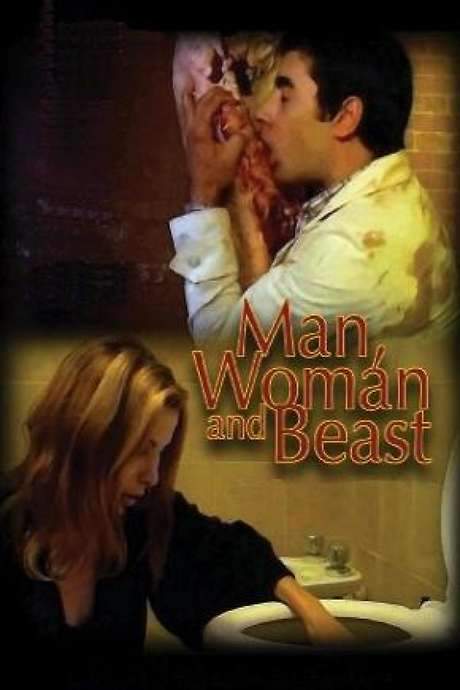
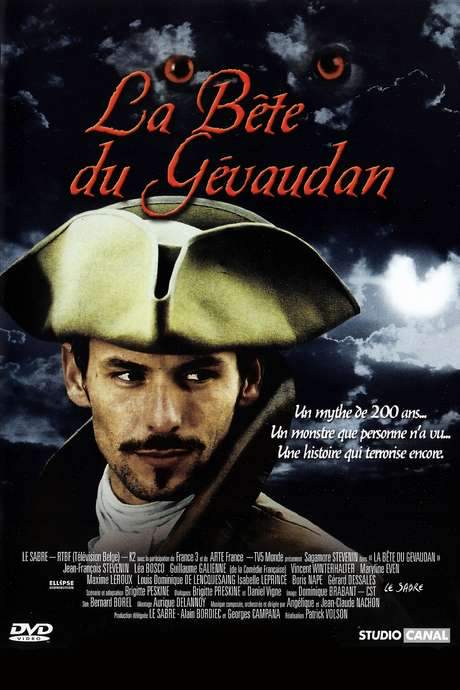
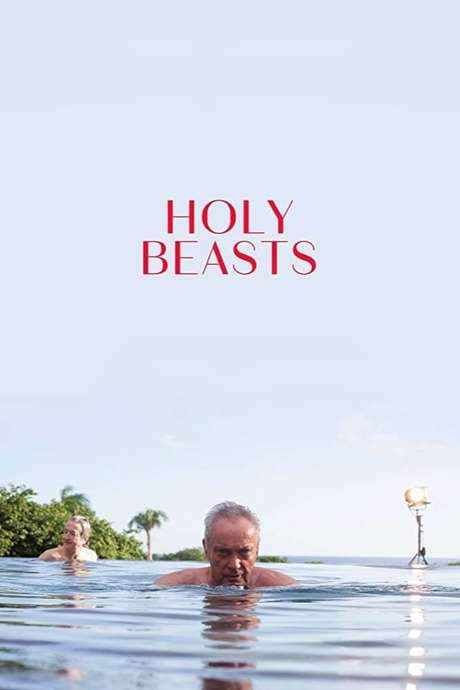
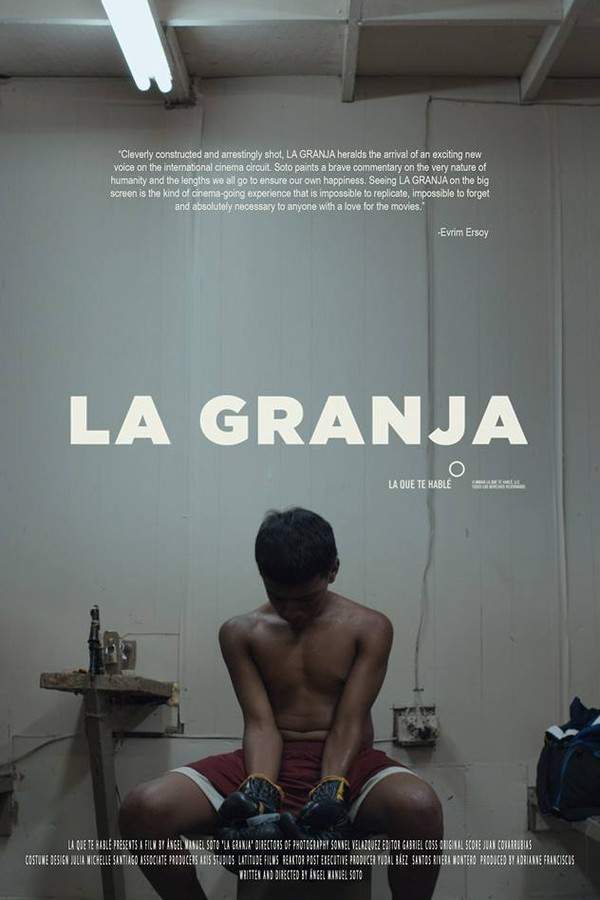
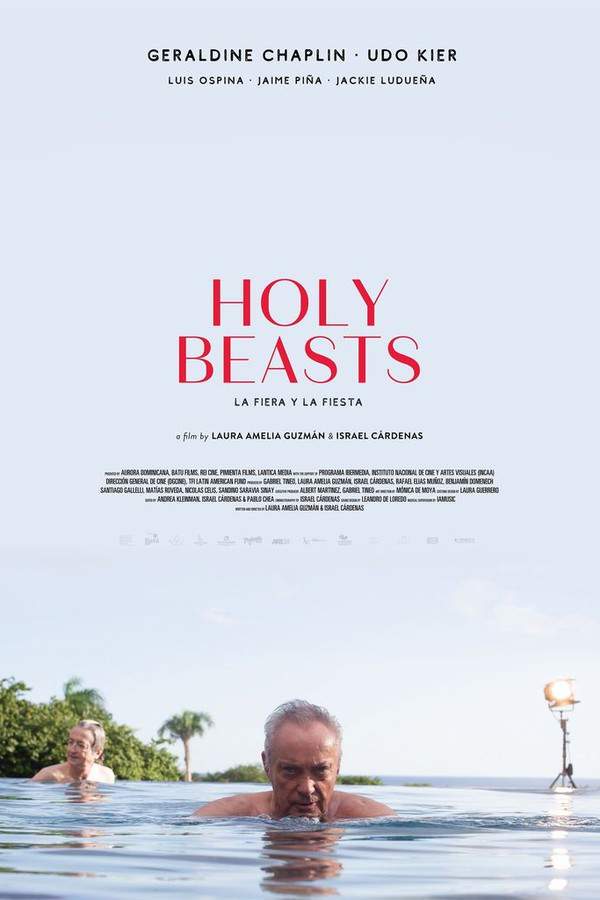
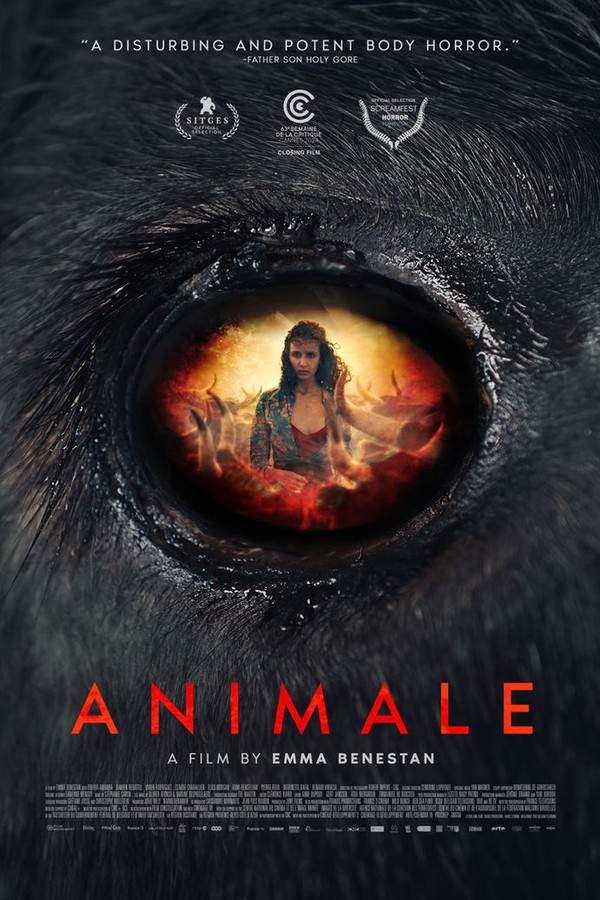
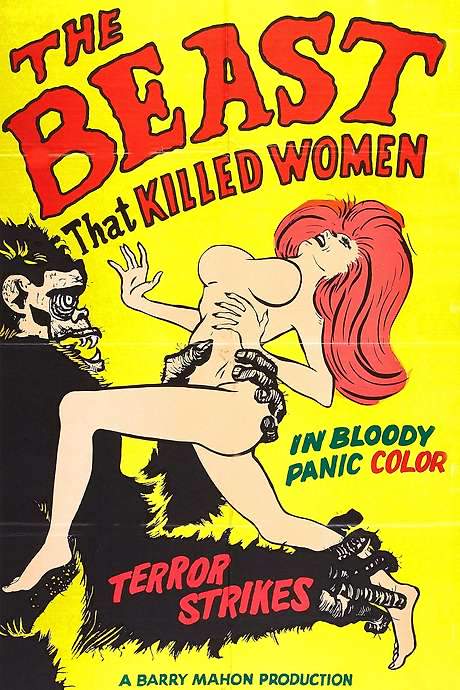
Films with a similar story, tone or audience, including Beasts, The Beast and Beast.


The Beasts FAQ: Cast, Box Office & Awards
Runtime, release date, director, cast, box office, ratings, awards and post-credit scenes of The Beasts, each answered in a sentence.
How long is The Beasts?
The Beasts runs 2 hours 17 minutes (137 minutes).
When was The Beasts released?
The Beasts was released on July 28, 2023.
Who directed The Beasts?
The Beasts was directed by Rodrigo Sorogoyen.
More films by Rodrigo Sorogoyen Who is in the cast of The Beasts?
The Beasts stars Marina Foïs as Olga, Luis Zahera as Xan and Denis Menochet, among 10 credited actors.
How much did The Beasts make at the box office?
The Beasts grossed $10.1 million worldwide ($46,105 domestic, $10 million international) on a budget of $3.9 million.
How is The Beasts rated?
The Beasts has 7.5/10 on IMDb, 99% on Rotten Tomatoes, 85 on Metacritic and 75% on TMDB.
What awards did The Beasts win?
The Beasts won 3 awards from 10 nominations, including Best Original Soundtrack at the Premios Feroz 2023.
Does The Beasts have a post-credit scene?
Yes. The Beasts has an extra scene during or after the credits, so it is worth staying seated.
Coming soon to your phone
The Plot Explained Movie Summary App
From blockbusters to hidden gems: plot summaries, endings explained and timelines on your phone. Save your favorites and never miss a twist again.
Be the first to know when it launches. Your email stays private, always. Learn more about the app
