Sthalathe Pradhana Payyans 1993


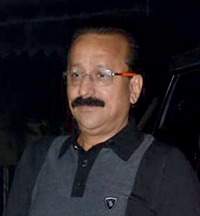
Goplakrishnan (Jagadish), a bright newspaper boy from Hindustan Colony, enters politics with his friends, runs for office and wins a landslide. He promises free policing and a clean law‑order system. Meanwhile, dynamic young officer Mohammed Iqbal (Siddique) is tasked with purging the capital city of goons and restoring order.


Does Sthalathe Pradhana Payyans have end credit scenes?
No!
Sthalathe Pradhana Payyans does not have end credit scenes. You can leave when the credits roll.
Where to Watch Sthalathe Pradhana Payyans
See current US streaming, rental, and purchase options for Sthalathe Pradhana Payyans (1993) via JustWatch.


Streaming availability powered by 
Meet the Full Cast and Actors of Sthalathe Pradhana Payyans
Explore the complete cast of Sthalathe Pradhana Payyans, including both lead and supporting actors. Learn who plays each character, discover their past roles and achievements, and find out what makes this ensemble cast stand out in the world of film and television.
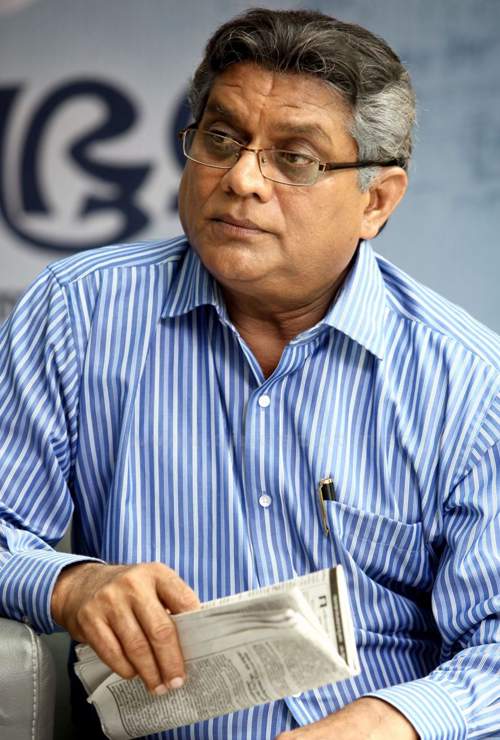
Jagathy Sreekumar
Salim

Rajan P Dev
Sadanandan
Maniyanpilla Raju
Thankachan
Mamukkoya
Kumaran
Jagadish
K. G. Gopalakrishnan
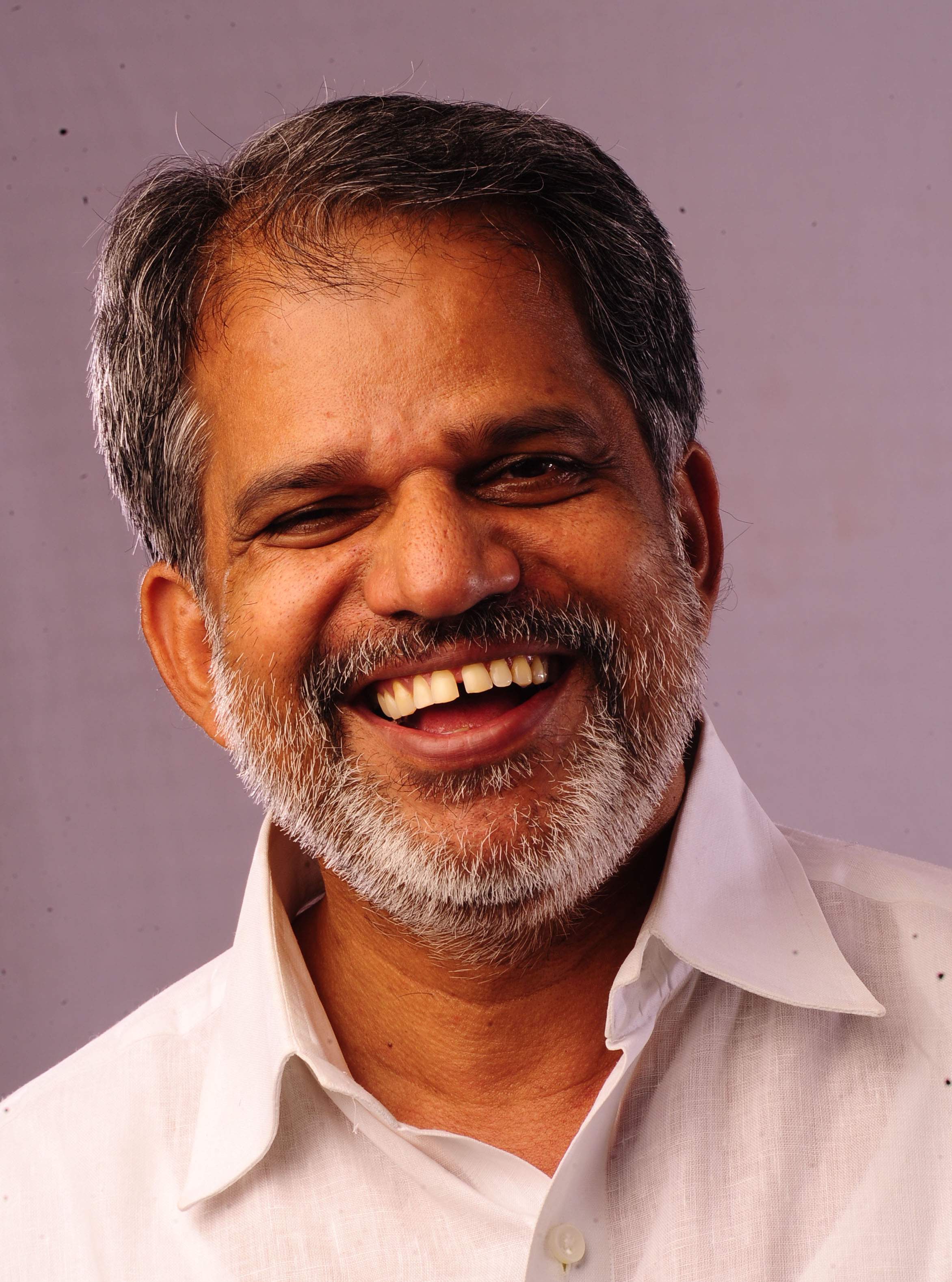
Vijayaraghavan
Jayapalan

Janardhanan
Govinda Menon
Baiju Santhosh
Siyad
Suresh Gopi
Subair
K. B. Ganesh Kumar
Prasannan
Augustine
Devan
Geetha
Suja Cheriyan
Beena Antony
Radha
Kunchan
Policeman
Suchitra
Gouri
Renji Panicker
Politician
Oduvil Unnikrishnan
Poomukhathu Kurup
Narendra Prasad
Kunjikannan Nambiar
Paravoor Bharathan
Minister
External Links and Streaming Options
Discover where to watch Sthalathe Pradhana Payyans online, including streaming platforms, rental options, and official sources. Compare reviews, ratings, and in-depth movie information across sites like IMDb, TMDb, Wikipedia or Rotten Tomatoes.





Take the Ultimate Sthalathe Pradhana Payyans Movie Quiz
Challenge your knowledge of Sthalathe Pradhana Payyans with this fun and interactive movie quiz. Test yourself on key plot points, iconic characters, hidden details, and memorable moments to see how well you really know the film.
Sthalathe Pradhana Payyans Quiz: Test your knowledge of the 1993 Malayalam film *Sthalathe Pradhana Payyans* with these 10 questions ranging from easy to difficult.
Who is the protagonist who works as a newspaper delivery person?
Full Plot Summary and Ending Explained for Sthalathe Pradhana Payyans
Read the complete plot summary of Sthalathe Pradhana Payyans, including all major events, twists, and the full ending explained in detail. Explore key characters, themes, hidden meanings, and everything you need to understand the story from beginning to end.
In the quiet outskirts of the city lies Hindustan Colony, a dense, close-knit enclave where middle-class and working-class families juggle day-to-day struggles. Here, a long-standing water shortage has become more than a utility problem; it’s a fault line that exposes neglect by those in power and the political calculus that follows. At the heart of this struggle is Gopalakrishnan, an educated young man who works as a newspaper delivery person and moves through life with a calm resolve, surrounded by friends who share his passion for social and cultural life.
Gopalakrishnan’s world is deeply personal as well. He is in love with Gowri, the daughter of Poomukhathu Kurup, a successful but morally shady business contractor who happens to be his uncle as well. Kurup’s wealth and influence cloak a dangerous history: he is implicated in the death of Gopalakrishnan’s father, a fact that fuels a bitter, almost familial enmity between them. The political landscape around Hindustan Colony mirrors this personal history, with Kerala’s state politics in turmoil, factionalism, and party infighting. The Chief Minister, Govinda Menon, struggles to hold onto power against internal rivals, while a wily player named Kunhikannan Nambiar aims to topple the regime and seize control for his own ends.
A catalyst arrives in the form of a sudden ministerial death—Marukandam Madhavan—after an outrageous incident that points to the vulnerability of the ministry. In the scramble to fill the vacancy, Nambiar pushes a loyalist to the fore and insists that the party workers from Hindustan Colony have a say. The result is a startling turn: Gopalakrishnan, who had little political experience, is chosen as a candidate and wins with a sweeping majority, thanks in part to his grassroots appeal and the pressure from the local supporters who believe in him beyond the usual party machinery.
But the political wind shifts quickly. In a strategic move to consolidate power, Nambiar pushes for a ministry and secures Gopalakrishnan’s appointment as the state’s Home Minister. This new position promises to open doors for weapon flow and a tighter grip on the state’s security apparatus, but Gopalakrishnan begins to exercise his authority in ways that surprise his patrons and colleagues. He envisions a policing approach that is more responsive to the people, and Govinda Menon himself begins to see in him a potential ally who can restore order and trust.
Into this volatile mix steps Mohammad Iqbal, a young police commissioner charged with cleaning up the city. Iqbal moves decisively against Nambiar’s goons, arresting them and testing the limits of ministerial authorization and political will. Nambiar counter-moves by pressing the Minister to order the release of the same criminals, trying to turn the tide of public opinion and law enforcement. At the same time, the former plan to ignite communal violence simmers below the surface, as Nambiar attempts to fracture Hindustan Colony along religious lines. It’s in this fraught atmosphere that Subair, Gopalakrishnan’s childhood friend who is on leave from the Indian Army, steps in to mediate the growing tensions and keep the peace, even as the situation spirals toward a broader crisis.
The conflict escalates as police raids target temples and mosques, with authorities uncovering deadly weapons during a crackdown ordered from the Home ministry. The discovery intensifies the political storm and strains already frayed relations within the colony. Nambiar’s machinations bear fruit in the form of violence that erupts in Hindustan Colony, with homes burned and women injured in the clashes. Subair’s sister becomes a central casualty in the chaos, and the community’s fear and anger boil over as the riots spread. Gopalakrishnan finds himself at the center of a growing accusation: am I the architect of a brutal crackdown, or a reformer trying to restore order? The public reaction is swift and vehement, and even those who once backed him question his intentions.
Facing mounting pressure, Gopalakrishnan resigns his post, yet Govinda Menon does not accept the move at first. He urges the Home Minister to demonstrate real strength by exposing the true culprits. In a decisive action that blends street momentum with political leverage, Gopalakrishnan, supported by a mob, storms the stores and garages of Nambiar, seizing explosives and turning the table on the conspirator’s network. The confrontation becomes a dramatic reckoning: Nambiar and his associates are cornered, attacked, and ultimately set ablaze as the community’s anger and a hunger for accountability erupt in a climactic confrontation.
Throughout this sprawling drama, the film threads a meditation on power, loyalty, and the price of reform. It asks how a society should balance the need for strong policing with the rights and safety of its citizens, and whether a political system can be cleansed from within when the answer may demand tough choices, even at the cost of personal relationships and public trust. The characters—each drawn with care and anchored in the city’s bustling, anxious heart—navigate a landscape where water scarcity, corruption, factional rivalries, and communal tension collide, and where a reform-minded leader must decide how far he is willing to go to deliver real change to Hindustan Colony.

Coming soon on iOS and Android
The Plot Explained Mobile App
From blockbusters to hidden gems — dive into movie stories anytime, anywhere. Save your favorites, discover plots faster, and never miss a twist again.
Sign up to be the first to know when we launch. Your email stays private — always.
Explore the mobile appDiscover Film Music Concerts Near You – Live Orchestras Performing Iconic Movie Soundtracks
Immerse yourself in the magic of cinema with live orchestral performances of your favorite film scores. From sweeping Hollywood blockbusters and animated classics to epic fantasy soundtracks, our curated listings connect you to upcoming film music events worldwide.
Explore concert film screenings paired with full orchestra concerts, read detailed event information, and secure your tickets for unforgettable evenings celebrating legendary composers like John Williams, Hans Zimmer, and more.


Sthalathe Pradhana Payyans Themes and Keywords
Discover the central themes, ideas, and keywords that define the movie’s story, tone, and message. Analyze the film’s deeper meanings, genre influences, and recurring concepts.

Unlock the World of Movies with Our Comprehensive Wiki
Dive into our Movie Wiki for in-depth film encyclopedia entries, including cast biographies, production trivia, plot synopses, behind-the-scenes facts, and thematic analyses. Whether you’re researching iconic directors, exploring genre histories, or discovering hidden easter eggs, our expertly curated movie database has everything you need to fuel your cinematic passion.
Similar Movies To Sthalathe Pradhana Payyans You Should Know About
Browse a curated list of movies similar in genre, tone, characters, or story structure. Discover new titles like the one you're watching, perfect for fans of related plots, vibes, or cinematic styles.






Quick Links: Summary, Cast, Ratings, More

What's After the Movie?
Not sure whether to stay after the credits? Find out!
Check out our other apps:

SAT Sphere
Build confidence for the Digital SAT.

Mori Atlas
Discover wild places worth protecting.

Luntero
Search smarter for a home in Amsterdam.

Plot Explained
Unravel movie endings and hidden clues.

Pokechamp
Dive into Pokémon data and battle logic.

Driving Theory
Get ready for your European theory test.

Movie Dust
Plan your next cinema trip with ease.

Musemap
Find art and culture as you travel.

Selkobase
Compare credentials before committing.

Local Manual
Turn an unfamiliar country into practical next steps.

Lernavi
Compare school systems before your next move.

GymRoam
Find a workout stop wherever your plans take you.
Explore Our Movie Platform
New Movie Releases (2026)
Famous Movie Actors
Top Film Production Studios
Movie Plot Summaries & Endings
Major Movie Awards & Winners
Best Concert Films & Music Documentaries
Movie Collections and Curated Lists
© 2026 What's After the Movie. All rights reserved.
Privacy Policy