Solo Brathuke So Better 2020


Virat is a charismatic figure who advocates for the joys of singlehood, amassing a dedicated following with his book of mantras. His philosophy is challenged when he unexpectedly finds himself experiencing the very lifestyle he promotes. What ensues is a humorous exploration of relationships and self-discovery as he confronts the complexities of love and connection.


Does Solo Brathuke So Better have end credit scenes?
No!
Solo Brathuke So Better does not have end credit scenes. You can leave when the credits roll.
Where to Watch Solo Brathuke So Better
See current US streaming, rental, and purchase options for Solo Brathuke So Better (2020) via JustWatch.

Apple TV Store
HD
Google Play Movies
SD
YouTube
SD Streaming availability powered by 
Meet the Full Cast and Actors of Solo Brathuke So Better
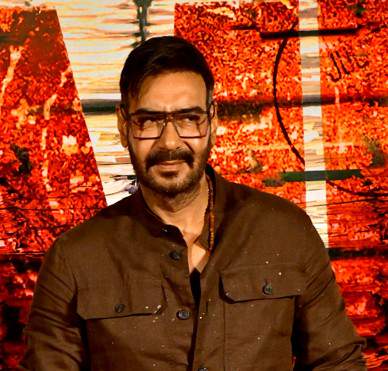
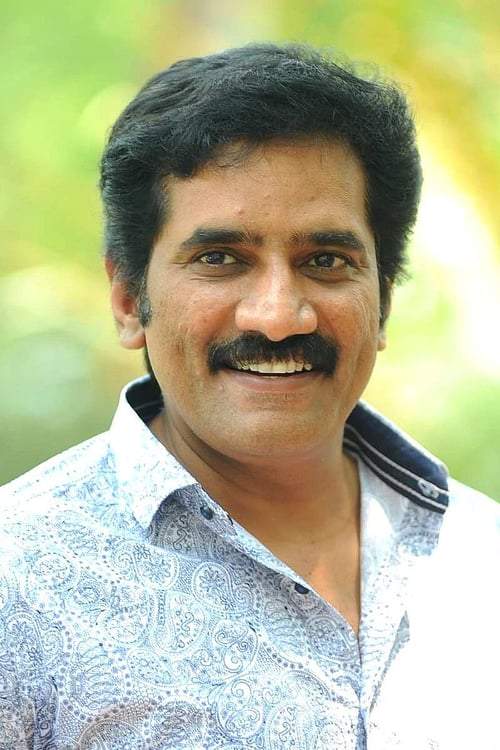
Explore the complete cast of Solo Brathuke So Better, including both lead and supporting actors. Learn who plays each character, discover their past roles and achievements, and find out what makes this ensemble cast stand out in the world of film and television.


External Links and Streaming Options
Discover where to watch Solo Brathuke So Better online, including streaming platforms, rental options, and official sources. Compare reviews, ratings, and in-depth movie information across sites like IMDb, TMDb, Wikipedia or Rotten Tomatoes.






Ratings and Reviews for Solo Brathuke So Better
See how Solo Brathuke So Better is rated across major platforms like IMDb, Metacritic, and TMDb. Compare audience scores and critic reviews to understand where Solo Brathuke So Better stands among top-rated movies in its genre.

The Movie Echo Score
In terms of overall reception, the film registers as a modestly enjoyable commercial comedy with several strong elements offset by notable weaknesses. Direction and music received consistent praise, while the narrative was described as predictable and uneven, especially in the second half. Performances, particularly the comedic timing of Vennela Kishore, were highlighted as the main draw, though the lead’s acting divided opinion. Consequently, the movie appeals mainly to audiences seeking light family entertainment rather than a crafted cinematic experience.
The Movie Echo Score Breakdown for Solo Brathuke So Better

Art & Craft
Direction was frequently described as competent, with the director managing scenes effectively despite budget constraints and delivering a well‑narrated, cohesive visual flow. Some reviewers noted occasional missteps, such as an inexplicable song sequence involving religious imagery, which detracted from professionalism. Overall, the craftsmanship in framing and editing supports the film’s comedic intent, though it lacks distinctive visual ambition.

Character & Emotion
Acting performances generated mixed reactions; the comedic work of Vennela Kishore was consistently praised for timing and impact, and several cast members were deemed solid. Conversely, the lead’s portrayal attracted criticism for over‑acting and uneven delivery, while the female lead received lukewarm acknowledgment. The overall character work succeeds in delivering humor but falls short of deeper emotional resonance.

Story & Flow
The plot was characterized as a simple, predictable narrative that delivers light entertainment but lacks substantive depth. Reviewers highlighted a stronger first half and a slower, less engaging second half, noting uneven pacing and occasional narrative filler. While the story attempts to convey moral themes through religious references, these elements were seen as forced, resulting in an overall modest storytelling experience.

Sensory Experience
The soundtrack and background score received commendation for enhancing the film’s comedic rhythm, with particular praise for Thaman’s contribution. Sound design was noted as adequate, supporting the energetic tone without standing out. Visual style was mentioned only briefly, implying a conventional approach without distinctive cinematographic flair. Overall, the sensory elements reinforce the film’s light‑hearted ambience but lack memorable artistry.

Rewatch Factor
Audience feedback emphasizes the film’s suitability for a single, enjoyable theater outing, highlighting its comedic moments and family-friendly vibe. While some consider it a one‑time watch, others suggest repeat viewings for its humor and relaxed pacing. The overall sentiment indicates moderate rewatch potential, primarily for viewers seeking casual entertainment rather than a profound cinematic experience.
Take the Ultimate Solo Brathuke So Better Movie Quiz
Challenge your knowledge of Solo Brathuke So Better with this fun and interactive movie quiz. Test yourself on key plot points, iconic characters, hidden details, and memorable moments to see how well you really know the film.
Solo Brathuke So Better Quiz: Test your knowledge of the 2020 Telugu film Solo Brathuke So Better with these ten questions ranging from easy to difficult.
What is the name of Viran's book that promotes bachelor life?
Full Plot Summary and Ending Explained for Solo Brathuke So Better
Read the complete plot summary of Solo Brathuke So Better, including all major events, twists, and the full ending explained in detail. Explore key characters, themes, hidden meanings, and everything you need to understand the story from beginning to end.
The film opens with a student riot demanding justice for an unnamed act, setting a charged, restless tone before we drift back in time. In 2012, Virat Sai Durgha Tej stands at the center of a curious movement in his college: he preaches a life of bachelorhood and urges his students to resist love. He champions a book he authored, Solo Brathuke So Better, a guide filled with 108 principles designed to celebrate and sustain a solo lifestyle. With the unwavering support of his friends and the patience of an uncle who is worn down by his wife’s nagging, Virat becomes the founder and steady heartbeat of the SBSB union, a quirky social project that both amuses and infuriates those around him. During the college farewell, a moment of vulnerability arrives when Rashi Singh Nazia Davison proposes to him. Virat’s refusal leaves Rashi in tears, a wound that hints at the cracks in his philosophy and foreshadows the push and pull between love and loyalty that will define the story.
After the college chapter, Virat heads to Hyderabad to chase a job in event management, where he and his friends scramble to secure an apartment and a sense of independence. Govind Gowda’s wedding invitation pulls Virat into a new assignment, and what begins as a simple gig quickly spirals into farce: his antics and a fabricated age detail from Govind derail the wedding plans. The fallout is brief but telling, and it marks the first of many occasions where Virat’s bold ideas collide with reality. As the years roll on, each of Virat’s friends ties the knot, leaving him increasingly restless and impatient for something more meaningful than the perpetual bachelor life he has built around himself. A late-night television interview with the very figure who inspired the SBSB movement—the man who once championed a bachelor’s creed—strikes a personal nerve, shaking Virat’s confidence and his carefully arranged universe.
A wrenching personal turn follows: Virat returns home to discover that his beloved aunt had passed away months earlier, and his uncle reveals a long history of loneliness and regret, a pattern of hardship that Virat had missed in his confident regimentation. The moment becomes a mirror: Virat recognizes that his stubborn policies may be hurting the people closest to him. With this realization, he decides that it is time to change. He invites his friends to help him find a suitable life partner, but the search hits a wall—no one from their college views him as a suitable match, and the one potential choice, his boss, would mean marrying someone who is older than him. The longing for connection grows louder, even as the path remains murky.
The plot pivots again when Govind invites Virat to another wedding, and he finally agrees. That celebration, however, is upended when Amrutha Nabha Natesh steps forward and publicly declares that she is in love with Virat. This is a surprising, electrifying moment that forces him to confront the consequences of his proclaimed philosophy. Amrutha is not an ordinary admirer; she is deeply convinced by Virat’s own messages and has adopted a version of his SBSB creed in her own life. Yet she makes a crucial revelation: she believes that remaining a bachelor could still be the best choice for her, challenging Virat to see the limits and cracks of his program.
Realizing the need to rethink, Virat commits to a realignment of his values. His efforts to win Amrutha’s heart become a test of his own ideals, especially when he faces a rival in Ravanudu and a run of obstacles designed to pull the couple apart. A dramatic sequence at a Titanic painting exhibition illustrates Amrutha’s strength and how she can outmaneuver Virat’s best-laid plans, suggesting that love can be both resilient and transformative when guided by genuine feeling rather than rigid doctrine. The tension intensifies as Virat’s old world collides with a new, more nuanced understanding of marriage and commitment.
Tragedy strikes when Virat’s uncle takes his own life, a stark reminder of the loneliness that often shadows steadfast ideals. This loss deepens Virat’s resolve to confess his love and put the truth of his heart on the line. Yet a dangerous turn arrives when Ravanudu abducts Amrutha in retaliation for past humiliations, threatening to derail everything Virat has come to value. In a tense confrontation, Virat defeats the henchmen and prepares to speak from the heart, only for Amrutha to reveal that her father has spoken to her and changed her mind about joining him in the SBSB path. The emotional battlefield shifts once more, and Virat experiences a moment of ecstatic relief that blossoms into a broader, more grounded confession of his love.
The story erupts into a riot among SBSB followers, testing Virat’s leadership and his ability to keep a community together. He responds with a vow to evolve his framework: he will write 108 new principles to persuade people to embrace love, to see its value beyond mere independence. The film closes on a hopeful note as Virat and Amrutha stand together, ready to begin a life shaped by mutual respect and a renewed, shared understanding of love’s power.

Coming soon on iOS and Android
The Plot Explained Mobile App
From blockbusters to hidden gems — dive into movie stories anytime, anywhere. Save your favorites, discover plots faster, and never miss a twist again.
Sign up to be the first to know when we launch. Your email stays private — always.
Explore the mobile appWatch Trailers, Clips & Behind-the-Scenes for Solo Brathuke So Better
Watch official trailers, exclusive clips, cast interviews, and behind-the-scenes footage from Solo Brathuke So Better. Dive deeper into the making of the film, its standout moments, and key production insights.
Solo Brathuke So Better Themes and Keywords
Discover the central themes, ideas, and keywords that define the movie’s story, tone, and message. Analyze the film’s deeper meanings, genre influences, and recurring concepts.

Unlock the World of Movies with Our Comprehensive Wiki
Dive into our Movie Wiki for in-depth film encyclopedia entries, including cast biographies, production trivia, plot synopses, behind-the-scenes facts, and thematic analyses. Whether you’re researching iconic directors, exploring genre histories, or discovering hidden easter eggs, our expertly curated movie database has everything you need to fuel your cinematic passion.

Similar Movies To Solo Brathuke So Better You Should Know About
Browse a curated list of movies similar in genre, tone, characters, or story structure. Discover new titles like the one you're watching, perfect for fans of related plots, vibes, or cinematic styles.








Quick Links: Summary, Cast, Ratings, More

What's After the Movie?
Not sure whether to stay after the credits? Find out!
Check out our other apps:

SAT Sphere
Build confidence for the Digital SAT.

Mori Atlas
Discover wild places worth protecting.

Luntero
Search smarter for a home in Amsterdam.

Plot Explained
Unravel movie endings and hidden clues.

Pokechamp
Dive into Pokémon data and battle logic.

Driving Theory
Get ready for your European theory test.

Movie Dust
Plan your next cinema trip with ease.

Musemap
Find art and culture as you travel.

Selkobase
Compare credentials before committing.

Local Manual
Turn an unfamiliar country into practical next steps.

Lernavi
Compare school systems before your next move.

GymRoam
Find a workout stop wherever your plans take you.
Explore Our Movie Platform
New Movie Releases (2026)
Famous Movie Actors
Top Film Production Studios
Movie Plot Summaries & Endings
Major Movie Awards & Winners
Best Concert Films & Music Documentaries
Movie Collections and Curated Lists
© 2026 What's After the Movie. All rights reserved.
Privacy Policy