Sarbjit 2016

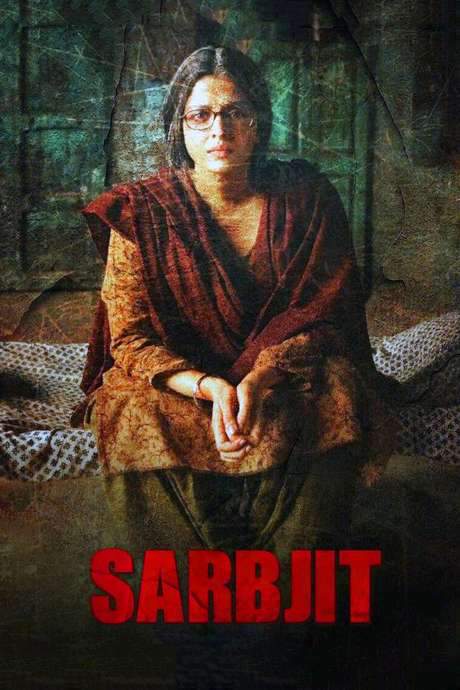
In a tragic case of mistaken identity, Sarbjit inadvertently crosses the India-Pakistan border while intoxicated and is arrested, wrongly accused of being an Indian spy. He is sentenced to death, and his devoted sister, Dalbir, embarks on a relentless fight to prove his innocence and secure justice for her brother. The film is based on a real-life event that caused a significant humanitarian crisis.


Does Sarbjit have end credit scenes?
No!
Sarbjit does not have end credit scenes. You can leave when the credits roll.
Meet the Full Cast and Actors of Sarbjit
Explore the complete cast of Sarbjit, including both lead and supporting actors. Learn who plays each character, discover their past roles and achievements, and find out what makes this ensemble cast stand out in the world of film and television.

Randeep Hooda
Sarbjit

Jobanpreet Singh
Pakranger
Shiwani Saini
Swapan Kaur
Samiksha Bhatnagar
Zulfika
Aishwarya Rai Bachchan
Dalbir Kaur
Ankur Bhatia
Mandev - Dalbir's husband
Richa Chadha
Sukhpreet Kaur
Darshan Kumaar
Awais Sheikh
Ankita Shrivastav
Poonam Kaur
Arbaaz Ali Khan
Trishaan Singh Maini
Maninder
Charanpreet Singh
Sanjay
External Links and Streaming Options
Discover where to watch Sarbjit online, including streaming platforms, rental options, and official sources. Compare reviews, ratings, and in-depth movie information across sites like IMDb, TMDb, Wikipedia or Rotten Tomatoes.






Take the Ultimate Sarbjit Movie Quiz
Challenge your knowledge of Sarbjit with this fun and interactive movie quiz. Test yourself on key plot points, iconic characters, hidden details, and memorable moments to see how well you really know the film.
Sarbjit (2016) Quiz: Test your knowledge of the events, characters, and themes depicted in the 2016 film Sarbjit.
What is the name of Sarbjit's sister who seeks justice for him?
Full Plot Summary and Ending Explained for Sarbjit
Read the complete plot summary of Sarbjit, including all major events, twists, and the full ending explained in detail. Explore key characters, themes, hidden meanings, and everything you need to understand the story from beginning to end.
Dalbir Kaur, Aishwarya Rai Bachchan, two years after the heartbreaking stillbirth of her daughter, makes a difficult decision to leave her abusive husband Baldev and seek shelter with Sarbjit’s family. She joins a modest life in Bhikhiwind, Punjab, where Sarbjit [Randeep Hooda] is a gentle, hardworking farmer who shares in the daily joys and struggles of his household. Sarbjit lives with his wife Sukhpreet Kaur [Richa Chadha], their two daughters Poonam [Ankita Shrivastav] and Swapandeep [Shiwani Saini], and his elderly father Darji, forming a close-knit unit bound by love and resilience. Dalbir steps into a world of chores at the textile mill and quiet domestic routines, but a deeper current of fear and protection for her brother-in-law runs beneath the surface of everyday life.
The story shifts to a fateful night in 1990 when Sarbjit, intoxicated and exhausted, accidentally crosses the border into Pakistan. He is immediately seized and jailed, branded as an Indian spy and identified with a man named Ranjit Singh. The charges center on alleged bomb blasts in Lahore, allegations that his own family cannot reconcile with the image of the beloved husband and brother they know. The authorities dismiss his pleas of innocence, and Sarbjit endures months of torture and isolation, his hope sustained only by a few determined letters to his family that carry the faint sound of news from the outside. In a desperate move to appease the Pakistani police and perhaps gain even a slim chance at justice, Sarbjit confesses to terrorism, and the court swiftly imposes a death sentence.
Dalbir, driven by an unwavering sense of family loyalty and the belief in her brother’s innocence, refuses to give up. She partners with Awais Sheikh [Darshan Kumaar], a tenacious lawyer who becomes a crucial figure in the fight to save Sarbjit. Their joint plea for justice reverberates across India, drawing public sympathy and international attention, even as the Pakistani establishment remains wary. The media coverage around the case becomes a mirror of tension between two nations, with coverage both condemning the arrest and highlighting the possible miscarriage of justice. Throughout this period, the family experiences a rollercoaster of hope and heartbreak as petitions, appeals, and political statements collide with the slow gears of the justice system.
In 2012, after more than two decades of imprisonment, Sarbjit’s family is finally allowed a visit to the prison. The reunion is deeply emotional, revealing a man who is battered by time and torture yet still clings to a shred of dignity and humanity. The encounter underscores the vast human cost of the case and deepens the family’s resolve to push for a reprieve. Soon afterward, a government decision appears to offer a glimmer of release, but it soon becomes clear that the order pertains not to Sarbjit, but to another prisoner named Surjeet. The miscommunication lands like a heavy blow on the family, reigniting their grief and anger while fueling their determination to keep fighting for justice.
The tragedy deepens when, a year later, Sarbjit is attacked in his jail cell by fellow prisoners and is transferred to a local hospital in a critical condition. His health deteriorates as he fights to survive the injuries sustained in the assault, and despite the family’s presence—his sister Dalbir, his wife Sukhpreet, and his daughters—their vigil is tempered by the reality that his life hangs in the balance. Eventually, Sarbjit slips into a coma and dies, a moment that the family members confront with a mix of sorrow, gratitude for the chance to say goodbye, and a renewed sense of purpose to honor his memory.
As Sarbjit’s body is returned to India, his village and extended family gather to mourn a man who lived simply yet endured extraordinary hardship. The film closes on a vow from Dalbir: she will carry forward Sarbjit’s dying wish of being recognized as an innocent man, sustaining the belief that truth and dignity can prevail even in the darkest chapters. The memory of Sarbjit’s life — as a brother, a husband, a son, and a symbol of resilience — becomes a lasting beacon for those who continue to seek justice beyond borders and politics.

Coming soon on iOS and Android
The Plot Explained Mobile App
From blockbusters to hidden gems — dive into movie stories anytime, anywhere. Save your favorites, discover plots faster, and never miss a twist again.
Sign up to be the first to know when we launch. Your email stays private — always.
Explore the mobile appWatch Trailers, Clips & Behind-the-Scenes for Sarbjit
Watch official trailers, exclusive clips, cast interviews, and behind-the-scenes footage from Sarbjit. Dive deeper into the making of the film, its standout moments, and key production insights.
Sarbjit Other Names and Titles
Explore the various alternative titles, translations, and other names used for Sarbjit across different regions and languages. Understand how the film is marketed and recognized worldwide.
Quick Links: Summary, Cast, Ratings, More

What's After the Movie?
Not sure whether to stay after the credits? Find out!
Check out our other apps:

SAT Sphere
Build confidence for the Digital SAT.

Mori Atlas
Discover wild places worth protecting.

Luntero
Search smarter for a home in Amsterdam.

Plot Explained
Unravel movie endings and hidden clues.

Pokechamp
Dive into Pokémon data and battle logic.

Driving Theory
Get ready for your European theory test.

Movie Dust
Plan your next cinema trip with ease.

Musemap
Find art and culture as you travel.

Selkobase
Compare credentials before committing.

Local Manual
Turn an unfamiliar country into practical next steps.

Lernavi
Compare school systems before your next move.

GymRoam
Find a workout stop wherever your plans take you.
Explore Our Movie Platform
New Movie Releases (2026)
Famous Movie Actors
Top Film Production Studios
Movie Plot Summaries & Endings
Major Movie Awards & Winners
Best Concert Films & Music Documentaries
Movie Collections and Curated Lists
© 2026 What's After the Movie. All rights reserved.
Privacy Policy