Santa Fe Trail 1940



After a fight with classmates just before graduation, J.E.B. Stuart, George Armstrong Custer and four fellow cadets are punished with an assignment to the 2nd Cavalry at Fort Leavenworth. There, on the edge of the railroad, they help capture and execute abolitionist John Brown after the Battle of Harper’s Ferry, showing frontier justice.


Does Santa Fe Trail have end credit scenes?
No!
Santa Fe Trail does not have end credit scenes. You can leave when the credits roll.
Where to Watch Santa Fe Trail
See current US streaming, rental, and purchase options for Santa Fe Trail (1940) via JustWatch.

Artiflix
4K
Best Westerns Ever Amazon Channel
SD
Cineverse
HD
FlixFling
SD
fuboTV
HD
Great American Pure Flix Amazon Channel
SD
HBO Max
HD
HBO Max Amazon Channel
HD
MGM Plus
HD
MGM+ Amazon Channel
SD
Philo
HD
Amazon Prime Video
HD
Fawesome
HD
FlixHouse
HD
Hoopla
SD
Public Domain Movies
SD
Fandango at Home Free
HD
Plex
HD
Plex Channel
HD
The Roku Channel
HD
Tubi TV
SD
Xumo Play
HD
Amazon Video
SD
Apple TV Store
HD Fandango At Home
HD
Google Play Movies
SD
YouTube
SD Streaming availability powered by 
Meet the Full Cast and Actors of Santa Fe Trail
Explore the complete cast of Santa Fe Trail, including both lead and supporting actors. Learn who plays each character, discover their past roles and achievements, and find out what makes this ensemble cast stand out in the world of film and television.
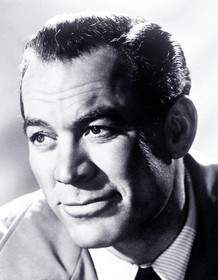
Ward Bond
Townley

Olivia de Havilland
Kit Carson Holliday
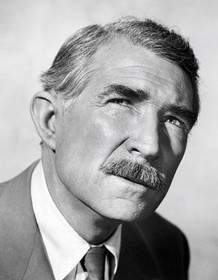
Trevor Bardette
Agitator in Palmyra (uncredited)
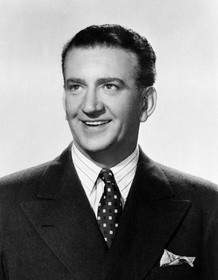
John Litel
Martin
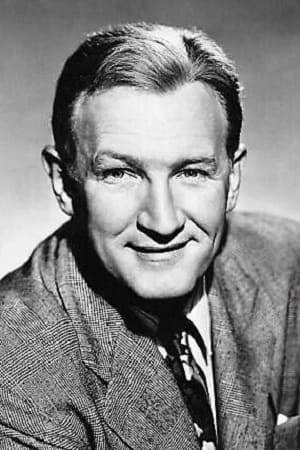
Joe Sawyer
Kitzmiller
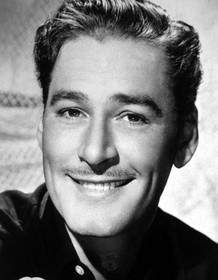
Errol Flynn
Jeb Stuart
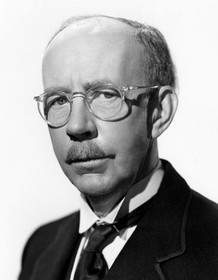
Hobart Cavanaugh
Barber Doyle
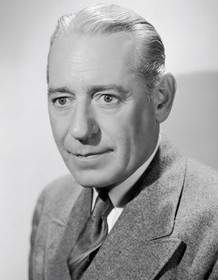
Henry O'Neill
Cyrus Brody
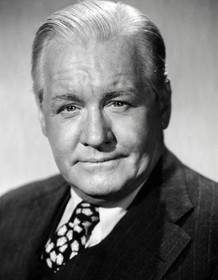
Joseph Crehan
Officer at Washington Party (uncredited)
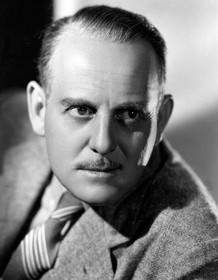
Moroni Olsen
Robert E. Lee
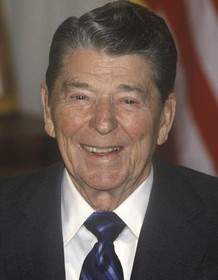
Ronald Reagan
George Custer
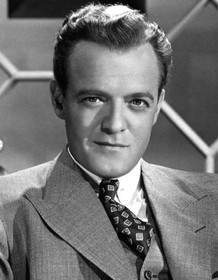
Van Heflin
Rader

Charles Middleton
Gentry
Nestor Paiva
Abolitionist Noticing Army Horse Brand (uncredited)
Raymond Massey
John Brown
Alan Baxter
Oliver Brown
Charles D. Brown
Major Sumner
Russell Simpson
Shubel Morgan
Alan Hale
Tex Bell
Susan Peters
Charlotte
David Bruce
Phil Sheridan
Erville Alderson
Jefferson Davis
Al Bridge
Palmyra Townsman (uncredited)
William Marshall
George Pickett
Harry Cording
Workman in Delaware Crossing (uncredited)
Mira McKinney
Survivor at Delaware Crossing (uncredited)
Wilfred Lucas
Weiner (uncredited)
Sam Harris
Party Guest (uncredited)
Jim Farley
Brewer, Armory Hostage (uncredited)
William Lundigan
Bob Holliday
Gene Reynolds
Jason Brown
Frank Mills
Train Passenger (uncredited)
Ernest Whitman
Black Man in Barn (uncredited)
Victor Kilian
Dispatch Rider (uncredited)
John Meyer
Workman (uncredited)
Selmer Jackson
Officer Reading Names of Graduates (uncredited)
Creighton Hale
Telegraph Operator (uncredited)
Robert McKenzie
Kansas Townsman (uncredited)
Edward Hearn
Abolitionist in Armory (uncredited)
Jack Mower
Surveyor (uncredited)
Tom McGuire
Man with Surveyor (uncredited)
Lafe McKee
Minister (uncredited)
Russell Hicks
Dr. J. Boyce Russell (uncredited)
Frank Mayo
Engineer (uncredited)
Edward Biby
Party Guest (uncredited)
Guinn "Big Boy" Williams
Windy Brody
Roy Barcroft
Engineer (uncredited)
Payne B. Johnson
Western Boy (uncredited)
Jess Lee Brooks
Doorman at Washington Party (uncredited)
Count Stefenelli
Train Passenger (uncredited)
Bud Cokes
Cadet (uncredited)
Eddy Waller
Workman (uncredited)
Eric Mayne
Train Passenger (uncredited)
Eddy Chandler
Armory Guard (uncredited)
Theresa Harris
Maid (uncredited)
Richard Kipling
Army Doctor Attending Jason (uncredited)
Lucia Carroll
Girl at Wedding (uncredited)
Frank Wilcox
James Longstreet
Maris Wrixon
Girl at Wedding (uncredited)
Walter Soderling
Abolitionist at Russell's House (uncredited)
Blackie Whiteford
Henchman (uncredited)
Georgia Caine
Officer's Wife at Party (uncredited)
Jack Deery
Party Guest (uncredited)
Grace Stafford
Farmer's Wife (uncredited)
Mitzi Green
Girl at Wedding (uncredited)
Clinton Rosemond
Black Man on Train (uncredited)
Spencer Charters
Conductor
Mildred Gover
Mammy (uncredited)
Lane Chandler
Adjutant (uncredited)
Arthur Aylesworth
Abolitionist at Russell's House (uncredited)
Henry Hall
Abolitionist at Russell's House (uncredited)
Libby Taylor
Black Woman (uncredited)
Napoleon Simpson
Samson (uncredited)
George Haywood
John Hood
Mildred Coles
Girl at Wedding (uncredited)
Bernice Pilot
Hannah (uncredited)
Ernestine Wade
Black Woman (uncredited)
Alex Proper
Townsman (uncredited)
External Links and Streaming Options
Discover where to watch Santa Fe Trail online, including streaming platforms, rental options, and official sources. Compare reviews, ratings, and in-depth movie information across sites like IMDb, TMDb, Wikipedia or Letterboxd.




Take the Ultimate Santa Fe Trail Movie Quiz
Challenge your knowledge of Santa Fe Trail with this fun and interactive movie quiz. Test yourself on key plot points, iconic characters, hidden details, and memorable moments to see how well you really know the film.
Santa Fe Trail (1940) Quiz: Test your knowledge of the 1940 Western film Santa Fe Trail featuring historical figures and frontier drama.
Which actor portrays the young officer Jeb Stuart?
Full Plot Summary and Ending Explained for Santa Fe Trail
Read the complete plot summary of Santa Fe Trail, including all major events, twists, and the full ending explained in detail. Explore key characters, themes, hidden meanings, and everything you need to understand the story from beginning to end.
At West Point Military Academy in 1854, Cadet Carl Rader Van Heflin is dishonorably discharged after instigating a brawl among the cadets by distributing anti-slavery pamphlets, a move his classmates view as a dangerous challenge to the Army’s stance against ideological crusades. This harsh break with the academy sets the tone for a country on the brink of upheaval, where duty, loyalty, and personal beliefs collide in a landscape colored by conflicting visions of freedom and order. Rader’s dismissal ripples through the ranks, touching friends and foes alike, and foreshadowing how the conflict over slavery will pull young soldiers into a larger, bloodier struggle.
Following the incident, Jeb Stuart [Errol Flynn] and George Custer [Ronald Reagan], two ambitious young officers, are assigned to Fort Leavenworth in the Kansas Territory—the Army’s most perilous posting at the time. The move is described with a sense of reckless bravado, as if the frontier itself could forge a new breed of military leadership. On the way west, the officers cross paths with Cyrus K. Holliday (the railroad magnate responsible for building the line to Santa Fe) and his daughter Kit Holliday [Olivia de Havilland], whose charm and courage quickly spark a tense and growing attraction from both men. Kit’s presence injects a human, romantic thread into the looming national crisis, complicating the men’s loyalties as their professional destinies collide with personal desires.
The Kansas Territory soon becomes a powder keg, stained by the tireless crusade led by John Brown [Raymond Massey], a figure whose relentless anti-slavery campaign disrupts the fragile balance between Union authorities and abolitionist forces. Meanwhile, Rader leaves active duty to work with Brown as a mercenary and military adviser, lending his expertise to a movement that roams the countryside, freeing enslaved people and destabilizing the region in dramatic fashion. Brown’s bold raids, including his assault on a freight wagon guarded by the Army, set in motion a chain of events that will test every principal involved. Stuart and Custer witness the severity of Brown’s reach, and a crucial turning point arrives when they capture Brown’s wounded son Jason [Gene Reynolds], who, before dying, reveals the location of his father’s hideout at Shubel Morgan’s Palmyra ranch. The revelation heightens the stakes and pushes the protagonists into a dangerous game of deception and pursuit.
Disguised and determined, Stuart infiltrates Palmyra, the heart of the Underground Railroad’s activity, where the shadows of abolitionist networks and covert support for Brown’s cause converge. Brown’s men spot the army brand on Stuart’s horse, exposing his cover and leading to his capture at gunpoint. A daring escape attempt ends in a dramatic blaze, with Stuart trapped in a burning barn, but Custer arrives with the cavalry to mount a dramatic rescue, driving Brown into retreat and exile. The episode marks a turning point in the conflict, consolidating the reputations of the two young officers as they prove their mettle under fire and begin to shape the theater of the coming civil confrontation.
Three years pass, and the political landscape shifts as Brown’s resistance appears to have been crushed in the eyes of the federal government. Stuart and Custer are promoted and dispatched back to Washington, D.C., where diplomacy and danger go hand in hand. At a formal ball, Stuart officially asks Kit to marry him, offering a personal beacon of hope amid the dark tides of history that swirl around them. Yet the prospect of peace remains distant, because Brown is determined to resume his war by raiding the arsenal at Harper’s Ferry and mobilizing freed slaves into a renewed force. Rader, who has felt both gratitude and grievance from his previous allegiance, travels to Washington to warn Stuart of Brown’s renewed plans after Brown refuses to compensate him for his services as an adviser.
The conflict escalates as Brown seizes the arsenal, facing stiff resistance from townspeople and a show of organized authority. Troops under the command of Robert E. Lee [Moroni Olsen] arrive to restore order, and the confrontation culminates in Brown’s capture and the crushing of the rebellion. The aftermath sees Brown tried for treason in Virginia, his doom sealed by a grim prophecy about the nation’s fate: that only a bloody civil war can decide the deepest question haunting the Union. The film closes on a personal note, with the marriage of Stuart and Kit taking place aboard one of her father’s trains, a quiet and hopeful counterpoint to the era’s violence and upheaval, suggesting that love and perseverance can endure even as history surges forward.
The story unfolds with a broad cast of historical figures and military figures who anchor the drama in a recognizable, well-researched era. From the disciplined routines of West Point to the impassioned urgency of abolitionist action, and from the calculated strategy of frontier expansion to the moral friction of slavery’s fate, the film threads together a tale of duty, courage, romance, and consequence. Across lands and loyalties, the characters navigate a landscape where friends become rivals, ideals are tested, and personal bonds confer strength in the shadow of a nation’s most defining conflict.

Coming soon on iOS and Android
The Plot Explained Mobile App
From blockbusters to hidden gems — dive into movie stories anytime, anywhere. Save your favorites, discover plots faster, and never miss a twist again.
Sign up to be the first to know when we launch. Your email stays private — always.
Explore the mobile appWatch Trailers, Clips & Behind-the-Scenes for Santa Fe Trail
Watch official trailers, exclusive clips, cast interviews, and behind-the-scenes footage from Santa Fe Trail. Dive deeper into the making of the film, its standout moments, and key production insights.
Santa Fe Trail Themes and Keywords
Discover the central themes, ideas, and keywords that define the movie’s story, tone, and message. Analyze the film’s deeper meanings, genre influences, and recurring concepts.
Santa Fe Trail Other Names and Titles
Explore the various alternative titles, translations, and other names used for Santa Fe Trail across different regions and languages. Understand how the film is marketed and recognized worldwide.
Similar Movies To Santa Fe Trail You Should Know About
Browse a curated list of movies similar in genre, tone, characters, or story structure. Discover new titles like the one you're watching, perfect for fans of related plots, vibes, or cinematic styles.


Quick Links: Summary, Cast, Ratings, More

What's After the Movie?
Not sure whether to stay after the credits? Find out!
Check out our other apps:

SAT Sphere
Build confidence for the Digital SAT.

Mori Atlas
Discover wild places worth protecting.

Luntero
Search smarter for a home in Amsterdam.

Plot Explained
Unravel movie endings and hidden clues.

Pokechamp
Dive into Pokémon data and battle logic.

Driving Theory
Get ready for your European theory test.

Movie Dust
Plan your next cinema trip with ease.

Musemap
Find art and culture as you travel.

Selkobase
Compare credentials before committing.

Local Manual
Turn an unfamiliar country into practical next steps.

Lernavi
Compare school systems before your next move.

GymRoam
Find a workout stop wherever your plans take you.
Explore Our Movie Platform
New Movie Releases (2026)
Famous Movie Actors
Top Film Production Studios
Movie Plot Summaries & Endings
Major Movie Awards & Winners
Best Concert Films & Music Documentaries
Movie Collections and Curated Lists
© 2026 What's After the Movie. All rights reserved.
Privacy Policy