Pressure 1975

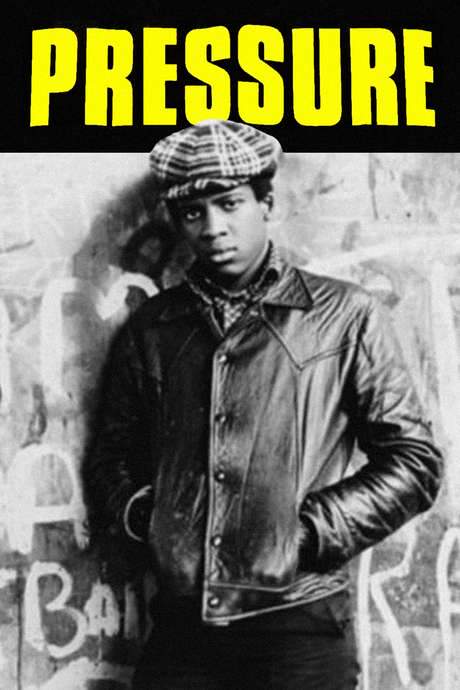
A British-born younger son of an immigrant family from Trinidad finds himself adrift between two cultures.


Does Pressure have end credit scenes?
No!
Pressure does not have end credit scenes. You can leave when the credits roll.
Where to Watch Pressure
See current US streaming, rental, and purchase options for Pressure (1975) via JustWatch.


Streaming availability powered by 
Meet the Full Cast and Actors of Pressure
Explore the complete cast of Pressure, including both lead and supporting actors. Learn who plays each character, discover their past roles and achievements, and find out what makes this ensemble cast stand out in the world of film and television.

Philip Jackson
2nd CID Officer

Norman Beaton
Preacher
Herbert Norville
Tony
John Blundell
John
Archie Pool
Oscar
Ram John Holder
Brother John
John Lynn
Commissionaire
Corinne Skinner-Carter
Tony's Aunt
Oscar James
Colin
Brendan Donnison
Metal Factory Worker
Ed Devereaux
Police Inspector
T-Bone Wilson
Junior
Sheila Scott-Wilkenson
Sister Lousie
June Page
Sheila
Alfred Fagon
Black Man on Train
Elvis Payne
Joe
Lucita Lijertwood
Bopsie
Margaret Ford
Landlady
Frank Singuineau
Lucas
John F. Landry
Mr Crapson
Whitty Vialva Forde
Reefer
Marlene Davis
Marlene
Dave Kinoshi
Mike
Patrick Rennison
Winston
Winston Williams
Jacko
Sharon Pearson
Black Sister in Portobello Rd
Peter Newby
Pete
Dawn Gerron
Angie
Trevor Hilton
Dog Handler
Sally Carey
Secretary
Thelma Kidger
Woman on Train
External Links and Streaming Options
Discover where to watch Pressure online, including streaming platforms, rental options, and official sources. Compare reviews, ratings, and in-depth movie information across sites like IMDb, TMDb, Wikipedia or JustWatch.






Take the Ultimate Pressure Movie Quiz
Challenge your knowledge of Pressure with this fun and interactive movie quiz. Test yourself on key plot points, iconic characters, hidden details, and memorable moments to see how well you really know the film.
Pressure (1975) Quiz: Test your knowledge of the themes, characters, and plot details from the 1975 film *Pressure*.
What is the main character Tony's ethnic background?
Full Plot Summary and Ending Explained for Pressure
Read the complete plot summary of Pressure, including all major events, twists, and the full ending explained in detail. Explore key characters, themes, hidden meanings, and everything you need to understand the story from beginning to end.
Tony Herbert Norville is a second-generation Black British teenager, born and raised in Britain. The rest of his family—his mother, father, and older brother—were born in Trinidad in the Caribbean. This shared origin shapes how each generation views the society they live in. Tony’s mother emphasizes a message of hard work, discretion, and strict respect for White people’s laws because those who hold power are white.
The film sets up a tension between generations: the older generation grows comfortable with a society ruled by white English authority, while the younger generation leans toward awareness of discrimination and the need for change. Tony’s brother, Ram John Holder, is active in the Black Power movement and argues that Black people are treated as second-class citizens, and that change requires collective action and political organization. He pushes a message of black consciousness, heritage, and empowerment, insisting that they must organize to confront the system since the government does not stand with them.
Tony strives to assimilate into the white-dominated society even as he tries to honor his family’s traditions. He faces repeated obstacles that test his resolve and sense of belonging. One night, while out dancing with a white friend, a white adult confronts them and warns that if he doesn’t leave, she will call the police, insisting the white girl should be ashamed for bringing a Black boy home. This moment underscores the everyday hostility Tony confronts while trying to fit in.
When Tony attends his brother’s meeting, he witnesses Black activists under pressure from authorities. Police forcefully enter the gathering without warrant, assault the participants, and arrest them. The assault extends into Tony’s home life as officers later tear through his family’s home in search of non-existent drugs, a stark illustration of how state power targets Black communities.
Beyond these scenes of conflict, Tony’s professional life mirrors the broader oppression. He struggles to find employment that aligns with his education, and his frustration grows as he confronts barriers that seem to block his progress in a country that promises opportunity but often delivers exclusion.
The personal struggle of Tony is compounded by the tension of identity. Born in Britain to West Indian parents, he feels caught between two worlds: he can’t fully relate to his brother, whose upbringing was not in Europe, and he can’t quite connect with white friends who do not share his daily obstacles. However, through his experiences, Tony begins to see a larger pattern of power. He concludes that while only a small group of whites may hold visible authority, many white people are unknowingly subject to the same system of inequality—power is distributed unevenly, and awareness matters.
The film thus presents a nuanced portrait of a community navigating racism, generational divides, and the search for belonging. It raises questions about how individuals respond to injustice—whether through assimilation, protest, or a critical rethinking of the social order—while staying rooted in the intimate experiences of Tony and his family.

Coming soon on iOS and Android
The Plot Explained Mobile App
From blockbusters to hidden gems — dive into movie stories anytime, anywhere. Save your favorites, discover plots faster, and never miss a twist again.
Sign up to be the first to know when we launch. Your email stays private — always.
Explore the mobile appWatch Trailers, Clips & Behind-the-Scenes for Pressure
Watch official trailers, exclusive clips, cast interviews, and behind-the-scenes footage from Pressure. Dive deeper into the making of the film, its standout moments, and key production insights.
Pressure Other Names and Titles
Explore the various alternative titles, translations, and other names used for Pressure across different regions and languages. Understand how the film is marketed and recognized worldwide.
Quick Links: Summary, Cast, Ratings, More

What's After the Movie?
Not sure whether to stay after the credits? Find out!
Check out our other apps:

SAT Sphere
Build confidence for the Digital SAT.

Mori Atlas
Discover wild places worth protecting.

Luntero
Search smarter for a home in Amsterdam.

Plot Explained
Unravel movie endings and hidden clues.

Pokechamp
Dive into Pokémon data and battle logic.

Driving Theory
Get ready for your European theory test.

Movie Dust
Plan your next cinema trip with ease.

Musemap
Find art and culture as you travel.

Selkobase
Compare credentials before committing.

Local Manual
Turn an unfamiliar country into practical next steps.

Lernavi
Compare school systems before your next move.

GymRoam
Find a workout stop wherever your plans take you.
Explore Our Movie Platform
New Movie Releases (2026)
Famous Movie Actors
Top Film Production Studios
Movie Plot Summaries & Endings
Major Movie Awards & Winners
Best Concert Films & Music Documentaries
Movie Collections and Curated Lists
© 2026 What's After the Movie. All rights reserved.
Privacy Policy