Peter Hujar’s Day 2025



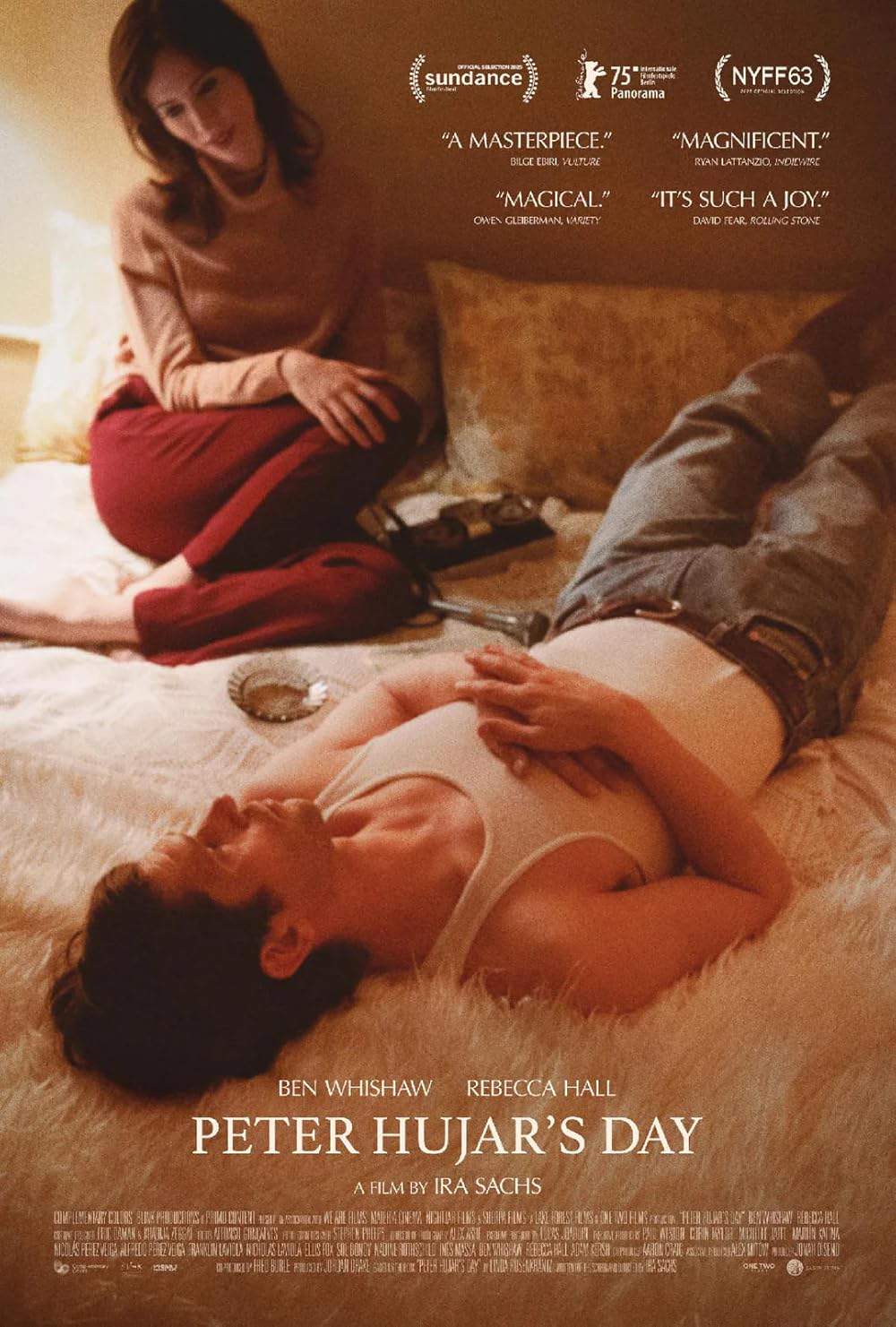
A conversation from 1974 between photographer Peter Hujar and his friend Linda Rosenkrantz offers a revealing look into New York City’s vibrant downtown art scene. The rediscovered dialogue explores the personal challenges and moments of insight that shaped Hujar’s artistic journey and the lives of those around him.

Does Peter Hujar’s Day have end credit scenes?
No!
Peter Hujar’s Day does not have end credit scenes. You can leave when the credits roll.
Where to Watch Peter Hujar’s Day
See current US streaming, rental, and purchase options for Peter Hujar’s Day (2025) via JustWatch.








Meet the Full Cast and Actors of Peter Hujar’s Day
Explore the complete cast of Peter Hujar’s Day, including both lead and supporting actors. Learn who plays each character, discover their past roles and achievements, and find out what makes this ensemble cast stand out in the world of film and television.
External Links and Streaming Options
Discover where to watch Peter Hujar’s Day online, including streaming platforms, rental options, and official sources. Compare reviews, ratings, and in-depth movie information across sites like IMDb, TMDb, Wikipedia or Rotten Tomatoes.





Ratings and Reviews for Peter Hujar’s Day
See how Peter Hujar’s Day is rated across major platforms like IMDb, Metacritic, and TMDb. Compare audience scores and critic reviews to understand where Peter Hujar’s Day stands among top-rated movies in its genre.

The Movie Echo Score
Peter Hajar’s Day offers a measured portrait of an artist’s ordinary world, emphasizing subtle observation over narrative drive. Critics note the film’s restraint in direction, the nuanced performances that convey intimacy, and the atmospheric visual composition that captures daily moments. The cumulative effect is a quietly persuasive piece that rewards attentive viewing, though its deliberate pacing may limit broader appeal. Overall, the work stands as a competent, thoughtfully crafted meditation on friendship and artistic routine.
The Movie Echo Score Breakdown for Peter Hujar’s Day

Art & Craft
ART: The direction maintains a restrained tone, allowing everyday details to unfold without overt stylization. Cinematography leverages natural lighting, especially in the closing sunset, to accentuate the scene’s texture. Production design remains understated, supporting the film’s focus on mundane environments, resulting in a cohesive visual approach.

Character & Emotion
CHARACTER: Performances by Ben Whishaw and Hall are consistently restrained, conveying intimacy through measured dialogue. Their chemistry feels authentic, reflecting the nuanced friendship at the film’s core. While the script offers limited emotional extremes, the subtlety of the portrayals sustains audience engagement, rendering the characters credible within the slice‑of‑life framework.

Story & Flow
STORY: The narrative unfolds as a series of conversations, prioritizing moment‑by‑moment realism over conventional plot structure. Pacing is deliberately measured, inviting contemplation of ordinary interactions. Though the storyline lacks dramatic spikes, its originality lies in treating mundane dialogue as the central vehicle for thematic exploration.

Sensory Experience
SENSORY: Sound design remains unobtrusive, allowing ambient noise to enhance the film’s realism. The score subtly underpins scenes without drawing attention. Visual composition, highlighted by the final sunset, employs restrained color palettes that echo the film’s contemplative mood, creating a cohesive sensory environment.

Rewatch Factor
REWATCH: The film’s layered observation rewards multiple viewings, as subtle details become clearer upon repeated exposure. Its quiet pacing and understated performances promote a reflective viewing experience rather than immediate gratification. Consequently, audiences inclined toward contemplative cinema are likely to return for further insight.


%
TOMATOMETER

0%
User Score

6.2 /10
IMDb Rating

56
%
User Score
Awards & Nominations for Peter Hujar’s Day
Discover all the awards and nominations received by Peter Hujar’s Day, from Oscars to film festival honors. Learn how Peter Hujar’s Day and its cast and crew have been recognized by critics and the industry alike.
Best Feature

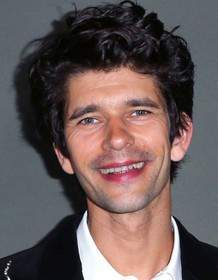

Best Cinematography
Full Plot Summary and Ending Explained for Peter Hujar’s Day
Read the complete plot summary of Peter Hujar’s Day, including all major events, twists, and the full ending explained in detail. Explore key characters, themes, hidden meanings, and everything you need to understand the story from beginning to end.
On December 19, 1974, photographer Peter Hujar visits the SoHo apartment of writer Linda Rosenkrantz to participate in an interview for her book project that aims to document ordinary days in the lives of artists. The setting is intimate and unassuming: they sit on a couch, a cigarette in hand, while Linda records and occasionally interrupts to ask questions, clarify details, and coax Peter to recall even the most seemingly insignificant moments. What follows is a meticulous, almost forensic, day-in-the-life recounting that unfolds in real time as the camera and tape keep rolling.
Peter begins by recounting how he slept through his 8:30 a.m. alarm and was roused by a call from Jacqueline de Mornay, an Elle editor, who was on her way to collect his photographs of model Lauren Hutton. While waiting for her arrival, he fielded a call from Susan Sontag, who asked for directions to his gallery exhibition before leaving for Paris. Linda’s prompting leads Peter to admit that he had lied to Sontag to cover up an earlier name-drop involving a gallery representative. When Jacqueline arrives, she compliments his work but cannot say how much he will be paid, which leaves him feeling uneasy as she departs with the prints. He then tries to determine the money he is owed, taking calls from neighbor Bob Mony and artist Ed Baynard, and vents about Ed’s lengthy conversation before finally returning to bed for another hour.
After waking again, he buys cigarettes, dials poet Allen Ginsberg to arrange a portrait session for The New York Times, and heads to the Lower East Side to meet the poet. At Ginsberg’s apartment, he encounters Peter Orlovsky and several visitors while Ginsberg finishes calls and prepares to leave. Their initial exchange is awkward; Ginsberg resists the assignment, insisting on an outdoor shoot rather than the conventional studio portrait. He then leads Peter through the neighborhood, posing among abandoned buildings and inside the burned-out remains of the former Peace Eye Book Store while chanting and meditating. Peter explains that he is not representing a corporate newspaper agenda and that this is his first Times assignment; gradually, Ginsberg softens and agrees to continue the session inside the apartment. They make a stop at a vegetable stand on the way back, where Ginsberg buys persimmons, and they resume the portraits. Their conversation touches on William S. Burroughs, whom Peter is scheduled to photograph the following day, and they part on friendly terms. Yet afterwards, Peter confesses to Linda that he feels a disconnect with Ginsberg and believes the photographs do not quite function as true portraits.
Back at his own apartment, Peter eats a simple meal and spends the evening developing film in the darkroom. He tries to avoid social calls by telling a caller a lie, and Linda phones again to remind him to write down everything he did that day. He dutifully notes the events before returning to the darkroom to finish the negatives, taking calls from Glenn O’Brien, Vince Aletti, and later Fran Lebowitz. The interview continues as the two move around the space—preparing tea, smoking, listening to records, and even sharing a brief, improvised dance—while the tape continues to capture the flow of memory and reflection.
The day’s social visits unfold in turn: Vince comes by because the apartment has no hot water, and they share Chinese takeout while musing over the Ginsberg session and Peter’s sense that he spends his days working without achieving much of lasting consequence. Glenn stops briefly to pick up photographic negatives before leaving. After their guests depart, Peter spends the rest of the night printing photographs for a restaurant commission and preparing prints for clients. He initially feels disappointed by the Ginsberg contact sheets, but his perspective shifts as he begins to see their value and question the idea that his work should depend on the fame of his subjects. The process is taxing, intensified by his failing eyesight as he retouches prints, and it prompts a candid meditation on aging, physical decline, and the death of a fellow photographer.
As the day stretches into night, Peter and Linda discuss the tension between ambition and independent work, weighing the desire for lasting images that stand on their own against the pull of who they photograph. He finishes preparing prints for the following day, plays a Bach piece on a harpsichord to unwind, brushes his teeth, and lies down exhausted from work and heavy smoking. Linda chides him for smoking, and he confesses a wish to quit. Just as sleep begins, the city outside delivers its final, incongruous notes: sex workers outside his building and a woman applying makeup in the reflection of a parked detention-centre truck punctuate the quiet before rest. He reconstructs every significant and trivial moment of the day in his mind, and after a long exhale, he and Linda look out at the river, bringing the intimate interview to a contemplative close.

Coming soon on iOS and Android
The Plot Explained Mobile App
From blockbusters to hidden gems — dive into movie stories anytime, anywhere. Save your favorites, discover plots faster, and never miss a twist again.
Sign up to be the first to know when we launch. Your email stays private — always.
Explore the mobile appWatch Trailers, Clips & Behind-the-Scenes for Peter Hujar’s Day
Watch official trailers, exclusive clips, cast interviews, and behind-the-scenes footage from Peter Hujar’s Day. Dive deeper into the making of the film, its standout moments, and key production insights.
Peter Hujar’s Day Themes and Keywords
Discover the central themes, ideas, and keywords that define the movie’s story, tone, and message. Analyze the film’s deeper meanings, genre influences, and recurring concepts.

Unlock the World of Movies with Our Comprehensive Wiki
Dive into our Movie Wiki for in-depth film encyclopedia entries, including cast biographies, production trivia, plot synopses, behind-the-scenes facts, and thematic analyses. Whether you’re researching iconic directors, exploring genre histories, or discovering hidden easter eggs, our expertly curated movie database has everything you need to fuel your cinematic passion.

Similar Movies To Peter Hujar’s Day You Should Know About
Browse a curated list of movies similar in genre, tone, characters, or story structure. Discover new titles like the one you're watching, perfect for fans of related plots, vibes, or cinematic styles.






Quick Links: Summary, Cast, Ratings, More

What's After the Movie?
Not sure whether to stay after the credits? Find out!
Check out our other apps:

SAT Sphere
Build confidence for the Digital SAT.

Mori Atlas
Discover wild places worth protecting.

Luntero
Search smarter for a home in Amsterdam.

Plot Explained
Unravel movie endings and hidden clues.

Pokechamp
Dive into Pokémon data and battle logic.

Driving Theory
Get ready for your European theory test.

Movie Dust
Plan your next cinema trip with ease.

Musemap
Find art and culture as you travel.

Selkobase
Compare credentials before committing.

Local Manual
Turn an unfamiliar country into practical next steps.

Lernavi
Compare school systems before your next move.

GymRoam
Find a workout stop wherever your plans take you.
Explore Our Movie Platform
New Movie Releases (2026)
Famous Movie Actors
Top Film Production Studios
Movie Plot Summaries & Endings
Major Movie Awards & Winners
Best Concert Films & Music Documentaries
Movie Collections and Curated Lists
© 2026 What's After the Movie. All rights reserved.
Privacy Policy