
Origin (2023): Cast, Ratings, Box Office & Where to Watch
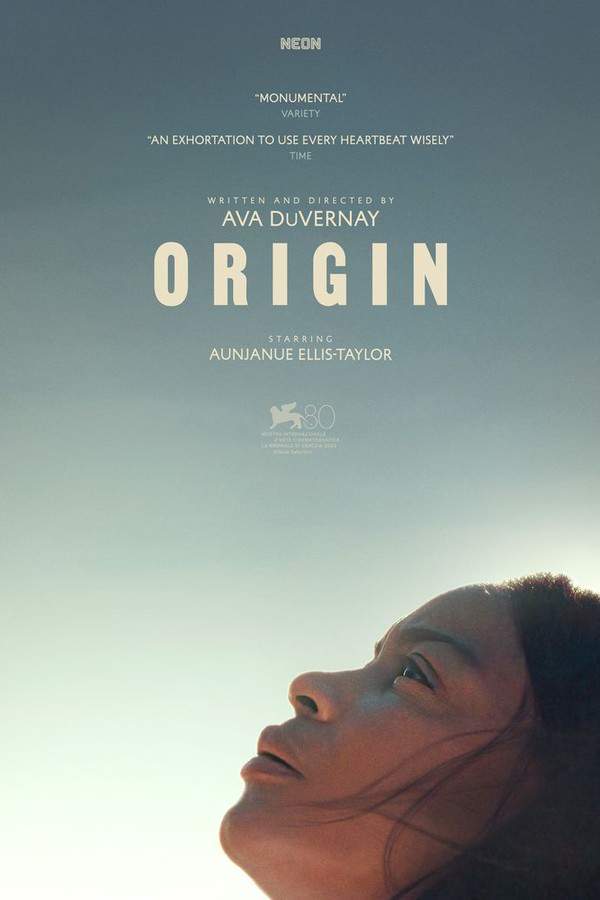
Origin is a 2023 historical drama directed by Ava DuVernay, starring Aunjanue Ellis-Taylor as Isabel Wilkerson, Myles Frost and Cristin König. It is based on Caste: The Origins of Our Discontents by Isabel Wilkerson. It runs 2 hours 15 minutes and earned $4.8 million worldwide on a $38 million budget. Critics gave it 82% on Rotten Tomatoes and 75 on Metacritic, and IMDb users rate it 7.2/10. Stream it on Kanopy.
- Released
- Runtime
- 2h 15m (135 min)
- Director
- Ava DuVernay
- Original language
-
 English
 - Studio
- ARRAY Filmworks
- Budget
- $38M
- After the credits
- No No extra scene
What Is Origin About?
The premise of Origin without spoilers, adapted from Caste: The Origins of Our Discontents by Isabel Wilkerson. The whole story and the ending explained are in the plot summary further down.
Following a profound personal loss, Isabel begins a journey to uncover the truth, researching historical events to create a significant work that challenges and redefines American identity. Through her dedication and passion, she produces a powerful masterpiece that expands the limits of human understanding.
Origin Themes & Keywords
· 50 tags- caste system
- female writer
- interracial relationship
- reference to random house
- germany
- india
- asian indian
- book burning
- dalit
- african american
- black american
- segregation
+38 more Show fewer
- untouchable
- little league baseball
- interracial marriage
- isabel wilkerson character
- title directed by female
- white male black female relationship
- class system
- lynching
- social control
- social division
- nazi germany
- death of mother
- racism
- united states of america
- nazi
- trayvon martin character
- plumber
- make america great again
- society
- street market
- husband wife relationship
- mother daughter relationship
- cousin cousin relationship
- death of husband
- humanism
- swimming pool
- flashback
- flash forward
- jew
- voice over narration
- joseph goebbels character
- library
- social conditioning
- varna
- social conscience
- culture
- social anthropology
- social stratification
Where to Watch Origin
Stream it on Kanopy. US availability and prices from JustWatch.
Stream 1
 Kanopy
 Streaming availability in the US, powered by 
Origin Cast & Characters
Aunjanue Ellis-Taylor leads the cast as Isabel Wilkerson, with Myles Frost as Trayvon Martin and Cristin König as Nazi Librarian. Directed by Ava DuVernay; 20 actors are credited in all.
-
 Director Ava DuVernay
- Aunjanue Ellis-Taylor as Isabel Wilkerson
- Myles Frost as Trayvon Martin
- Cristin König as Nazi Librarian
-
 Jon Bernthal as Brett Hamilton
Also Starring in Origin
· 16 more- Emily Yancy Ruby Wilkerson
- Niecy Nash Marion Wilkerson
- Jasmine Cephas Jones Elizabeth Davis
- Isha Blaaker Allison Davis
- Nick Offerman Dave the Plumber
- Blair Underwood Amari Selvan
- Donna Mills Mrs. Copeland
- Connie Nielsen Sabine
- Vera Farmiga Kate
- Audra McDonald Miss Hale
- Finn Wittrock August Landmesser
- Victoria Pedretti Irma Eckler
- Stephanie March Binky
- Mike Topoozian Sales Executive
- Suraj Yengde Suraj Yengde, Ph.D.
- Jordan Lloyd
Origin Reviews & Ratings
Critics gave Origin 82% on Rotten Tomatoes and 75 on Metacritic, and IMDb users rate it 7.2/10. Our Echo Score gives it 80/100, strongest in character & emotion (85) and weakest in story & flow (70).
Origin Echo Score Breakdown
Origin excels in its intellectual ambition and emotive lead performance despite occasional narrative unevenness. The film’s assured direction delivers a sweeping visual odyssey that underscores its thematic weight. Aunjanue Ellis-Taylor’s magnetic presence infuses the drama with dignity, while the blend of documentary and personal storytelling offers sustained engagement. Though its hybrid structure can feel fragmented at times, the overall experience remains thought-provoking and resonant.
Our own 0–100 rating, built from five aspects: art, character, story, the sensory experience and how well a film rewatches.
- Art & Craft 80
In terms of art and craft, Origin offers a confident directorial vision punctuated by expansive visual compositions. The production design effectively transports viewers between academic settings and historical locales in Germany and India. While the editing occasionally contributes to a sense of structural clutter, the cinematography and overall visual cohesion maintain an engaging spectacle. Overall, the craft work consistently reinforces the film’s thematic goals.
- Character & Emotion 85
When it comes to character and emotion, the film is anchored by a nuanced central performance that conveys both intellectual rigor and personal vulnerability. Supporting roles contribute meaningful texture without overshadowing the protagonist’s journey. Emotional stakes are elevated by measured scenes of personal loss and academic discovery. The result is a character-driven narrative that consistently resonates on an intimate level.
- Story & Flow 70
In terms of story and flow, Origin ambitiously intertwines documentary elements with dramatized sequences to explore complex ideas. The narrative introduces compelling themes of caste and societal hierarchy, but the convergence of multiple threads can at times feel disjointed. Pacing fluctuates between brisk academic exposition and slower personal moments. Despite these structural tensions, the plot retains original insights and sustained intellectual engagement.
- Sensory Experience 75
Regarding sensory experience, the film employs an understated sound design and a contemplative musical score to support its educational thrust. Visual style leans toward naturalistic lighting and measured color palettes, accentuating both historical recreations and present-day explorations. While the sensory elements never overwhelm, they consistently uphold the film’s reflective tone. Overall, the audiovisual approach enhances thematic clarity.
- Rewatch Factor 80
With respect to rewatch value, Origin’s rich thematic layers reward repeat viewings aimed at unpacking its nuanced ideas. The interplay between personal narrative and broader social commentary invites reconsideration of key scenes. Although the hybrid structure may feel more seamless on subsequent passes, the enduring appeal lies in its thought-provoking concepts. Ultimately, the film’s lasting intellectual resonance motivates multiple viewings.
-
 IMDb
IMDb 7.2 /10
8293 votes
See on IMDb -
 Rotten Tomatoes
 82% Tomatometer
Popcornmeter 97%
See on Rotten Tomatoes -
 Metacritic
 75 Metascore
User score 7.3
See on Metacritic -
 TMDB
TMDB 61% User score
See on TMDB -
 Letterboxd
 3.5 /5
24027 ratings
See on Letterboxd
Origin Plot Summary & Ending Explained
What happens in Origin from start to finish, spoilers included, with a timeline of 12 key events and the ending explained. The opening is below; the full summary is a 4-minute read.
Spoilers ahead
Grappling with tremendous personal tragedy, writer Isabel Wilkerson Aunjanue Ellis-Taylor sets herself on a path of global investigation and discovery as she writes Caste: The Origins of Our Discontents. The film uses Wilkerson’s scholarly drive to thread together big questions about how people are sorted into hierarchies, insisting that prejudice is not limited to race alone but is deeply shaped by the idea of caste that orders society from birth to death.
Full summary
The whole story of Origin, scene by scene, with the ending explained
Origin Box Office & Budget
Origin grossed $4.8 million worldwide on a $38 million budget, 13% of what it cost. $4.7 million came from the US and Canada and $147,361 (3%) from the rest of the world.
Worldwide gross
$4.8M
13% of its budget back
- US & Canada
- $4.7M
- International
- $147.4K
- Budget
- $38M
Origin Trailers & Videos
9 videos: 2 trailers, 2 teasers, 4 featurettes and 1 behind-the-scenes video.
- Trailer Official Trailer
- Teaser Acclaim 30"
- Teaser Thrilling 30"
- Featurette ORIGIN at TIFF 2023 Q&A with Ava DuVernay
How Well Do You Know Origin?
10 questions about the story, each with a hint if you get stuck. Pick an answer to see whether you were right.
Question 1 of 10
- Question 1: not answered
- Question 2: not answered
- Question 3: not answered
- Question 4: not answered
- Question 5: not answered
- Question 6: not answered
- Question 7: not answered
- Question 8: not answered
- Question 9: not answered
- Question 10: not answered
Who is the writer protagonist who embarks on a global investigation in the film?
Origin Also Known As
9 alternative titles, including “Caste” and “Origin - Desigualdade e Preconceito”.
- Also known as
-
- Caste
- Origin - Desigualdade e Preconceito
- 오리진
- 起源
- Истоки
- 美國不平等的起源
- Származás
- Kilmė
- Origem
Seen Origin?
Movies Like Origin
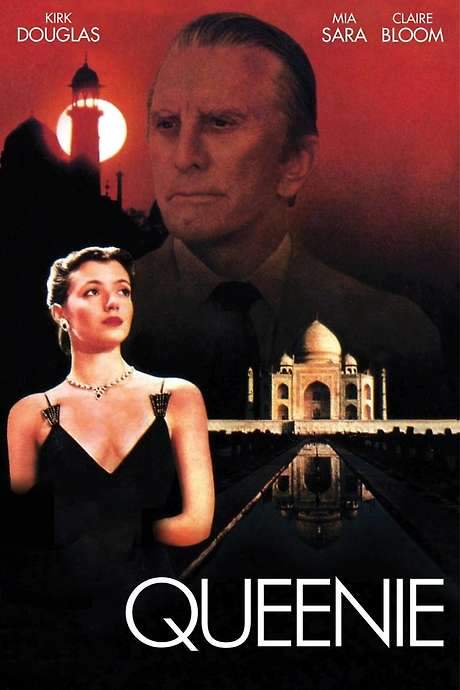
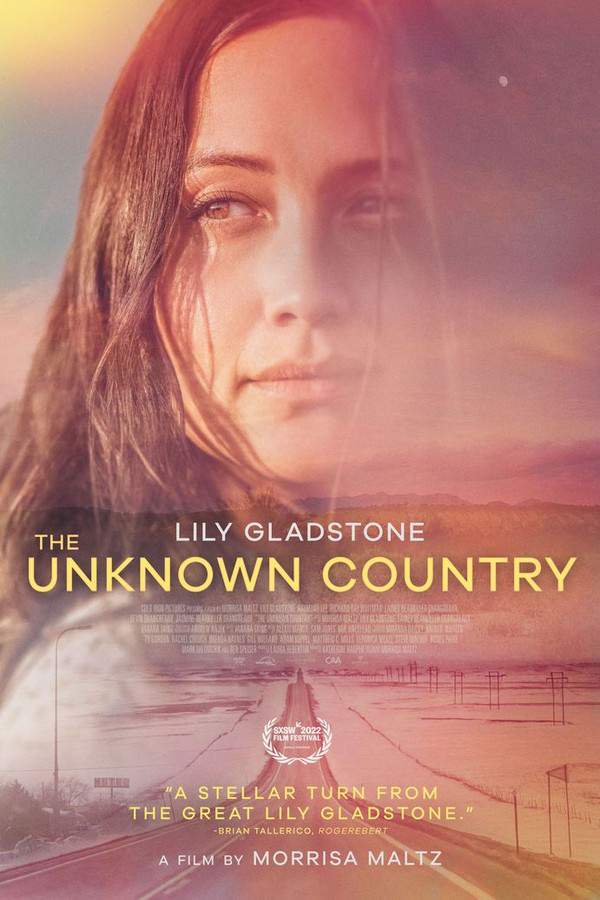
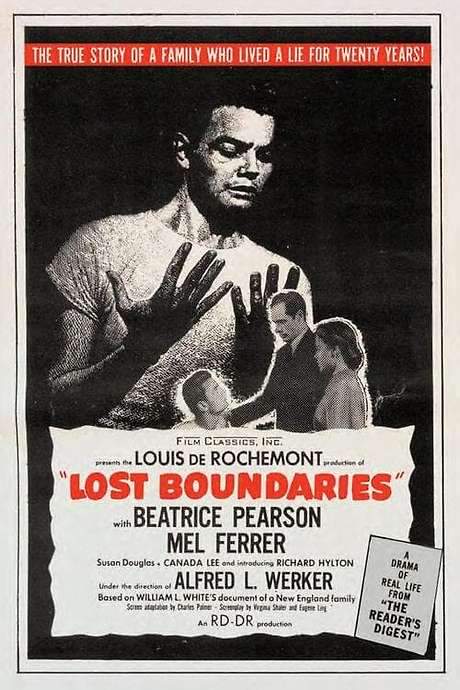
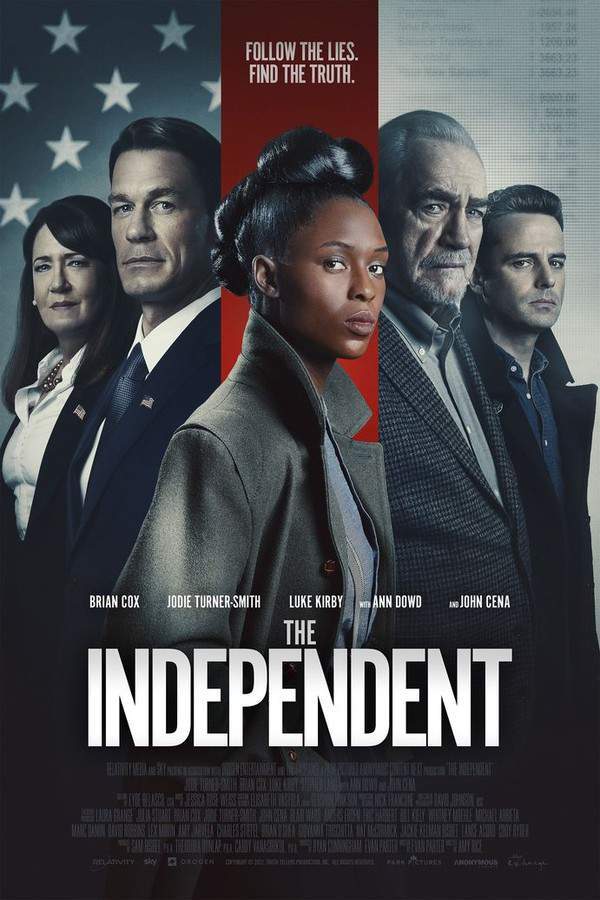
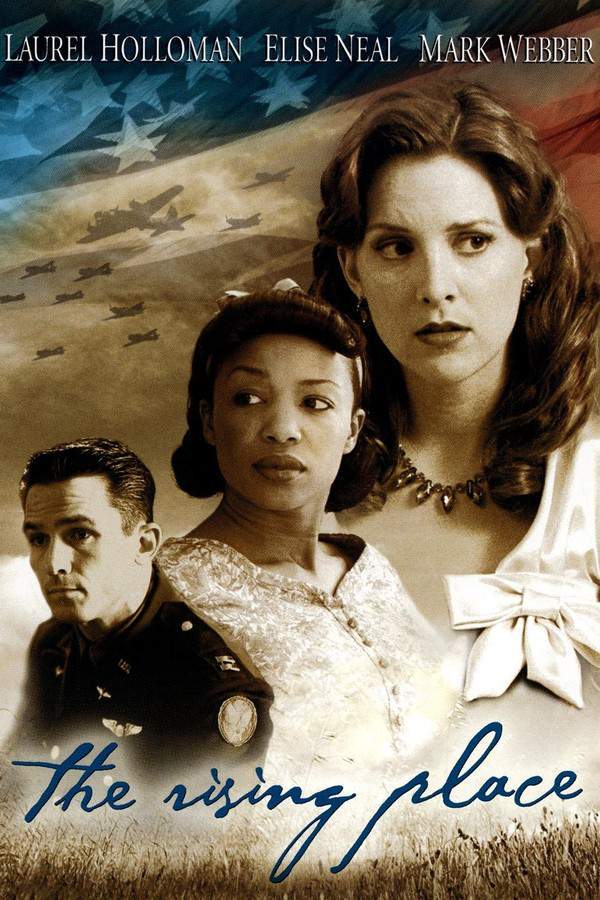
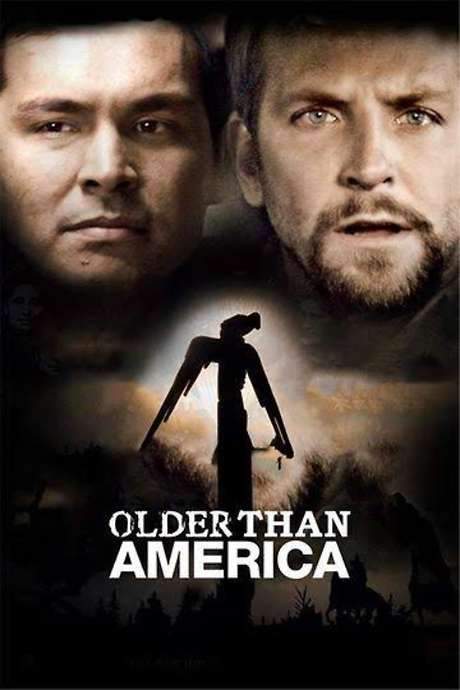
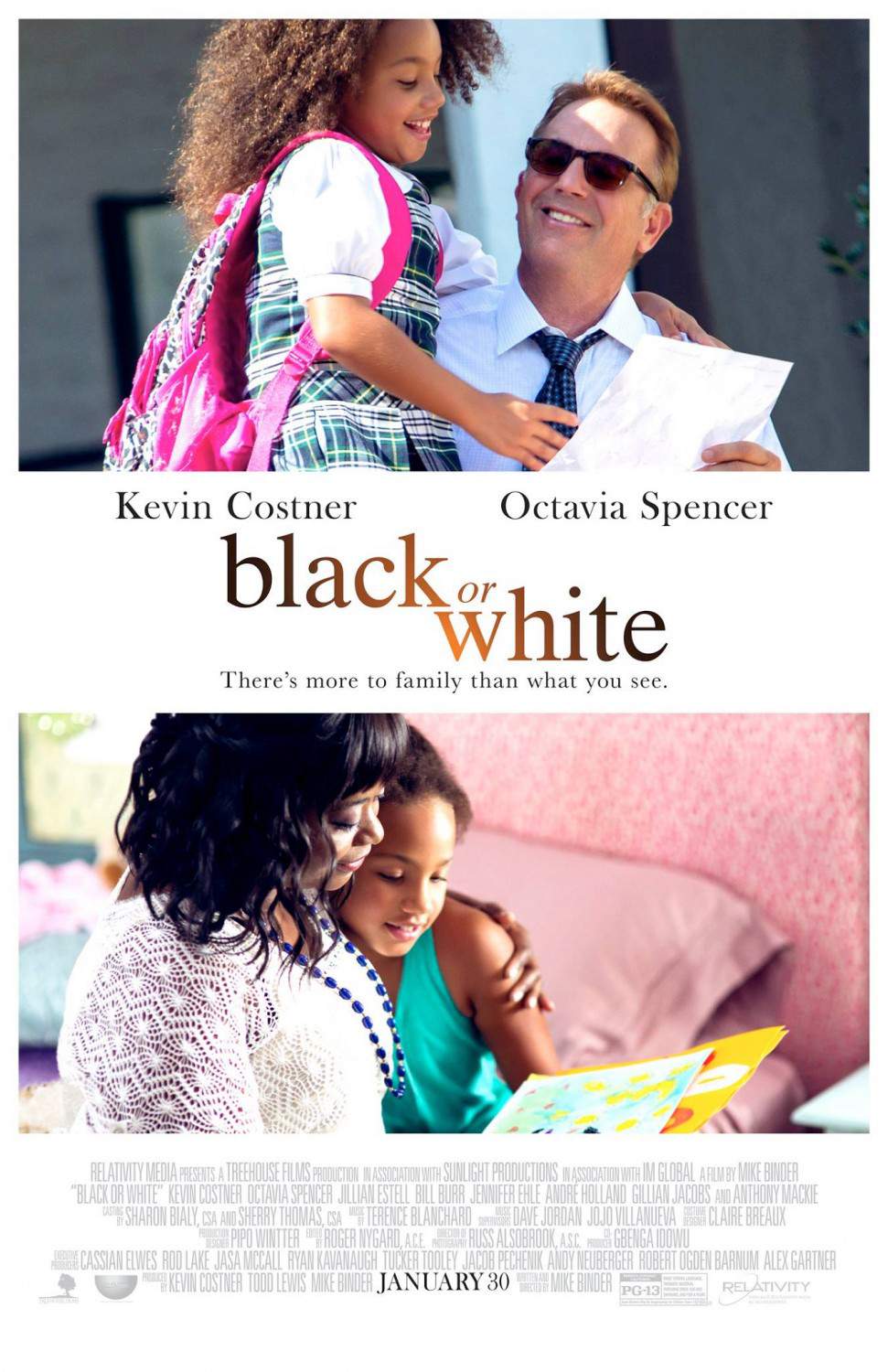
Films with a similar story, tone or audience, including Queenie, The Unknown Country and Lost Boundaries.





Origin FAQ: Where to Watch, Cast & Box Office
Runtime, release date, director, cast, where to watch, box office, ratings and the book behind it of Origin, each answered in a sentence.
How long is Origin?
Origin runs 2 hours 15 minutes (135 minutes).
When was Origin released?
Origin was released on December 8, 2023.
Who directed Origin?
Origin was directed by Ava DuVernay.
More films by Ava DuVernay Who is in the cast of Origin?
Origin stars Aunjanue Ellis-Taylor as Isabel Wilkerson, Myles Frost as Trayvon Martin and Cristin König as Nazi Librarian, among 20 credited actors.
Where can I watch Origin?
In the US, Origin is streaming on Kanopy (availability from JustWatch).
How much did Origin make at the box office?
Origin grossed $4.8 million worldwide ($4.7 million domestic, $147,361 international) on a budget of $38 million.
How is Origin rated?
Origin has 7.2/10 on IMDb, 82% on Rotten Tomatoes, 75 on Metacritic and 61% on TMDB.
Is Origin based on a book?
Yes. Origin is adapted from Caste: The Origins of Our Discontents by Isabel Wilkerson.
Coming soon to your phone
The Plot Explained Movie Summary App
From blockbusters to hidden gems: plot summaries, endings explained and timelines on your phone. Save your favorites and never miss a twist again.
Be the first to know when it launches. Your email stays private, always. Learn more about the app
