Open Your Eyes 1997



A very handsome man finds the love of his life, but he suffers an accident and needs to have his face rebuilt by surgery after it is severely disfigured.


Does Open Your Eyes have end credit scenes?
No!
Open Your Eyes does not have end credit scenes. You can leave when the credits roll.
Where to Watch Open Your Eyes
See current US streaming, rental, and purchase options for Open Your Eyes (1997) via JustWatch.

Amazon Prime Video
HD
Amazon Prime Video with Ads
HD
BFI Player Amazon Channel
HD
Criterion Channel
HD
HBO Max
HD
HBO Max Amazon Channel
HD
Lionsgate+ Amazon Channels
HD
Kanopy
HD
Amazon Prime Video Free with Ads
HD
Plex
HD
Plex Channel
HD
Tubi TV
SD
VIX
HDStreaming availability powered by 
Meet the Full Cast and Actors of Open Your Eyes
Explore the complete cast of Open Your Eyes, including both lead and supporting actors. Learn who plays each character, discover their past roles and achievements, and find out what makes this ensemble cast stand out in the world of film and television.
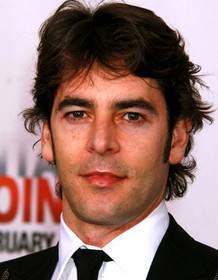
Eduardo Noriega
César

Penélope Cruz
Sofía

José Ángel Egido
Policía

Najwa Nimri
Nuria
Pedro Miguel Martínez
Médico Jefe
Fele Martínez
Pelayo
Tristán Ulloa
Camarero
Pepe Navarro
Presentador T.V.
Jorge de Juan
Encargado L.E.
Fanny Gautier
Secretaria
Chete Lera
Antonio
Luis García
Guardia jurado 1
Ion Gabella
Recluso paranoico
Gérard Barray
Duvernois
Walter Prieto
Médico 2
Joserra Cadiñanos
Guardia
Miguel Palenzuela
Comisario
Jaro
Médico 1
Carola Angulo
Médico 3
Javier Martín
Guardia jurado 2
Ricardo Cruz
Conductor
Raúl Otegui
Chico servicios
External Links and Streaming Options
Discover where to watch Open Your Eyes online, including streaming platforms, rental options, and official sources. Compare reviews, ratings, and in-depth movie information across sites like IMDb, TMDb, Wikipedia or Rotten Tomatoes.






Take the Ultimate Open Your Eyes Movie Quiz
Challenge your knowledge of Open Your Eyes with this fun and interactive movie quiz. Test yourself on key plot points, iconic characters, hidden details, and memorable moments to see how well you really know the film.
Open Your Eyes (1997) Quiz: Test your knowledge of the plot, characters, and twists in the psychological thriller Open Your Eyes.
Which actor portrays the protagonist César?
Full Plot Summary and Ending Explained for Open Your Eyes
Read the complete plot summary of Open Your Eyes, including all major events, twists, and the full ending explained in detail. Explore key characters, themes, hidden meanings, and everything you need to understand the story from beginning to end.
César, Eduardo Noriega, is a handsome young man whose day begins with a disorienting voice commanding him to open his eyes. He drives through an eerily empty city and then wakes again to find a woman in his bed. The line between reality and fantasy blurs as he begs her not to leave messages on his alarm clock, a small and telling detail that hints at the fragility of his grasp on the present. What follows is a vertiginous narrative that keeps the viewer shifting between memory, illusion, and the creeping dread of what may be hiding behind the face he presents to the world.
At a birthday gathering that doubles as a social arena where desire and danger mingle, César catches the eye of Sofía, Penélope Cruz, a magnetic presence who becomes the focal point of his attention. He flirts with her during the evening, and though the moment seems light, it quickly grows complicated. Sofía is not just a passing crush; she is entangled with César’s best friend Pelayo, Fele Martínez, who accompanies her as a date. The party atmosphere, infused with flirtation and risk, foreshadows the troubling entanglements to come. When César takes Sofía home that night, their connection seems intimate but incomplete, and they do not sleep together. The next morning, however, the morning-after mood unsettles César: an ex-lover, Nuria, Najwa Nimri, appears with an offer of a ride and, quite perversely, of sex. The encounter drives the plot into a dangerous terrain where desire and danger fuse.
The tension escalates dramatically when Nuria orchestrates a car ride that ends in a crash, seemingly with the intention to kill both César and Sofía. César survives, but the accident leaves him horribly disfigured, his face altered beyond any possibility of cosmetic repair. The drastic change forces him to cover his face with a mask, and Sofía recoils from the sight of him. The transformation fractures their relationship, and Sofía withdraws emotionally, unable to bear the sight of César’s new visage. The disfigurement becomes a defining afterimage that haunts César and redefines his sense of self.
As César struggles to navigate this new reality, he experiences a cascade of disorienting episodes. One night, while intoxicated, he falls asleep on the street and awakens into a chaining of memories and deceptions: Sofía abruptly claims to love him, yet his appearance has changed again, as if reality itself were being rewritten. The surgeons heal his face, restoring the look that once made him desirable, and for a moment it seems that normal life might resume. But the dreamlike logic persists: during an intimate moment with Sofía, she abruptly shifts into Nuria. The revelation shatters César, who reacts with a desperate act of murder, smothering Sofía with a pillow. To everyone around them, the dead woman is Sofía, while César is blamed for Nuria’s murder, leaving him imprisoned and isolated within a system that refuses to see his truth.
Within the confines of his prison cell, fragments of his past begin to return in lucid, dreamlike spurts. It becomes clear that César’s life has already been complicated by a secret contract with Life Extension, a company specializing in cryonics. The agreement promises preservation and the chance to relive experiences through intensely realistic virtual dreams. Returning to Life Extension’s facility under the watchful eyes of prison guards, César learns that the company’s concept of “artificial perception” involves constructing a past-based fantasy for clients who are effectively reborn in a future world. The revelation reframes his entire life, suggesting that the memories he has been living are manufactured, spliced into his timeline, and substituting for the truth of his earlier days. The man who woke up in a street and who described his love for Sofía may not have been living his real life at all.
The narrative then pivots to a startling temporal jolt: the era César awakens into is not the present, but a future roughly 150 years ahead. The man who believed he was waking into his real life discovers that his experiences since the drunken night in the street are, in fact, a prearranged dream. The Life Extension representative, Duvernois, Gérard Barray, explains that César’s memories have been retroactively inserted to create a seamless but illusory identity. The future world is meticulously engineered, and César’s yearning for authentic connection—his longing to wake up to a life that makes sense—turns into a question about the value and reliability of memory itself. The dream is not a mere flashback but a deliberate reconstruction of his existence.
In this new frame, César confronted with the possibility that his entire lifetime since the night on the street has been a manufactured experience. The question becomes whether waking up to “reality” means embracing a painful but true past, or continuing to live within a carefully crafted illusion. The film builds toward a stark, audacious finale: César chooses to end the dream by choosing to die, leaping from the roof of Life Extension’s sleek headquarters in a final, fatal act intended to awaken him to a different, possibly more genuine reality. The screen cuts to black, and a voice—soft and intimate—tells him to open his eyes, leaving the ending deliberately ambiguous and open to interpretation about the nature of consciousness, memory, and the human need for authentic experience.
Throughout this hypnotic, noir-tinged journey, the performances anchor the shifting terrains of identity and perception. The film dives into questions about how beauty, love, and trauma can distort memory and how technological interventions might blur the line between recollection and fabrication. The romance between César and Sofía remains a central emotional thread, even as Nuria’s appearance, Pelayo’s presence, and the unseen hands of corporate power complicate the ethical landscape of memory and autonomy. The script’s careful deconstruction of time, memory, and desire invites viewers to interrogate not only what they remember, but how they remember it, and what they would be willing to sacrifice to reclaim a life that feels truly their own.
Key performances thread through the narrative with a quiet intensity: César’s journey from confident charm to disfigured vulnerability, Sofía’s magnetism and evasive vulnerability, Nuria’s dangerous allure, Pelayo’s steadfast presence, and Dr. Antonio’s measured, professional veneer as the psychiatrist who becomes a window into César’s fractured psyche. The revelation of Life Extension’s true project reframes the entire experience, casting doubt on the very nature of reality and memory and introducing a provocative meditation on whether a dream or a memory, once implanted, can ever be disentangled from the self.
If you’re drawn to films that blend visual spectacle with philosophical questions about memory, identity, and the ethics of technology, this story offers a bold, immersive experience. The ending’s deliberate ambiguity invites reflection and discussion, encouraging viewers to consider what it means to wake up, and what it means to live a life that may not be real, but still feels achingly personal and true.

Coming soon on iOS and Android
The Plot Explained Mobile App
From blockbusters to hidden gems — dive into movie stories anytime, anywhere. Save your favorites, discover plots faster, and never miss a twist again.
Sign up to be the first to know when we launch. Your email stays private — always.
Explore the mobile appWatch Trailers, Clips & Behind-the-Scenes for Open Your Eyes
Watch official trailers, exclusive clips, cast interviews, and behind-the-scenes footage from Open Your Eyes. Dive deeper into the making of the film, its standout moments, and key production insights.
Open Your Eyes Themes and Keywords
Discover the central themes, ideas, and keywords that define the movie’s story, tone, and message. Analyze the film’s deeper meanings, genre influences, and recurring concepts.
Open Your Eyes Other Names and Titles
Explore the various alternative titles, translations, and other names used for Open Your Eyes across different regions and languages. Understand how the film is marketed and recognized worldwide.
Similar Movies To Open Your Eyes You Should Know About
Browse a curated list of movies similar in genre, tone, characters, or story structure. Discover new titles like the one you're watching, perfect for fans of related plots, vibes, or cinematic styles.
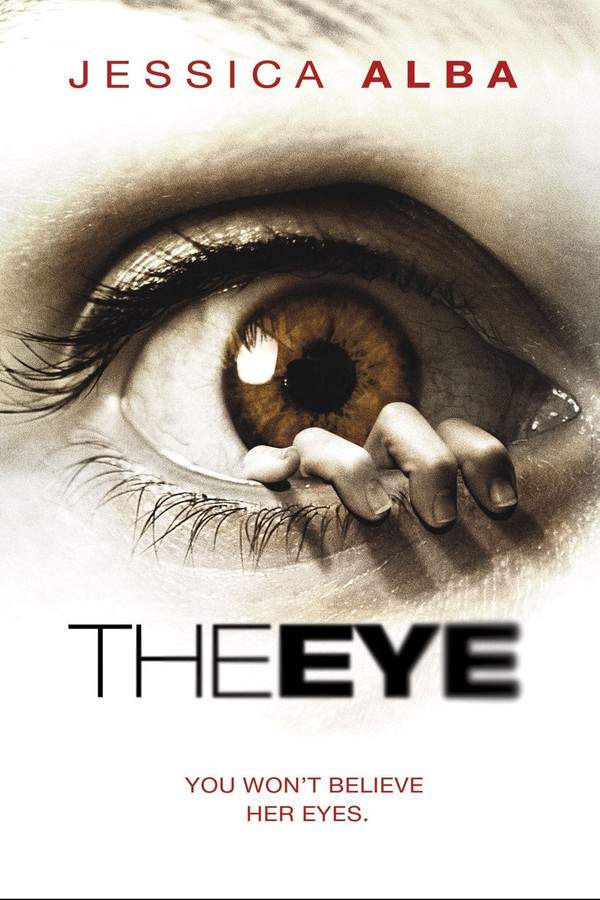
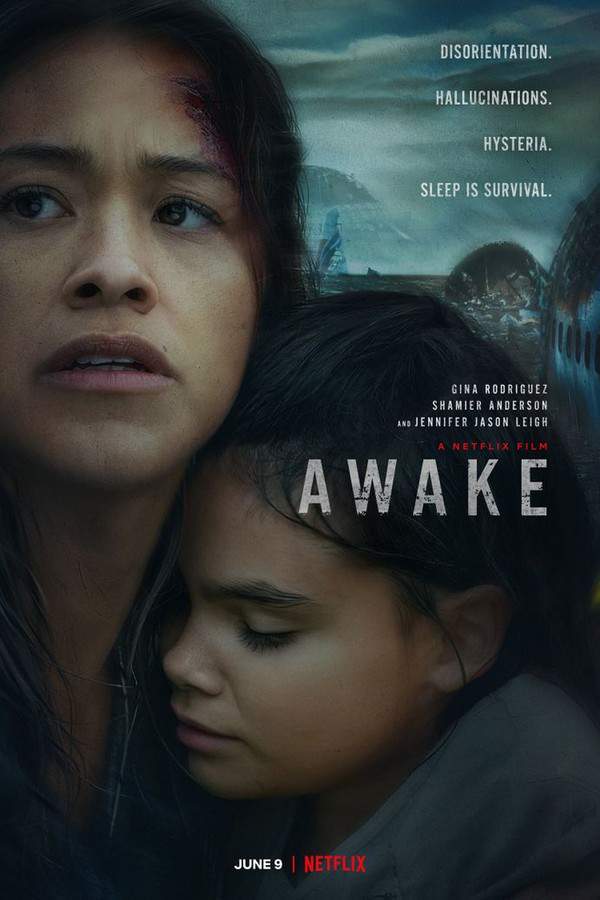
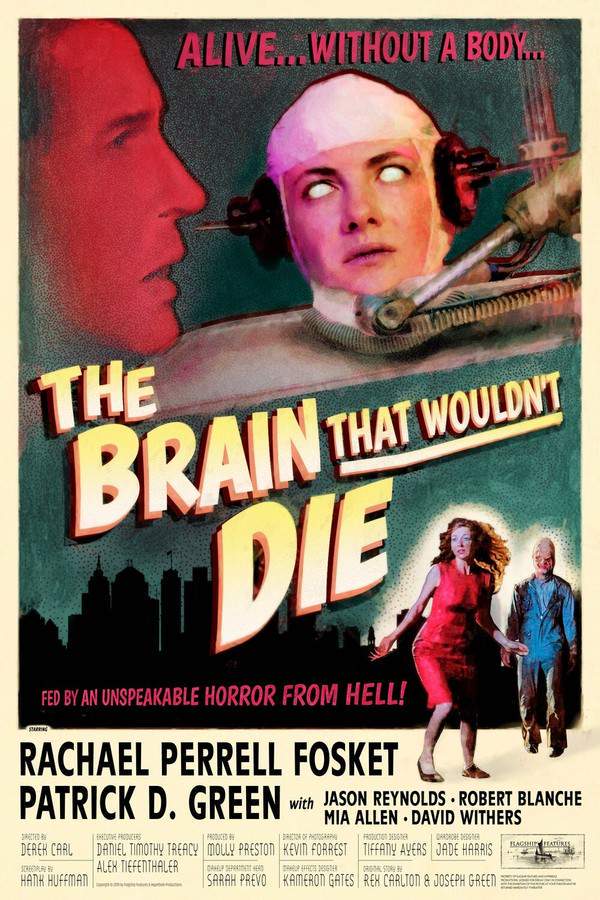




Quick Links: Summary, Cast, Ratings, More

What's After the Movie?
Not sure whether to stay after the credits? Find out!
Check out our other apps:

SAT Sphere
Build confidence for the Digital SAT.

Mori Atlas
Discover wild places worth protecting.

Luntero
Search smarter for a home in Amsterdam.

Plot Explained
Unravel movie endings and hidden clues.

Pokechamp
Dive into Pokémon data and battle logic.

Driving Theory
Get ready for your European theory test.

Movie Dust
Plan your next cinema trip with ease.

Musemap
Find art and culture as you travel.

Selkobase
Compare credentials before committing.

Local Manual
Turn an unfamiliar country into practical next steps.

Lernavi
Compare school systems before your next move.

GymRoam
Find a workout stop wherever your plans take you.
Explore Our Movie Platform
New Movie Releases (2026)
Famous Movie Actors
Top Film Production Studios
Movie Plot Summaries & Endings
Major Movie Awards & Winners
Best Concert Films & Music Documentaries
Movie Collections and Curated Lists
© 2026 What's After the Movie. All rights reserved.
Privacy Policy