Nothing Left to Do But Cry 1984


Two 20th-century friends accidentally stumble into the year 1492, where they meet a charming teen and try to alter history.

Does Nothing Left to Do But Cry have end credit scenes?
No!
Nothing Left to Do But Cry does not have end credit scenes. You can leave when the credits roll.
Where to Watch Nothing Left to Do But Cry
See current US streaming, rental, and purchase options for Nothing Left to Do But Cry (1984) via JustWatch.

Streaming availability powered by 
Meet the Full Cast and Actors of Nothing Left to Do But Cry
Explore the complete cast of Nothing Left to Do But Cry, including both lead and supporting actors. Learn who plays each character, discover their past roles and achievements, and find out what makes this ensemble cast stand out in the world of film and television.
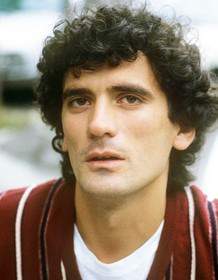
Massimo Troisi
Mario
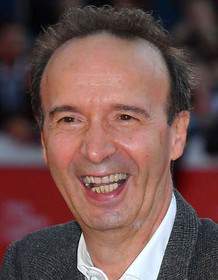
Roberto Benigni
Saverio

Paolo Bonacelli
Leonardo da Vinci
Carlo Monni
Vitellozzo
Peter Boom
predicatore itinerante
Amanda Sandrelli
Pia
Iris Peynado
Astriaha
Ronaldo Bonacchi
Elisabetta Pozzi
la locandiera
Livia Venturini
Parisina
Fiorenzo Serra
uomo in chiesa
Jole Silvani
Loris Bazzocchi
Nicola Morelli
Ugolone
Mario Diano
External Links and Streaming Options
Discover where to watch Nothing Left to Do But Cry online, including streaming platforms, rental options, and official sources. Compare reviews, ratings, and in-depth movie information across sites like IMDb, TMDb, Wikipedia or Letterboxd.




Take the Ultimate Nothing Left to Do But Cry Movie Quiz
Challenge your knowledge of Nothing Left to Do But Cry with this fun and interactive movie quiz. Test yourself on key plot points, iconic characters, hidden details, and memorable moments to see how well you really know the film.
Nothing Left to Do But Cry (1984) Quiz: Test your knowledge of the characters, plot points, and historical references in the 1984 film "Nothing Left to Do But Cry".
Which actor portrays the janitor Mario?
Full Plot Summary and Ending Explained for Nothing Left to Do But Cry
Read the complete plot summary of Nothing Left to Do But Cry, including all major events, twists, and the full ending explained in detail. Explore key characters, themes, hidden meanings, and everything you need to understand the story from beginning to end.
In the sun-kissed hills of Tuscany, a quiet life begins to buckle for two old friends. Mario [Massimo Troisi] works as a janitor, and his companion is Saverio [Roberto Benigni], a teacher who carries more worry than most people. One ordinary day, the pair are stalled at a railway crossing, waiting for a train to pass, and their bond—defined by humor, trust, and shared burdens—is put to the test as they drift onto a road that threads through open fields. Saverio frets about his sister Gabriella, who has fallen into a deep depression after a failed romance with an American boy, and the two friends lean on each other to weather the uncertainty ahead.
When a stretch of rain blurs the evening, they seek shelter and end up in an inn for the night, sharing a room with a stranger who seems to have already claimed part of the place. The next morning, their lighthearted banter is suddenly stilled by tragedy: a guest, momentarily carefree and laughing, is struck down by a spear from outside the window. The scene quickly shifts from a joke to danger as they glimpse figures in dark cloaks on horseback patrolling the ground floor, and an eerie sense of the unknown settles over the inn.
What begins as a terrifying encounter becomes something stranger still: Mario and Saverio realize they have stumbled into a staged, imaginary Renaissance village in the year 1492. A man—somehow both guide and jailer—explains the premise with an unsettling calm, and the two friends must confront the brutal reality of a place where loyalty and violence mingle as freely as the rain. They are taken in by Vitellozzo [Carlo Monni], the brother of a dead man named Remigio, who recounts a family feud with a menacing foe, Giuliano del Capecchio, who is tearing at the village’s fragile peace. In this new world, daily life revolves around a butcher’s shop where mates and strangers alike endure a harsh, almost ritualistic routine of slaughter that forces Mario and Saverio to navigate moral lines they never thought they’d cross.
Within this Renaissance microcosm, the pair encounter a mix of personalities and power plays that test their beliefs and tolerance. Saverio quickly adapts to the rhythms of the village, while Mario remains skeptical about settling into a world so starkly different from the one they know. The two men find themselves drawn to two very different paths: Mario’s cautious curiosity gradually gives way to a personal curiosity of his own, including a budding connection with Pia [Amanda Sandrelli], a young woman from a wealthy family who appears behind the walls of her protected home. Their brief, tender exchanges hint at what life might be like if a door could ever truly open between two worlds.
Meanwhile, Parisina [Livia Venturini], the matriarch of Vitellozzo’s family and the mother of Remigio, adds a layer of complexity to the villagers’ dynamics. She, like many others in this strange enclave, embodies both warmth and danger, shaping events in ways Mario and Saverio can scarcely predict. A sense of doom lingers as Mario and Saverio attempt to make sense of their surroundings, sometimes clashing with the local customs, sometimes slipping into moments of inadvertent camaraderie.
As the plot thickens, Saverio’s restless energy pushes him toward audacious, almost reckless schemes. He urges Mario to imagine a far-fetched mission: to travel to Spain and seek out Christopher Columbus, with the aim of stopping the voyage to the Indies so that a future American romance might never come to be. The motive is personal and obsessive—a desire to rewrite a life that has already begun to intrude upon theirs. In this bizarre quest, Saverio embodies a blend of intellect and impulse that makes his friendship with Mario both essential and precarious, revealing how far two men will go to protect their own choices and the people they care about.
The village’s strange balance is further unsettled when the two travelers, accompanying Vitellozzo or moving through the town on their own terms, cross paths with a striking figure—the Amazon Astriaha [Iris Peynado]—who radiates danger and power. She confronts the travelers with a bold, bewildering threat, firing an arrow at their wagon and reminding them that this is not a place to be trifled with. The encounter underscores how quickly the line between comedy and peril can blur in this peculiar Renaissance world.
Throughout, the film threads together moments of humor, fear, romance, and philosophical musing, inviting viewers to ponder questions about fate, history, and the human urge to rewrite life’s chapters. The tone remains measured and contemplative, even when the events grow more surreal, offering a steady, reflective mood that allows the audience to absorb the absurdities without losing sight of the characters’ core humanity. In the extended version of the tale, additional episodes unfold, deepening the quirks and dangers of the village and enriching the relationships that Mario and Saverio navigate as they attempt to find their way back—or to decide what home truly means in a world that seems to keep shifting beneath their feet.
In the Renaissance village, memories of the real world tug at Mario and Saverio as they encounter famous names, strange powers, and the everyday urgency of survival. They learn to read the village’s signals, to listen for the whispers of those who govern this land, and to balance their own needs with the demands placed on them by an environment that demands more than mere patience. The result is a thoughtful, character-driven journey about friendship under pressure, the pull of romance, and the unsettling lure of histories that seem to bend in the wind.
Note: The cast treated here anchors the story to its specific performers: Mario is brought to life by [Massimo Troisi], Saverio by [Roberto Benigni], Pia by [Amanda Sandrelli], Parisina by [Livia Venturini], Vitellozzo by [Carlo Monni], the Amazon Astriaha by [Iris Peynado], and Leonardo da Vinci appears in the village through [Paolo Bonacelli]. These connections ground the narrative in the performances that shape its tone, while the evolving plot remains faithful to its dual-edged exploration of friendship, fate, and a history that refuses to stay past.

Coming soon on iOS and Android
The Plot Explained Mobile App
From blockbusters to hidden gems — dive into movie stories anytime, anywhere. Save your favorites, discover plots faster, and never miss a twist again.
Sign up to be the first to know when we launch. Your email stays private — always.
Explore the mobile appDiscover Film Music Concerts Near You – Live Orchestras Performing Iconic Movie Soundtracks
Immerse yourself in the magic of cinema with live orchestral performances of your favorite film scores. From sweeping Hollywood blockbusters and animated classics to epic fantasy soundtracks, our curated listings connect you to upcoming film music events worldwide.
Explore concert film screenings paired with full orchestra concerts, read detailed event information, and secure your tickets for unforgettable evenings celebrating legendary composers like John Williams, Hans Zimmer, and more.


Nothing Left to Do But Cry Themes and Keywords
Discover the central themes, ideas, and keywords that define the movie’s story, tone, and message. Analyze the film’s deeper meanings, genre influences, and recurring concepts.
Nothing Left to Do But Cry Other Names and Titles
Explore the various alternative titles, translations, and other names used for Nothing Left to Do But Cry across different regions and languages. Understand how the film is marketed and recognized worldwide.
Similar Movies To Nothing Left to Do But Cry You Should Know About
Browse a curated list of movies similar in genre, tone, characters, or story structure. Discover new titles like the one you're watching, perfect for fans of related plots, vibes, or cinematic styles.


-p3Su0ASt-khmxw.jpg)


Quick Links: Summary, Cast, Ratings, More

What's After the Movie?
Not sure whether to stay after the credits? Find out!
Check out our other apps:

SAT Sphere
Build confidence for the Digital SAT.

Mori Atlas
Discover wild places worth protecting.

Luntero
Search smarter for a home in Amsterdam.

Plot Explained
Unravel movie endings and hidden clues.

Pokechamp
Dive into Pokémon data and battle logic.

Driving Theory
Get ready for your European theory test.

Movie Dust
Plan your next cinema trip with ease.

Musemap
Find art and culture as you travel.

Selkobase
Compare credentials before committing.

Local Manual
Turn an unfamiliar country into practical next steps.

Lernavi
Compare school systems before your next move.

GymRoam
Find a workout stop wherever your plans take you.
Explore Our Movie Platform
New Movie Releases (2026)
Famous Movie Actors
Top Film Production Studios
Movie Plot Summaries & Endings
Major Movie Awards & Winners
Best Concert Films & Music Documentaries
Movie Collections and Curated Lists
© 2026 What's After the Movie. All rights reserved.
Privacy Policy