Natsamrat 2018


The film is the story of an actor who has reached many heights in his career but has to retire from acting at the peak.


Does Natsamrat have end credit scenes?
No!
Natsamrat does not have end credit scenes. You can leave when the credits roll.
Where to Watch Natsamrat
See current US streaming, rental, and purchase options for Natsamrat (2018) via JustWatch.


Streaming availability powered by 
Meet the Full Cast and Actors of Natsamrat
Explore the complete cast of Natsamrat, including both lead and supporting actors. Learn who plays each character, discover their past roles and achievements, and find out what makes this ensemble cast stand out in the world of film and television.

External Links and Streaming Options
Discover where to watch Natsamrat online, including streaming platforms, rental options, and official sources. Compare reviews, ratings, and in-depth movie information across sites like IMDb, TMDb, Wikipedia or Rotten Tomatoes.





Take the Ultimate Natsamrat Movie Quiz
Challenge your knowledge of Natsamrat with this fun and interactive movie quiz. Test yourself on key plot points, iconic characters, hidden details, and memorable moments to see how well you really know the film.
Natsamrat (2018) Quiz: Test your knowledge of the 2018 Marathi film Natsamrat with these 10 questions ranging from easy to challenging.
Who plays the role of Ganpat Ramchandra Belwalkar, also known as Appa, in the film?
Full Plot Summary and Ending Explained for Natsamrat
Read the complete plot summary of Natsamrat, including all major events, twists, and the full ending explained in detail. Explore key characters, themes, hidden meanings, and everything you need to understand the story from beginning to end.
Appa Manoj Joshi is a renowned veteran of the theatre world, whose career has flourished on stages that proudly echo with classics and the enduring spirit of Shakespearean drama. His name becomes a symbol of craft, discipline, and a life spent in the glow of the spotlight. After years of celebrated performances, he earns the highest honor the stage can offer, a recognition that cements his status as a true Natsamrat.
With a generous heart, Appa distributes his wealth among his children, choosing not to cling to possessions but to let the legacy of his life speak louder than money. He is blunt and unfiltered in his opinions, speaking his mind with a candor that some find brash and others find refreshingly honest. This fearless honesty is something a small circle—primarily his wife Kaveri, whom he affectionately calls “Sarkar,” and his close friend Rambhau—truly understands. To others, his offhand expletives and sharp wit can spark awkwardness and tension, especially when taught to an audience of guests or when his own family grapples with the fallout of his unvarnished truth.
The people closest to Appa—his wife, his son Makrand, and daughter Vidya—tend to react in different ways. Neha, Makrand’s wife, and Neha’s mothering instincts collide with Appa’s theatrical temperament in moments that blur the line between prod and punishment. A tense moment comes when their granddaughter dances a folk routine taught by Appa; Neha’s disapproval blossoms into a larger conflict, testing the fragile balance of family life. The argument that follows pushes Neha toward a plan to separate and move out, a move some interpret as a test of space rather than a severance of love. Appa, sensing the ruse for what it is, chooses a different path, deciding to relocate as well, muting the noise of the outside world by stepping into a space of his own.
Kaveri, his devoted spouse, stands by him with quiet resilience even as their living arrangements shift. The couple relocates to the home of their son-in-law Rahul and daughter Vidya, a place where Appa’s signature frankness continues to surface, sometimes wrapped in humor and other times in raw honesty. Rahul, a thoughtful and considerate engineer, accepts Appa’s manner with a steady indulgence; Vidya, on her side, faces many of the same challenges as Neha, but her husband’s patience and his wife’s resilience keep the family from drifting apart entirely. Yet Appa’s presence remains a catalyst for both warmth and embarrassment, as his poetry and his fearless way of speaking cut through pretenses and expose the truth underneath.
A turning point arrives when Appa’s friendship with Rambhau is revisited after a long separation. Rambhau has suffered a deep heartbreak, having lost his wife Kumud, and his response to Appa’s return is raw and fraught with grief. In a hospital room, a quiet, almost spiritual exchange unfolds—Rambhau, in his fragile state, and Appa, with a performer’s instinct, enact a poignant dialogue about life, longing, and the power of art to carry memory. Appa’s generosity shines as he grants Rambhau a final wish, a moment that underscores the tender humanity behind the public man’s formidable stage presence.
Back in the world of the living, tension resurfaces in the daily rhythms of family life. An incident during Vidya’s anniversary party—when Appa, in an inebriated state, upsets his son-in-law’s boss—fits into a broader pattern: Appa’s unrefined spontaneity clashes with modern professional settings. He offers an apology the next day, but the ripples linger, and Vidya’s doubt about the fit between Appa’s life and their own grows louder. The family’s dynamic shifts again when a mischievous, almost reverent respect for Appa’s talent collides with the harsh realities of aging and duty.
As days turn into nights of quiet hardship, Appa confronts loss on a more personal scale. He and Kaveri eventually depart from the comfort of the city to an old family house in their ancestral village. The journey is heavy with the sense that the grandeur of his former life cannot shield him from loneliness and poverty. They are sustained by the kindness of a boot-polish vendor named Raja, whose generosity mirrors the smaller, humbler scenes that punctuate Appa’s memory of the stage. Appa’s wanderings—through tea stalls where he draws crowds with recitations and remembered lines—reveal a man who, even in decline, seeks to share the fire of his art with strangers who crave a glimpse of fame reborn in the present.
A young admirer, a man named Siddharth, becomes a constant follower—one who reveres Appa as a true actor and believes there is more to the man than meets the eye. Siddharth’s faith in Appa deepens the sense that the theatre never truly leaves its greatest masters, and that the stage itself remains a living memory that can outlive a single lifetime. Appa, wary of living in someone else’s memory or reputation, keeps a careful distance from the claim that he is the Natsamrat, even as Siddharth’s devotion persists.
A devastating blow arrives when news hits that Appa’s cherished theatre has burned down. The loss is more than a physical blaze; it feels like the final curtain on a world where his art had its most honest voice. Siddharth reappears in the aftermath, reinforcing the belief in Appa’s true identity as a historic figure of Indian theatre. Family and Raja converge in a moment of shared longing for a return to the past, but Appa chooses not to return home out of a stubborn insistence on living in the truth of his own solitude. He resists a new life that would require him to deny the long memory of who he once was.
In the climactic sequence, Appa stages a last, intimate performance on a theatre stage, not for an audience of admirers, but for the young believer who has followed him and for the people who have supported him through thick and thin. He speaks of theatre as a craft driven by longing—the ache that fuels performance and the desire to be seen beyond the person he currently is. The moment is both triumph and tragedy: a final act that refuses to let the man fade quietly away. As the performance peaks, Appa clutches his throat and collapses, surrounded by those who care for him. The room fills with the quiet of loss, and the stage—the very space that gave him life—silently takes him back into memory.
What remains is a portrait of a life lived for the stage: the thunder of applause, the burden of fame, and the intimate ache of a man who loved his art so deeply that it shaped every relationship around him. The story ends not with grand resolution but with the enduring question of how memory, reverence, and the sometimes painful truth of aging continue to echo long after the curtain falls.

Coming soon on iOS and Android
The Plot Explained Mobile App
From blockbusters to hidden gems — dive into movie stories anytime, anywhere. Save your favorites, discover plots faster, and never miss a twist again.
Sign up to be the first to know when we launch. Your email stays private — always.
Explore the mobile appWatch Trailers, Clips & Behind-the-Scenes for Natsamrat
Watch official trailers, exclusive clips, cast interviews, and behind-the-scenes footage from Natsamrat. Dive deeper into the making of the film, its standout moments, and key production insights.
Natsamrat Themes and Keywords
Discover the central themes, ideas, and keywords that define the movie’s story, tone, and message. Analyze the film’s deeper meanings, genre influences, and recurring concepts.

Unlock the World of Movies with Our Comprehensive Wiki
Dive into our Movie Wiki for in-depth film encyclopedia entries, including cast biographies, production trivia, plot synopses, behind-the-scenes facts, and thematic analyses. Whether you’re researching iconic directors, exploring genre histories, or discovering hidden easter eggs, our expertly curated movie database has everything you need to fuel your cinematic passion.

Similar Movies To Natsamrat You Should Know About
Browse a curated list of movies similar in genre, tone, characters, or story structure. Discover new titles like the one you're watching, perfect for fans of related plots, vibes, or cinematic styles.



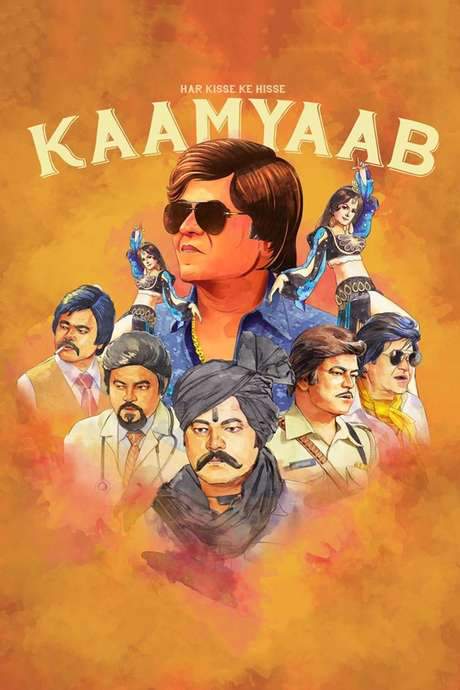


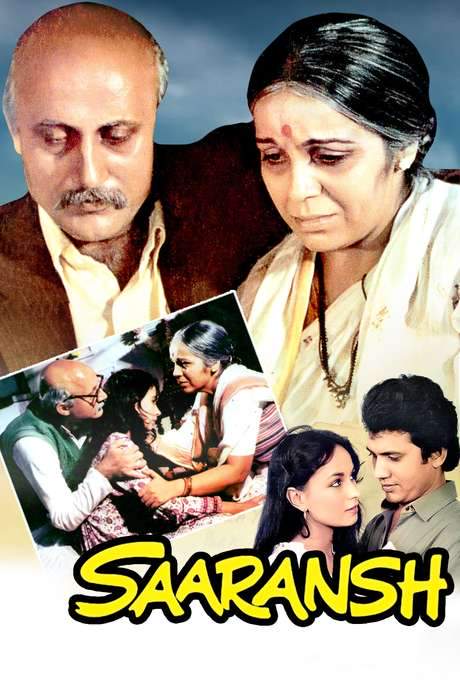

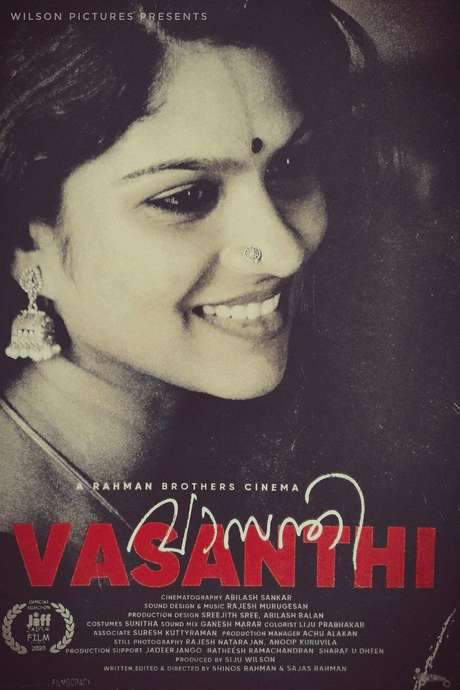


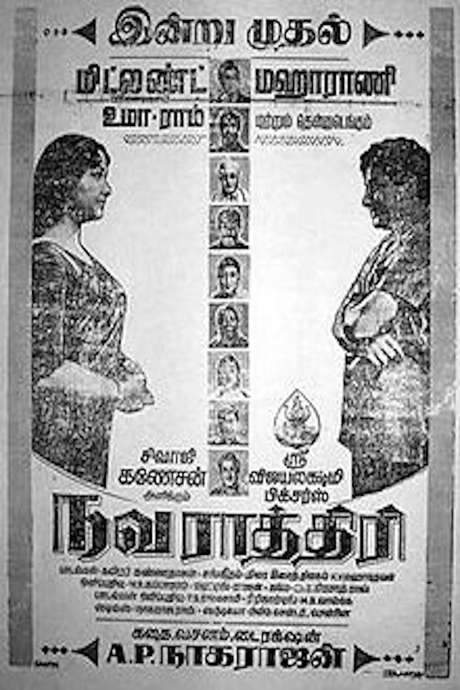


Quick Links: Summary, Cast, Ratings, More

What's After the Movie?
Not sure whether to stay after the credits? Find out!
Check out our other apps:

SAT Sphere
Build confidence for the Digital SAT.

Mori Atlas
Discover wild places worth protecting.

Luntero
Search smarter for a home in Amsterdam.

Plot Explained
Unravel movie endings and hidden clues.

Pokechamp
Dive into Pokémon data and battle logic.

Driving Theory
Get ready for your European theory test.

Movie Dust
Plan your next cinema trip with ease.

Musemap
Find art and culture as you travel.

Selkobase
Compare credentials before committing.

Local Manual
Turn an unfamiliar country into practical next steps.

Lernavi
Compare school systems before your next move.

GymRoam
Find a workout stop wherever your plans take you.
Explore Our Movie Platform
New Movie Releases (2026)
Famous Movie Actors
Top Film Production Studios
Movie Plot Summaries & Endings
Major Movie Awards & Winners
Best Concert Films & Music Documentaries
Movie Collections and Curated Lists
© 2026 What's After the Movie. All rights reserved.
Privacy Policy