National Lampoon’s Dirty Movie 2011


There’s always room for a dirty joke. An irreverent low‑budget producer finally gets the chance to fulfill his dream: a film built from the most offensive, filthy jokes. Charlie and his crew scramble to write the script and cast, while the movie‑within‑a‑movie erupts with one raunchy gag after another, and Charlie will do anything to win.


Does National Lampoon’s Dirty Movie have end credit scenes?
No!
National Lampoon’s Dirty Movie does not have end credit scenes. You can leave when the credits roll.
Meet the Full Cast and Actors of National Lampoon’s Dirty Movie
Explore the complete cast of National Lampoon’s Dirty Movie, including both lead and supporting actors. Learn who plays each character, discover their past roles and achievements, and find out what makes this ensemble cast stand out in the world of film and television.
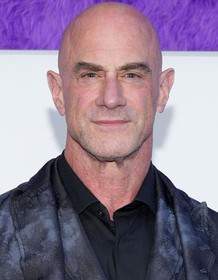
Christopher Meloni
The Producer

Doua Moua
Wing Thai

Robert Klein
The CEO

Boomer Tibbs
Boardmember #1
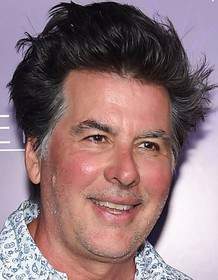
David Thornton
Little Johnny's Dad

Caitlin Fitzgerald
Bank Teller
Adam Sietz
Morty
John Scurti
Sheriff
John D'Leo
Vienna Sausage Boy
Adam Ferrara
Dr. Feelgood
Alan Donnes
Bartender
Ted Ferguson
Joke-Telling Priest
Cyndi Lauper
Little Johnny's Mom
Bryan Fitzgerald
Auditioner #1
Emily Donahoe
Sue
Greg White
Bad Actor
Mario Cantone
The Director
Victoria Clark
Teacher
Livia Scott
Nun
Larry Holmes
The Judge
Sam Oz Stone
Little Johnny
Jordanna James
Sexy Midget
Bettina Niedermann
Tiffany
Lyndsey Anderson
Sexy Bartender
Stylist B.
Tarnishe'D Silva
David Coe
First BJ Guy
Stephanie Gatschet
Wife
Jeanine Hill
Nude Auditioner / Vienna Sausage Girl
Tom DiNardo
Older Hillbilly
Kirk Gagnon
Young Hillbilly #2
Sammy Marten
Veterinarian
Diane Neal
Nancy
Joe Starr
Coach
John Lavelle
The Writer
Josh Frieser
Producer as a Boy
Emmanuel Yarborough
Janitor
Natalie Harrah
Hot Girl at Chalkboard
Travis Kauppila
Young Hillbilly #1
Leah Lapidus
Boardmember #2
Bill Rapp
Boardmember #3
Sheila Mart
Eleanor
Ginger Rich
Boardmember #5
Terence Exodus
Bingo Man
Joy Seligsohn
Candy Lady
George Chevallier
Birthday Boy
Claudia L. Brown
Cheap Trick
Chris Henry
Production Assistant
Alec Lynch
Little Johnny's Brother
Tanner Colby
Gay Taxidermist
Andrew Wuestenfeld
Pirate
Kent Cassella
Widower
Hannah Stoor
Girl at School
Marisa Valente
English Teacher
Roger Byers
Priest with Pizza
Andrew Ward
Auditioner #2
Scott Rossini
Auditioner #3
Lindsey E. Vuolo
Self
Debbie Schwartz
Topless Twin #1
Lauren Schwartz
Topless Twin #2
Max Rock
Chunks Owner
Asher Suss
Parish Priest
Richard Labit
Little Boy at School
Stephanie Restivo
Stripper #1
Josh Duffy
Surfer
Bianca Del Rio
Drag Queen
Blaire Whitney
Good Sport
Art Schorr
Vienna Sausage Grandpa
Joe Melendez
FBI Agent
Shavon Ryan
Stripper #2
Chloe Whiteford
Hairy Chested Girl
Jana Dendinger
Brunette Bikini Babe
Brandy Moon
Big Boob Blonde
Hans Freiwald
Sperm Donor
Richard Kohn
Old Vienna Sausage Guy
Hawk French
Eddie
Sophia Meloni
Suzy
Anthony Cumberbatch Jr.
Black Midget
Matthew Seife
Tutu Boy
Connor Denis
Big Mormon
Chip Rybak
Little Mormon
Rose Lamarche
Bikini Lady
External Links and Streaming Options
Discover where to watch National Lampoon’s Dirty Movie online, including streaming platforms, rental options, and official sources. Compare reviews, ratings, and in-depth movie information across sites like IMDb, TMDb, Rotten Tomatoes or Letterboxd.




Take the Ultimate National Lampoon’s Dirty Movie Movie Quiz
Challenge your knowledge of National Lampoon’s Dirty Movie with this fun and interactive movie quiz. Test yourself on key plot points, iconic characters, hidden details, and memorable moments to see how well you really know the film.
National Lampoon’s Dirty Movie (2011) Quiz: Test your knowledge of the outrageous plot, characters, and memorable jokes from the 2011 comedy "National Lampoon’s Dirty Movie."
What is the name of the cut‑rate producer who dreams of making the dirtiest movie ever?
Full Plot Summary and Ending Explained for National Lampoon’s Dirty Movie
Read the complete plot summary of National Lampoon’s Dirty Movie, including all major events, twists, and the full ending explained in detail. Explore key characters, themes, hidden meanings, and everything you need to understand the story from beginning to end.
Charlie LaRue, Christopher Meloni, is an outrageous cut‑rate producer with a singular dream: make a movie built entirely on the dirtiest, most outrageous jokes ever told. He charts a course for box‑office gold by chasing humor that shocks, dares, and defies taste. The twist? The plan nudges the project toward a controversial edge that makes the studio nervous and the board curious about just how far they can push the envelope.
To pull this off, Charlie surrounds himself with a crack team: the Director Mario Cantone, the CEO Robert Klein, the Writer John Lavelle, and the Agent Morty Adam Sietz. Together they wade through endless ideas, chaotic brainstorms, and a gauntlet of auditioning hopefuls as they scramble to assemble a cast that can survive the film’s brutal, unfiltered material. The goal is simple in theory—pack the screen with shock value after shock value—but the execution is messy, funny, and often dangerously close to derailment.
As the team struggles to write a workable script, the movie‑within‑the‑movie begins to take shape, a paradoxical blend of satire and raw vulgarity that seems destined to become a cult favorite or a courtroom exhibit. The producers push for nontraditional choices, the writers push back with structural demands, and the director fights for a real sense of narrative—beginnings, middles, and endings—so that the final product isn’t just a string of punchlines but a story that can carry its own weight, even as it revels in taboo material. The tension among ambition, ethics, and practicality becomes a rhythm all its own, a push‑pull that fuels long days and even longer nights on set.
The on‑set energy is a mix of bravado and chaos. Auditions become a carnival of characters who are willing to go further than traditional comedy would ever dare, and the cast list expands with bold, baffling personalities who bring a jagged edge to every scene. The directors, the writers, and the producer spar with the tensions of taste, timing, and publicity, all while trying to protect something that might be worth more than the sum of its explicit jokes: a sense of play in the margins of decency, and a willingness to test the boundaries of what audiences will tolerate in the name of humor.
The project faces its first real test when money tightens its grip. An investor is arrested, and the film’s completion becomes a precarious chase for cash. The team discovers they need a precise amount to finish the movie, and when traditional funding disappears, they resort to sponsor deals for jokes that push the envelope even further. This gambit brings a new, startling flavor to the production, as the jokes are sourced from the fringes of taste and tax, tested in rehearsals, and then released into the world with a calculated confidence.
Along the way, the crew weaves a tapestry of outrageous gags and risqué set pieces—moments that are funny to some and shocking to others. The humor is relentless, with scenes that range from quick one‑liners to longer sketches that stretch the premise to the breaking point. The production isn’t shy about touching sensitive topics, and the jokes sometimes edge into dangerous territory, testing the relationships between performers, producers, and the audience. The result is a film that feels like a dare—an audacious experiment in how far a story can go when the goal is to provoke, entertain, and maybe offend in equal measure.
As rehearsals turn into a full‑fledged production, the director’s vision clashes with the producer’s appetite for bolder, cheaper, more sensational material. There are moments when the project nearly collapses under its own weight: the script veers into territory that even the team debates knee‑deep, and the line between comedy and insult blurs with every new joke. Yet the energy of the set remains infectious, a stubborn push toward creating a film that is both a prank and a critique—a mirror held up to a culture that often laughs at others while pretending not to notice.
In the middle of this storm, the film’s creators face a reckoning: what happens when a joke becomes the only currency that keeps a project alive? The team leans into sponsored material, wrestling with the ethics of commodifying discomfort for entertainment. They mine extremes—the absurdity of over‑the‑top characters, the chaos of improvisational bets, and the relentless pace of auditions that test whether anyone can carry the weight of a joke until the punchline lands. The tension builds as the crew argues about tone, pacing, and the responsibility of making people laugh without tearing each other apart.
The crescendo arrives when the project’s core ideas are challenged by a broader sense of accountability. The director pushes back against certain jokes that feel gratuitous or hurtful, while the producer presses for a finish that feels earned, not merely shocking. The crew confronts a critical decision: finish the movie with the same audacious spirit or abandon parts of it to protect the people involved and the studio’s reputation. The debate plays out in long meetings, late nights, and a constant pressure to balance profit with art, courage with care.
In the end, the gamble comes to a head as legal and ethical considerations collide with finances and festival expectations. The judge’s decision casts a final shadow over the enterprise: the producer and the director are sentenced for how their movie ventured into insults against ethnic minorities, wrapped in the veneer of satire. The verdict underscores a sobering truth about the cost of irreverence when it clashes with real-world harm—and it seals the movie’s fate as a provocative artifact of ambition, audacity, and consequences.
What remains is a blistering, unapologetic look at show business’s feverish hunger for controversy, the fragility of creative risk, and the price paid when a joke becomes more important than people. It’s a bold, controversial ride that challenges audiences to decide where they draw the line, and it’s a reminder that comedy—no matter how fearless—exists inside a spectrum of responsibility, memory, and consequence.

Coming soon on iOS and Android
The Plot Explained Mobile App
From blockbusters to hidden gems — dive into movie stories anytime, anywhere. Save your favorites, discover plots faster, and never miss a twist again.
Sign up to be the first to know when we launch. Your email stays private — always.
Explore the mobile appDiscover Film Music Concerts Near You – Live Orchestras Performing Iconic Movie Soundtracks
Immerse yourself in the magic of cinema with live orchestral performances of your favorite film scores. From sweeping Hollywood blockbusters and animated classics to epic fantasy soundtracks, our curated listings connect you to upcoming film music events worldwide.
Explore concert film screenings paired with full orchestra concerts, read detailed event information, and secure your tickets for unforgettable evenings celebrating legendary composers like John Williams, Hans Zimmer, and more.


National Lampoon’s Dirty Movie Other Names and Titles
Explore the various alternative titles, translations, and other names used for National Lampoon’s Dirty Movie across different regions and languages. Understand how the film is marketed and recognized worldwide.
Quick Links: Summary, Cast, Ratings, More

What's After the Movie?
Not sure whether to stay after the credits? Find out!
Check out our other apps:

SAT Sphere
Build confidence for the Digital SAT.

Mori Atlas
Discover wild places worth protecting.

Luntero
Search smarter for a home in Amsterdam.

Plot Explained
Unravel movie endings and hidden clues.

Pokechamp
Dive into Pokémon data and battle logic.

Driving Theory
Get ready for your European theory test.

Movie Dust
Plan your next cinema trip with ease.

Musemap
Find art and culture as you travel.

Selkobase
Compare credentials before committing.

Local Manual
Turn an unfamiliar country into practical next steps.

Lernavi
Compare school systems before your next move.

GymRoam
Find a workout stop wherever your plans take you.
Explore Our Movie Platform
New Movie Releases (2026)
Famous Movie Actors
Top Film Production Studios
Movie Plot Summaries & Endings
Major Movie Awards & Winners
Best Concert Films & Music Documentaries
Movie Collections and Curated Lists
© 2026 What's After the Movie. All rights reserved.
Privacy Policy