My Love Came Back 1940


Amelia, a gifted violinist about to quit the Brissac Academy, gets a scholarship arranged by Julius via his employee Tony. When Julius misses a city concert, Tony steps in, assuming they are a couple; Julius’s son Paul also believes Tony and Amelia are together and sends her money. Amelia is enticed by swing music with classmates Dusty, Joy and their band, endangering her classical career.


Does My Love Came Back have end credit scenes?
No!
My Love Came Back does not have end credit scenes. You can leave when the credits roll.
Meet the Full Cast and Actors of My Love Came Back
Explore the complete cast of My Love Came Back, including both lead and supporting actors. Learn who plays each character, discover their past roles and achievements, and find out what makes this ensemble cast stand out in the world of film and television.
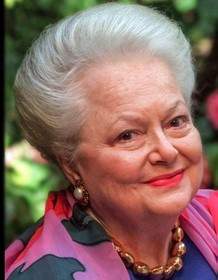
Olivia de Havilland
Amelia Cornell
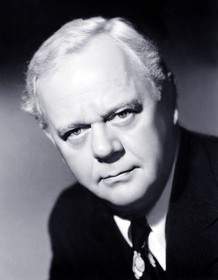
Charles Winninger
Julius Malette
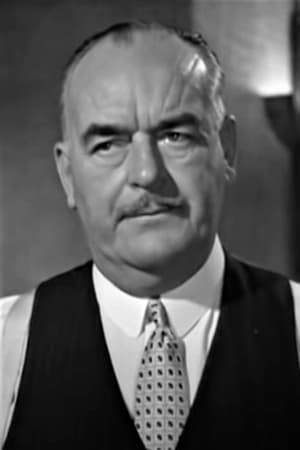
William B. Davidson
Agent
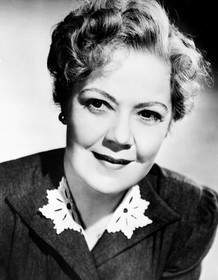
Spring Byington
Clara Malette

S.Z. Sakall
Geza Peyer
Russell Wade
Party Guest (uncredited)
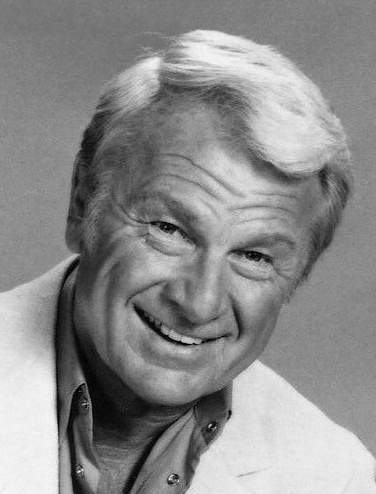
Eddie Albert
Dusty Rhodes
Charles Trowbridge
Dr. Downey
Grant Mitchell
Dr. Kobbe
Mary Anderson
Woman Mistaken for Amelia by Tony (uncredited)
Jane Wyman
Joy O'Keefe
Jeffrey Lynn
Tony Baldwin
Cyril Ring
Party Guest (uncredited)
William Roberts
Eddie - the Office Boy (uncredited)
Creighton Hale
Thompson - Music Co. Clerk (uncredited)
Mabel Taliaferro
Dowager
Wedgwood Nowell
Johnson - Music Co. Treasurer (uncredited)
Jack Mower
Music Co. Executive (uncredited)
James Conaty
Party Guest (uncredited)
Ellinor Vanderveer
Party Guest (uncredited)
John Dilson
Accountant (uncredited)
Eric Mayne
Party Guest (uncredited)
Sidney Bracey
Butler
Richard Kipling
Music Co. Executive (uncredited)
Richard Clayton
Valerie's Escort (uncredited)
Jay Eaton
Party Guest (uncredited)
Ann Gillis
Valerie Malette
William T. Orr
Paul Malette
Nanette Vallon
Sophie
Elizabeth Inglis
Party Guest (uncredited)
Al Lloyd
Party Guest (uncredited)
George Haywood
Anderson - Music Co. Clerk (uncredited)
Tommy Baker
Lookout Boy (uncredited)
Jack Egger
Little Boy (uncredited)
George Noisom
Party Guest (uncredited)
External Links and Streaming Options
Discover where to watch My Love Came Back online, including streaming platforms, rental options, and official sources. Compare reviews, ratings, and in-depth movie information across sites like IMDb, TMDb, Wikipedia or JustWatch.





Take the Ultimate My Love Came Back Movie Quiz
Challenge your knowledge of My Love Came Back with this fun and interactive movie quiz. Test yourself on key plot points, iconic characters, hidden details, and memorable moments to see how well you really know the film.
My Love Came Back from 1940 Quiz: Test your knowledge of the 1940 drama about a gifted violinist, her patrons, and the clash between classical and swing music.
What is the name of the talented violinist who is the film's protagonist?
Full Plot Summary and Ending Explained for My Love Came Back
Read the complete plot summary of My Love Came Back, including all major events, twists, and the full ending explained in detail. Explore key characters, themes, hidden meanings, and everything you need to understand the story from beginning to end.
A bright, talented violinist named Amelia Cornell, Olivia de Havilland, studies at the prestigious Brissac Academy of Music in New York City. With a mother to support and only a modest scholarship, she supplements her income by giving private music lessons in her spare time—a practice the school forbids and the dean zealously enforces, Grant Mitchell portraying Dr. Kobbe. Frustrated by being treated like a child and pushed to the margins of the program, Amelia makes a bold decision: she will leave the academy and join a jazz group led by her fellow student and rising swing bandleader, Dusty Rhodes, a move that promises both artistic freedom and financial relief.
Meanwhile, after witnessing Amelia perform at a concert, Julius Malette, a distinguished and wealthy patron of the arts, finally accepts the academy’s invitation to become its president—a choice driven as much by influence as by affection for the young violinist. When he learns that Amelia plans to depart in order to sustain herself, Julius quietly arranges a second scholarship so she can continue her studies, a gesture that reveals his generosity and his desire to shape the school’s future. To accompany her growth, Julius gifts her a phonograph player and records, and he personally escorts her to concerts to broaden her musical experience and exposure to new styles.
One evening Julius cannot attend a performance and sends his spirited young business manager, Tony Baldwin, to explain his absence. Tony and Amelia’s connection deepens rapidly; they begin to fall in love, but Tony keeps his feelings to himself, wary of the possibility that Amelia could be Julius’s companion rather than his muse. The tension intensifies as Julius’s brash son, Paul Malette, uncovers Tony’s habit of mailing company checks to Amelia—mistakenly thinking money is flowing directly to her account rather than being part of a clever scheme to support her scholarship. When Paul confronts Tony, the young manager protects his employer with silence, and the suspicions multiply. Paul later catches a glimpse of Julius entering Amelia’s apartment and misreads the scene, assuming unfaithfulness, which leads him to apologize to Tony and to step back from the accusation—yet he remains unsure of what is really happening. Tony, in turn, discovers that the checks have indeed been cashed, though Dusty Rhodes had merely borrowed the money for a momentary need, a fact that further complicates the web of trust and misperception surrounding Amelia and her benefactors.
The plot thickens at a lavish party hosted by Julius and his wife. To provide a night of innovative classical and swing music, they hire Amelia’s roommate Joy O’Keefe, and Joy’s boyfriend, the vibrant Dusty Rhodes, to perform in a setting that fuses refinement with rhythm and energy. At the party, Amelia confesses everything to Mrs. Malette, then fearlessly takes the stage with the band and improvises a swing violin performance that startles and delights the guests, even earning praise from the night’s music critic. The moment marks a turning point: Amelia’s daring fusion of styles gains legitimacy, challenging the academy’s rigid boundaries and proving that technique can thrive when it is allowed to breathe and blend with new influences. The new sound captivates Julius and the rest of the room, reshaping how Amelia is viewed by her teachers, patrons, and peers.
As the night winds down, the truth about the money surfaces: Dusty had borrowed the funds, a revelation that brings relief and reconciliation. Tony, who has watched the situation unfold with growing trust, apologizes to Amelia for his earlier doubts, and their earlier tension culminates in a passionate kiss in the garden, sealing a renewed bond between them. In the end, Amelia’s courage to blend classical discipline with the vitality of swing—backed by the quiet support of a benevolent patron and the loyalty of a devoted partner—ushers her into a broader world where art and life can coexist with honesty, trust, and a touch of romance.

Coming soon on iOS and Android
The Plot Explained Mobile App
From blockbusters to hidden gems — dive into movie stories anytime, anywhere. Save your favorites, discover plots faster, and never miss a twist again.
Sign up to be the first to know when we launch. Your email stays private — always.
Explore the mobile appDiscover Film Music Concerts Near You – Live Orchestras Performing Iconic Movie Soundtracks
Immerse yourself in the magic of cinema with live orchestral performances of your favorite film scores. From sweeping Hollywood blockbusters and animated classics to epic fantasy soundtracks, our curated listings connect you to upcoming film music events worldwide.
Explore concert film screenings paired with full orchestra concerts, read detailed event information, and secure your tickets for unforgettable evenings celebrating legendary composers like John Williams, Hans Zimmer, and more.


My Love Came Back Themes and Keywords
Discover the central themes, ideas, and keywords that define the movie’s story, tone, and message. Analyze the film’s deeper meanings, genre influences, and recurring concepts.
My Love Came Back Other Names and Titles
Explore the various alternative titles, translations, and other names used for My Love Came Back across different regions and languages. Understand how the film is marketed and recognized worldwide.
Similar Movies To My Love Came Back You Should Know About
Browse a curated list of movies similar in genre, tone, characters, or story structure. Discover new titles like the one you're watching, perfect for fans of related plots, vibes, or cinematic styles.


Quick Links: Summary, Cast, Ratings, More

What's After the Movie?
Not sure whether to stay after the credits? Find out!
Check out our other apps:

SAT Sphere
Build confidence for the Digital SAT.

Mori Atlas
Discover wild places worth protecting.

Luntero
Search smarter for a home in Amsterdam.

Plot Explained
Unravel movie endings and hidden clues.

Pokechamp
Dive into Pokémon data and battle logic.

Driving Theory
Get ready for your European theory test.

Movie Dust
Plan your next cinema trip with ease.

Musemap
Find art and culture as you travel.

Selkobase
Compare credentials before committing.

Local Manual
Turn an unfamiliar country into practical next steps.

Lernavi
Compare school systems before your next move.

GymRoam
Find a workout stop wherever your plans take you.
Explore Our Movie Platform
New Movie Releases (2026)
Famous Movie Actors
Top Film Production Studios
Movie Plot Summaries & Endings
Major Movie Awards & Winners
Best Concert Films & Music Documentaries
Movie Collections and Curated Lists
© 2026 What's After the Movie. All rights reserved.
Privacy Policy