
Mr. Skeffington 1944


She was lucky that Mr. Skeffington was such a gentleman! A beautiful but vain woman who rejects the love of her older husband must face the loss of her youth and beauty.


Does Mr. Skeffington have end credit scenes?
No!
Mr. Skeffington does not have end credit scenes. You can leave when the credits roll.
Meet the Full Cast and Actors of Mr. Skeffington
Explore the complete cast of Mr. Skeffington, including both lead and supporting actors. Learn who plays each character, discover their past roles and achievements, and find out what makes this ensemble cast stand out in the world of film and television.
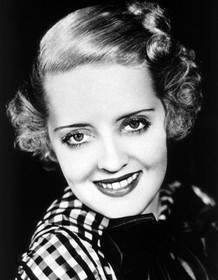
Bette Davis
Fanny Trellis
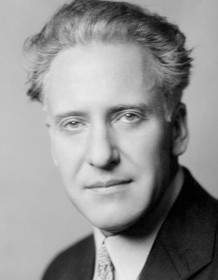
Erskine Sanford
Dr. Fawcette (uncredited)

Mary Field
Penelope Hyslup (uncredited)
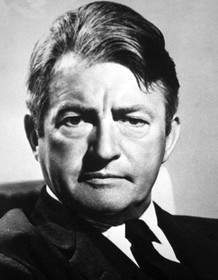
Claude Rains
Job Skeffington
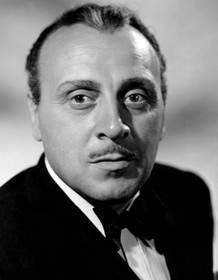
George Coulouris
Dr. Byles
Dorothy Peterson
Manby
Jerome Cowan
Edward Morrison
Ann Doran
Maria (uncredited)
Richard Erdman
Western Union Boy (uncredited)
Molly Lamont
Miss Norris (uncredited)
Fred Aldrich
Speakeasy Bouncer (uncredited)
Walter Kingsford
Dr. Melton (uncredited)
John Alexander
Jim Conderley
Robert Shayne
MacMahon
Edward Fielding
Justice of the Peace (uncredited)
Walter Abel
George Trellis
Cyril Ring
Perry Lanks (uncredited)
Angela Greene
Hairdresser (uncredited)
Vera Lewis
Justice of the Peace's Wife (uncredited)
Tom Wilson
Witness (uncredited)
Vincent Sherman
Gigi Perreau
Two-Year-Old Fanny (uncredited)
Matt Mchugh
Drunk (uncredited)
Bill Kennedy
Bill Thatcher
Johnny Mitchell
Johnny Mitchell
Jack George
Henri (uncredited)
Sam Ash
(uncredited)
Stuart Holmes
Man in Skeffington's Office (uncredited)
Leo White
Henri's Assistant (uncredited)
Creighton Hale
Casey (uncredited)
Jack Mower
Man in Skeffington's Office (uncredited)
Fred Kelsey
Cop in Raid (uncredited)
Will Stanton
Sid Lapham (uncredited)
Dolores Gray
Nightclub Singer (uncredited)
Frank Mayo
Stock Broker (uncredited)
Philo McCullough
Stock Broker (uncredited)
Andrea King
Byles' Nurse (uncredited)
Frank McLure
Stock Broker (uncredited)
Janet Barrett
Witness (uncredited)
Lucille La Marr
Young Girl (uncredited)
Bert Moorhouse
Nightclub Guest (uncredited)
Joan Winfield
Nurse (uncredited)
Bess Flowers
Mrs. Thatcher
Harold Miller
Party Guest (uncredited)
Jeffrey Sayre
Nightclub Guest (uncredited)
Ethan Laidlaw
Cop (uncredited)
William Forrest
Clinton (uncredited)
Herbert Evans
Speakeasy Patron (uncredited)
Ronald R. Rondell
Playboy (uncredited)
Wallis Clark
Clubman (uncredited)
Peter Whitney
Chester Forbish
Bruce Warren
Handsome Man in Cafe (uncredited)
Charles Sherlock
Speakeasy Waiter (uncredited)
Charles Jordan
Projectionist (uncredited)
Richard Kipling
Clubman (uncredited)
Sol Gorss
Plainclothesman (uncredited)
Halliwell Hobbes
Soames (uncredited)
Harry C. Bradley
Rector (uncredited)
Charles Marsh
McMahon's Tailor (uncredited)
Crane Whitley
Louie (uncredited)
Georgia Caine
Mrs. Newton (uncredited)
Minerva Urecal
Woman in Beauty Shop (uncredited)
Isabel La Mal
Woman in Cafe (uncredited)
Helen Eby-Rock
Woman in Cafe (uncredited)
Joe Devlin
Boat Employee (uncredited)
Dagmar Oakland
Woman (uncredited)
Lottie Williams
Housekeeper (uncredited)
Jay Eaton
Stock Broker (uncredited)
John Vosper
Artist (uncredited)
Tom Stevenson
Reverend Hyslup (uncredited)
Dan Dowling
Playboy (uncredited)
Chef Milani
Joe (uncredited)
Hans Herbert
Waiter (uncredited)
Doria Caron
Beauty Operator (uncredited)
Regina Wallace
Audrey Newton (uncredited)
Marjorie Riordan
Young Fanny
Lelah Tyler
Mrs. Forbish (uncredited)
Patrick Cunning
Playboy (uncredited)
Richard Waring
Trippy Trellis
External Links and Streaming Options
Discover where to watch Mr. Skeffington online, including streaming platforms, rental options, and official sources. Compare reviews, ratings, and in-depth movie information across sites like IMDb, TMDb, Wikipedia or Letterboxd.




Take the Ultimate Mr. Skeffington Movie Quiz
Challenge your knowledge of Mr. Skeffington with this fun and interactive movie quiz. Test yourself on key plot points, iconic characters, hidden details, and memorable moments to see how well you really know the film.
Mr. Skeffington (1944) Quiz: Test your knowledge of the classic drama starring Bette Davis and Claude Rains, covering characters, plot twists, and themes.
Who plays the role of Fanny Trellis in the film?
Full Plot Summary and Ending Explained for Mr. Skeffington
Read the complete plot summary of Mr. Skeffington, including all major events, twists, and the full ending explained in detail. Explore key characters, themes, hidden meanings, and everything you need to understand the story from beginning to end.
Fanny Trellis, Bette Davis, is introduced in 1914 as a pampered beauty whose social calendar buzzes with admirers. She adores her brother Trippy Trellis, Richard Waring, and she will go to great lengths to keep him out of trouble. When she discovers that Trippy has misappropriated money from his employer, Job Skeffington, she resolves to protect him by marrying the lovestruck Job Skeffington, Claude Rains. This union is forged not out of romance but to shield the family from scandal, and Fanny’s actions are driven by a mix of loyalty, self-preservation, and the complexity of her own ambitions.
Trippy’s reaction is immediate and telling. Disgusted by the arrangement and harboring prejudice against Job’s Jewish background, he leaves home and volunteers to fight in the Lafayette Escadrille during World War I. Job, meanwhile, does love Fanny, though she remains largely distant and self-focused, treating their marriage as convenient at best. She becomes pregnant with Job’s child, but the relationship remains strained and transactional. The story then follows the toll of Trippy’s death in France, which leaves Fanny bound to a loveless marriage that persists largely for the sake of the child.
As the war recedes into memory, Job and Fanny’s life at home becomes a tangled portrait of duty and desire. Job’s genuine affection competes with Fanny’s restless social life, where she continues to charm a rotating quartet of suitors and younger lovers, while Job finds a form of solace in the company of his secretaries. The strain of the marriage intensifies when Fanny begins to realize that her daughter, the child she once despised for tying her to this life, genuinely loves her father. This realization compounds the emotional distance between Fanny and Job, and she ultimately chooses to divorce him, a decision she rationalizes as protective of her own happiness, even as it wounds their child.
Meanwhile, Fanny’s daughter returns from Europe amid the rising threat of Nazism, and she marries Johnny Mitchell in Seattle, a union that signals a new chapter for the family as events in Europe begin to darken the world around them. Fanny’s life progresses with the same vanity and social maneuvering that defined her youth, and a later dip in health—diphtheria—ravages her appearance, forcing a stark confrontation with aging and the fragility of beauty. In denial, she hosts a party inviting many of her former lovers and their wives, a social debacle that shocks the attendees and underscores how much she has changed.
A final, cruel turn comes when a former beau makes what appears to be a sincere marriage proposal, only to withdraw when he suspects she is no longer wealthy. This moment leaves Fanny alone with her maid, Manby, nursing dignity and pride in a retreat from the world she once owned. The narrative pivots when Fanny’s cousin George unexpectedly brings Job back to her home. The news is devastating: Job is penniless again after the Nazis have stripped him of almost everything, and he is blind from torture endured in a concentration camp. The reunion is painful and tentative, as Fanny hesitates before descending the grand staircase to greet him.
When she finally enters the parlor, Job moves toward her, stumbles, and falls. Fanny consoles him, guiding his arm as they ascend the staircase together, and she murmurs to the maid, “Mr. Skeffington has come home.” In that quiet, charged moment, George reminds her that she has never looked more beautiful than when she is loved. The scene crystallizes a hard-won truth: true beauty resides in love, not in conquest or status, and Fanny’s awakening comes with the rekindling of her partnership with Job. The film closes on this fragile, redemptive note, a portrait of a woman who must choose between vanity and devotion, and who ultimately learns that love is the only lasting measure of worth.
“A woman is beautiful only when she is loved.”

Watch Trailers, Clips & Behind-the-Scenes for Mr. Skeffington
Watch official trailers, exclusive clips, cast interviews, and behind-the-scenes footage from Mr. Skeffington. Dive deeper into the making of the film, its standout moments, and key production insights.
Mr. Skeffington Themes and Keywords
Discover the central themes, ideas, and keywords that define the movie’s story, tone, and message. Analyze the film’s deeper meanings, genre influences, and recurring concepts.

Unlock the World of Movies with Our Comprehensive Wiki
Dive into our Movie Wiki for in-depth film encyclopedia entries, including cast biographies, production trivia, plot synopses, behind-the-scenes facts, and thematic analyses. Whether you’re researching iconic directors, exploring genre histories, or discovering hidden easter eggs, our expertly curated movie database has everything you need to fuel your cinematic passion.

Similar Movies To Mr. Skeffington You Should Know About
Browse a curated list of movies similar in genre, tone, characters, or story structure. Discover new titles like the one you're watching, perfect for fans of related plots, vibes, or cinematic styles.


Quick Links: Summary, Cast, Ratings, More

What's After the Movie?
Not sure whether to stay after the credits? Find out!




Explore Our Movie Platform
New Movie Releases (2025)
Famous Movie Actors
Top Film Production Studios
Movie Plot Summaries & Endings
Major Movie Awards & Winners
Best Concert Films & Music Documentaries
Movie Collections and Curated Lists
© 2025 What's After the Movie. All rights reserved.