Monster 2024


Two young women are held captive by a sadistic man with a terrifying secret. As they struggle to escape, they must confront their deepest fears and rely on their wits to survive a harrowing ordeal filled with unimaginable horror.


Does Monster have end credit scenes?
No!
Monster does not have end credit scenes. You can leave when the credits roll.
Meet the Full Cast and Actors of Monster
Explore the complete cast of Monster, including both lead and supporting actors. Learn who plays each character, discover their past roles and achievements, and find out what makes this ensemble cast stand out in the world of film and television.

External Links and Streaming Options
Discover where to watch Monster online, including streaming platforms, rental options, and official sources. Compare reviews, ratings, and in-depth movie information across sites like IMDb, TMDb, Wikipedia or Rotten Tomatoes.










Ratings and Reviews for Monster
See how Monster is rated across major platforms like IMDb, Metacritic, and TMDb. Compare audience scores and critic reviews to understand where Monster stands among top-rated movies in its genre.

The Movie Echo Score
Monster excels as a cohesive, emotionally resonant work that leverages its triptych structure to deepen viewer engagement. Critics highlight Hirokazu Kore‑eda’s masterful direction, precise editing, and subtle cinematography, while users praise the film’s compelling twists and layered storytelling. The soundtrack and visual palette complement the shifting perspectives, creating a sensory backdrop that reinforces the narrative. Together these elements give the film strong rewatch value, encouraging audiences to revisit and reassess its themes. The net impression is that Monster delivers a powerful, repeatable cinematic experience.
The Movie Echo Score Breakdown for Monster

Art & Craft
In terms of art and craft, Monster demonstrates meticulous direction and visual composition. Critics note Kore‑eda’s beautiful direction, forensic editing, and a cinematography that blends melancholy with clarity, while the score subtly underscores the imagery. User commentary also praises the down‑to‑earth set design and the way the camera follows each perspective. These observations indicate a high level of technical proficiency that enhances the film’s emotional weight.

Character & Emotion
When it comes to character and emotion, the performances are consistently lauded. Critics describe the cast as delivering nuanced, empathetic portrayals that amplify the film’s thematic depth, and users highlight Charlie Hunnam’s standout presence alongside Sakura Ando’s heartfelt motherly role. The young actors are noted for their authenticity, allowing the shifting viewpoints to feel genuinely lived. Overall, the acting contributes a convincing emotional core that anchors the narrative.

Story & Flow
Story and flow benefit from the film’s Rashomon‑esque structure, which presents three complementary viewpoints. Critics commend the screenplay for weaving these perspectives into a cohesive whole without resorting to gimmickry, and users praise the deliberate pacing that balances suspense with heartfelt moments. While some note a methodical tempo, the overall consensus is that the narrative’s originality and measured progression sustain engagement throughout.

Sensory Experience
The sensory experience is marked by a restrained yet effective score and thoughtful visual styling. Critics mention a hidden melancholy in the cinematography that emerges as the plot twists, while users comment on the down‑to‑earth set design and how the music accentuates emotional beats. These elements coalesce to provide an atmospheric backdrop that supports, rather than overwhelms, the story.

Rewatch Factor
Rewatch factor is heightened by the film’s layered narrative, which reveals new details on subsequent viewings. Critics emphasize the puzzle‑like structure that invites audiences to reassess character motives, and users describe a distinctly different experience the second time, noting fresh emotional nuances and altered interpretations. This cumulative depth suggests the film retains strong appeal beyond an initial watch.


97%
TOMATOMETER

90%
User Score

5.7 /10
IMDb Rating

80
%
User Score

/5
Take the Ultimate Monster Movie Quiz
Challenge your knowledge of Monster with this fun and interactive movie quiz. Test yourself on key plot points, iconic characters, hidden details, and memorable moments to see how well you really know the film.
Monster (2024) Quiz: Test your knowledge of the 2024 film "Monster" with these ten questions ranging from easy to challenging.
Who is Minato's mother?
Full Plot Summary and Ending Explained for Monster
Read the complete plot summary of Monster, including all major events, twists, and the full ending explained in detail. Explore key characters, themes, hidden meanings, and everything you need to understand the story from beginning to end.
Saori Mugino is a devoted single mother raising her fifth-grade son, Minato, who starts showing unusual, troubling behaviors. He begins by cutting his own hair and returning home with only one shoe, a small, unsettling pattern that suggests something deeper may be happening. One night, Minato vanishes, and when Saori finally tracks him down, she finds him in an abandoned train tunnel. The fear and worry she feels push her to question what is happening at home and in his life.
She suspects that Minato may be suffering at the hands of his teacher, Mr. Hori, and challenges the school with her concerns. The faculty respond with cold detachment, and Hori’s apology feels hollow and disingenuous. When Saori presses the issue, Hori claims that Minato is actually bullying another student, Yori, shifting the blame away from the boy she loves and fears for. Saori’s visit to Yori’s house reveals a different kind of tension: Yori, despite his own oddities, appears to care for Minato in a protective way. The school’s response intensifies, and Hori is eventually fired, only to reappear days later. In a tense moment, Minato falls down a flight of stairs as if trying to escape him.
During a rainstorm, Hori comes to the Mugino home, and Saori learns that Minato has gone missing once again. In a pivotal sequence, a flashback from Hori’s perspective unveils another layer of the story: Minato’s disruptive acts—throwing others’ belongings and seemingly locking Yori in a bathroom stall—are observed by Hori as concerning, and his visit to Yori’s house reveals that Yori’s father, Kiyotaka, is an abusive alcoholic. Faced with pressure from the school and a damaged reputation, Hori resigns under the weight of scrutiny, journalism, and the strain of a severed relationship with his girlfriend. He returns to confront Minato at the school and, in a moment of despair, contemplates jumping from the roof after the boy falls.
The rainstorm acts as a catalyst for a realization: Hori notices a pattern in Yori’s old homework that seems to spell Minato’s name, suggesting that the two boys’ bond goes beyond simple friendship. Realizing that they were deeply connected and perhaps in love, Hori rushes to the Mugino household to offer an apology and to insist that Minato is not broken. When Saori confirms Minato’s disappearance, they hurry toward the train tunnel, hoping to find him. In the muddy, dim space of an abandoned railcar, they discover only Minato’s poncho, hinting at danger and the possibility that the truth about Minato’s life remains hidden beneath the surface.
A final flashback, this time from Minato’s viewpoint, reveals a harsh cycle of bullying that Yori endures from other boys because of his asocial and seemingly effeminate behavior. Yori’s closeness with Minato grows as he plays with Minato’s hair, prompting Minato to cut it himself in a rash moment. The two boys’ bond deepens, but Minato’s feelings begin to scare him: he worries that his romantic impulses make him unworthy as a son to his deceased father. When a night at Yori’s house arrives, a tense confrontation occurs as Yori and his father, Kiyotaka, claim that Yori has been “cured,” only for Yori to recant and spark his father’s wrath.
In the midst of these revelations, the school’s headmistress, who has to reckon with her own role in a tragic death connected to her institution, encourages Minato to choose happiness. The rainstorm returns, and Minato finds Yori fully clothed in a bathtub, bruised and vulnerable. The two escape to the abandoned railcar, making it their refuge. Once the rain subsides, they emerge together, and a sense of rebirth seems to wash over them as they race across a field. The path they had once hoped to take, which had previously been gated off, now sits open and free, with no wreckage in sight, leaving their future open to possibility and the promise of a new beginning.

Coming soon on iOS and Android
The Plot Explained Mobile App
From blockbusters to hidden gems — dive into movie stories anytime, anywhere. Save your favorites, discover plots faster, and never miss a twist again.
Sign up to be the first to know when we launch. Your email stays private — always.
Explore the mobile appWatch Trailers, Clips & Behind-the-Scenes for Monster
Watch official trailers, exclusive clips, cast interviews, and behind-the-scenes footage from Monster. Dive deeper into the making of the film, its standout moments, and key production insights.
Monster Themes and Keywords
Discover the central themes, ideas, and keywords that define the movie’s story, tone, and message. Analyze the film’s deeper meanings, genre influences, and recurring concepts.

Unlock the World of Movies with Our Comprehensive Wiki
Dive into our Movie Wiki for in-depth film encyclopedia entries, including cast biographies, production trivia, plot synopses, behind-the-scenes facts, and thematic analyses. Whether you’re researching iconic directors, exploring genre histories, or discovering hidden easter eggs, our expertly curated movie database has everything you need to fuel your cinematic passion.

Similar Movies To Monster You Should Know About
Browse a curated list of movies similar in genre, tone, characters, or story structure. Discover new titles like the one you're watching, perfect for fans of related plots, vibes, or cinematic styles.

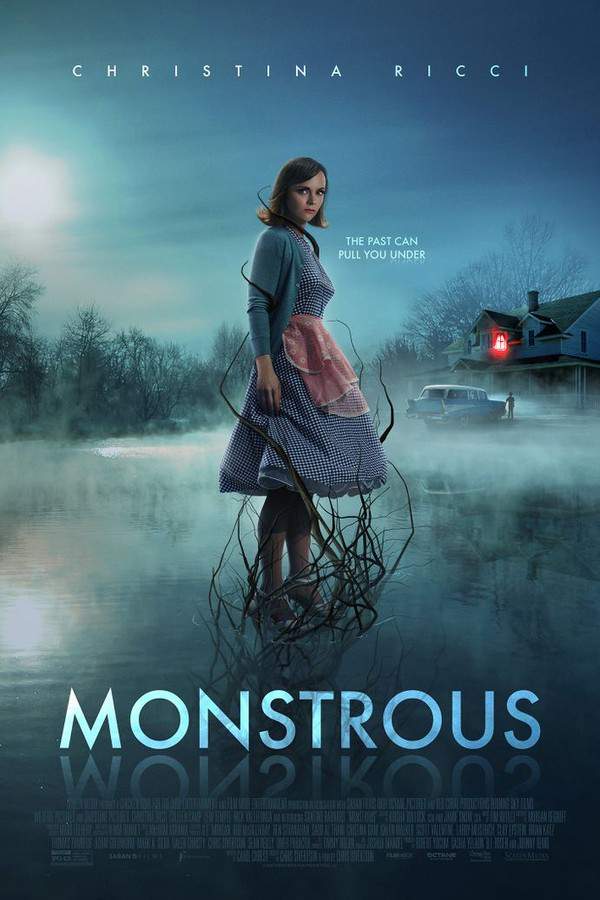





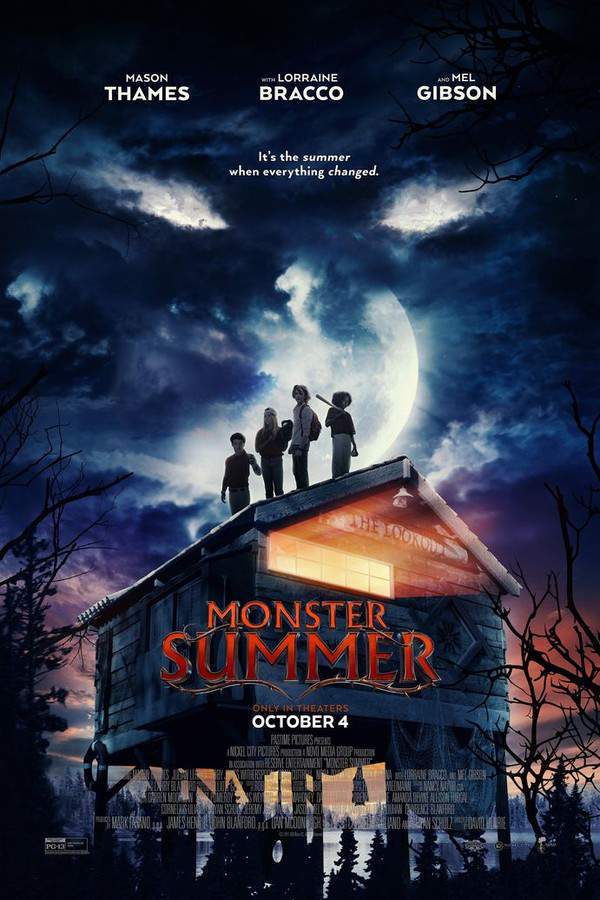




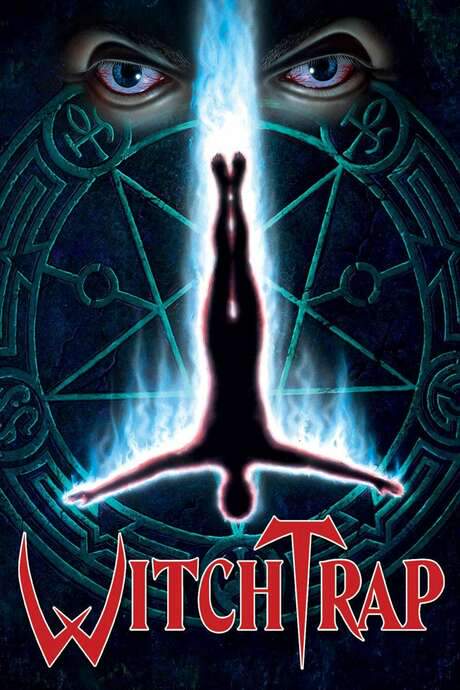

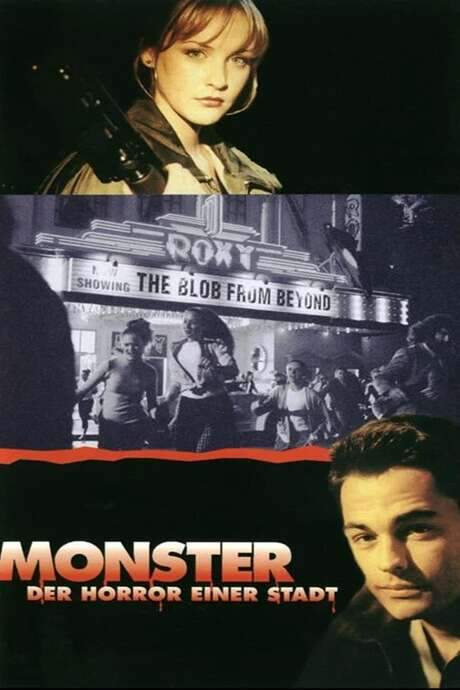
Quick Links: Summary, Cast, Ratings, More

What's After the Movie?
Not sure whether to stay after the credits? Find out!
Check out our other apps:

SAT Sphere
Build confidence for the Digital SAT.

Mori Atlas
Discover wild places worth protecting.

Luntero
Search smarter for a home in Amsterdam.

Plot Explained
Unravel movie endings and hidden clues.

Pokechamp
Dive into Pokémon data and battle logic.

Driving Theory
Get ready for your European theory test.

Movie Dust
Plan your next cinema trip with ease.

Musemap
Find art and culture as you travel.

Selkobase
Compare credentials before committing.

Local Manual
Turn an unfamiliar country into practical next steps.

Lernavi
Compare school systems before your next move.

GymRoam
Find a workout stop wherever your plans take you.
Explore Our Movie Platform
New Movie Releases (2026)
Famous Movie Actors
Top Film Production Studios
Movie Plot Summaries & Endings
Major Movie Awards & Winners
Best Concert Films & Music Documentaries
Movie Collections and Curated Lists
© 2026 What's After the Movie. All rights reserved.
Privacy Policy