Miracle Run 2004


Corinne, a devoted single mother, fights to give her autistic twin sons, Steven and Phillip, a normal life. When public school officials threaten to expel them for disruptive behavior, therapy helps the boys make significant progress. Ten years later, the teenagers strive to prove they can succeed in high school while still managing their disorder.


Does Miracle Run have end credit scenes?
No!
Miracle Run does not have end credit scenes. You can leave when the credits roll.
Meet the Full Cast and Actors of Miracle Run
Explore the complete cast of Miracle Run, including both lead and supporting actors. Learn who plays each character, discover their past roles and achievements, and find out what makes this ensemble cast stand out in the world of film and television.

Zac Efron
Steven Morgan
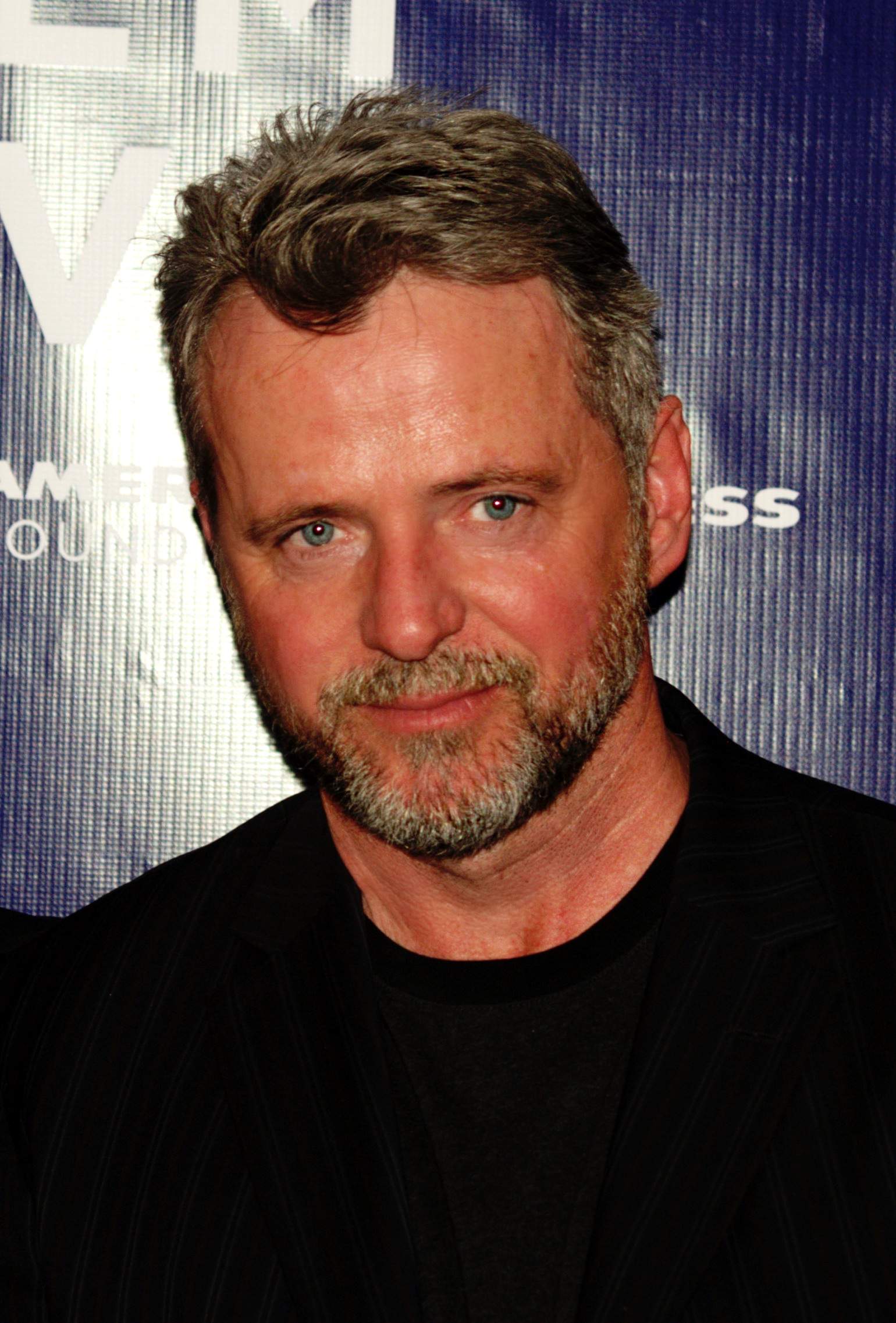
Aidan Quinn
Douglas Thomas

John McConnell
Michael Arata
Brian
Jenna Hildebrand
Little girl
Jeremy Shada
Young Philip
Mary-Louise Parker
Corrine Morgan-Thomas
Wallace Merck
Dr. Hardwick
Mikki Val
Reva
Bubba Lewis
Phillip Morgan
Bernard Johnson
Bernard Hocke
Wayne
Veronica Russell
Ms. Gabler
Jake Cherry
Young Stephen
Alicia Morton
Jennifer
Michael P. Cahill
Taylor
External Links and Streaming Options
Discover where to watch Miracle Run online, including streaming platforms, rental options, and official sources. Compare reviews, ratings, and in-depth movie information across sites like IMDb, TMDb, Wikipedia or Rotten Tomatoes.







Take the Ultimate Miracle Run Movie Quiz
Challenge your knowledge of Miracle Run with this fun and interactive movie quiz. Test yourself on key plot points, iconic characters, hidden details, and memorable moments to see how well you really know the film.
Miracle Run Quiz: Test your knowledge of the 2004 film Miracle Run with these ten mixed‑difficulty questions.
Which actress portrays Corrine Morgan‑Thomas?
Full Plot Summary and Ending Explained for Miracle Run
Read the complete plot summary of Miracle Run, including all major events, twists, and the full ending explained in detail. Explore key characters, themes, hidden meanings, and everything you need to understand the story from beginning to end.
In a flashback, Corrine Morgan-Thomas [Mary-Louise Parker] drives her seven-year-old twin boys Steven [Zac Efron] and Philip Morgan [Jeremy Shada] to a doctor’s office, where they learn they are autistic. Philip repeats what he hears others say (echolalia), while Steven remains completely nonverbal. After leaving the clinic in a highly distressed mood, Corrine takes the boys to a grocery store, a trip that quickly spirals as they scream through aisles and Steven wets himself, drawing stares from curious onlookers. The pressure of managing two autistic children proves overwhelming, and Corrine’s live-in boyfriend chooses to leave, recognizing the substantial challenges ahead in raising twins with a disability.
Corrine then moves with her boys to a new town and enrolls them in public school. There, classmates and teachers alike struggle to understand their unusual behavior, and a meeting with the principal and several psychiatrists leads to a tough verdict: they are not seen as fit for standard public schooling and are steered toward a specialized setting. The local mental hospital responds by sending a learning therapist to their home to build language skills and ready them for ordinary life. With this careful support, Philip’s vocabulary begins to expand, and Steven is able to speak his very first word:
Pizza
Over the years, as the therapist moves on to work with other families in different cities, the brothers continue to grow. They flourish verbally, socially, and academically, though some autistic traits stubbornly linger: they still speak with nasal, almost robotic voices, sometimes engage in self-injurious habits, and remain highly sensitive to loud noises. An enduring fascination with Rocky from the Rocky films threads through their lives, offering a touchstone of shared joy amid the daily challenges.
On the first day of high school, Steven develops a crush on a girl named Jennifer [Alicia Morton], and the new social landscape brings both awkwardness and opportunity. A bathroom encounter with Philip gives Steven a chance to voice his feelings and his hopes, including a hopeful line about relationships: “Maybe she’ll be my girlfriend.” A boy older and more aggressive taunts Steven and shoves him, sparking a moment of fear and tears for both brothers.
Corrine is summoned by the school’s special education team and persuades the brothers to join the lunch routine. Jennifer sits with them, and Steven, drawn to the activity and the crowd, joins the cross‑country team. The school day unfolds with a mix of small triumphs and heartbreak: Steven discovers Jennifer kissing another boy, leaving him hurt and confused. Corrine discovers a love poem Steven wrote for Jennifer, and she helps him begin to accept that life will move forward even after a heartbreak. The emotional milestone follows: Steven wins his first race, proving his grit and determination, while Philip earns admission to a specialized music program by showcasing his guitar talent over the phone.
Inspired by their journey, Corrine establishes The Miracle Run Foundation to support research into autism, turning personal struggle into communal support and hope. The film closes on a note of resilience and progress, as Steven delivers a heartfelt speech about how his mother’s unwavering support and their family’s collective resilience shaped their lives with autism, and the credits celebrate the continued impact of their story.

Coming soon on iOS and Android
The Plot Explained Mobile App
From blockbusters to hidden gems — dive into movie stories anytime, anywhere. Save your favorites, discover plots faster, and never miss a twist again.
Sign up to be the first to know when we launch. Your email stays private — always.
Explore the mobile appWatch Trailers, Clips & Behind-the-Scenes for Miracle Run
Watch official trailers, exclusive clips, cast interviews, and behind-the-scenes footage from Miracle Run. Dive deeper into the making of the film, its standout moments, and key production insights.
Cars Featured in Miracle Run
Explore all cars featured in Miracle Run, including their makes, models, scenes they appear in, and their significance to the plot. A must-read for car enthusiasts and movie buffs alike.
Miracle Run Themes and Keywords
Discover the central themes, ideas, and keywords that define the movie’s story, tone, and message. Analyze the film’s deeper meanings, genre influences, and recurring concepts.
Miracle Run Other Names and Titles
Explore the various alternative titles, translations, and other names used for Miracle Run across different regions and languages. Understand how the film is marketed and recognized worldwide.
Similar Movies To Miracle Run You Should Know About
Browse a curated list of movies similar in genre, tone, characters, or story structure. Discover new titles like the one you're watching, perfect for fans of related plots, vibes, or cinematic styles.





Quick Links: Summary, Cast, Ratings, More

What's After the Movie?
Not sure whether to stay after the credits? Find out!
Check out our other apps:

SAT Sphere
Build confidence for the Digital SAT.

Mori Atlas
Discover wild places worth protecting.

Luntero
Search smarter for a home in Amsterdam.

Plot Explained
Unravel movie endings and hidden clues.

Pokechamp
Dive into Pokémon data and battle logic.

Driving Theory
Get ready for your European theory test.

Movie Dust
Plan your next cinema trip with ease.

Musemap
Find art and culture as you travel.

Selkobase
Compare credentials before committing.

Local Manual
Turn an unfamiliar country into practical next steps.

Lernavi
Compare school systems before your next move.

GymRoam
Find a workout stop wherever your plans take you.
Explore Our Movie Platform
New Movie Releases (2026)
Famous Movie Actors
Top Film Production Studios
Movie Plot Summaries & Endings
Major Movie Awards & Winners
Best Concert Films & Music Documentaries
Movie Collections and Curated Lists
© 2026 What's After the Movie. All rights reserved.
Privacy Policy