Men, Heroes and Gay Nazis 2005


The documentary examines gay men who have adopted hard‑core right‑wing, skinhead and Nazi beliefs, portraying them without moralizing. Director Rosa von Praunheim explains that he deliberately avoids casting these gay neo‑Nazis as monsters, instead presenting their lives as a dramatic contradiction between identity and extremist ideology.


Does Men, Heroes and Gay Nazis have end credit scenes?
No!
Men, Heroes and Gay Nazis does not have end credit scenes. You can leave when the credits roll.
Meet the Full Cast and Actors of Men, Heroes and Gay Nazis
Explore the complete cast of Men, Heroes and Gay Nazis, including both lead and supporting actors. Learn who plays each character, discover their past roles and achievements, and find out what makes this ensemble cast stand out in the world of film and television.
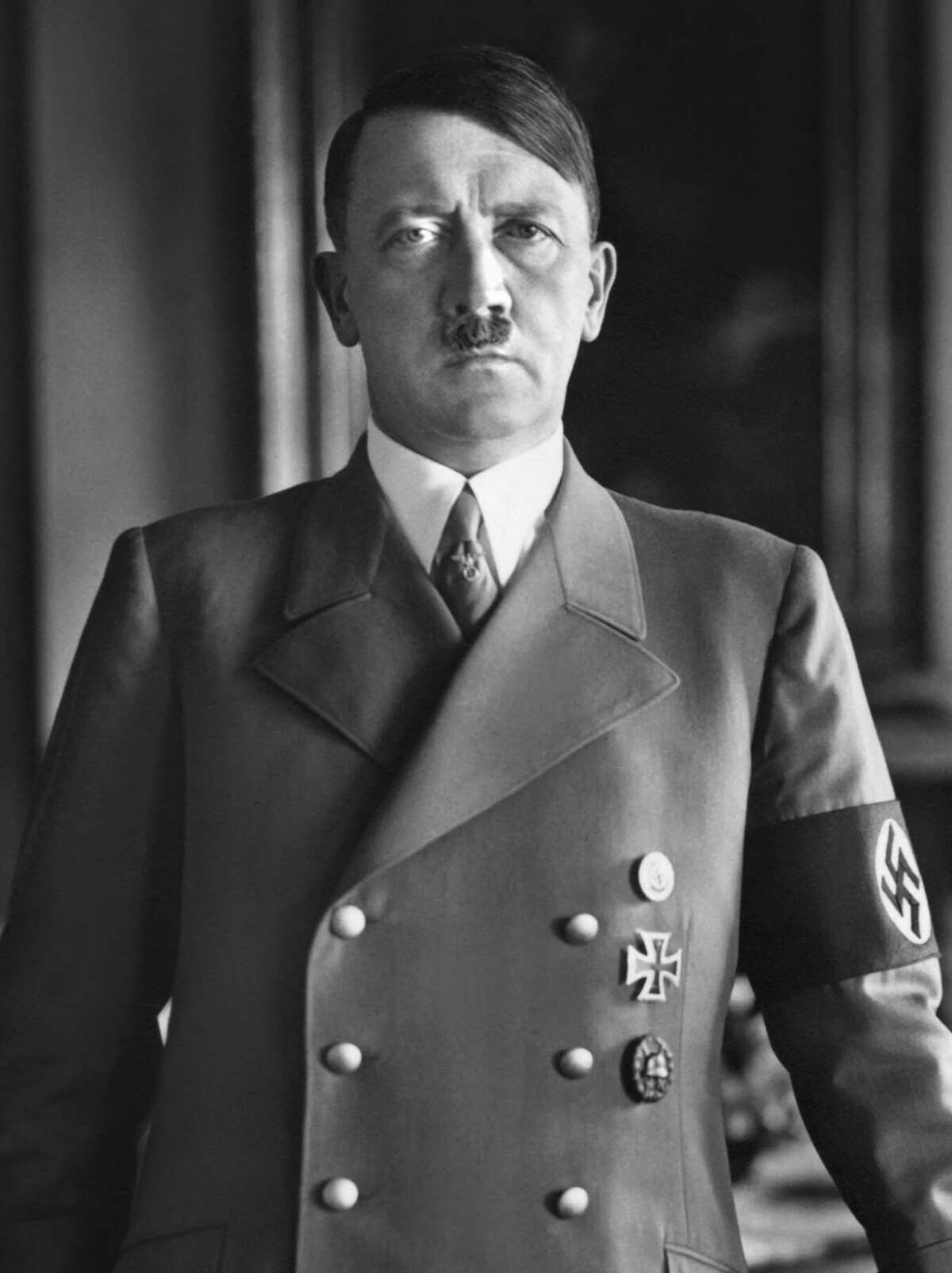
Adolf Hitler
Self (archive footage)

Rudolf Hess
Self (archive footage)
Rosa von Praunheim
Self
Ernst Röhm
Self (archive footage)
Rainer Fromm
Self
Jörg Fischer
Self
Ewald Althans
Self
Bernd-Ulrich Hergemöller
Self
Sven Reichardt
Self
Jürgen Rieger
Self
Rüdiger Lautmann
Self
Alexander Schlesinger
Self
Burkhard Schröder
Self
Michael Kühnen
Self (archive footage)
External Links and Streaming Options
Discover where to watch Men, Heroes and Gay Nazis online, including streaming platforms, rental options, and official sources. Compare reviews, ratings, and in-depth movie information across sites like IMDb, TMDb, Wikipedia or Letterboxd.




Take the Ultimate Men, Heroes and Gay Nazis Movie Quiz
Challenge your knowledge of Men, Heroes and Gay Nazis with this fun and interactive movie quiz. Test yourself on key plot points, iconic characters, hidden details, and memorable moments to see how well you really know the film.
Men, Heroes and Gay Nazis: A quiz exploring the complex intersections of sexuality, extremist politics, and history depicted in the documentary.
Which former neo‑Nazi was arrested in 1994 for Holocaust denial after being filmed at Auschwitz?
Full Plot Summary and Ending Explained for Men, Heroes and Gay Nazis
Read the complete plot summary of Men, Heroes and Gay Nazis, including all major events, twists, and the full ending explained in detail. Explore key characters, themes, hidden meanings, and everything you need to understand the story from beginning to end.
On a march through Berlin, the film examines a provocative clash of identities as gay men confront the legacies of extreme right-wing politics. In a bold, quiet moment among the crowd, the participants critique the idea of gay men aligned with white power or neo-Nazi ideologies, noting the sheer absurdity of such a fusion. One listener perhaps voices the most pointed truth: if the gay far right and neo-Nazis had lived in the era they admire, they would have been exterminated.
Four men in present-day Germany, each with a past or ongoing involvement in right-wing circles, share their experiences and beliefs. Andre, a skinhead who openly embraces his sexuality, defines violence as the courage to defend oneself and as a visible expression of the warrior spirit within. He is openly gay and, while tolerated by some fellow skinheads, he lives under constant threat. Over time, his path leads away from the skinheads and toward conservative political currents, revealing how personal identity and political allegiance can shift in response to fear and belonging.
Bela Ewald Althans emerges from a storied chapter of neo-Nazi history. Once a prominent Nazi figure who admired Adolf Hitler and denied the Holocaust, he was arrested in 1994 and spent 21 months in jail for Holocaust denial caught on camera during a visit to Auschwitz. Today, he works in advertising and remains engaged in the gay community, insisting that his evolution into self-acceptance was gradual rather than abrupt. His perspective underscores the complex, sometimes contradictory paths people take within extremist movements.
Alexander Schlesinger, a native of East Germany, is involved in a political party that espouses extreme-right views. He asserts a provocative stance: being gay does not make someone inherently better, and a gay person can still be racist. When he discusses his attractions, he articulates a controversial ideal: “We gay men are drawn toward a masculine ideal. I can’t stand a screaming queen.” His comments illuminate how some individuals reconcile sexuality with harsh gendered expectations and political ideology.
Jörg Fischer spent nine years as an active member of the far-right parties NPD and DVU, during which time he had a relationship with another male party member. They shared intimate moments for years, yet never spoke about sex or used the word gay. He left those organizations in 1991, rejecting their anti-immigrant and anti-gay stances, and later found another male partner. He now works in social issues, illustrating how personal loyalties and public commitments can diverge over time.
Interwoven with these personal testimonies are expert voices from historians, journalists, and intellectuals who trace the threads between fascism and sexuality through modern German history. The film revisits the life of neo-Nazi Michael Kühnen, a dramatic figure who remained closeted until 1981, when a young gay neo-Nazi named Johannes Bugner was killed in Hamburg for his sexual orientation. Kühnen later published National Socialism and Homosexuality, coming out as gay and arguing that gay men could be formidable fighters because they are less bound by family ties and more bonded to their comrades. He died of AIDS in 1991, but his story continues to provoke questions about the intersection of queerness and extremist politics.
The documentary makes clear that extremist currents have long intersected with homosexual identities. It recounts how key Nazi figures navigated same-sex attraction: Rudolf Hess wrote love letters and poems to men in his youth and only married at Hitler’s urging; Ernst Röhm, a co-founder of the SA, was a close ally of Hitler whose homosexuality and affinity for younger soldiers shaped his role—until the Night of the Long Knives, when Röhm was arrested and killed. Hitler himself is shown via archive footage as the regime’s power unfolds, with discussions of Röhm’s deputy Edmund Heines and the chilling environment around their leadership. The film also touches on the broader historical debate, including theories about Hitler’s own sexuality raised by scholars, and it notes the brutal fact that between five and fifteen thousand gay men were killed in concentration camps during the Nazi era. Pierre Seel, a gay Holocaust survivor, is briefly featured to recount the brutal fate that many faced in Schirmeck-Vorbruck and other camps.
Through these interwoven voices and historical touchpoints, the documentary offers a measured, reflective exploration of how sexuality, identity, and political extremism have intersected in Germany’s past and present. It presents a careful, nuanced portrait that neither sensationalizes nor excuses, instead inviting viewers to consider the unsettling ways in which personal beliefs and public ideologies can collide, blur, or persist across generations.

Coming soon on iOS and Android
The Plot Explained Mobile App
From blockbusters to hidden gems — dive into movie stories anytime, anywhere. Save your favorites, discover plots faster, and never miss a twist again.
Sign up to be the first to know when we launch. Your email stays private — always.
Explore the mobile appDiscover Film Music Concerts Near You – Live Orchestras Performing Iconic Movie Soundtracks
Immerse yourself in the magic of cinema with live orchestral performances of your favorite film scores. From sweeping Hollywood blockbusters and animated classics to epic fantasy soundtracks, our curated listings connect you to upcoming film music events worldwide.
Explore concert film screenings paired with full orchestra concerts, read detailed event information, and secure your tickets for unforgettable evenings celebrating legendary composers like John Williams, Hans Zimmer, and more.


Men, Heroes and Gay Nazis Themes and Keywords
Discover the central themes, ideas, and keywords that define the movie’s story, tone, and message. Analyze the film’s deeper meanings, genre influences, and recurring concepts.
Men, Heroes and Gay Nazis Other Names and Titles
Explore the various alternative titles, translations, and other names used for Men, Heroes and Gay Nazis across different regions and languages. Understand how the film is marketed and recognized worldwide.
Similar Movies To Men, Heroes and Gay Nazis You Should Know About
Browse a curated list of movies similar in genre, tone, characters, or story structure. Discover new titles like the one you're watching, perfect for fans of related plots, vibes, or cinematic styles.


Quick Links: Summary, Cast, Ratings, More

What's After the Movie?
Not sure whether to stay after the credits? Find out!
Check out our other apps:

SAT Sphere
Build confidence for the Digital SAT.

Mori Atlas
Discover wild places worth protecting.

Luntero
Search smarter for a home in Amsterdam.

Plot Explained
Unravel movie endings and hidden clues.

Pokechamp
Dive into Pokémon data and battle logic.

Driving Theory
Get ready for your European theory test.

Movie Dust
Plan your next cinema trip with ease.

Musemap
Find art and culture as you travel.

Selkobase
Compare credentials before committing.

Local Manual
Turn an unfamiliar country into practical next steps.

Lernavi
Compare school systems before your next move.

GymRoam
Find a workout stop wherever your plans take you.
Explore Our Movie Platform
New Movie Releases (2026)
Famous Movie Actors
Top Film Production Studios
Movie Plot Summaries & Endings
Major Movie Awards & Winners
Best Concert Films & Music Documentaries
Movie Collections and Curated Lists
© 2026 What's After the Movie. All rights reserved.
Privacy Policy