Lovers Rock 2020


A single evening at a house party in 1980s West London sets the scene, developing intertwined relationships against a background of violence, romance and music.

Does Lovers Rock have end credit scenes?
No!
Lovers Rock does not have end credit scenes. You can leave when the credits roll.
Meet the Full Cast and Actors of Lovers Rock
Explore the complete cast of Lovers Rock, including both lead and supporting actors. Learn who plays each character, discover their past roles and achievements, and find out what makes this ensemble cast stand out in the world of film and television.
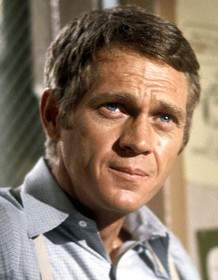
Steve McQueen
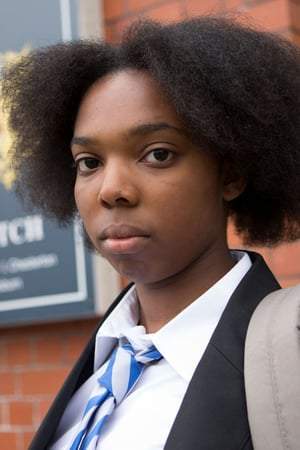
Ellis George
Cynthia

Francis Lovehall
Reggie
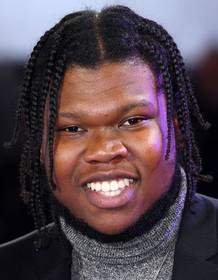
Kadeem Ramsay
Samson
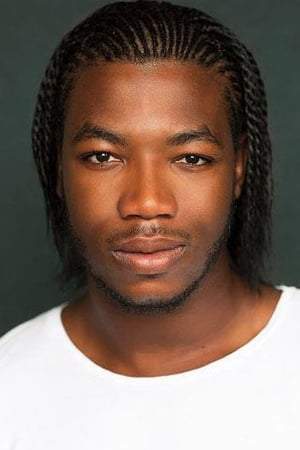
Marcus Fraser
Jabba

Micheal Ward
Franklyn

Shaniqua Okwok
Patty

Frankie Fox
Eddie Marks
Saffron Coomber
Grace
Jermaine Freeman
Skinner
Romario Simpson
Lizard
Kedar Williams-Stirling
Clifton
Daniel Francis-Swaby
Bammy
Alexander James-Blake
Parker B
Amarah-Jae St. Aubyn
Martha
External Links and Streaming Options
Discover where to watch Lovers Rock online, including streaming platforms, rental options, and official sources. Compare reviews, ratings, and in-depth movie information across sites like IMDb, TMDb, Wikipedia or Letterboxd.




Ratings and Reviews for Lovers Rock
See how Lovers Rock is rated across major platforms like IMDb, Metacritic, and TMDb. Compare audience scores and critic reviews to understand where Lovers Rock stands among top-rated movies in its genre.

The Movie Echo Score
Lovers Rock delivers a vivid snapshot of a 1980s London house party, prioritising atmosphere over narrative depth. Reviewers consistently praise the film's ability to immerse viewers in the music and communal energy, while noting the scarcity of conventional plot and character development. The soundtrack and dance sequences are highlighted as the primary drivers of engagement, though some critics find the minimal story structure limiting. Overall, the episode succeeds as a sensory experience despite its narrative restraint.
The Movie Echo Score Breakdown for Lovers Rock

Art & Craft
In terms of art and craft, the episode showcases confident direction and striking cinematography. Reviewers commend the long, steady shots that capture the party’s flow and the vibrant lighting that enhances the dance floor. Some note occasional intrusive lens flares and a thin plot as detracting factors. The visual execution, however, is generally regarded as a strong component of the film.

Character & Emotion
Character and emotion receive mixed appraisal, with acting described as competent yet underutilised. Positive remarks focus on the young cast’s chemistry and the authentic feel of interpersonal moments. Conversely, several critics point out the lack of substantive character arcs and sparse dialogue. The overall impression is that performances serve the atmosphere but do not offer deep emotional resonance.

Story & Flow
Story and flow are the most contested aspect, as the episode deliberately minimizes conventional narrative. Critics acknowledge the intent to foreground vibe and music rather than plot, resulting in a fragmented storyline. Some viewers appreciate this experimental approach, while others find the limited plot and abrupt subplots disrupt engagement. Consequently, the narrative is viewed as functional but not compelling.

Sensory Experience
Sensory experience stands out as the episode’s strongest element, with the reggae soundtrack and sound design receiving unanimous praise. Reviewers describe the music as immersive, often extending beyond the frame to reinforce presence. Visual style, including dynamic camera movement on the dance floor, further amplifies the sensory impact. Minor technical criticisms do not diminish the overall excellence of the auditory and visual atmosphere.

Rewatch Factor
Rewatch factor is high, as many viewers report repeated viewings that rekindle personal memories and sustain enjoyment. The energetic dance sequences and authentic party ambiance encourage repeat engagement. While some critics suggest limited appeal for broader audiences, the episode’s ability to evoke nostalgia and invite further immersion contributes to strong replay value.
Full Plot Summary and Ending Explained for Lovers Rock
Read the complete plot summary of Lovers Rock, including all major events, twists, and the full ending explained in detail. Explore key characters, themes, hidden meanings, and everything you need to understand the story from beginning to end.
Lover’s Rock (2020) opens by showing the careful work behind turning a West London two-story into a buzzing house party, where couches are wrapped and moved outside, rugs are rolled, and a crew of friends buzzes with anticipation. Reggae hums from large speakers rolled in from vans, while the kitchen fills with the sound of women preparing food and singing together, setting a warm, intimate tone for a night that will feel like a private world apart from the streets outside.
At about eight minutes in, Amarah-Jae St. Aubyn as Martha slips out of her second-floor window and heads toward a traditional basement blues party in the city. Night falls, and she teams up with her friend Patty, played by Shaniqua Okwok, to catch a local bus that will wind past the gathering. The air is alive with song and the promise of freedom as the two cheer, “freedom!” and joke that you can’t wear church shoes to blues dance. The bus blooms with passengers and reggae, yet a solitary figure with a tall wooden cross outside the window casts a quiet shadow over the excitement, a reminder of what lies beyond the celebration.
The party itself hums with energy as Martha and Patty are admitted by a bouncer into a space where strangers and friends mingle. Inside, the dance floor moves in unison to familiar grooves, and a sense of community grows amid the rhythms. It’s here that Martha encounters a calm, deliberate presence in Franklyn, played by Micheal Ward. The two keep crossing paths—in the hallways, on the way to the bathroom, and in the glow of the dance floor—and their connection deepens as the night unfolds. The atmosphere tilts toward something more intimate as couples form and the house becomes a private microcosm of joy and longing, a sanctuary animated by music and movement.
Patty’s sudden departure while Martha remains creates a turning point, thrusting Martha into navigating the remainder of the night on her own. She emerges into the street, where the celebrations’ warmth collides with a harsher note: a group of young white men hurl monkey noises at her, a stark reminder of the racialized gaze that can puncture a night of freedom. The bouncer’s quick intervention doesn’t erase the moment, but it does puncture the party’s walls with a reminder of danger that lies just beyond the doors.
The mood of the evening swells again during a moment when the DJ guides a group sing-along of Janet Kay’s “Silly Games,” the crowd joining in a cappella and turning strangers into chorus members in a shared memory. The film uses this scene to illustrate how the party stitches together personal longing with a sense of communal yearning, a thread that runs through Martha and Franklyn’s evolving connection. Yet the night’s shadows are never far away.
A darker turn arrives when Bammy, a man who approached Martha earlier, reappears with troubling intent and shadows another passerby outside. When Martha and a friend respond, the tension escalates, highlighting the film’s careful balance between the warmth of the music and the fragility of safety. Franklyn steps in, offering protection as the situation shifts from playful to perilous, underscoring the sense that even among friends, danger can intrude upon a moment of escape.
Martha’s cousin also arrives later, insisting that it’s far too late and they should head home. The two clash, drawing in others until the cousin is dismissed from the party, allowing Martha to reclaim a night that has grown increasingly real and complicated. The action threads together the film’s core tension: the pull of independence and the demand for responsibility in a world that can be both jubilant and perilous.
As dawn breaks, Martha and Franklyn ride a tandem bike through the quietening streets, slipping into a brief, intimate moment at Franklyn’s repair shop. A kiss is shared, but it’s interrupted when his boss admonishes, “Frank, this isn’t a knocking shop. You do not bring your Doris in here.” The line, steeped in British slang, punctuates a boundary between private desire and the outside world, reminding the couple of the realities they must navigate beyond the glow of the night.
With the first light, the two part ways and promise to reconnect that night, scooting back toward their separate lives. Martha, still illuminated by the memory of the night, passes the same stretch of street where she first encountered the cross and, on her homeward journey, catches another glimpse of the man carrying the wooden cross. She slips back into her family home through her bedroom window, dropping her dancing shoes on the wooden floor as morning light spills across the room and reveals the cross on her wall, a quiet, enduring symbol of the night’s journey.
Back inside, the day begins with the stern routine of church and family expectations. The party has ended, but the memory of the night—its music, its risks, its fleeting tenderness—lingers in Martha’s mind. The film closes on the note that freedom and responsibility can coexist in a single night, and that what happens in the basement blues can shape the choices of a young woman stepping toward adulthood.
“freedom!”
“you just can’t wear church shoes to blues dance.”
“Frank, this isn’t a knocking shop. You do not bring your Doris in here.”

Coming soon on iOS and Android
The Plot Explained Mobile App
From blockbusters to hidden gems — dive into movie stories anytime, anywhere. Save your favorites, discover plots faster, and never miss a twist again.
Sign up to be the first to know when we launch. Your email stays private — always.
Explore the mobile appDiscover Film Music Concerts Near You – Live Orchestras Performing Iconic Movie Soundtracks
Immerse yourself in the magic of cinema with live orchestral performances of your favorite film scores. From sweeping Hollywood blockbusters and animated classics to epic fantasy soundtracks, our curated listings connect you to upcoming film music events worldwide.
Explore concert film screenings paired with full orchestra concerts, read detailed event information, and secure your tickets for unforgettable evenings celebrating legendary composers like John Williams, Hans Zimmer, and more.


Lovers Rock Themes and Keywords
Discover the central themes, ideas, and keywords that define the movie’s story, tone, and message. Analyze the film’s deeper meanings, genre influences, and recurring concepts.

Unlock the World of Movies with Our Comprehensive Wiki
Dive into our Movie Wiki for in-depth film encyclopedia entries, including cast biographies, production trivia, plot synopses, behind-the-scenes facts, and thematic analyses. Whether you’re researching iconic directors, exploring genre histories, or discovering hidden easter eggs, our expertly curated movie database has everything you need to fuel your cinematic passion.
Similar Movies To Lovers Rock You Should Know About
Browse a curated list of movies similar in genre, tone, characters, or story structure. Discover new titles like the one you're watching, perfect for fans of related plots, vibes, or cinematic styles.





Quick Links: Summary, Cast, Ratings, More

What's After the Movie?
Not sure whether to stay after the credits? Find out!
Check out our other apps:

SAT Sphere
Build confidence for the Digital SAT.

Mori Atlas
Discover wild places worth protecting.

Luntero
Search smarter for a home in Amsterdam.

Plot Explained
Unravel movie endings and hidden clues.

Pokechamp
Dive into Pokémon data and battle logic.

Driving Theory
Get ready for your European theory test.

Movie Dust
Plan your next cinema trip with ease.

Musemap
Find art and culture as you travel.

Selkobase
Compare credentials before committing.

Local Manual
Turn an unfamiliar country into practical next steps.

Lernavi
Compare school systems before your next move.

GymRoam
Find a workout stop wherever your plans take you.
Explore Our Movie Platform
New Movie Releases (2026)
Famous Movie Actors
Top Film Production Studios
Movie Plot Summaries & Endings
Major Movie Awards & Winners
Best Concert Films & Music Documentaries
Movie Collections and Curated Lists
© 2026 What's After the Movie. All rights reserved.
Privacy Policy