Little Joe 2019


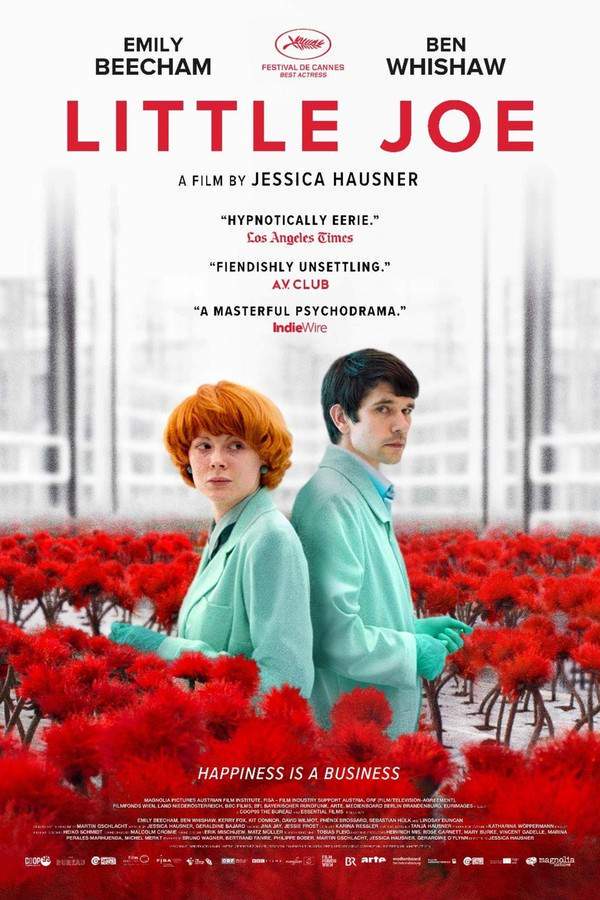
A dedicated mother and botanist cultivates a unique crimson flower, designed to promote happiness. As she cares for "Little Joe," she begins to suspect the plant’s influence extends beyond simple contentment, and a growing unease takes root. She must confront the possibility that her creation has developed a life and will of its own, leading her to question the true nature of its power and its effect on those around her.

Does Little Joe have end credit scenes?
No!
Little Joe does not have end credit scenes. You can leave when the credits roll.
Where to Watch Little Joe
See current US streaming, rental, and purchase options for Little Joe (2019) via JustWatch.

Magnolia Selects Amazon Channel
HD
Monsters and Nightmares Amazon Channel
HD
Philo
HD
Hoopla
SD
Kanopy
HD
Tubi TV
SD
Xumo Play
HD
YouTube Free
HD
Amazon Video
SD
Apple TV Store
HD
Fandango At Home
SD
Google Play Movies
SD
YouTube
SD Streaming availability powered by 
Meet the Full Cast and Actors of Little Joe
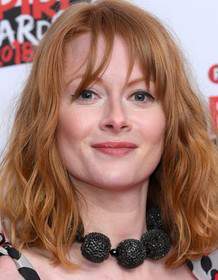
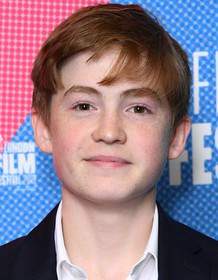
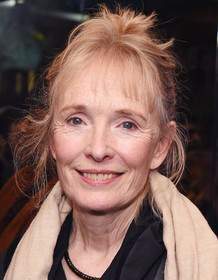
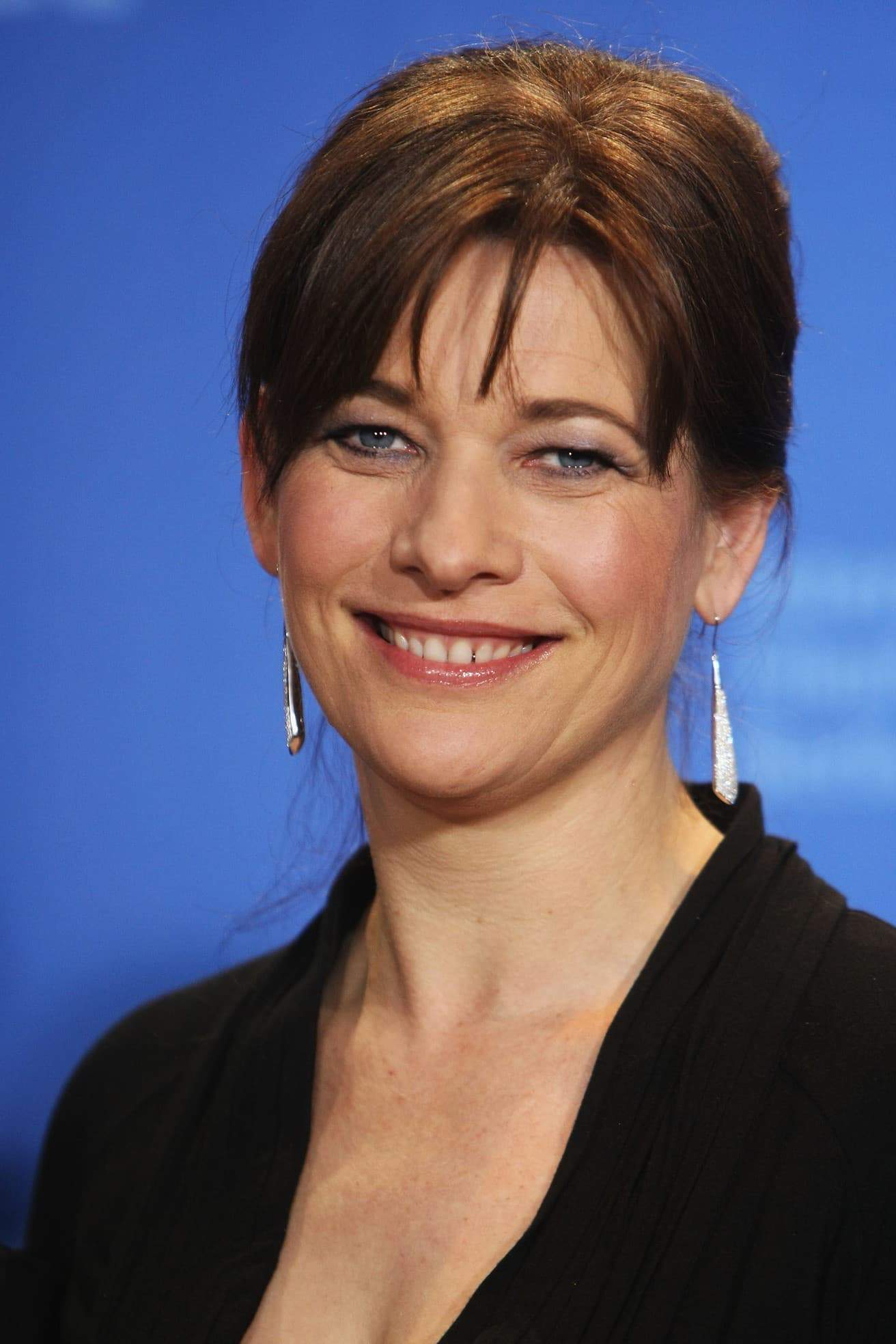
Explore the complete cast of Little Joe, including both lead and supporting actors. Learn who plays each character, discover their past roles and achievements, and find out what makes this ensemble cast stand out in the world of film and television.



External Links and Streaming Options
Discover where to watch Little Joe online, including streaming platforms, rental options, and official sources. Compare reviews, ratings, and in-depth movie information across sites like IMDb, TMDb, Wikipedia or Rotten Tomatoes.










Ratings and Reviews for Little Joe
See how Little Joe is rated across major platforms like IMDb, Metacritic, and TMDb. Compare audience scores and critic reviews to understand where Little Joe stands among top-rated movies in its genre.

The Movie Echo Score
In overall terms, Little Joe delivers a visually meticulous and thematically provocative journey into manufactured happiness, but its restrained emotional palette and deliberate pacing polarize audiences. Critics and viewers highlighted its hypnotic staging, satirical undercurrents, and second‐viewing rewards, yet many found the narrative cohesion and character connection lacking. The film stands out for its distinctive art direction and conceptual depth, but its measured tempo and affective detachment may limit broader appeal.
The Movie Echo Score Breakdown for Little Joe

Art & Craft
In terms of art and craft, Little Joe demonstrates a refined aesthetic sensibility through its precise framing, disciplined color palette, and meticulous production design. Critics and viewers alike noted the striking symmetries, controlled camera movements, and iconic imagery of the greenhouse and institute. The film’s visual rigor leaves a memorable impression in each scene, reinforcing its thematic concerns.

Character & Emotion
When it comes to character and emotion, the performances offer subtlety but sometimes maintain an emotional distance. Emily Beecham’s measured portrayal of Alice conveys poised restraint, yet secondary characters often feel underexplored. While some found the maternal dynamic provocative and psychologically layered, others experienced a sterile tone that limited emotional investment. Ultimately, the film balances nuanced intent with occasional affective detachment.

Story & Flow
In terms of story and flow, Little Joe unfolds at a deliberately measured pace that emphasizes thematic exploration. Reviewers praised its conceptual framing of happiness and ethical questions, but criticized uneven pacing and structural gaps that hinder narrative momentum. The plant’s psychological premise intrigues, yet the slow build and lack of a definitive climax leave the plot feeling underdeveloped. Net, thematic richness competes with plodding execution.

Sensory Experience
When it comes to the sensory experience, the film crafts an unsettling atmosphere through its layered sound design and refined visual style. Incidental music and high‐pitched drones create a persistent tension, while discordant audio motifs punctuate key moments. Combined with the poised cinematography, these elements generate a cohesive mood that underlines the film’s eerie, clinical tone and satirical undertones.

Rewatch Factor
Regarding rewatch value, Little Joe reveals additional layers upon subsequent viewings, particularly in its thematic nuances and visual motifs. Observers found that the interplay between design elements and narrative symbolism becomes clearer over time. However, the film’s slow pacing and structural ambiguities may diminish immediate repeat appeal for some viewers. In sum, the second viewing deepens appreciation for style but not necessarily for engagement.

60
Metascore
4.4
User Score


66%
TOMATOMETER

41%
User Score

5.8 /10
IMDb Rating
57
%
User Score

1.00/5
From 2 fan ratings
Awards & Nominations for Little Joe
Discover all the awards and nominations received by Little Joe, from Oscars to film festival honors. Learn how Little Joe and its cast and crew have been recognized by critics and the industry alike.
Full Plot Summary and Ending Explained for Little Joe
Read the complete plot summary of Little Joe, including all major events, twists, and the full ending explained in detail. Explore key characters, themes, hidden meanings, and everything you need to understand the story from beginning to end.
Emily Beecham stars as Alice Woodard, a careful and ambitious plant breeder working in a lab devoted to growing new flower strains. Her colleague, Kerry Fox Bella, is frustrated by a stubborn project: a hardy plant that can survive neglect, yet Alice and her team somehow unlock a variety that demands more care but delivers unexpected joy to those who nurture it. The mood in the lab shifts as the discovery promises a breakthrough that could redefine their work, and Alice pushes forward with a stubborn optimism, hoping to balance science with a touch of wonder.
Alice decides to name the experimental plants Little Joe in honor of her son, and she smuggles out a specimen for him to meet. Kit Connor plays Joe, a curious kid drawn to the promise of a flowering marvel that feels almost magical in its charm. The bond between mother and child grows quickly as the Little Joes begin to spread their presence, and Alice notes that these flowers seem to pollinate with unusual vigor, something she suspects might be tied to an unintended genetic quirk—perhaps a sterility in the plants that drives the rapid, aggressive pollination she observes.
The situation quickly spirals as the Little Joes unleash their unusual behavior in the lab. On the same day, Bella’s dog Bello vanishes, prompting Ben Whishaw to step in as Chris, a colleague who heads out to search for the missing pet. Chris’s encounter with the pollen becomes a turning point: he inhales the mysterious dust and later tries to kiss Alice, despite her evident reluctance, marking the first hints of a complicated tension between professional curiosity and personal boundaries. The pollen’s effect seems to echo through the people connected to the project, foreshadowing a broader threat to the team.
The next day brings a troubling discovery: Bella finds Bello, but the animal attacks her, and she insists that the dog has changed. Chris later confides in Alice that Bella’s mental health has been strained for years, including a past suicide attempt, and that she had Bello put down—changes that, he says, the plant could be amplifying. Alice grapples with the possibility that Bella’s fears might be grounded in reality, while Bella herself becomes a focal point of suspicion and concern within the group. In the tense atmosphere, a Lindsay Duncan as Psychotherapist is consulted to help untangle the growing paranoia and to examine the physiological oddities the pollen seems to trigger in living beings.
As the pollen continues to spread, Alice’s own son is accidentally pollinated and begins to exhibit strange, unsettling behavior. He starts sneaking his classmate Selma, played by Jessie Mae Alonzo as Selma, into the lab and even steals a Little Joe. He confesses that he is considering moving in with his father, Ivan, a figure connected to the community’s tense dynamics and played by Sebastian Hülk as Ivan. The film then tightens its focus on the fear of where the pollen could lead if left unchecked, with Alice’s mounting concerns about the plant’s potential to carry a harmful effect intensifying as she reviews test footage of subjects who have been exposed to its pollen. In every family that appears in the footage, relatives report that something about their behavior shifted after exposure, amplifying Alice’s sense of dread and responsibility.
But just as she begins to believe Bella’s earlier suspicions, Bella herself is exposed to the pollen and dismisses her earlier fears as paranoia rooted in her mental health struggles. The tension reaches a new height when Joe and Selma reveal that they stole the plant to pollinate Ivan, seemingly confirming Alice’s fears about a hidden virus-like effect carried by the Little Joe. Yet this turns out to be a misunderstanding, as Chris later reveals that the claim came from a miscommunication between him and Joe. The moment is a reminder of how easily fear can be weaponized in a small, high-stakes lab environment.
Following a confrontation with Chris, Bella claims she never inhaled the pollen and had simply been playing along to blend in with the others. The revelation is brutal and chaotic, culminating in a tragic accident where Bella falls down a staircase during a heated exchange with Chris. The incident becomes a turning point for Alice, who, despite growing evidence of danger, finds her crisis moment interrupted by the reality of a corporate decision to commercialize the Little Joe.
With the lab’s temperature being lowered in a last-ditch effort to suppress the plant’s effects, Alice contemplates drastic actions to destroy the Little Joes before they can be sold worldwide. Chris intervenes, trying to stop her by knocking her to the floor in a bid to shield her from the pollen, inadvertently exposing himself to the pollen in the process. The repercussions of this moment ripple through the lab and the company’s plans, underscoring the film’s tension between scientific ambition and ethical responsibility.
In the aftermath, the news reveals that the Little Joe has been nominated for an award, signaling that the plant will soon reach markets around the world. Chris offers a quiet, sincere apology for his earlier confrontation, and the moment gives Alice a reason to rethink her suspicions. She shares a quiet kiss with him, a small but meaningful gesture that hints at a new, uncertain happiness. In the film’s final act, she chooses to permit Joe to move in with his father while she embarks on a new life with her own Little Joe—an ending that suggests both renewal and the persistent lure of the plant’s beauty, even as its unsettling origins remain shrouded in questions.

Coming soon on iOS and Android
The Plot Explained Mobile App
From blockbusters to hidden gems — dive into movie stories anytime, anywhere. Save your favorites, discover plots faster, and never miss a twist again.
Sign up to be the first to know when we launch. Your email stays private — always.
Explore the mobile appWatch Trailers, Clips & Behind-the-Scenes for Little Joe
Watch official trailers, exclusive clips, cast interviews, and behind-the-scenes footage from Little Joe. Dive deeper into the making of the film, its standout moments, and key production insights.
Little Joe Themes and Keywords
Discover the central themes, ideas, and keywords that define the movie’s story, tone, and message. Analyze the film’s deeper meanings, genre influences, and recurring concepts.

Unlock the World of Movies with Our Comprehensive Wiki
Dive into our Movie Wiki for in-depth film encyclopedia entries, including cast biographies, production trivia, plot synopses, behind-the-scenes facts, and thematic analyses. Whether you’re researching iconic directors, exploring genre histories, or discovering hidden easter eggs, our expertly curated movie database has everything you need to fuel your cinematic passion.

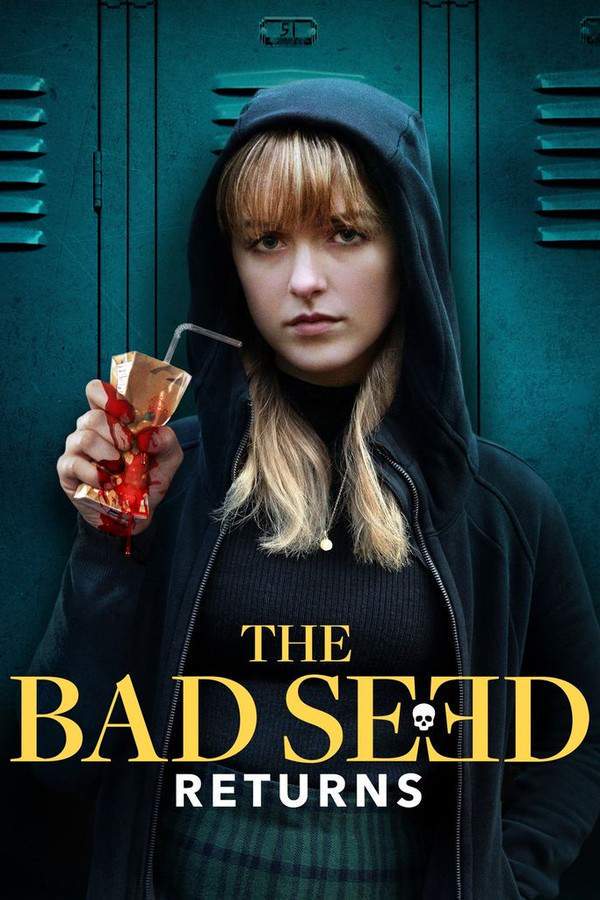
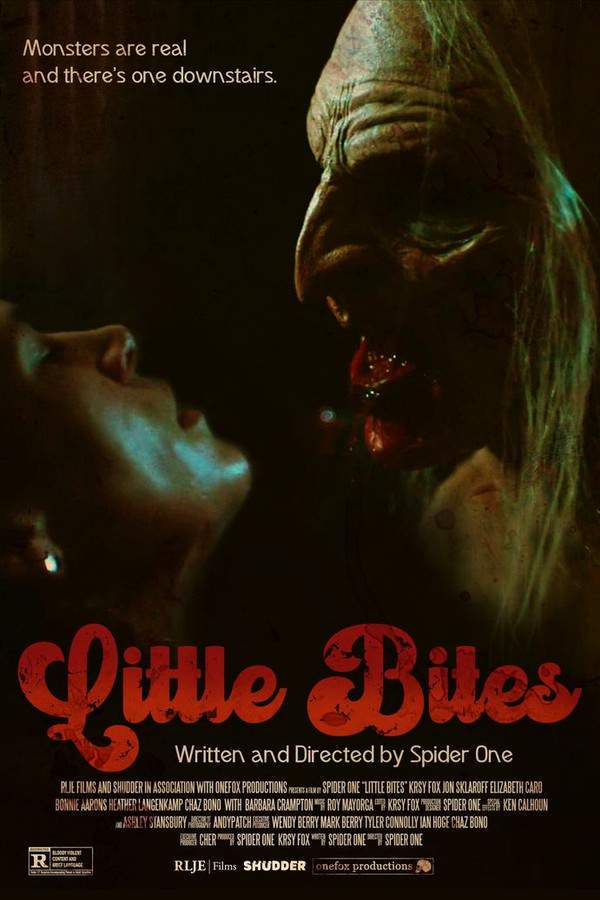
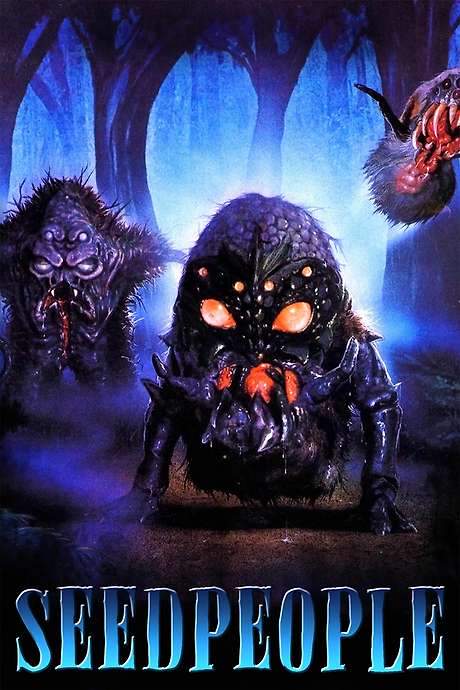
Similar Movies To Little Joe You Should Know About
Browse a curated list of movies similar in genre, tone, characters, or story structure. Discover new titles like the one you're watching, perfect for fans of related plots, vibes, or cinematic styles.




Quick Links: Summary, Cast, Ratings, More

What's After the Movie?
Not sure whether to stay after the credits? Find out!
Check out our other apps:

SAT Sphere
Build confidence for the Digital SAT.

Mori Atlas
Discover wild places worth protecting.

Luntero
Search smarter for a home in Amsterdam.

Plot Explained
Unravel movie endings and hidden clues.

Pokechamp
Dive into Pokémon data and battle logic.

Driving Theory
Get ready for your European theory test.

Movie Dust
Plan your next cinema trip with ease.

Musemap
Find art and culture as you travel.

Selkobase
Compare credentials before committing.

Local Manual
Turn an unfamiliar country into practical next steps.

Lernavi
Compare school systems before your next move.

GymRoam
Find a workout stop wherever your plans take you.
Explore Our Movie Platform
New Movie Releases (2026)
Famous Movie Actors
Top Film Production Studios
Movie Plot Summaries & Endings
Major Movie Awards & Winners
Best Concert Films & Music Documentaries
Movie Collections and Curated Lists
© 2026 What's After the Movie. All rights reserved.
Privacy Policy