Child of Rage 1992


After a priest and his wife adopt a brother and sister, the young girl begins to experience violent, uncontrollable rage. Determined to help her, they place her in therapy and investigate the hidden cause of her outbursts, uncovering a darker family secret that lies beneath the anger.


Does Child of Rage have end credit scenes?
No!
Child of Rage does not have end credit scenes. You can leave when the credits roll.
Meet the Full Cast and Actors of Child of Rage
Explore the complete cast of Child of Rage, including both lead and supporting actors. Learn who plays each character, discover their past roles and achievements, and find out what makes this ensemble cast stand out in the world of film and television.

Mel Harris
Jill Tyler
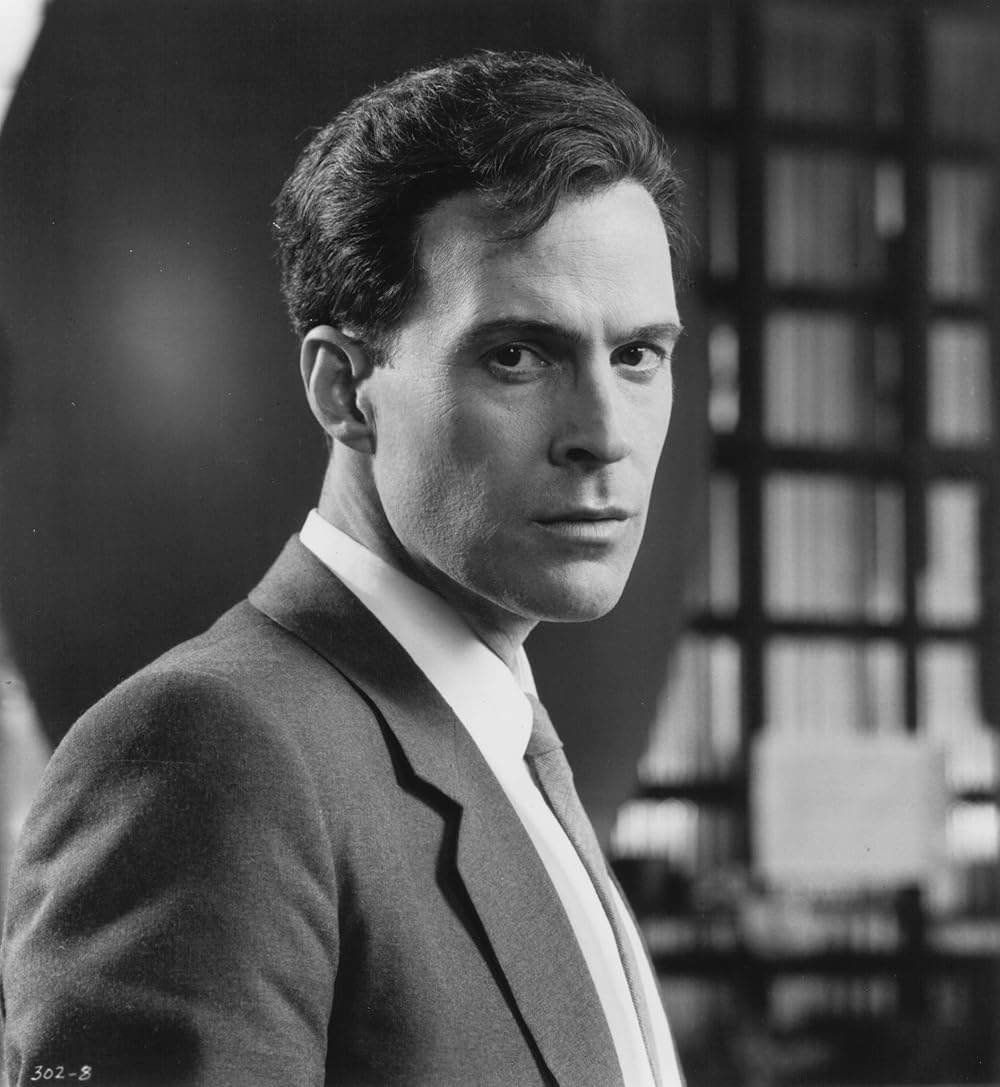
Dwight Schultz
Rob Tyler
Ashley Peldon
Catherine
Patricia Gage
Laurel
Johannah Newmarch
Stephanie
Mariette Hartley
Dr. Rosemary Myers
Rosanna DeSoto
Doris
Terence Kelly
Mike
Christine Willes
Teacher (uncredited)
Kim Kondrashoff
Baby Cat's Father
Nan Martin
Barbara
George D. Wallace
Henry
Sam Gifaldi
Eric
Louise Dupuis
Johnny (uncredited)
External Links and Streaming Options
Discover where to watch Child of Rage online, including streaming platforms, rental options, and official sources. Compare reviews, ratings, and in-depth movie information across sites like IMDb, TMDb, Wikipedia or Rotten Tomatoes.






Take the Ultimate Child of Rage Movie Quiz
Challenge your knowledge of Child of Rage with this fun and interactive movie quiz. Test yourself on key plot points, iconic characters, hidden details, and memorable moments to see how well you really know the film.
Child of Rage Movie Quiz: A diverse quiz exploring the plot, characters, and themes of the 1992 film Child of Rage.
What is the primary reason Jill and Rob Tyler adopt two children in the film?
Full Plot Summary and Ending Explained for Child of Rage
Read the complete plot summary of Child of Rage, including all major events, twists, and the full ending explained in detail. Explore key characters, themes, hidden meanings, and everything you need to understand the story from beginning to end.
Jill Harris and her husband Rob Schultz, a dedicated minister, decide to adopt two children, Catherine and Eric, in hopes of giving them a fresh start. Eric, portrayed as a gentle and shy boy, quickly adapts to his new home, displaying a sweet and timid nature. However, Catherine, who initially appears similar, soon begins to exhibit alarming and unpredictable behaviors, characterized by sudden outbursts of violent rage that seem to have no clear cause. At first, some of her violent episodes, like minor outbursts, go unnoticed, but things take a darker turn when she cruelly stabs the family dog with a needle, forcing Jill and Rob to realize that there is a serious issue at hand.
Concerned and seeking answers, the couple turns to Doris, their children’s caseworker, hoping she can shed light on Catherine’s troubling past. However, Doris, citing confidentiality laws, is initially reluctant to provide details. The situation escalates further when Catherine, in a disturbed state, attempts to seduce her adoptive grandfather, prompting Jill and Rob to seek professional help by taking her to a psychologist. Despite her composed exterior and convincing demeanor, Catherine manages to fool the therapist, creating the impression that everything is perfectly fine. Unsettlingly, later, Jill notices bruises on Eric, who confesses that Catherine was the one responsible for inflicting them, leading to a violent incident where Catherine slams Eric’s head onto the basement floor, landing him in emergency care.
Soon, Doris reveals previously hidden truths about the children’s past. She admits she rescued them from an abusive home after receiving a distressing phone call. When they were found, Eric was in terrible condition, but Catherine’s injuries were even more severe. Their mother was hospitalized with pneumonia, and their father was nowhere to be found, reportedly off drunk. The shocking depth of the abuse becomes clearer when Doris discloses that Catherine has an older sister named Stephanie, whom she tracked down at a topless bar. Stephanie, a woman hardened by her past, shares her story of childhood sexual abuse at the hands of their father. When she fought back, her father shifted his focus onto Catherine, who was just a baby, explaining her violent tendencies and deep-seated rage.
As more troubling incidents occur, such as Catherine cutting a classmate with glass, Doris reveals her ongoing struggles to find a solution and gives Jill and Rob a book titled Kids Who Kill, which she feels perfectly describes Catherine. Recognizing her extreme behavior, Doris suggests a controversial therapy called holding therapy, developed by Dr. Rosemary Myers, which aims to address attachment disorders by physically holding the child while provoking their rage to unlock underlying pain.
Dr. Myers, portrayed as a compassionate but firm expert, begins examining Catherine. Initially, Catherine puts up a facade during the therapy sessions, but her true nature is exposed when Dr. Myers employs reverse psychology, causing her to admit to her violent acts. Dr. Myers explains that Catherine’s issues stem from a lack of bonding and her attachment disorder, which has caused her profound emotional trauma. The first holding therapy session involves Jill, Rob, and Dr. Myers physically holding Catherine while intentionally provoking her rage, with the intention of helping her confront her pain. Although the session starts promisingly, Jill feels it is pushing too far. Nevertheless, Dr. Myers reassures them that they need to trust her expertise. The session culminates with an emotionally powerful moment: Catherine, overwhelmed by her emotions, admits her desire to reenact her past violence, revealing the intense pain lurking beneath her rage.
Although this therapy is theoretically meant to span over six weeks, the couple recognizes they cannot wait and must continue at home, where they hope to help Catherine recover. Before returning home, a tense incident occurs when another disturbed child named Justin starts a fire at the hotel, causing chaos. Left alone, Catherine becomes increasingly distressed and, in a moment of rage, attempts to stab Rob but is stopped just in time. Once back in their home, Jill and Rob discuss the idea of spending individual time with each parent, hoping that this might foster better bonding and help integrate Catherine’s healing process.
In a significant breakthrough during another holding therapy session, Catherine begins to cry, a raw moment that prompts tears from Jill as well. She seeks comfort from her parents, finally expressing her love for them. The scene closes on a poignant, emotional embrace among the three, symbolizing hope for her recovery and the possibility of a better future.
This story is a powerful exploration of trauma, healing, and the complex process of confronting deep-seated pain, emphasizing that with patience and understanding, even the most damaged children can find a way to heal and love again.

Coming soon on iOS and Android
The Plot Explained Mobile App
From blockbusters to hidden gems — dive into movie stories anytime, anywhere. Save your favorites, discover plots faster, and never miss a twist again.
Sign up to be the first to know when we launch. Your email stays private — always.
Explore the mobile appDiscover Film Music Concerts Near You – Live Orchestras Performing Iconic Movie Soundtracks
Immerse yourself in the magic of cinema with live orchestral performances of your favorite film scores. From sweeping Hollywood blockbusters and animated classics to epic fantasy soundtracks, our curated listings connect you to upcoming film music events worldwide.
Explore concert film screenings paired with full orchestra concerts, read detailed event information, and secure your tickets for unforgettable evenings celebrating legendary composers like John Williams, Hans Zimmer, and more.


Cars Featured in Child of Rage
Explore all cars featured in Child of Rage, including their makes, models, scenes they appear in, and their significance to the plot. A must-read for car enthusiasts and movie buffs alike.
Child of Rage Themes and Keywords
Discover the central themes, ideas, and keywords that define the movie’s story, tone, and message. Analyze the film’s deeper meanings, genre influences, and recurring concepts.

Unlock the World of Movies with Our Comprehensive Wiki
Dive into our Movie Wiki for in-depth film encyclopedia entries, including cast biographies, production trivia, plot synopses, behind-the-scenes facts, and thematic analyses. Whether you’re researching iconic directors, exploring genre histories, or discovering hidden easter eggs, our expertly curated movie database has everything you need to fuel your cinematic passion.
Similar Movies To Child of Rage You Should Know About
Browse a curated list of movies similar in genre, tone, characters, or story structure. Discover new titles like the one you're watching, perfect for fans of related plots, vibes, or cinematic styles.






Quick Links: Summary, Cast, Ratings, More

What's After the Movie?
Not sure whether to stay after the credits? Find out!
Check out our other apps:

SAT Sphere
Build confidence for the Digital SAT.

Mori Atlas
Discover wild places worth protecting.

Luntero
Search smarter for a home in Amsterdam.

Plot Explained
Unravel movie endings and hidden clues.

Pokechamp
Dive into Pokémon data and battle logic.

Driving Theory
Get ready for your European theory test.

Movie Dust
Plan your next cinema trip with ease.

Musemap
Find art and culture as you travel.

Selkobase
Compare credentials before committing.

Local Manual
Turn an unfamiliar country into practical next steps.

Lernavi
Compare school systems before your next move.

GymRoam
Find a workout stop wherever your plans take you.
Explore Our Movie Platform
New Movie Releases (2026)
Famous Movie Actors
Top Film Production Studios
Movie Plot Summaries & Endings
Major Movie Awards & Winners
Best Concert Films & Music Documentaries
Movie Collections and Curated Lists
© 2026 What's After the Movie. All rights reserved.
Privacy Policy