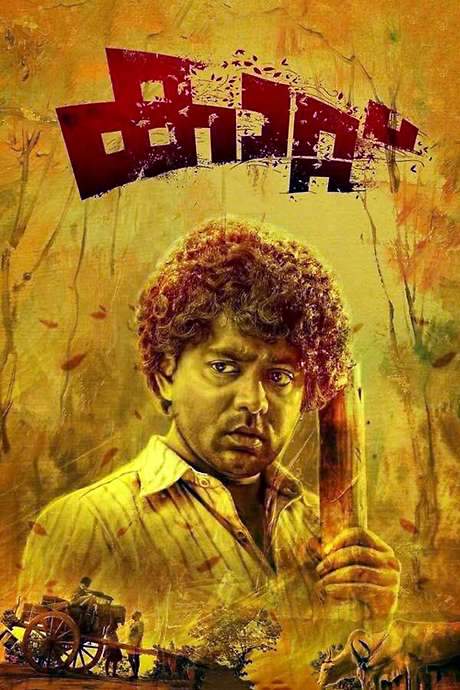
Kadaisi Vivasayi 2021


The Last Farmer Maayandi, the only farmer in a village that has abandoned farming, is charged with a petty case that leads to his imprisonment.


Does Kadaisi Vivasayi have end credit scenes?
No!
Kadaisi Vivasayi does not have end credit scenes. You can leave when the credits roll.
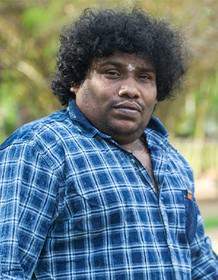
Meet the Full Cast and Actors of Kadaisi Vivasayi
Explore the complete cast of Kadaisi Vivasayi, including both lead and supporting actors. Learn who plays each character, discover their past roles and achievements, and find out what makes this ensemble cast stand out in the world of film and television.

External Links and Streaming Options
Discover where to watch Kadaisi Vivasayi online, including streaming platforms, rental options, and official sources. Compare reviews, ratings, and in-depth movie information across sites like IMDb, TMDb, Wikipedia or JustWatch.






Ratings and Reviews for Kadaisi Vivasayi
See how Kadaisi Vivasayi is rated across major platforms like IMDb, Metacritic, and TMDb. Compare audience scores and critic reviews to understand where Kadaisi Vivasayi stands among top-rated movies in its genre.

The Movie Echo Score
Kadaisi Vivasayi delivers an authentic portrait of rural agrarian life through cohesive direction and grounded storytelling. Reviewers commend its realistic performances, striking natural cinematography, and understated music that together create an immersive atmosphere. The narrative’s modest structure avoids melodramatic excess while still evoking emotional resonance. Its strong rewatch value is highlighted by audiences who have seen it multiple times. Overall, the film stands as a compelling, craft-driven work that underscores the significance of farmer experiences.
The Movie Echo Score Breakdown for Kadaisi Vivasayi

Art & Craft
The film’s art and craft excel, particularly in its cinematography. Reviewers highlight mind‑blowing natural visuals, precise framing of rural landscapes, and effective use of lighting that enhances authenticity. Photography and camera work are repeatedly praised as outstanding, while the overall visual execution feels cohesive. Consequently, the artistic component significantly elevates the viewing experience.

Character & Emotion
Performances deliver a natural and emotionally resonant portrayal of village life. Viewers note Nallandi’s grandfatherly presence and realistic acting, while supporting roles by Vijay Sethupathi and Yogi Babu are described as well‑integrated. Characterisation of Mayandi receives specific commendation, and overall chemistry feels authentic. This strong character work anchors the film’s emotional core.

Story & Flow
The narrative presents a simple yet potent depiction of a farmer’s struggles. Critics appreciate its heart‑warming scenes and subtle messaging that avoid heavy dialogue, allowing the story to unfold organically. Though not described as flawless, the pacing and coherence are praised for maintaining engagement. Overall, the story succeeds in delivering an earnest, relatable experience.

Sensory Experience
Sensory elements reinforce the film’s realistic tone through understated sound and vivid imagery. Reviewers commend the natural cinematography, noting “mind‑blowing” frames of nature and a quiet soundtrack free of intrusive BGM. SaNa’s musical score is described as fitting and unobtrusive. These choices together create an immersive, subdued sensory atmosphere.

Rewatch Factor
The movie’s rewatch factor is highlighted by audiences who have seen it multiple times. Viewers describe it as a “gem” and a must‑watch, praising its lasting emotional resonance and educational value. The authentic portrayal and understated style encourage repeat viewings, suggesting strong staying power. Consequently, the film offers high replay appeal.
Take the Ultimate Kadaisi Vivasayi Movie Quiz
Challenge your knowledge of Kadaisi Vivasayi with this fun and interactive movie quiz. Test yourself on key plot points, iconic characters, hidden details, and memorable moments to see how well you really know the film.
Kadaisi Vivasayi Quiz: Test your knowledge of the 2021 Tamil film *Kadaisi Vivasayi* with these ten multiple‑choice questions covering plot, characters, and themes.
What is the primary occupation of the protagonist, Mayandi?
Full Plot Summary and Ending Explained for Kadaisi Vivasayi
Read the complete plot summary of Kadaisi Vivasayi, including all major events, twists, and the full ending explained in detail. Explore key characters, themes, hidden meanings, and everything you need to understand the story from beginning to end.
Maayandi is an eighty-year-old farmer living a frugal life in a village near Usilampatti. He speaks very little and rarely shows emotion, a quiet presence that the village both respects and relies on. With no other farmers left in the community, the elders task him with providing the symbolic first grain for the temple’s annual ceremony, a duty that anchors the village’s seasonal rhythm and spiritual life. The field may be barren for all others, but for Maayandi it represents continuity, tradition, and a stubborn resilience.
One day, Maayandi discovers a peacock and two peahens lying dead in his cropland. He believes they are vehicles of his beloved Murugan, a sacred sign that deserves reverent handling, so he buries them in the field. A fellow villager spots him doing so, and what begins as a solemn act spirals into a real-world accusation: the police arrest Maayandi for killing India’s national bird. The charge shocks the village and unsettles the quiet order that Maayandi personifies.
What unfolds is not merely a courtroom drama but a window into a broader history the film wants to expose. Years earlier, someone killed peafowl in the same village, and the investigating police faced public scorn and a lack of witnesses. The police’s sense of grievance—humiliated and frustrated—drives a desire for vengeance that colors every subsequent move. A witness is found, and a case is filed, dragging Maayandi into judicial remand. In the courtroom, Maayandi explains that the witness saw him bury the birds, not the act of killing them, and he urges the magistrate to regard the truth rather than let old tensions dictate the outcome. The magistrate chastises the police for filing a false case and orders a revised report, yet bureaucratic inertia matters: because an First Information Report (FIR) has already been filed and changing it takes time, the judge imposes a temporary jail stay of fifteen days on Maayandi.
Meanwhile, Maayandi’s newly planted crop—essential for his and the village’s survival—demands steady care. The magistrate orders the police constable to water the fields, a gesture that underscores the film’s insistence on even-handed responsibility. Yet the police delay revising the report and neglect the land’s care, letting time and indifference erode the very crops that could prove Maayandi’s case and bolster the community’s livelihood. As his prison stay stretches, Maayandi’s relatives in the village step in to help, but they end up being asked to shoulder the burden of watering the fields themselves, a predicament that reflects the tangled web of duty, economy, and social duty.
When pests descend on the crop, Maayandi offers advice rooted in tradition—a laborious, hands-on approach using a time-honored spray. Contrast this with the agrochemical dealer who arrives with a modern, quick-fix solution: a chemical pesticide purchased by Maayandi’s relatives through a path that echoes the village’s economic pressures. The tension between tradition and modern inputs, between patient stewardship and quick economic remedies, sits at the heart of the narrative.
Maayandi’s world shifts again when he escapes while awaiting his hearing and returns to a devastated field. The magistrate finds him in the act of surveying the damage and, in a bid to salvage the situation, accelerates plans for a speedy release while rooting for a fresh crop to be planted and ripened in time for the festival. The festival itself, a crucial social moment, centers on Ayyanar deities (including Karuppu Sami) and a community ritual that requires the coming together of all caste groups, including the village potter, whose livelihood teeters on the edge of ruin. The moment asks the village to reconcile its divisions in the name of tradition and divine favor, even as economic pressures pull at the bonds that hold it together.
Two side stories run parallel to Maayandi’s ordeal, enriching the film’s texture without diluting its core message. The first follows Ramaiah, a villager who has descended into madness after the death of his beloved. Throughout the film, there are quiet hints that he might be the saner voice in a world that seems increasingly irrational, a counterpoint to Maayandi’s stoic endurance. The second thread centers on Thadikozhanthai and the elephant he buys after selling his land to a financial institution, a stark illustration of how economic forces ripple through the village and shape intimate choices and fates.
In its broader critique, the film nods to modern agricultural practices that threaten subsistence farming. It raises pointed questions about hybrid seeds, industrial animal feed, and other high-input strategies that can undercut traditional, local know-how and resilience. The narrative never loses sight of the human beings at its center—the farmers, their families, and their neighbors—while weaving in ecological and economic pressures that test their commitments to one another and to the land.
Overall, the story is a contemplative examination of dignity, community, and the delicate balance between age-old ritual and contemporary economic reality. It invites readers to consider how a village can honor its signs and sacred cycles while navigating the demands and injustices of a world that too often measures worth in money and growth, rather than in continuity, care, and shared responsibility.

Coming soon on iOS and Android
The Plot Explained Mobile App
From blockbusters to hidden gems — dive into movie stories anytime, anywhere. Save your favorites, discover plots faster, and never miss a twist again.
Sign up to be the first to know when we launch. Your email stays private — always.
Explore the mobile appWatch Trailers, Clips & Behind-the-Scenes for Kadaisi Vivasayi
Watch official trailers, exclusive clips, cast interviews, and behind-the-scenes footage from Kadaisi Vivasayi. Dive deeper into the making of the film, its standout moments, and key production insights.
Kadaisi Vivasayi Themes and Keywords
Discover the central themes, ideas, and keywords that define the movie’s story, tone, and message. Analyze the film’s deeper meanings, genre influences, and recurring concepts.
Kadaisi Vivasayi Other Names and Titles
Explore the various alternative titles, translations, and other names used for Kadaisi Vivasayi across different regions and languages. Understand how the film is marketed and recognized worldwide.
Similar Movies To Kadaisi Vivasayi You Should Know About
Browse a curated list of movies similar in genre, tone, characters, or story structure. Discover new titles like the one you're watching, perfect for fans of related plots, vibes, or cinematic styles.








Quick Links: Summary, Cast, Ratings, More

What's After the Movie?
Not sure whether to stay after the credits? Find out!
Check out our other apps:

SAT Sphere
Build confidence for the Digital SAT.

Mori Atlas
Discover wild places worth protecting.

Luntero
Search smarter for a home in Amsterdam.

Plot Explained
Unravel movie endings and hidden clues.

Pokechamp
Dive into Pokémon data and battle logic.

Driving Theory
Get ready for your European theory test.

Movie Dust
Plan your next cinema trip with ease.

Musemap
Find art and culture as you travel.

Selkobase
Compare credentials before committing.

Local Manual
Turn an unfamiliar country into practical next steps.

Lernavi
Compare school systems before your next move.

GymRoam
Find a workout stop wherever your plans take you.
Explore Our Movie Platform
New Movie Releases (2026)
Famous Movie Actors
Top Film Production Studios
Movie Plot Summaries & Endings
Major Movie Awards & Winners
Best Concert Films & Music Documentaries
Movie Collections and Curated Lists
© 2026 What's After the Movie. All rights reserved.
Privacy Policy