Ivan 1932


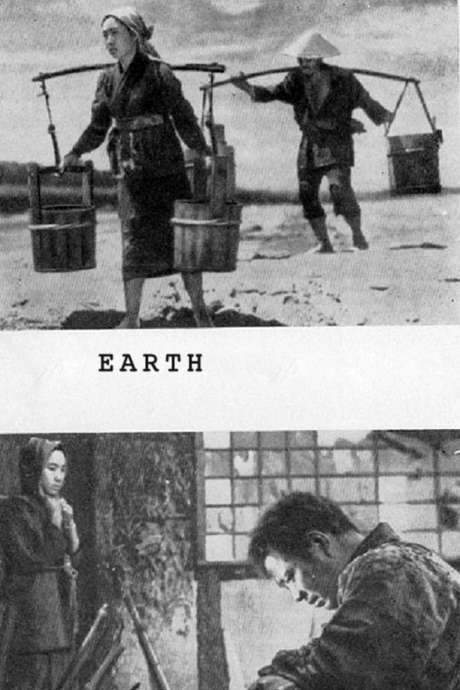
After the harsh criticism of his acclaimed film Earth, director Dovzhenko returned with a more popular work that revisits the same themes. Like Earth, Ivan follows the gentle, cyclical rhythm of village life, only to have it unsettled by the looming pulse of industrialisation, highlighting the clash between rural tradition and modern progress.

Does Ivan have end credit scenes?
No!
Ivan does not have end credit scenes. You can leave when the credits roll.
Meet the Full Cast and Actors of Ivan
Explore the complete cast of Ivan, including both lead and supporting actors. Learn who plays each character, discover their past roles and achievements, and find out what makes this ensemble cast stand out in the world of film and television.

Oleksandr Dovzhenko
Mykola Nademskyi
Petro Masokha
Ivan Guba
Stepan Shahaida
Stepan Vasiliyevich, the foreman
Dmytro Holubynskyi
Stepan Shkurat
Stepan Iosovich Guba, the idler
Elena Golki
Mother of Killed Worker
Aleksandr Zapolsky
Konstantin Bondarevsky
Maksim Gornatko
Terentiy Yura
Peter Pastushkov
Mikola Grigorovich Tretyakov
Ttetyakov
Avgust Avgustovich Shults
Pavlo Ivanovich Orov
Mikola Grigorovich
Ttetyakov
Avgust Avgustovich
Shults
Pavlo Ivanovich
Orov
Isatula Sadikovich
Ibatulin
Oleksandr Stepanovich
Zhakharov
Musiyi Samuyilovich
Morochenko
Mikhail Gayvoronsky
Kulak sympathizer
External Links and Streaming Options
Discover where to watch Ivan online, including streaming platforms, rental options, and official sources. Compare reviews, ratings, and in-depth movie information across sites like IMDb, TMDb, Wikipedia or Letterboxd.




Take the Ultimate Ivan Movie Quiz
Challenge your knowledge of Ivan with this fun and interactive movie quiz. Test yourself on key plot points, iconic characters, hidden details, and memorable moments to see how well you really know the film.
Ivan (1932) Quiz: Test your knowledge of the 1932 Soviet film *Ivan*, covering its characters, plot points, and themes.
What major construction project drives the story of the film?
Full Plot Summary and Ending Explained for Ivan
Read the complete plot summary of Ivan, including all major events, twists, and the full ending explained in detail. Explore key characters, themes, hidden meanings, and everything you need to understand the story from beginning to end.
The film paints the Dnieper not just as a tranquil horizon but as a living backdrop where calm waters can suddenly rush into danger. At the heart of the story is Ivan Guba, a village boy who watches the river bend into powerful currents as the ambitious Dniproges project begins to take shape. The dam is meant to bury the rapids beneath water and birth a new power plant, a symbol of progress that attracts young energy and aspiration.
From the start, the tension between duty and longing threads through the family. Ivan admires the sweeping landscapes and throws himself into railway work with gusto, while his father, Stepan, resists the idea of leaving the village behind. The elder insists, in simple, stubborn terms, that he wants to be part of the effort on his own terms, and his stubborn stance sets up a powerful contrast with the new generation. In one stark declaration, he voices a line that lingers: “I want to go, I do not want — I will not go.” The moment crystallizes a clash between old loyalties and new ambitions, a theme that will echo through every decision Ivan makes.
The foreman, [Stepan Vasiliyevich], embodies a different philosophy. He believes that the best way to mobilize a community is to lead by example and show that others can follow suit. He longs to set a standard for neighboring villages and be the first to contribute to the massive undertaking. The project’s momentum accelerates when he reconnects with the secretary of the party committee—an old friend he hasn’t seen in over two decades—at the construction site. The reunion underscores how personal histories intertwine with collective goals in the drive toward modernization.
Ivan’s heart is caught between wonder at the taming of the great river and the harsh realities of a demanding job. He approaches his work with enthusiasm and a faith in the progress they’re building, yet his father’s defiant stance weighs on him. Despite the zeal, Ivan quickly realizes that raw effort alone isn’t enough; education and skill are essential to truly meet the new standards of the site. Night after night, he studies engineering, a pursuit that earns his father’s scorn even as it opens doors to a brighter future.
Tragedy strikes when a bucket of cement falls from a height, killing the driver. The accident becomes a flashpoint: the secretary and other officials explain that the tragedy resulted from safety violations, and a council of Komsomol members is convened to audit every mechanism at the construction site. Into the bustling hub of activity arrive a cadre of highly skilled specialists who introduce fresh methods and a tougher discipline. The manager of the “black box office”—where salaries are issued to those who fall short—shames Stepan by listing aloud how much he supposedly eats and shirks, testing the community’s tolerance for fault and reform.
Ivan feels his hard work isn’t fully recognized, and a sense of alienation gnaws at him. Yet the secretary sees potential in him, sensing that a leader may be born from the very tensions that challenge him. As a result, Ivan is welcomed into the Communist Party as a figure who can steer the project forward and inspire others. He takes to the microphone to speak on the radio, where he openly criticizes his father’s laziness and absenteeism, even calling for a personal separation—an act that stirs the crowd and reframes their sense of loyalty and duty.
A lighthearted interlude punctuates the serious mood: a common couple debates the allure of foreign radio, contrasting it with Soviet propaganda. The moment offers a wry counterpoint to the weight of construction and ideology, illustrating how everyday life weaves into the broader currents of national awakening.
Then comes a pivotal confrontation. Stepan bursts into a meeting, angrily rejecting the idea of such a son and attempting to elevate his own status by echoing the foreman’s rhetoric. Yet the crowd’s laughter punctures his posture, revealing the evolving social order and the shifting expectations of village life. Ivan steps forward, acknowledging the ache of being tied to a father who embodies the old ways, and he proclaims a new sense of belonging: he is no longer simply a son of the village but a worker who identifies with the broader working class.
The film’s emotional hinge is the arrival of the mother of the deceased worker, a figure who embodies resilience and a demand for meaningful labor. She calls for steadfast effort and determines to prove that her son’s death was not in vain, reinforcing the moral currents that will push Ivan toward a more purposeful path. Her presence lends gravity to Ivan’s decision, and inspired by her insistence on hard work, he commits to pursuing education at the robotics faculty, stepping into a future where his talents can contribute to the project with greater impact.
Throughout this journey, the landscape of the Dnieper becomes more than scenery: it is a canvas where tradition and progress collide, where individual choices ripple through families and communities, and where a young man’s education and resolve can redefine what it means to belong. The film invites viewers to weigh the cost of rapid modernization against the quiet, stubborn strength of those who build it—one act of courage, one lesson learned at night, one speech broadcast on the radio at a time.

Coming soon on iOS and Android
The Plot Explained Mobile App
From blockbusters to hidden gems — dive into movie stories anytime, anywhere. Save your favorites, discover plots faster, and never miss a twist again.
Sign up to be the first to know when we launch. Your email stays private — always.
Explore the mobile appDiscover Film Music Concerts Near You – Live Orchestras Performing Iconic Movie Soundtracks
Immerse yourself in the magic of cinema with live orchestral performances of your favorite film scores. From sweeping Hollywood blockbusters and animated classics to epic fantasy soundtracks, our curated listings connect you to upcoming film music events worldwide.
Explore concert film screenings paired with full orchestra concerts, read detailed event information, and secure your tickets for unforgettable evenings celebrating legendary composers like John Williams, Hans Zimmer, and more.


Ivan Themes and Keywords
Discover the central themes, ideas, and keywords that define the movie’s story, tone, and message. Analyze the film’s deeper meanings, genre influences, and recurring concepts.

Unlock the World of Movies with Our Comprehensive Wiki
Dive into our Movie Wiki for in-depth film encyclopedia entries, including cast biographies, production trivia, plot synopses, behind-the-scenes facts, and thematic analyses. Whether you’re researching iconic directors, exploring genre histories, or discovering hidden easter eggs, our expertly curated movie database has everything you need to fuel your cinematic passion.
Similar Movies To Ivan You Should Know About
Browse a curated list of movies similar in genre, tone, characters, or story structure. Discover new titles like the one you're watching, perfect for fans of related plots, vibes, or cinematic styles.







Quick Links: Summary, Cast, Ratings, More

What's After the Movie?
Not sure whether to stay after the credits? Find out!
Check out our other apps:

SAT Sphere
Build confidence for the Digital SAT.

Mori Atlas
Discover wild places worth protecting.

Luntero
Search smarter for a home in Amsterdam.

Plot Explained
Unravel movie endings and hidden clues.

Pokechamp
Dive into Pokémon data and battle logic.

Driving Theory
Get ready for your European theory test.

Movie Dust
Plan your next cinema trip with ease.

Musemap
Find art and culture as you travel.

Selkobase
Compare credentials before committing.

Local Manual
Turn an unfamiliar country into practical next steps.

Lernavi
Compare school systems before your next move.

GymRoam
Find a workout stop wherever your plans take you.
Explore Our Movie Platform
New Movie Releases (2026)
Famous Movie Actors
Top Film Production Studios
Movie Plot Summaries & Endings
Major Movie Awards & Winners
Best Concert Films & Music Documentaries
Movie Collections and Curated Lists
© 2026 What's After the Movie. All rights reserved.
Privacy Policy