Hearts of the West 1975


Jeff Bridges stars as Lewis Tater, an Iowa farm boy who pens Wild West dime novels and longs to become a real cowboy. He heads west to chase his dream, only to be caught up in a robbery gone wrong and end up with the loot box of two would‑be thieves. The film blends comedy with a nostalgic Western adventure.


Does Hearts of the West have end credit scenes?
No!
Hearts of the West does not have end credit scenes. You can leave when the credits roll.
Meet the Full Cast and Actors of Hearts of the West
Explore the complete cast of Hearts of the West, including both lead and supporting actors. Learn who plays each character, discover their past roles and achievements, and find out what makes this ensemble cast stand out in the world of film and television.
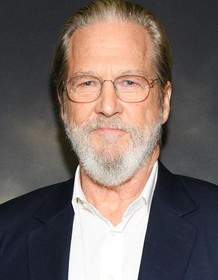
Jeff Bridges
Lewis Tater
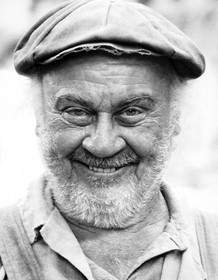
Dub Taylor
Nevada Ticket Agent
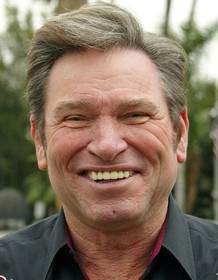
Burton Gilliam
Lester
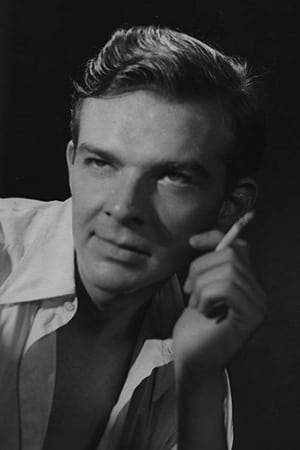
Woodrow Parfrey
Mr. Gates - Producer (uncredited)

Marie Windsor
Woman in Nevada

Alan Arkin
Bert Kessler
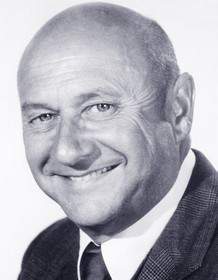
Donald Pleasence
A.J. Nietz
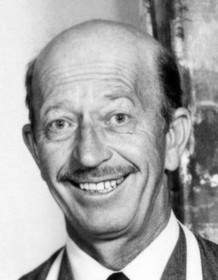
Frank Cady
Pa Tater
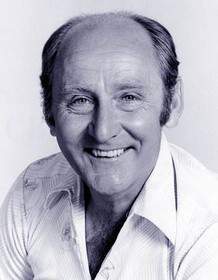
Richard Stahl
Barber
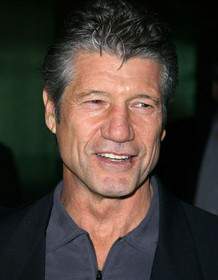
Fred Ward
Sam (uncredited)

Blythe Danner
Miss Trout
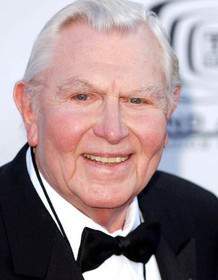
Andy Griffith
Howard Pike
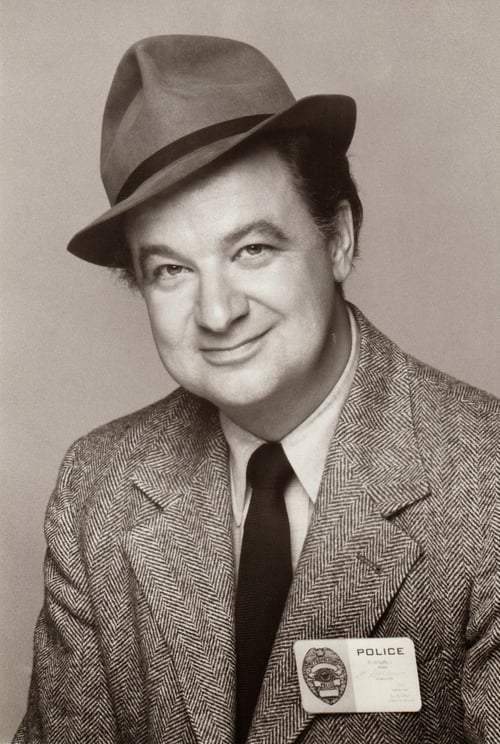
Richard B. Shull
Stout Crook

Bill Quinn
Customer at Cafe Rio (uncredited)
Tucker Smith
Noodle in Pith Helmet
Alex Rocco
Earl
Thayer David
Bank Manager
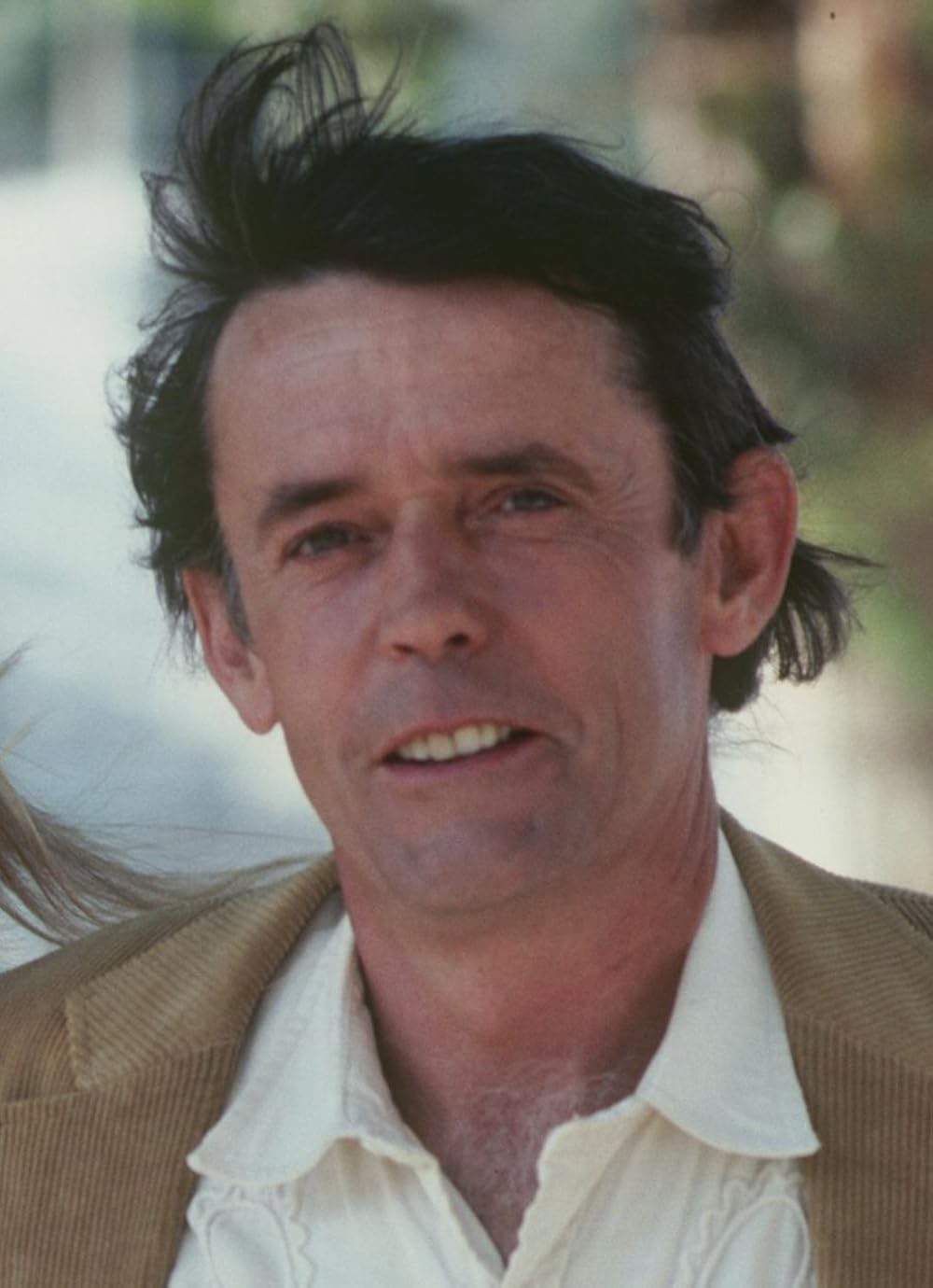
Matt Clark
Jackson
Herb Edelman
Polo
Anthony James
Lean Crook
Anne Seymour
Nietz' Housekeeper (uncredited)
Granville Van Dusen
WWI Pilot
Anthony Holland
Guest at Beach Party
Candice Azzara
Waitress
Barbara Brownell
Neitz' Girlfriend
William Christopher
Bank Teller
Frank Bonner
Assistant Director at Musical Scene (uncredited)
Raven Grey Eagle
Musician (uncredited)
Wayne Storm
Lyle
Robert Cole
Cameraman (uncredited)
Stuart Nisbet
Lucky
Dave Morick
Cameraman
Raymond Guth
Wally
Herman Poppe
Lowell
Chester Hayes
Crew Member (uncredited)
Ted Smile
Observer at Scene (uncredited)
Bill Coontz
Cowboy (uncredited)
Sally Yarnell
Observer at Scene (uncredited)
Jane Dulo
Mrs. Stern
Jacques Foti
Musical Director
Titus Napoleon
Native Drummer
Susan Hendershot
Dancer at Stag Party (uncredited)
Monty Laird
Cowboy (uncredited)
Ray Mace
Piano Player (uncredited)
Edna Ryan
Restaurant Patron (uncredited)
External Links and Streaming Options
Discover where to watch Hearts of the West online, including streaming platforms, rental options, and official sources. Compare reviews, ratings, and in-depth movie information across sites like IMDb, TMDb, Wikipedia or Rotten Tomatoes.






Full Plot Summary and Ending Explained for Hearts of the West
Read the complete plot summary of Hearts of the West, including all major events, twists, and the full ending explained in detail. Explore key characters, themes, hidden meanings, and everything you need to understand the story from beginning to end.
Lewis Tater, Jeff Bridges, is a 1933-born aspiring novelist who dreams of becoming the next Zane Grey. He leaves his Iowa home to head to the University of Titan in Nevada, hoping the desert will infuse his writing with true western atmosphere. But the trip quickly reveals a gritty miscalculation: there is no real university, only a mail-order correspondence course scam run by two crooks holed up in a rundown hotel. A botched attempt at a robbery leaves him battered, alone, and with his suitcase and a stolen car keying his escape. The car sputters to a stop, and fear drives him to abandon the vehicle in the vast desert, clutching a toolbox packed with a revolver and ammunition.
The next dawn brings an almost surreal turn of luck. He stumbles upon a threadbare film unit from Tumbleweed Productions grinding away at a “B” western, a glimpse into a world where dreams are financed in dust and sun. A ride with rugged cowboy actors to Los Angeles follows, and the city’s glittering surface masks the hard work and hard luck that underlie the movie business. At the studio, Tater finds work through a connection to the Tumbleweed outfit and lands in a path from background stunts to speaking roles, guided by the patient, grizzled wisdom of the era’s on‑set crowd. The key turning point comes when he steps into the Rio, a western‑themed restaurant that serves as a crossroads between dream and reality.
In the Rio, he is taken under the wing of crusty old extra Howard Pike [Andy Griffith] who believes in giving the hopeful a shot. Under Pike’s informal mentorship, Tater learns the rough-and-tumble rules of acting on camera, the timing of chase scenes, and the discipline needed to survive in a film unit that runs on improvisation, camaraderie, and occasional chaos. The turning point arrives when unit manager Bert Kessler [Alan Arkin] recognizes a spark in him and offers him a small speaking role, a rare foothold in a world that prizes grit as much as charm. The transformation is quiet but steady, and on the cusp of success, Tater experiences a tender rush of affection for Miss Trout [Blythe Danner], a lively script girl whose wit and warmth soften the harsh edges of studio life.
As the professional ascent begins, the film’s tension deepens. The two cash‑strapped crooks who trailed the car’s safe‑box—the Stout Crook [Richard B. Shull] and Lean Crook [Anthony James]—make their way to Los Angeles, eager to recover the money hidden in the car that started Tater’s odyssey. The chase threads through late‑night studios, makeshift sets, and the cramped offices of producers who know how to make a dream look real on screen while fearing the day the dream unravels. The pursuit tests Tater’s nerve, loyalty, and ability to stay true to his own voice, even as the line between performance and reality begins to blur.
What follows is a portrait of a man pressed between two worlds: the mythic, cowboy‑era fantasy he adores and the practical, sometimes brutal rules of making films in a bustling city. The story paints a patient, observant portrait of ambition—the way a young writer can find meaning in the dust of an open desert, then refine that energy into something watchable and truthful on screen. It’s a careful exploration of mentorship, perseverance, and the quiet bravery it takes to chase a dream when the road is uneven, the risks are real, and the promise of Hollywood is both glittering and elusive.

Coming soon on iOS and Android
The Plot Explained Mobile App
From blockbusters to hidden gems — dive into movie stories anytime, anywhere. Save your favorites, discover plots faster, and never miss a twist again.
Sign up to be the first to know when we launch. Your email stays private — always.
Explore the mobile appWatch Trailers, Clips & Behind-the-Scenes for Hearts of the West
Watch official trailers, exclusive clips, cast interviews, and behind-the-scenes footage from Hearts of the West. Dive deeper into the making of the film, its standout moments, and key production insights.
Hearts of the West Other Names and Titles
Explore the various alternative titles, translations, and other names used for Hearts of the West across different regions and languages. Understand how the film is marketed and recognized worldwide.
Quick Links: Summary, Cast, Ratings, More

What's After the Movie?
Not sure whether to stay after the credits? Find out!
Check out our other apps:

SAT Sphere
Build confidence for the Digital SAT.

Mori Atlas
Discover wild places worth protecting.

Luntero
Search smarter for a home in Amsterdam.

Plot Explained
Unravel movie endings and hidden clues.

Pokechamp
Dive into Pokémon data and battle logic.

Driving Theory
Get ready for your European theory test.

Movie Dust
Plan your next cinema trip with ease.

Musemap
Find art and culture as you travel.

Selkobase
Compare credentials before committing.

Local Manual
Turn an unfamiliar country into practical next steps.

Lernavi
Compare school systems before your next move.

GymRoam
Find a workout stop wherever your plans take you.
Explore Our Movie Platform
New Movie Releases (2026)
Famous Movie Actors
Top Film Production Studios
Movie Plot Summaries & Endings
Major Movie Awards & Winners
Best Concert Films & Music Documentaries
Movie Collections and Curated Lists
© 2026 What's After the Movie. All rights reserved.
Privacy Policy