Friedkin Uncut 2019

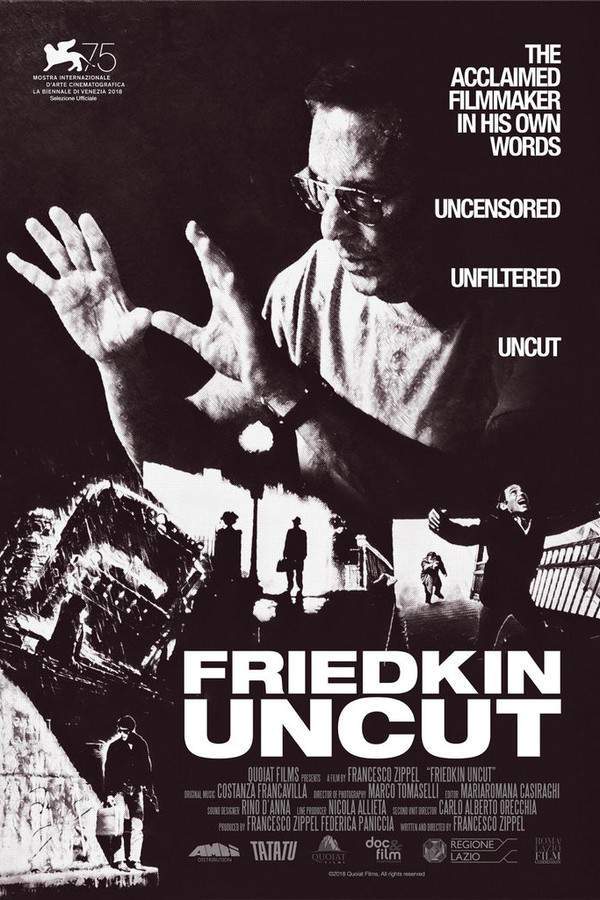
This documentary offers a revealing look into the career and creative process of acclaimed filmmaker William Friedkin. Through intimate interviews with friends and collaborators, the film explores his unique approach to filmmaking, highlighting his willingness to take artistic risks and his deep passion for storytelling. Viewers gain valuable insights into the themes and experiences that have profoundly shaped his life and work.


Does Friedkin Uncut have end credit scenes?
No!
Friedkin Uncut does not have end credit scenes. You can leave when the credits roll.
Where to Watch Friedkin Uncut
See current US streaming, rental, and purchase options for Friedkin Uncut (2019) via JustWatch.









Meet the Full Cast and Actors of Friedkin Uncut
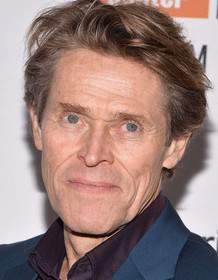
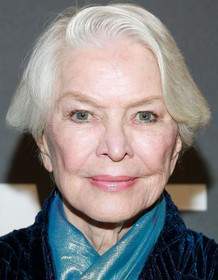
Explore the complete cast of Friedkin Uncut, including both lead and supporting actors. Learn who plays each character, discover their past roles and achievements, and find out what makes this ensemble cast stand out in the world of film and television.


External Links and Streaming Options
Discover where to watch Friedkin Uncut online, including streaming platforms, rental options, and official sources. Compare reviews, ratings, and in-depth movie information across sites like IMDb, TMDb, Wikipedia or Rotten Tomatoes.







Ratings and Reviews for Friedkin Uncut
See how Friedkin Uncut is rated across major platforms like IMDb, Metacritic, and TMDb. Compare audience scores and critic reviews to understand where Friedkin Uncut stands among top-rated movies in its genre.

The Movie Echo Score
The documentary’s chief strength is its portrayal of Friedkin as an engaging and candid subject, even as its directorial approach remains straightforward and occasionally unchallenging. The film excels in capturing the director’s self-deprecating wit and grounded insights on his seminal works, though it forgoes deeper exploration of his later career and leans on a static visual style. Despite these limitations, the interviews sustain interest and provide a cohesive introduction to Friedkin’s filmography.
The Movie Echo Score Breakdown for Friedkin Uncut

Art & Craft
When it comes to direction and craft, the film’s straightforward approach limits its visual impact. Francesco Zippel relies mostly on static interviews with Friedkin, offering few creative staging or editing flourishes. Critics note the camera rarely ventures beyond its talking-head format and the pacing can feel uneven between segments. This measured style yields a serviceable but unremarkable production design and editing footprint.
Character & Emotion
In terms of character depth and emotional resonance, Friedkin emerges as a charismatic and self-aware subject. His deliberate reflections reveal a self-deprecating wit and candor regarding his career highs and lows. Observers highlight his engaging storytelling, noting his mercurial temperament comes through in both structured anecdotes and spontaneous remarks. Overall, the portrayal creates a compelling portrait of the filmmaker’s personality.

Story & Flow
Regarding story coherence and engagement, the film is most compelling during discussions of landmark works like The French Connection and The Exorcist. The focus on these early hits provides clear narrative anchors, though the documentary offers limited context for later career phases. While the pacing holds in its central chapters, transitions can feel abrupt, resulting in a partially uneven yet still informative narrative flow.

Sensory Experience
When considering sensory elements, the documentary maintains a functional sound design and straightforward visual style. The soundtrack is minimal, favoring ambient interview room tones over thematic scoring, and the cinematography mostly employs static framing. Few visual motifs or dynamic edits are introduced, leading to a restrained aesthetic. This muted sensory presentation supports clarity but offers limited stylistic distinction.

Rewatch Factor
In terms of rewatch value, the film appeals primarily to devoted fans or film history enthusiasts. The detailed accounts of Friedkin’s key productions offer reference value, yet the lack of deeper analytical layers may lessen repeat viewing appeal. While the director’s anecdotes retain their charm upon review, the overall experience is unlikely to reveal significant new insights on subsequent viewings.

68
Metascore
tbd
User Score


85%
TOMATOMETER

88%
User Score

7.1 /10
IMDb Rating
70
%
User Score

3.6
Take the Ultimate Friedkin Uncut Movie Quiz
Challenge your knowledge of Friedkin Uncut with this fun and interactive movie quiz. Test yourself on key plot points, iconic characters, hidden details, and memorable moments to see how well you really know the film.
Friedkin Uncut Quiz: Test your knowledge on the life and career of filmmaker William Friedkin as depicted in 'Friedkin Uncut'.
What was William Friedkin's first early documentary?
Full Plot Summary and Ending Explained for Friedkin Uncut
Read the complete plot summary of Friedkin Uncut, including all major events, twists, and the full ending explained in detail. Explore key characters, themes, hidden meanings, and everything you need to understand the story from beginning to end.
The brilliance of William Friedkin is on full display as he intimately recounts his journey from navigating the lively streets of Chicago to becoming an iconic filmmaker. His deep admiration for cinema was sparked by Orson Welles’ acclaimed film Citizen Kane (1941), which inspired him to craft compelling narratives that resonate with viewers globally. Friedkin’s early endeavor, The People vs. Paul Crump (1962), not only played a role in commuting a death sentence but also marked the initiation of his notable filmmaking career.
A significant milestone in Friedkin’s artistic evolution is The French Connection (1971), where he adopted a cinéma vérité style by embedding himself with real New York police officers to grasp the harsh realities of drug trafficking. This immersive experience later influenced his direction in Killer Joe (2011), a film where both Gina Gershon and Matthew McConaughey share insightful experiences about their performances guided by Friedkin.
His creative journey unfolds through engaging conversations with actors, including an interesting anecdote involving Stacy Keach who was originally cast as Father Karras in The Exorcist, a role that ultimately went to Jason Miller. This exploration leads us to Sorcerer (1977), a film that, despite its lackluster box office, demonstrated Friedkin’s willingness to explore bold narratives.
Throughout his career, Friedkin has drawn inspiration from luminaries such as Buster Keaton, whose pioneering contributions to filmmaking resonated with him. This connection is further highlighted in his 1975 documentary Conversation with Fritz Lang, which provides an insight into the life and artistic legacy of this cinematic titan.
As the New Hollywood movement transitioned into the 1980s, Friedkin’s projects maintained a broad scope. Even with the controversies surrounding Cruising (1980), he continued to challenge conventional storytelling. His return to the crime thriller genre with To Live and Die in L.A. (1985) solidified his status as a maestro in filmmaking.
In the later stages of his career, Friedkin shifted his focus towards stage direction, embracing operas such as Wozzeck and Aida. His latest venture in supernatural horror, The Devil and Father Amorth (2017), premiered at the 74th Venice International Film Festival, marking a significant comeback to the genre that first imbued him with creative inspiration.
In summary, William Friedkin’s cinematic legacy is a testament to his unyielding commitment to storytelling, a fervent passion for filmmaking, and a boldness in taking creative risks. His candid opinions on film award ceremonies, which he humorously deems as a “dirty joke,” further exemplify his dedication to uphold artistic integrity.

Coming soon on iOS and Android
The Plot Explained Mobile App
From blockbusters to hidden gems — dive into movie stories anytime, anywhere. Save your favorites, discover plots faster, and never miss a twist again.
Sign up to be the first to know when we launch. Your email stays private — always.
Explore the mobile appWatch Trailers, Clips & Behind-the-Scenes for Friedkin Uncut
Watch official trailers, exclusive clips, cast interviews, and behind-the-scenes footage from Friedkin Uncut. Dive deeper into the making of the film, its standout moments, and key production insights.
Friedkin Uncut Themes and Keywords
Discover the central themes, ideas, and keywords that define the movie’s story, tone, and message. Analyze the film’s deeper meanings, genre influences, and recurring concepts.
Friedkin Uncut Other Names and Titles
Explore the various alternative titles, translations, and other names used for Friedkin Uncut across different regions and languages. Understand how the film is marketed and recognized worldwide.
Similar Movies To Friedkin Uncut You Should Know About
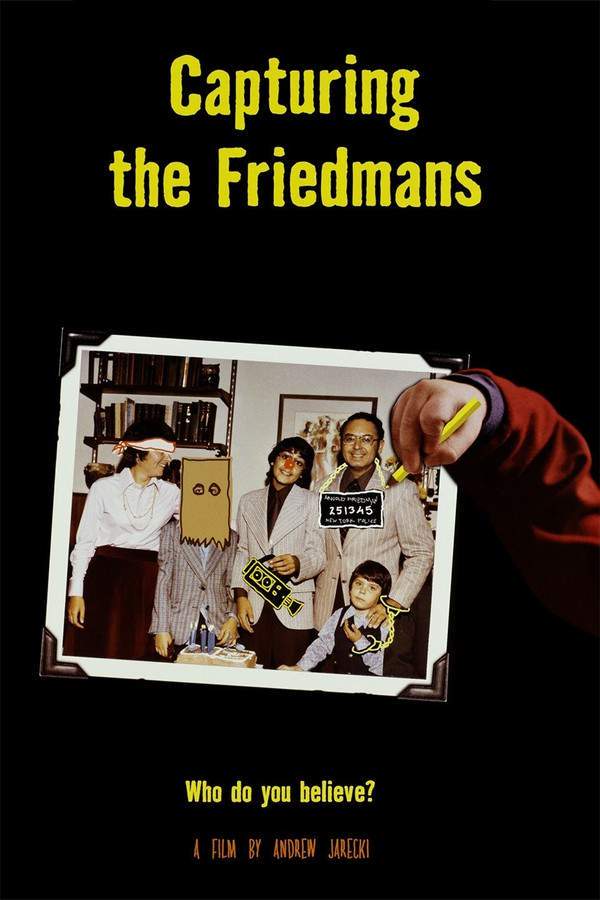
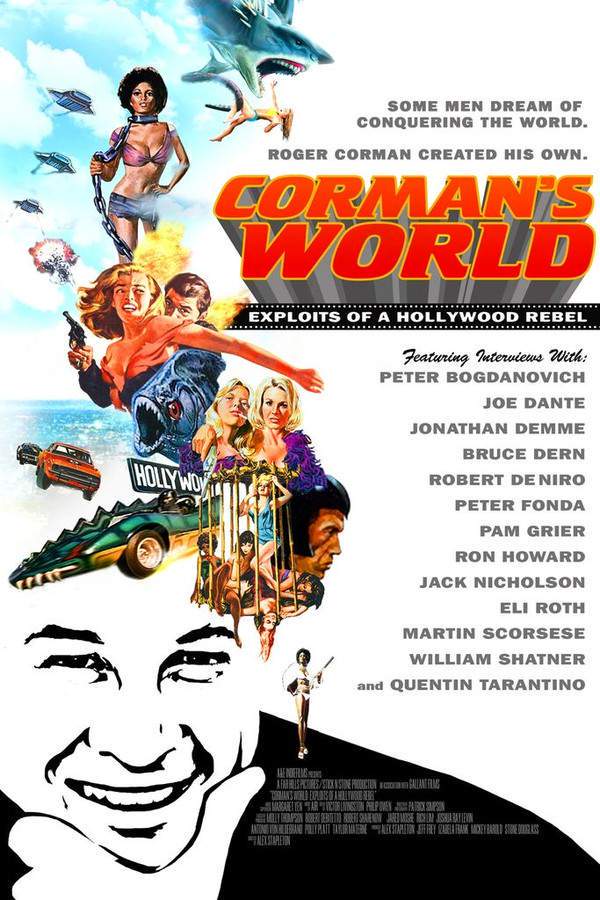
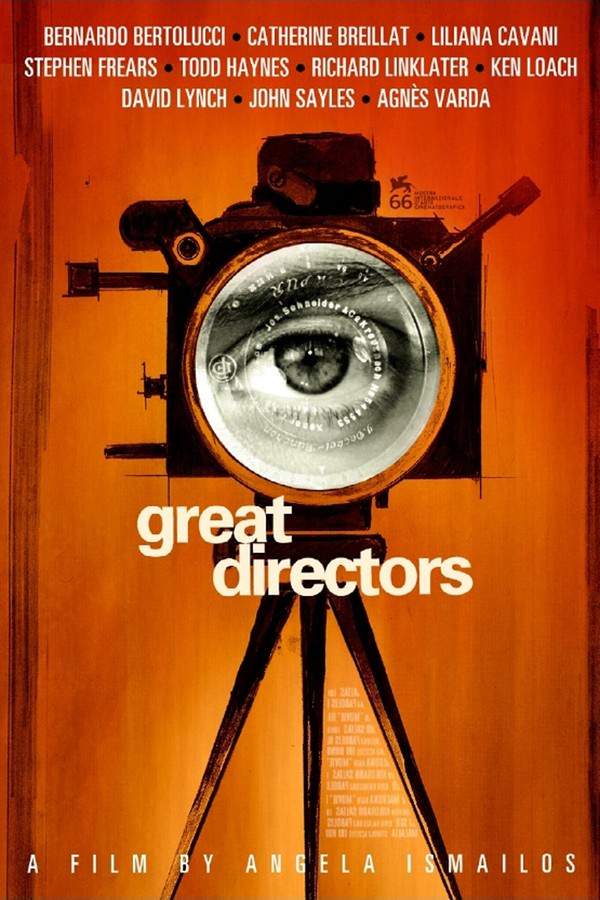
Browse a curated list of movies similar in genre, tone, characters, or story structure. Discover new titles like the one you're watching, perfect for fans of related plots, vibes, or cinematic styles.


Quick Links: Summary, Cast, Ratings, More

What's After the Movie?
Not sure whether to stay after the credits? Find out!
Check out our other apps:

SAT Sphere
Build confidence for the Digital SAT.

Mori Atlas
Discover wild places worth protecting.

Luntero
Search smarter for a home in Amsterdam.

Plot Explained
Unravel movie endings and hidden clues.

Pokechamp
Dive into Pokémon data and battle logic.

Driving Theory
Get ready for your European theory test.

Movie Dust
Plan your next cinema trip with ease.

Musemap
Find art and culture as you travel.

Selkobase
Compare credentials before committing.

Local Manual
Turn an unfamiliar country into practical next steps.

Lernavi
Compare school systems before your next move.

GymRoam
Find a workout stop wherever your plans take you.
Explore Our Movie Platform
New Movie Releases (2026)
Famous Movie Actors
Top Film Production Studios
Movie Plot Summaries & Endings
Major Movie Awards & Winners
Best Concert Films & Music Documentaries
Movie Collections and Curated Lists
© 2026 What's After the Movie. All rights reserved.
Privacy Policy