…First Do No Harm 1997


Lori Reimuller discovers her son Robbie has epilepsy. She trusts doctors initially, but his condition worsens, prompting her to research alternatives. She chooses the ketogenic diet, originally devised at Johns Hopkins, but faces opposition from his physician, who threatens legal action to keep Robbie hospitalized.

Does …First Do No Harm have end credit scenes?
No!
…First Do No Harm does not have end credit scenes. You can leave when the credits roll.
Where to Watch …First Do No Harm
See current US streaming, rental, and purchase options for …First Do No Harm (1997) via JustWatch.



Streaming availability powered by 
Meet the Full Cast and Actors of …First Do No Harm
Explore the complete cast of …First Do No Harm, including both lead and supporting actors. Learn who plays each character, discover their past roles and achievements, and find out what makes this ensemble cast stand out in the world of film and television.
Meryl Streep
Lori Reimuller
Allison Janney
Dr. Melanie Abbasac
Fred Ward
Dave Reimuller
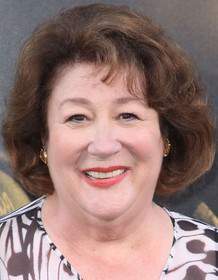
Margo Martindale
Marjean

Leo Burmester
Bob Purdue
Sean McCann
Tom Butler
Dr. Jim Peterson
Philip Williams
Philip Akin
Michael Yarmush
Mark Reimuller
Seth Adkins
Robbie Reimuller
Damir Andrei
Mairon Bennett
Lynne Reimuller
Oni Faida Lampley
Marsha Williams
Millicent Kelly
Self
External Links and Streaming Options
Discover where to watch …First Do No Harm online, including streaming platforms, rental options, and official sources. Compare reviews, ratings, and in-depth movie information across sites like IMDb, TMDb, Wikipedia or Rotten Tomatoes.







Take the Ultimate …First Do No Harm Movie Quiz
Challenge your knowledge of …First Do No Harm with this fun and interactive movie quiz. Test yourself on key plot points, iconic characters, hidden details, and memorable moments to see how well you really know the film.
First Do No Harm (1997) Quiz: Test your knowledge of the film "First Do No Harm" with these ten multiple‑choice questions covering characters, medical details, and key plot points.
Which actress portrays the devoted mother, Lori Reimuller?
Full Plot Summary and Ending Explained for …First Do No Harm
Read the complete plot summary of …First Do No Harm, including all major events, twists, and the full ending explained in detail. Explore key characters, themes, hidden meanings, and everything you need to understand the story from beginning to end.
The film follows Lori Reimuller, Meryl Streep, a devoted mother of three in a comfortable Midwestern family led by her husband Dave Reimuller, Fred Ward, a hard-working truck driver. The family seems stable, even planning a holiday to Hawaii, until Robbie Reimuller, Seth Adkins, their youngest son, endures two sudden, unexplained falls—one at school and another while playing with his brother. These episodes are followed by a medical investigation that begins with tests like a CT scan, a lumbar puncture, an electroencephalogram, and blood work. No immediate cause turns up, and Robbie is diagnosed with epilepsy after the seizures are labeled as epileptic in origin.
Robbie is started on phenobarbital, an old anticonvulsant known for cognitive and behavioral side effects. The drug’s harsh impact becomes hard to ignore as he experiences changes in mood and behavior, sometimes running berserk through the house and injuring himself. Lori urgently requests a medication change, and the regimen is altered to phenytoin [Allison Janney], with the dose of phenobarbital being tapered slowly, a process that brings its own frustration. Later, carbamazepine is added to help control the seizures.
The family’s mounting stress is compounded by medical and financial strain: their health insurance is deemed invalid, and Robbie’s care shifts from private to county hospital. In a bid to cover mounting bills, Dave takes on riskier truckloads and longer hours, and the looming prospect of foreclosure adds to the tension at home. As Robbie’s condition fluctuates, his seizures intensify, and he develops Stevens–Johnson syndrome, a serious skin reaction to the medication. He is admitted to hospital with a padded cot to prevent him from escaping, and the fear grows that he might become a “vegetable.” In a crisis, Robbie experiences status epilepticus, a life-threatening continuous seizure, prompting escalating doses of diazepam that fail to curb the episode, and eventually rectal paraldehyde is administered, a moment rendered starkly on screen.
The neurologist in charge, Dr. Melanie Abbasac, Allison Janney by reference in the cast, presents a stark, candid outlook and proposes surgery as a possible option. The plan would involve removing the top of the skull and placing surface electrodes on the brain to pinpoint the seizure focus more precisely than scalp EEGs allow. For Lori and Dave, surgery feels like a drastic last resort, and they seek alternatives while weighing the risks of such an invasive procedure.
Lori dives into epilepsy research at the library, searching for hope beyond medication. After long hours of study, she encounters the ketogenic diet as a potential lifeline, though a physician dismisses it as largely anecdotal. Persisting against initial resistance, she pushes to explore the diet, but faces formidable hurdles: they must arrange transport for Robbie to Johns Hopkins Hospital in Baltimore and secure ongoing medical support—something their finances cannot easily sustain.
In a pivotal moment, Lori makes a daring choice: she attempts to take Robbie out of the hospital to pursue a treatment appointment she has arranged, risking her custody of him in the process. A sympathetic nurse cautions that such actions could jeopardize their parental rights. Dave reconnects with an old family friend who is a licensed doctor, and the trio—Lori, Robbie, and the doctor—are accompanied by the nurse on a flight to Baltimore. The journey is tense, as Robbie endures a prolonged convulsive seizure aboard the plane, heightening concerns among the crew.
Upon arrival at Johns Hopkins, it becomes clear that Lori’s earlier appointment was not rescheduled and there are no immediate openings in the ketogenic program. After much pleading, Dr. Freeman agrees to accept Robbie as an outpatient. The pair stay at a convent in Baltimore as they navigate the system and await a path forward.
The diet’s explanation is provided by Millicent Kelly, Millicent Kelly, a dietitian who has guided ketogenic therapies since the 1940s. Robbie’s seizures begin to respond during the initial fast that kick-starts the program, and, despite the high-fat regimen, he adapts to the meals with surprising resilience. Remarkably, the seizures subside, his cognitive abilities return, and he appears to regain a sense of normalcy. The narrative emphasizes that Robbie’s improvements were closely tied to the diet, rather than medication alone. The film closes with a triumphant image of Robbie riding the family’s horse in a town parade, conveying a restored sense of hope for the future. The closing credits note that Robbie continued the ketogenic diet for a couple of years and has remained seizure- and drug-free since.

Coming soon on iOS and Android
The Plot Explained Mobile App
From blockbusters to hidden gems — dive into movie stories anytime, anywhere. Save your favorites, discover plots faster, and never miss a twist again.
Sign up to be the first to know when we launch. Your email stays private — always.
Explore the mobile appWatch Trailers, Clips & Behind-the-Scenes for …First Do No Harm
Watch official trailers, exclusive clips, cast interviews, and behind-the-scenes footage from …First Do No Harm. Dive deeper into the making of the film, its standout moments, and key production insights.
Cars Featured in …First Do No Harm
Explore all cars featured in …First Do No Harm, including their makes, models, scenes they appear in, and their significance to the plot. A must-read for car enthusiasts and movie buffs alike.
…First Do No Harm Themes and Keywords
Discover the central themes, ideas, and keywords that define the movie’s story, tone, and message. Analyze the film’s deeper meanings, genre influences, and recurring concepts.
…First Do No Harm Other Names and Titles
Explore the various alternative titles, translations, and other names used for …First Do No Harm across different regions and languages. Understand how the film is marketed and recognized worldwide.
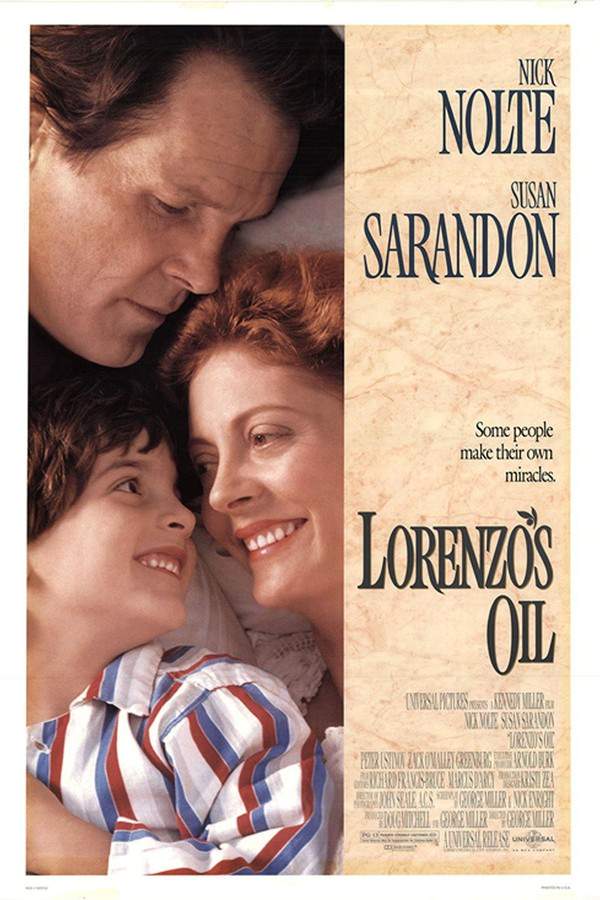
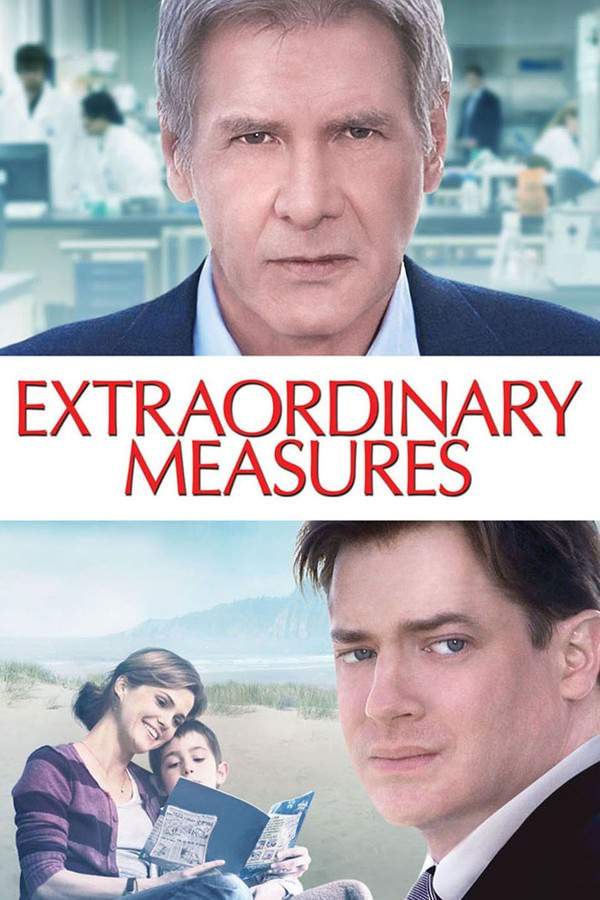
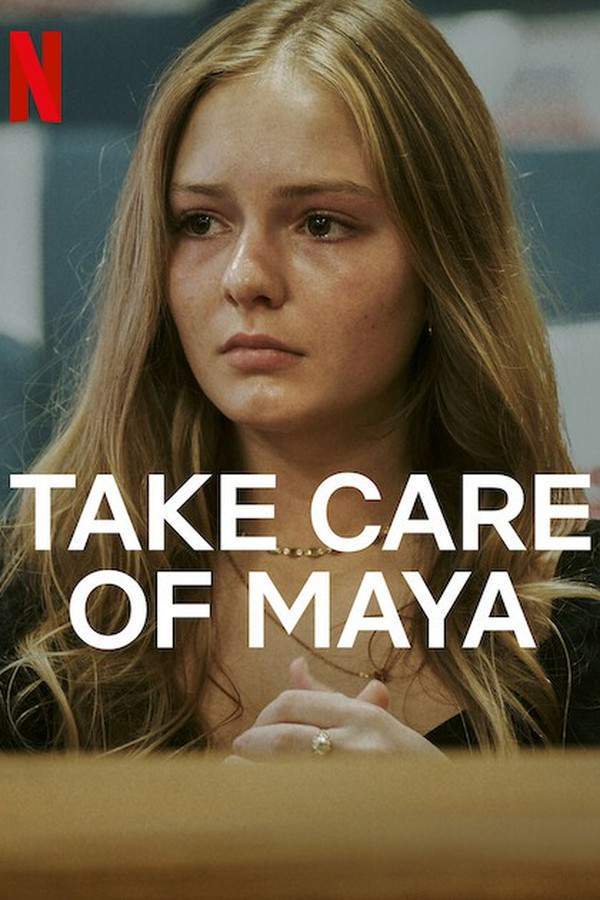
Similar Movies To …First Do No Harm You Should Know About
Browse a curated list of movies similar in genre, tone, characters, or story structure. Discover new titles like the one you're watching, perfect for fans of related plots, vibes, or cinematic styles.




Quick Links: Summary, Cast, Ratings, More

What's After the Movie?
Not sure whether to stay after the credits? Find out!
Check out our other apps:

SAT Sphere
Build confidence for the Digital SAT.

Mori Atlas
Discover wild places worth protecting.

Luntero
Search smarter for a home in Amsterdam.

Plot Explained
Unravel movie endings and hidden clues.

Pokechamp
Dive into Pokémon data and battle logic.

Driving Theory
Get ready for your European theory test.

Movie Dust
Plan your next cinema trip with ease.

Musemap
Find art and culture as you travel.

Selkobase
Compare credentials before committing.

Local Manual
Turn an unfamiliar country into practical next steps.

Lernavi
Compare school systems before your next move.

GymRoam
Find a workout stop wherever your plans take you.
Explore Our Movie Platform
New Movie Releases (2026)
Famous Movie Actors
Top Film Production Studios
Movie Plot Summaries & Endings
Major Movie Awards & Winners
Best Concert Films & Music Documentaries
Movie Collections and Curated Lists
© 2026 What's After the Movie. All rights reserved.
Privacy Policy