Emancipation 2022


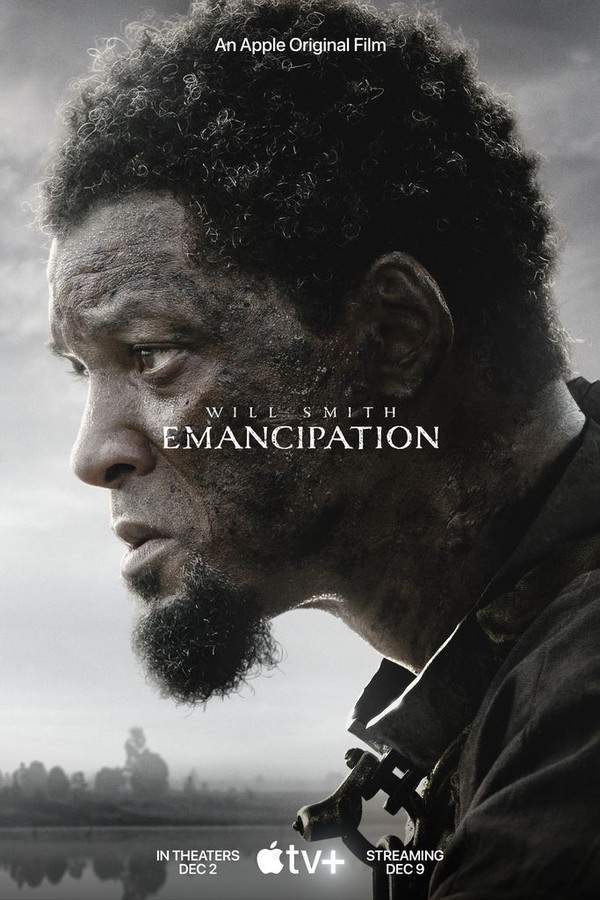
Will Smith portrays Peter, a man determined to escape slavery and find his family in this intense action-thriller. Facing perilous conditions in the Louisiana swamps, he must evade relentless trackers while relying on his strength, resourcefulness, and deep faith to survive. His harrowing journey is a testament to the resilience of the human spirit and the fight for freedom.


Does Emancipation have end credit scenes?
No!
Emancipation does not have end credit scenes. You can leave when the credits roll.
Where to Watch Emancipation
See current US streaming, rental, and purchase options for Emancipation (2022) via JustWatch.








Meet the Full Cast and Actors of Emancipation
Explore the complete cast of Emancipation, including both lead and supporting actors. Learn who plays each character, discover their past roles and achievements, and find out what makes this ensemble cast stand out in the world of film and television.

Will Smith
Peter

Ben Foster
Jim Fassel

Paul Ben-Victor
Major G. Halstead

Charmaine Bingwa
Dodienne

David Denman
General William Dwight

Mustafa Shakir
Lt. Andrew Cailloux

Gilbert Owuor
Gordon

Ronnie Gene Blevins
Harrington

Grant Harvey
Leeds
Steven Ogg
Howard
Aaron Moten
Knowls
Imani Pullum
Betsy
Jabbar Lewis
Tomas
Michael Luwoye
John
External Links and Streaming Options
Discover where to watch Emancipation online, including streaming platforms, rental options, and official sources. Compare reviews, ratings, and in-depth movie information across sites like IMDb, TMDb, Wikipedia or Rotten Tomatoes.










Ratings and Reviews for Emancipation
See how Emancipation is rated across major platforms like IMDb, Metacritic, and TMDb. Compare audience scores and critic reviews to understand where Emancipation stands among top-rated movies in its genre.

The Movie Echo Score
Emancipation delivers a stark visual presentation and a committed lead performance, yet its narrative and directorial choices undermine the intended impact. Critics highlight uneven scriptwork, overbearing direction, and a reliance on genre conventions, while some viewers applaud the black‑and‑white palette and atmospheric cinematography. The film’s emotional core resonates for a portion of the audience, but the pervasive heaviness and lack of narrative nuance limit its broader appeal. Consequently, the work lands as a mixed‑grade effort with modest overall merit.
The Movie Echo Score Breakdown for Emancipation

Art & Craft
In terms of art and craft, the film showcases striking black‑and‑white cinematography and detailed production design that convey a bleak period setting. However, critics note that the direction feels heavy‑handed and the editing contributes to a sense of overthought execution. Audience reactions echo this split, praising the visual palette while criticizing the overall tonal consistency. The net impression is a visually ambitious but unevenly realized craft profile.

Character & Emotion
When evaluating character and emotion, Will Smith’s portrayal is frequently described as intense, with some viewers finding his performance compelling and others deeming it overacted. Supporting actors receive modest acknowledgment, yet many reviewers comment on a lack of depth and a stagnant character arc. The emotional resonance is therefore uneven, delivering moments of conviction amid broader concerns about insufficient character development. Overall, the character work registers as mixed and under‑cooked.

Story & Flow
Story and flow receive the most criticism, with the script labeled blunt, formulaic, and overly reliant on established slavery‑film tropes. Pacing is described as uneven, and the plot’s originality is questioned given comparisons to earlier works. While a few viewers find the premise engaging, the consensus points to a narrative that fails to sustain interest beyond its initial premise. Consequently, the story aspect scores low due to weak cohesion and limited innovation.

Sensory Experience
Sensory experience garners moderate praise, especially for the film’s haunting soundtrack, realistic battle sequences, and the evocative grayscale visual style. Critics acknowledge the cinematography’s potency, though some feel the overall sound design leans toward a Hollywood‑ized finish. Audience feedback aligns, highlighting the music and visual immersion while noting occasional distraction from the filter choice. The sensory component therefore emerges as a relative strength, albeit tempered by inconsistent execution.

Rewatch Factor
Rewatch factor is limited by the heavy thematic content and the film’s uneven pacing, leading many viewers to describe it as a one‑time emotional experience rather than a repeatable entertainment. While some audience members report a lingering emotional impact that could encourage revisits, the general sentiment points to a work more suited for a single, impactful viewing. This results in a modest rewatch appeal rating.

53
Metascore
4.5
User Score


45%
TOMATOMETER

58%
User Score

6.3 /10
IMDb Rating

78
%
User Score

3.1
From 26 fan ratings

2.88/5
From 8 fan ratings
Take the Ultimate Emancipation Movie Quiz
Challenge your knowledge of Emancipation with this fun and interactive movie quiz. Test yourself on key plot points, iconic characters, hidden details, and memorable moments to see how well you really know the film.
Freedom and Struggle: Emancipation Quiz: Test your knowledge on the poignant story of Peter and the fight for freedom in 'Emancipation'.
What year does 'Emancipation' take place?
Full Plot Summary and Ending Explained for Emancipation
Read the complete plot summary of Emancipation, including all major events, twists, and the full ending explained in detail. Explore key characters, themes, hidden meanings, and everything you need to understand the story from beginning to end.
As the transformative effects of the Emancipation Proclamation begin to manifest, 35,000 enslaved individuals in rebellious states are at a crossroads—waiting for the Union army to liberate them or seizing the chance to carve their own paths to freedom. In Louisiana during 1863, we meet Peter, portrayed by Will Smith, a dedicated and skilled blacksmith facing the heartbreaking possibility of being torn away from his family, which includes his wife Dodienne (Charmaine Bingwa) and their beloved children: Betsy (Imani Pullum), Scipion (Jeremiah Friedlander), and Laurette (Jordyn McIntosh). As he prepares for a perilous journey, Peter is driven by a fierce resolve to return to his loved ones. Unfortunately, his defiance against his captors leads to a brutal separation, ignited when one of the handlers threatens Dodienne with a gun, forcing Peter into submission yet inspiring a resolute fight within him.
Upon arrival in Clinton, Peter and fellow captives endure incessant abuse and overt discrimination, their dignity stripped away by the merciless whims of those who oppress them. One fellow slave, John (Michael Luwoye), grapples with the physical and emotional scars left by his failed escape attempts, his faith tested amidst the relentless realities of slavery. In contrast, Peter finds a flicker of solace in his fragile faith, a light that struggles to shine amidst overwhelming darkness.
Whispers of freedom begin to swirl among the enslaved communities, fueled by news of Lincoln’s army in Baton Rouge. Energized by this newfound hope, Peter plots his escape through treacherous swamps, awaiting the right moment to strike during a horrific burial detail. The anticipated opportunity arrives with explosions paving the way for rebellion. Alongside several other slaves, Peter embarks on a desperate flight from captivity, pursued relentlessly by Fassel (Ben Foster) and his merciless men.
The chase takes a grim turn when Tomas (Jabbar Lewis), one of the escapees, is hunted down by savage hounds and meets a horrifying end at the hands of Fassel. Choosing a dangerous solo journey toward Baton Rouge, Peter confronts numerous perils, including a close encounter with the daughter of a slave owner, narrowly escaping with his life by seeking refuge in the swamps.
Nursing his wounds amidst the trees, Peter must confront both the pervasive darkness surrounding him and the uncertain future that looms for those unwilling to bow to tyranny. The struggle for freedom is just beginning, with Peter’s indomitable spirit standing as a lighthouse for hope against insurmountable odds. As night descends, Fassel and his men, accompanied by the conflicted Knowls (Aaron Moten), take a moment to reflect over a meager meal of gator, their tired eyes flickering with the warm glow of campfires. In this somber moment, Fassel shares his haunting tale of childhood innocence marred by cruel realizations, recounting an encounter with a compassionate slave who ultimately suffered a gruesome fate due to his father’s brutal ideology.
Meanwhile, on another plantation, Dodienne faces distressing news from Captain Lyons regarding her impending sale into slavery again, which shatters her world and forces her to abandon her children. In an act of desperation, Dodienne injures herself on a cotton machine to prevent her sale, risking everything for the sake of her offspring.
As time passes, Peter’s struggle for survival takes on new dimensions. He scavenges food, conceals his scent from relentless hunting dogs using onions, and seeks warmth in the unforgiving cold. His kindness shines as he shares his limited provisions with John, who finds himself fighting for survival only to fall victim to Fassel’s brutality.
One fateful night, Peter stumbles upon the wreckage left behind after a violent act—a charred family home with the remains of its slaughtered inhabitants. Amid this devastation, he finds a critically injured slave girl and valiantly attempts to rescue her, though his efforts ultimately lead to heartbreak as she succumbs to her injuries. This tragic encounter leaves Peter with a somber reminder—a cross necklace that echoes his own fragility.
As dawn breaks, Peter draws nearer to Baton Rouge, hearing the distant cannon fire indicating the approach of Lincoln’s Union army. Just as hope stirs within him, Fassel appears once again, intent on reclaiming the young slave. However, their encounter turns abruptly when Union gunfire claims Fassel’s life, offering Peter a chance to contemplate whether fate has finally shifted in his favor. With his captor gone, he is led toward freedom alongside his liberators.
In the aftermath, Peter receives medical attention at the camp, only to face an agonizing choice: to enlist with the Union to secure freedom for himself and his family. This moment weighs heavily on him, exacerbated when he is taken to document the scars of his past—a haunting visual testament to the brutality of slavery etched across his back.
As a soldier under Captain Andrew Cailloux (Mustafa Shakir), Peter follows the plan to infiltrate a Confederate camp for their cannons. In dialogue with General Dwight (David Denman), Peter unveils his unwavering determination to fight back against those who shattered his life.
The ensuing battle is steeped in tragedy, marked by the loss of Captain Cailloux, yet Peter rises to the occasion, leading his comrades in a charge that overwhelms the Confederate forces and claims victory for the Union camp. As they survey the remains of what was once a bastion of oppression, the march through Peter’s former plantation serves as a stark reminder of the horrors endured. Yet, amid a poignant execution of Lyons, a jubilant celebration follows as freed slaves across the land rejoice in their newfound liberty. In an emotionally charged reunion, Peter finally finds his family, embracing them in tears of gratitude and hope.
Ultimately, Peter’s narrative transforms into a symbol of defiance against the horrors of slavery, resonating throughout history. The date of June 19th, 1865, emerges as a transformative moment—encompassing the freedom of over four million enslaved African Americans. Peter’s journey stands as a powerful testament to the resilience and perseverance of humanity in the face of profound suffering—a story of hope that transcends time.

Coming soon on iOS and Android
The Plot Explained Mobile App
From blockbusters to hidden gems — dive into movie stories anytime, anywhere. Save your favorites, discover plots faster, and never miss a twist again.
Sign up to be the first to know when we launch. Your email stays private — always.
Explore the mobile appWatch Trailers, Clips & Behind-the-Scenes for Emancipation
Watch official trailers, exclusive clips, cast interviews, and behind-the-scenes footage from Emancipation. Dive deeper into the making of the film, its standout moments, and key production insights.
Emancipation Themes and Keywords
Discover the central themes, ideas, and keywords that define the movie’s story, tone, and message. Analyze the film’s deeper meanings, genre influences, and recurring concepts.
Emancipation Other Names and Titles
Explore the various alternative titles, translations, and other names used for Emancipation across different regions and languages. Understand how the film is marketed and recognized worldwide.
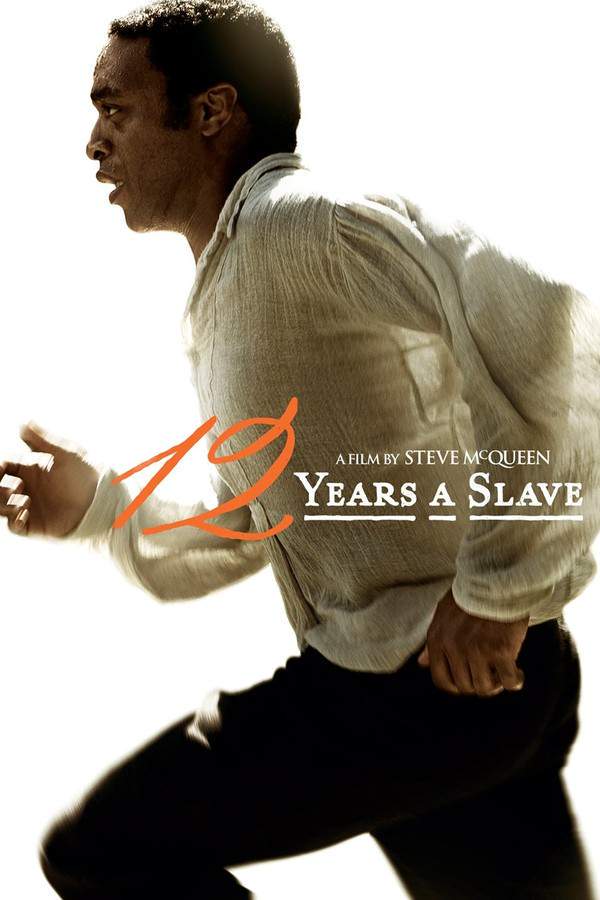
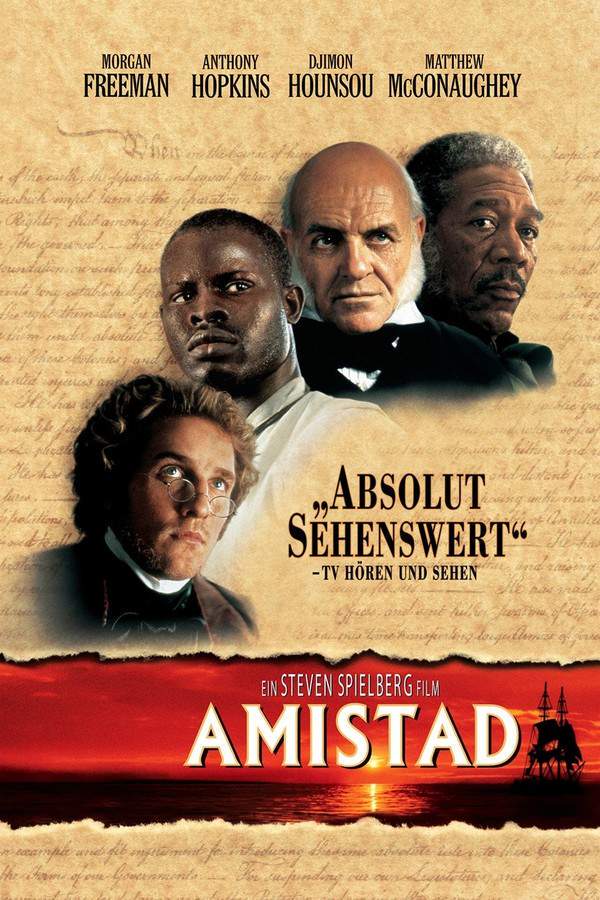
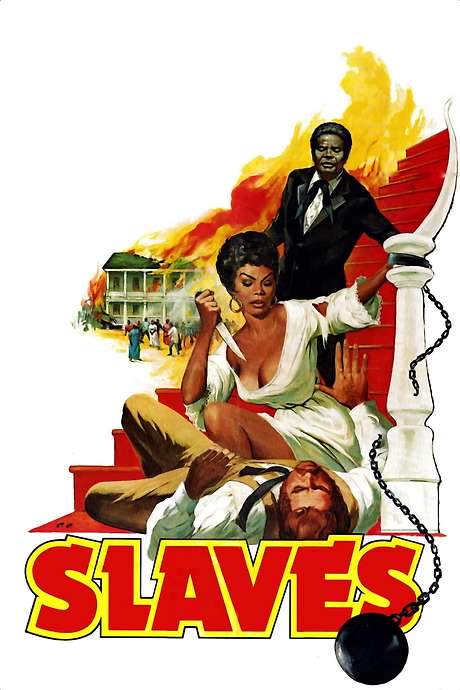
Similar Movies To Emancipation You Should Know About
Browse a curated list of movies similar in genre, tone, characters, or story structure. Discover new titles like the one you're watching, perfect for fans of related plots, vibes, or cinematic styles.







Quick Links: Summary, Cast, Ratings, More

What's After the Movie?
Not sure whether to stay after the credits? Find out!
Check out our other apps:

SAT Sphere
Build confidence for the Digital SAT.

Mori Atlas
Discover wild places worth protecting.

Luntero
Search smarter for a home in Amsterdam.

Plot Explained
Unravel movie endings and hidden clues.

Pokechamp
Dive into Pokémon data and battle logic.

Driving Theory
Get ready for your European theory test.

Movie Dust
Plan your next cinema trip with ease.

Musemap
Find art and culture as you travel.

Selkobase
Compare credentials before committing.

Local Manual
Turn an unfamiliar country into practical next steps.

Lernavi
Compare school systems before your next move.

GymRoam
Find a workout stop wherever your plans take you.
Explore Our Movie Platform
New Movie Releases (2026)
Famous Movie Actors
Top Film Production Studios
Movie Plot Summaries & Endings
Major Movie Awards & Winners
Best Concert Films & Music Documentaries
Movie Collections and Curated Lists
© 2026 What's After the Movie. All rights reserved.
Privacy Policy