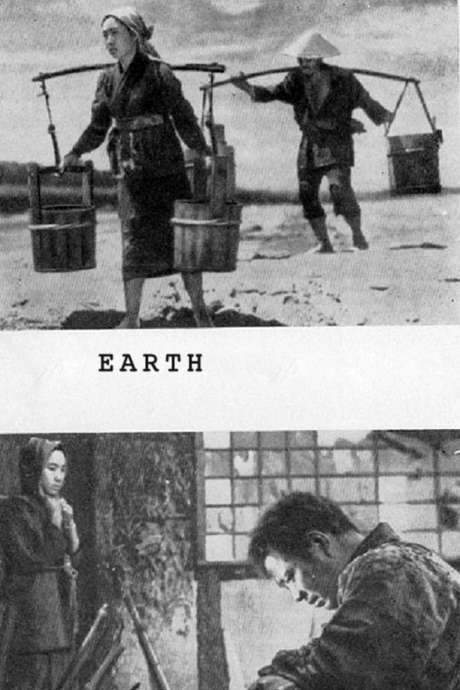
Earth 1999

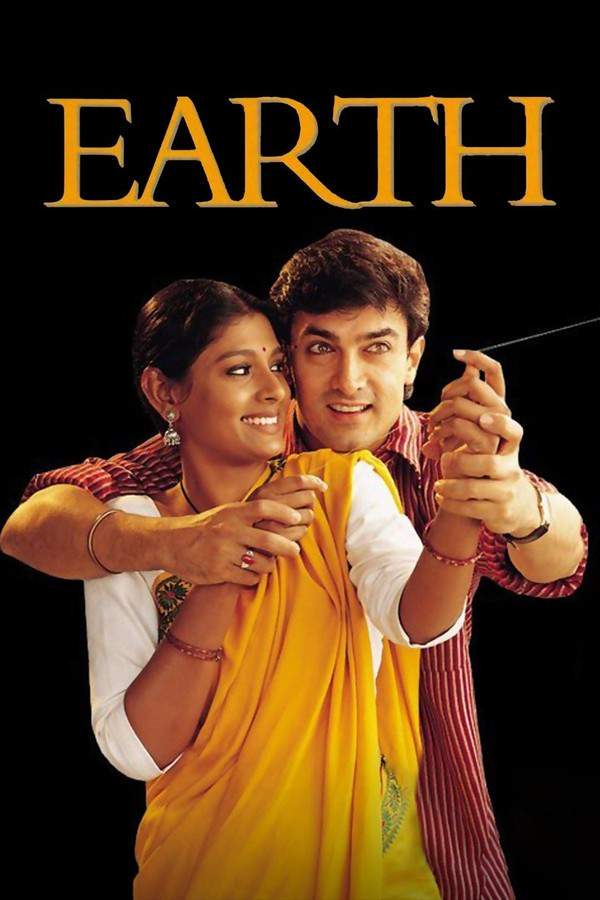
Amidst the turmoil of India's partition, a young Parsi woman finds her life irrevocably altered by betrayal and violence. Forced to navigate a world consumed by chaos and distrust, she must confront the harsh realities of human nature and fight to survive in a landscape of conflict and uncertainty.


Does Earth have end credit scenes?
No!
Earth does not have end credit scenes. You can leave when the credits roll.
Meet the Full Cast and Actors of Earth
Explore the complete cast of Earth, including both lead and supporting actors. Learn who plays each character, discover their past roles and achievements, and find out what makes this ensemble cast stand out in the world of film and television.
No actors found
External Links and Streaming Options
Discover where to watch Earth online, including streaming platforms, rental options, and official sources. Compare reviews, ratings, and in-depth movie information across sites like IMDb, Wikipedia, Rotten Tomatoes or Metacritic.









Ratings and Reviews for Earth
See how Earth is rated across major platforms like IMDb, Metacritic, and TMDb. Compare audience scores and critic reviews to understand where Earth stands among top-rated movies in its genre.

71
Metascore
6.7
User Score


86%
TOMATOMETER

85%
User Score

7.6 /10
IMDb Rating
Full Plot Summary and Ending Explained for Earth
Read the complete plot summary of Earth, including all major events, twists, and the full ending explained in detail. Explore key characters, themes, hidden meanings, and everything you need to understand the story from beginning to end.
In Lahore, on the cusp of India’s 1947 partition, a young girl named Lenny—polio-stricken and narrated by her adult self—tells a story of family, friendship, and a society teetering on the edge of upheaval. Born into a wealthy Parsi family, Lenny is sheltered and cherished by her parents, Bunty and Rustom, who strive to stay neutral as the city’s Hindu, Sikh, and Muslim communities drift toward conflict. Her world is gently watched over by Shanta, a Hindu ayah who tends to the needs of Lenny with warmth and familiarity. Shanta isn’t alone in Lenny’s circle; she shares the days with two men, Dil Navaz, known as the Ice-Candy Man, and Hassan, the Masseur, both of whom are drawn to Shanta for reasons that go beyond simple affection. The trio—Shanta, Dil, and Hassan—are part of a small, intimate group of friends from different faiths, some of whom work for Lenny’s family, and they spend long, sunlit days together in the park. This park becomes a microcosm of a city that prays for harmony even as tensions rise; a place where laughter and light fade into the shadows of looming dissent, yet the friends try to maintain a sense of unity amid the changing tides.
The story foregrounds a quieter, almost domestic rhythm: chats in the shade, games that children of different faiths play together, and the subtle, daily acts of care that keep a family and a community afloat. Lenny’s narration—calm, intimate, and insightful—offers a lens through which we observe how the adults around her attempt to shield her from the swelling animosities while the world outside grows more cruel and divided. The Park’s companionship is a refuge, and the kindness of Shanta stands as a bridge between cultures, a reminder that tenderness can exist across boundaries even as the city’s future becomes uncertain.
Yet the tranquility is not to last. With the onset of partition, the violence surrounding the city intensifies, and the once-tight bonds among Lenny’s circle begin to crack under external pressure. The story’s turning point arrives in a stark, unforgettable image: Dil waits at the train station for his sisters, only to witness the massacre of refugees inside the arriving “ghost train.” That moment radicalizes him, hardening his heart and sharpening his hatred toward Hindus and Sikhs. The shock of the atrocity reverberates through his psyche, altering his outlook and straining the delicate balance he once shared with Shanta and Hassan. The park’s easy camaraderie begins to fracture as fear, anger, and suspicion seep in, transforming old friendships into fragile alliances. The polarization of the city seeps into Lenny’s memories, coloring the way she will recall these days for the rest of her life.
Within this charged atmosphere, Shanta and Hassan begin to imagine a life together—an act that should symbolize hope and continuity in troubled times. Their plan to marry becomes a source of great tension for Dil, who already feels possessive and unsettled, especially as he senses Shanta drawing closer to Hassan. Dil’s jealousy intensifies as the couple’s future appears to be moving away from him, and his troubled nostalgia for a world that once seemed so simple begins to twist into something darker. The harmony of the group, once bound by shared days of companionship, starts to unravel as the lines between loyalty and betrayal blur.
As the pressure mounts, Dil’s conflicted humanity comes to a head. The man who once appeared to be a central figure in the circle’s dynamics turns increasingly unreliable, and his actions become a danger to those he loves. The narrative builds toward a devastating moment when Dil confronts the reality of what his own bitterness could cost others. In a cruel turn of fate, he employs an act that fractures trust beyond repair: he tricks Lenny into revealing Shanta’s hiding place when she, along with others, is targeted by an enraged mob. The act is not just a betrayal of a friend; it is a rupture in the fragile social fabric of a city already breaking apart under the weight of political and religious strife. The moment is heavy with regret and consequence, and it marks a point from which there is no easy return.
The film closes with an older Lenny reflecting on the ripple effects of that betrayal—the way one act of manipulation can wound a person’s sense of self and trust, and how memory preserves both the tenderness of the past and the pain of its destruction. The narrative leaves us with a quiet, sobering meditation on memory, loyalty, and the cost of hatred born from fear. It asks difficult questions about neutrality in the face of rising violence, the ways in which communities can understand one another, and how the innocence of youth can be caught in the crossfire of adults’ choices. Through Lenny’s long memory, the story speaks to the enduring pursuit of compassion in a world unsettled by division, and it asks us to consider how the bonds of family, friendship, and faith endure—or crumble—when tested by catastrophe.

Coming soon on iOS and Android
The Plot Explained Mobile App
From blockbusters to hidden gems — dive into movie stories anytime, anywhere. Save your favorites, discover plots faster, and never miss a twist again.
Sign up to be the first to know when we launch. Your email stays private — always.
Explore the mobile appDiscover Film Music Concerts Near You – Live Orchestras Performing Iconic Movie Soundtracks
Immerse yourself in the magic of cinema with live orchestral performances of your favorite film scores. From sweeping Hollywood blockbusters and animated classics to epic fantasy soundtracks, our curated listings connect you to upcoming film music events worldwide.
Explore concert film screenings paired with full orchestra concerts, read detailed event information, and secure your tickets for unforgettable evenings celebrating legendary composers like John Williams, Hans Zimmer, and more.


Cars Featured in Earth
Explore all cars featured in Earth, including their makes, models, scenes they appear in, and their significance to the plot. A must-read for car enthusiasts and movie buffs alike.
Earth Themes and Keywords
Discover the central themes, ideas, and keywords that define the movie’s story, tone, and message. Analyze the film’s deeper meanings, genre influences, and recurring concepts.
Earth Other Names and Titles
Explore the various alternative titles, translations, and other names used for Earth across different regions and languages. Understand how the film is marketed and recognized worldwide.
Similar Movies To Earth You Should Know About
Browse a curated list of movies similar in genre, tone, characters, or story structure. Discover new titles like the one you're watching, perfect for fans of related plots, vibes, or cinematic styles.







Quick Links: Summary, Cast, Ratings, More

What's After the Movie?
Not sure whether to stay after the credits? Find out!
Check out our other apps:

SAT Sphere
Build confidence for the Digital SAT.

Mori Atlas
Discover wild places worth protecting.

Luntero
Search smarter for a home in Amsterdam.

Plot Explained
Unravel movie endings and hidden clues.

Pokechamp
Dive into Pokémon data and battle logic.

Driving Theory
Get ready for your European theory test.

Movie Dust
Plan your next cinema trip with ease.

Musemap
Find art and culture as you travel.

Selkobase
Compare credentials before committing.

Local Manual
Turn an unfamiliar country into practical next steps.

Lernavi
Compare school systems before your next move.

GymRoam
Find a workout stop wherever your plans take you.
Explore Our Movie Platform
New Movie Releases (2026)
Famous Movie Actors
Top Film Production Studios
Movie Plot Summaries & Endings
Major Movie Awards & Winners
Best Concert Films & Music Documentaries
Movie Collections and Curated Lists
© 2026 What's After the Movie. All rights reserved.
Privacy Policy