Dark Illness 1990


After his father’s death, a middle-aged screenwriter struggles with his obsessions and neuroses.

Does Dark Illness have end credit scenes?
No!
Dark Illness does not have end credit scenes. You can leave when the credits roll.
Meet the Full Cast and Actors of Dark Illness
Explore the complete cast of Dark Illness, including both lead and supporting actors. Learn who plays each character, discover their past roles and achievements, and find out what makes this ensemble cast stand out in the world of film and television.

Giancarlo Giannini
Giuseppe Marchi
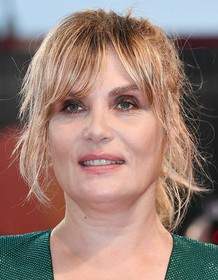
Emmanuelle Seigner
The Girl

Stefania Sandrelli
Sylvaine
Rocco Papaleo
Gea Martire
Claudio Spadaro
Mario Monicelli
Patrizia La Fonte
Antonello Fassari
Santo Bellina
Stefano Sabelli
Maria Gradi
Marioletta Bideri
Samuela Sardo
Daniele Nuccetelli
Roberto Della Casa
Donatella Ceccarello
Mario Prosperi
Elisa Mainardi
Daniela Di Bitonto
Mauro Vestri
Vittorio Caprioli
Psicanalista
Chiara Argelli
Benito Artesi
Oriana Baciardi
Giovanni Baghino
Michela Caruso
Carlo Colombo
Gloria De Antoni
Vittorio De Bisogno
Daniele Dublino
Christian Fiore
Serena Fiore
Domenica Fortunato
Ursula Foti
Luciano Francioli
Néstor Garay
Isabella Guidotti
Armando Marra
Beatrice Palme
Simone Piombarolo
Ivan Polidoro
Agnese Ricchi
Pietro Tordi
Emy Valentino
Isabella Venantini
Frank Nuyen
Japanese tourist (uncredited)
External Links and Streaming Options
Discover where to watch Dark Illness online, including streaming platforms, rental options, and official sources. Compare reviews, ratings, and in-depth movie information across sites like IMDb, TMDb, Wikipedia or Letterboxd.




Take the Ultimate Dark Illness Movie Quiz
Challenge your knowledge of Dark Illness with this fun and interactive movie quiz. Test yourself on key plot points, iconic characters, hidden details, and memorable moments to see how well you really know the film.
Dark Illness Quiz: Test your knowledge of the 1990 film "Dark Illness" with these ten questions ranging from easy to challenging.
What is the profession of Giuseppe Marchi at the start of the film?
Full Plot Summary and Ending Explained for Dark Illness
Read the complete plot summary of Dark Illness, including all major events, twists, and the full ending explained in detail. Explore key characters, themes, hidden meanings, and everything you need to understand the story from beginning to end.
Giuseppe Marchi, raised under the iron hand of an authoritarian father who wore a marshal’s uniform in the carabinieri, grows up in a modest family, making huge sacrifices to keep his studies but carrying a constant weight of difficulties and inner anguish. Now fifty, he carries the regret of never having had the chance to be beside his father on his deathbed, a missed moment that gnaws at him as he navigates a life crowded with unfulfilled promises.
An unsuccessful screenwriter, he spends time with Sylvaine, a French widow, and is soon drawn to a much younger woman The Girl. He is seduced by her, and their relationship leads to marriage when she becomes pregnant, a union that does not quiet the turbulence inside him. He dreams of composing the novel of his life, yet his attempt to have a script about Judas—reimagined with a commercial edge—falls short of acceptance, leaving him hungry for a breakthrough that never fully arrives.
Giuseppe pours himself into work, but the pain he carries is constant, a thread of excruciating emotion that refuses to loosen its grip. One day he makes the decision to seek medical examination, and he ends up in a clinic where they treat him for a non-existent ulcer and an illusory appendicitis, an encounter that only deepens his fatigue. Exhausted, he even contemplates suicide, a stark indicator of how far his internal turmoil has taken him.
When [Sylvaine] leaves with the baby for two months in Siusi, Giuseppe remains in the Roman heat, pushed to endure a difficult period as he tries to write the first chapter of his autobiography. His condition is complicated further by a mobile kidney, which leads to a recommendation that keeps him isolated as he treads water in a summer that never seems to cool. He hopes that joining his wife in the Alps will bring relief, but his manias and phobias do not release their grip.
Meanwhile, his script is rejected again; the client, troubled with the tax authorities, moves on, leaving Giuseppe with the burden of debt and a stark choice: cultivate olive groves in Calabria to repay what is owed. The turning point arrives when he places his trust in a psychoanalyst, whose blunt insight points to the father figure and conditioning as the root of his existential suffering. With this new clarity, the doctor’s words seem to offer a path toward healing. Yet the personal upheaval continues; his wife reveals she has been cheating on him for years, compounding the sense of betrayal that has shadowed him for so long.
Choosing solitude, Giuseppe makes a grave decision: he retreats to a shack among the Calabrian olive trees, tending a small vegetable garden as the day fades. From his quiet perch, he gazes toward the Strait of Messina, where the lights of Sicily shimmer in the distance—the land where his father was born and where memory lingers, stubborn and unresolved. In that remote, windswept dwelling, he begins to reconcile the past with the present, finding a humble, stubborn peace amid the landscape that once defined his family’s fate.

Coming soon on iOS and Android
The Plot Explained Mobile App
From blockbusters to hidden gems — dive into movie stories anytime, anywhere. Save your favorites, discover plots faster, and never miss a twist again.
Sign up to be the first to know when we launch. Your email stays private — always.
Explore the mobile appWatch Trailers, Clips & Behind-the-Scenes for Dark Illness
Watch official trailers, exclusive clips, cast interviews, and behind-the-scenes footage from Dark Illness. Dive deeper into the making of the film, its standout moments, and key production insights.
Dark Illness Themes and Keywords
Discover the central themes, ideas, and keywords that define the movie’s story, tone, and message. Analyze the film’s deeper meanings, genre influences, and recurring concepts.
Dark Illness Other Names and Titles
Explore the various alternative titles, translations, and other names used for Dark Illness across different regions and languages. Understand how the film is marketed and recognized worldwide.
Similar Movies To Dark Illness You Should Know About
Browse a curated list of movies similar in genre, tone, characters, or story structure. Discover new titles like the one you're watching, perfect for fans of related plots, vibes, or cinematic styles.



Quick Links: Summary, Cast, Ratings, More

What's After the Movie?
Not sure whether to stay after the credits? Find out!
Check out our other apps:

SAT Sphere
Build confidence for the Digital SAT.

Mori Atlas
Discover wild places worth protecting.

Luntero
Search smarter for a home in Amsterdam.

Plot Explained
Unravel movie endings and hidden clues.

Pokechamp
Dive into Pokémon data and battle logic.

Driving Theory
Get ready for your European theory test.

Movie Dust
Plan your next cinema trip with ease.

Musemap
Find art and culture as you travel.

Selkobase
Compare credentials before committing.

Local Manual
Turn an unfamiliar country into practical next steps.

Lernavi
Compare school systems before your next move.

GymRoam
Find a workout stop wherever your plans take you.
Explore Our Movie Platform
New Movie Releases (2026)
Famous Movie Actors
Top Film Production Studios
Movie Plot Summaries & Endings
Major Movie Awards & Winners
Best Concert Films & Music Documentaries
Movie Collections and Curated Lists
© 2026 What's After the Movie. All rights reserved.
Privacy Policy