
Crayon Shin-chan: The Legend Called Dance! Amigo! (2006): Cast & Plot
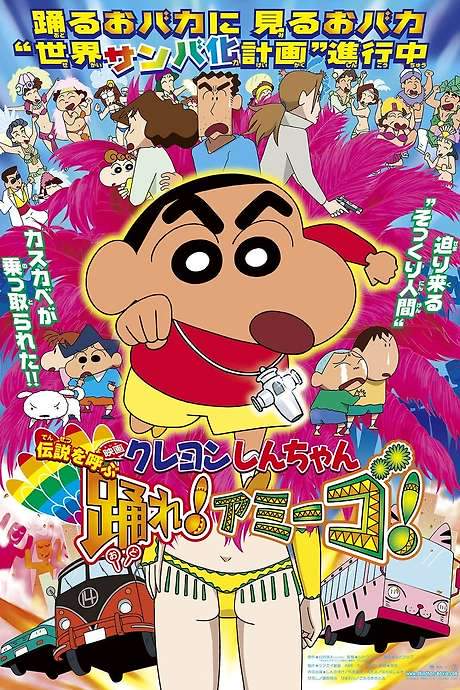
Crayon Shin-chan: The Legend Called Dance! Amigo! is a 2006 animated comedy directed by Yuji Muto, starring Shuichi Ikeda as Amigo Suzuki (voice), Kotono Mitsuishi and Makiko Ohmoto. It runs 1 hour 31 minutes.
- Released
- Runtime
- 1h 31m (91 min)
- Director
- Yuji Muto
- Original language
-
 Japanese
 - Studio
- Shin-Ei Animation
- After the credits
- No No extra scene
What Is Crayon Shin-chan: The Legend Called Dance! Amigo! About?
The premise of Crayon Shin-chan: The Legend Called Dance! Amigo! without spoilers. The whole story is in the plot summary further down.
Something sinister’s afoot in Kasukabe. Shin-chan doesn’t know what it is, but he’s pretty sure it involves samba-dancing doppelgängers.
Crayon Shin-chan: The Legend Called Dance! Amigo! Themes & Keywords
· 6 tags- japan
- anime animation
- family relationships
- escape
- traditional animation
- hand drawn animation
Crayon Shin-chan: The Legend Called Dance! Amigo! Cast & Characters
Shuichi Ikeda leads the cast as Amigo Suzuki (voice), with Kotono Mitsuishi as Masumi Ageo (voice) and Makiko Ohmoto as Micchi Hatogaya (voice). Directed by Yuji Muto; 23 actors are credited in all.
- Director Yuji Muto
- Shuichi Ikeda as Amigo Suzuki (voice)
-
 Kotono Mitsuishi as Masumi Ageo (voice)
 - Makiko Ohmoto as Micchi Hatogaya (voice)
- Yumi Takada as Midori Yoshinaga (voice)
Also Starring in Crayon Shin-chan: The Legend Called Dance! Amigo!
· 19 more- Akiko Yajima Shinnosuke Nohara (voice)
- Miki Narahashi Misae Nohara (voice)
- Teiyu Ichiryusai Masao Sato (voice)
- Ayako Kawasumi Ai Suotome (voice)
- Tomoko Ohtsuka Ekasuky Masao (voice)
- Chie Sato Bo (voice)
- Sakiko Tamagawa Mineko Kazama (voice)
- Mari Mashiba Toru Kazama (voice) / Shiro (voice)
- Keiji Fujiwara Hiroshi Nohara (voice)
- Satomi Korogi Himawari Nohara (voice)
- Daiki Nakamura Kawaguchi (voice)
- Akeno Watanabe Jacqueline "Jackie" Feeney (voice)
- Tamao Hayashi Nene Sakurada (voice)
- Reiko Tajima Amiga Suzuki (voice)
- Fumihiko Tachiki Kuroiso (voice)
- Daisuke Sakaguchi Yoshirin Hatogaya (voice)
Show all 23 cast members Show fewer cast members
- Michie Tomizawa Ume Matsuzaka (voice)
- Rokuro Naya Principal (voice)
- Thane Camus Captain SRI (voice)
Crayon Shin-chan: The Legend Called Dance! Amigo! Plot Summary
What happens in Crayon Shin-chan: The Legend Called Dance! Amigo! from start to finish, spoilers included, with a timeline of 12 key events. The opening is below; the full summary is a 6-minute read.
Spoilers ahead
At Futaba Kindergarten, three teachers gather to map out the plans for the upcoming annual sports day. Miss Matsuzaka [Makiko Ohmoto] suggests a samba routine, but Miss Yoshinaga [Yumi Takada] and Miss Ageo [Kotono Mitsuishi] dismiss the idea as impractical for the kids. The mood shifts late at night when a drunken Miss Yoshinaga is walking home and is suddenly confronted by a lurking, shadowy presence that mirrors her exactly, a chilling first hint that something uncanny is at play in Kasukabe.
Full summary
The whole story of Crayon Shin-chan: The Legend Called Dance! Amigo!, scene by scene
How Well Do You Know Crayon Shin-chan: The Legend Called Dance! Amigo!?
10 questions about the story, each with a hint if you get stuck. Pick an answer to see whether you were right.
Question 1 of 10
- Question 1: not answered
- Question 2: not answered
- Question 3: not answered
- Question 4: not answered
- Question 5: not answered
- Question 6: not answered
- Question 7: not answered
- Question 8: not answered
- Question 9: not answered
- Question 10: not answered
What type of dance does Miss Matsuzaka propose for the school’s sports day?
Crayon Shin-chan: The Legend Called Dance! Amigo! Also Known As
31 alternative titles, including “Kureyon Shinchan: Densetsu o yobu odore! Amîgo!” and “극장판 짱구는 못말려 14기 : 전설을 부르는 춤! 아미고!”.
- Also known as
-
- Kureyon Shinchan: Densetsu o yobu odore! Amîgo!
- 극장판 짱구는 못말려 14기 : 전설을 부르는 춤! 아미고!
- 짱구는 못말려 : 전설을 부르는 춤을 춰라
- 아미고!
- 呼风唤雨!跳吧!朋友!
- 呼唤传说!跳舞吧!朋友!
- クレヨンしんちゃん 伝説を呼ぶ 踊れ!アミーゴ!
- 映画クレヨンしんちゃん 伝説を呼ぶ 踊れ!アミーゴ!
- ชินจัง เดอะมูฟวี่ ตอน ตำนานปีศาจนักเต้น
- Shin-chan: A ritmo de samba
- 짱구는 못말려 극장판 14 - 전설을 부르는 춤! 아미고!
- 짱구는 못말려 극장판 14
+19 more Show fewer
- 짱구는 못말려 극장판 전설을 부르는 춤! 아미고!
- 영화 크레용 신짱 전설을 부르는 춤! 아미고!
- 영화 크레용 신짱 14
- 짱구는 못말려 극장판: 전설을 부르는 춤을 춰라
- 짱구는 못말려 극장판 14 (2006) 전설을 부르는 춤을 춰라
- Crayon Shin Chan the Legend Called Dance Amigo
- 蠟筆小新:傳說召喚Amigo! 森巴入侵計劃
- 蜡笔小新:呼唤传说!跳吧!朋友!
- 蜡笔小新:呼唤传说!跳舞吧!朋友!
- Shin Chan: A ritmo de samba
- 극장판 짱구는 못말려: 전설을 부르는 춤을 춰라
- クレヨンしんちゃん 伝説を呼ぶ 踊れ!アミーゴ!
- 蠟筆小新電影 Amigo!森巴入侵計畫
- 蜡笔小新:Amigo!森巴入侵计划
- Shin Chan: Sanbaren erritmoan
- Shin-Chan: Ao Ritmo do Samba
- 蠟筆小新:傳説召喚 Amigo!森巴入侵計畫
- Shin Chan: A ritme de samba
- Shin - Cậu Bé Bút Chì 14: Khiêu Vũ! Người Bạn Thân Mến!
Seen Crayon Shin-chan: The Legend Called Dance! Amigo!?
Movies Like Crayon Shin-chan: The Legend Called Dance! Amigo!
Films with a similar story, tone or audience, including Crayon Shin-chan the Movie: Super Hot! The Spicy Kasukabe Dancers, Crayon Shin-chan: Great Adventure In Henderland and Crayon Shin-chan: Roar! Kasukabe Animal Kingdom.
-
 Crayon Shin-chan the Movie: Super Hot! The Spicy Kasukabe Dancers 2025
 -
 Crayon Shin-chan: Great Adventure In Henderland 1996
 -
 Crayon Shin-chan: Roar! Kasukabe Animal Kingdom 2009
 -
 Crayon Shin-chan: The Adult Empire Strikes Back 2001
 -
 Crayon Shin-chan: Action Mask vs. Leotard Devil 1993
 -
 Crayon Shin-chan: Invasion!! Alien Shiriri 2017
 -
 Crayon Shin-chan: The Hidden Treasure of the Buri Buri Kingdom 1994
 -
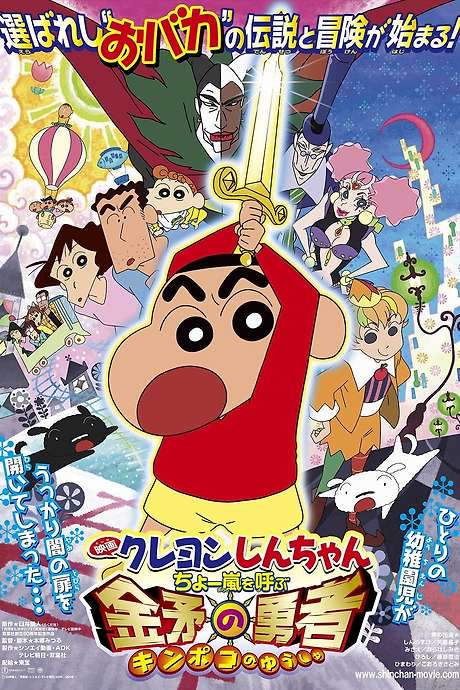 Crayon Shin-chan: Invoke a Super Storm! The Hero of Kinpoko 2008
 -
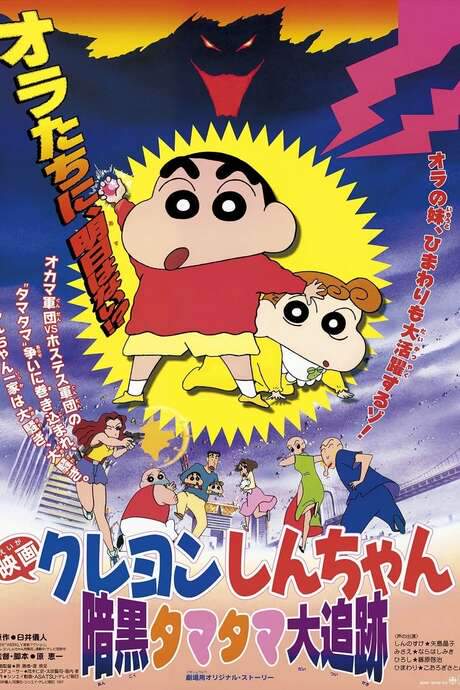 Crayon Shin-chan: Pursuit of the Balls of Darkness 1997
 -
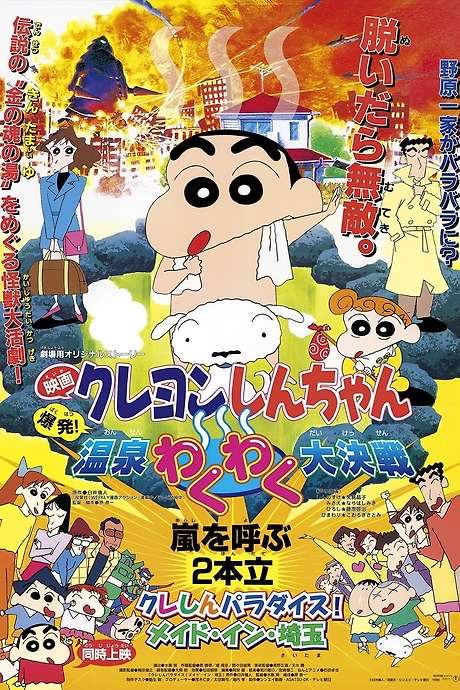 Crayon Shin-chan: Explosion! The Hot Spring’s Feel Good Final Battle 1999
 -
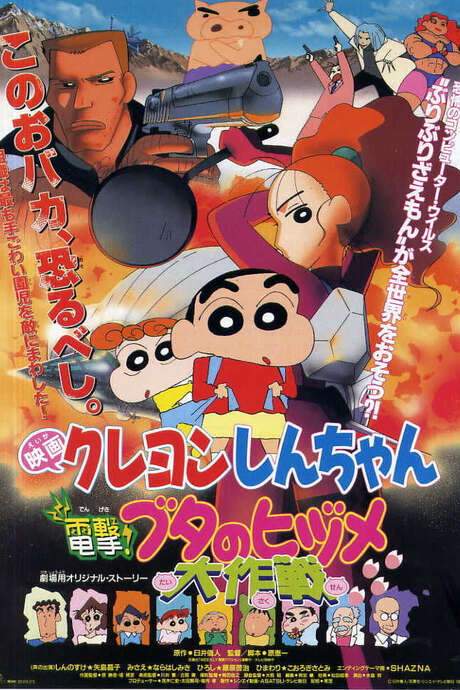 Crayon Shin-chan: Dengeki! Buta no Hizume Daisakusen 1998
 -
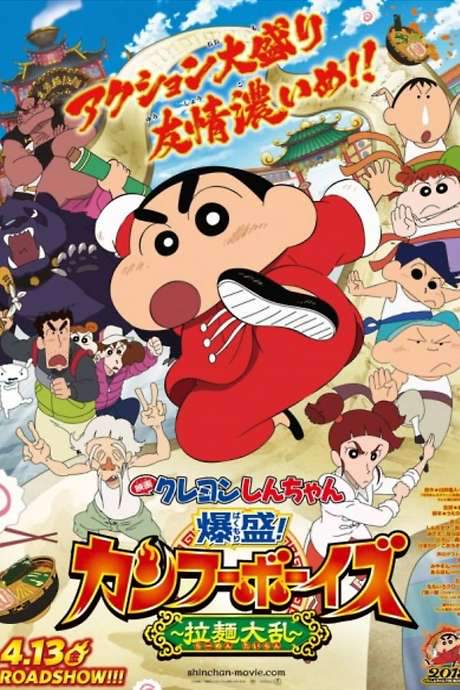 Crayon Shin-chan: Burst Serving! Kung Fu Boys ~Ramen Rebellion~ 2018
Crayon Shin-chan: The Legend Called Dance! Amigo! FAQ: Cast & Runtime
Runtime, release date, director, cast, post-credit scenes and language of Crayon Shin-chan: The Legend Called Dance! Amigo!, each answered in a sentence.
How long is Crayon Shin-chan: The Legend Called Dance! Amigo!?
Crayon Shin-chan: The Legend Called Dance! Amigo! runs 1 hour 31 minutes (91 minutes).
When was Crayon Shin-chan: The Legend Called Dance! Amigo! released?
Crayon Shin-chan: The Legend Called Dance! Amigo! was released on April 15, 2006.
Who directed Crayon Shin-chan: The Legend Called Dance! Amigo!?
Crayon Shin-chan: The Legend Called Dance! Amigo! was directed by Yuji Muto.
More films by Yuji Muto Who is in the cast of Crayon Shin-chan: The Legend Called Dance! Amigo!?
Crayon Shin-chan: The Legend Called Dance! Amigo! stars Shuichi Ikeda as Amigo Suzuki (voice), Kotono Mitsuishi as Masumi Ageo (voice) and Makiko Ohmoto as Micchi Hatogaya (voice), among 23 credited actors.
Does Crayon Shin-chan: The Legend Called Dance! Amigo! have a post-credit scene?
No. Crayon Shin-chan: The Legend Called Dance! Amigo! has no extra scene during or after the credits.
What language is Crayon Shin-chan: The Legend Called Dance! Amigo! in?
The original language of Crayon Shin-chan: The Legend Called Dance! Amigo! is Japanese.
Coming soon to your phone
The Plot Explained Movie Summary App
From blockbusters to hidden gems: plot summaries, endings explained and timelines on your phone. Save your favorites and never miss a twist again.
Be the first to know when it launches. Your email stays private, always. Learn more about the app
