
Closed Circuit (1978): Cast & Plot
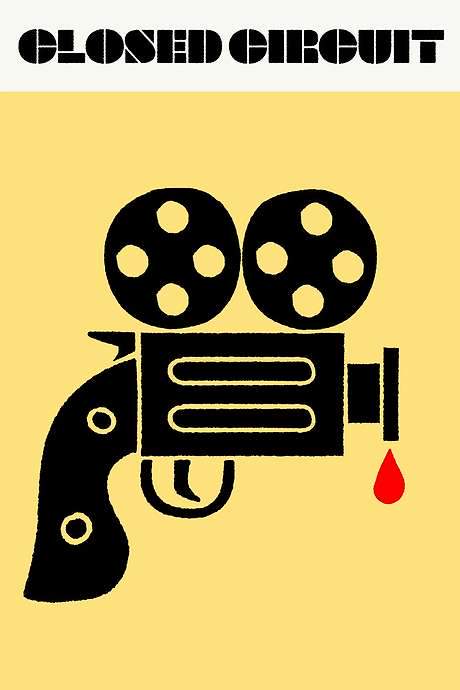
Closed Circuit is a 1978 crime film directed by Giuliano Montaldo, starring Attilio Duse as Direttore del cinema, Laura D'Angelo and Giuliano Gemma. It runs 1 hour 46 minutes.
- Released
- Runtime
- 1h 46m (106 min)
- Director
- Giuliano Montaldo
- Genre
- Crime
- Original language
-
 Italian
 - Studio
- RAI
- After the credits
- No No extra scene
What Is Closed Circuit About?
The premise of Closed Circuit without spoilers. The whole story is in the plot summary further down.
At a local cinema, patrons watch a Spaghetti Western matinee. During the on‑screen duel’s climax, a real bullet hits a viewer. With no obvious leads and the entire audience now suspects, investigators lock the doors, seat everyone again and replay the film, hoping the second viewing will reveal the true killer.
Closed Circuit Themes & Keywords
· 9 tags- panic
- shooting gun indoor
- homosexuals
- murder in cinema
- movie theater
- movie reality crossover
- spaghetti western
- giallo
- prostitute
Closed Circuit Cast & Characters
Attilio Duse leads the cast as Direttore del cinema, with Laura D'Angelo as Maschera al cinema and Giuliano Gemma as Il pistolero. Directed by Giuliano Montaldo; 43 actors are credited in all.
- Director Giuliano Montaldo
- Attilio Duse as Direttore del cinema
- Laura D'Angelo as Maschera al cinema
-
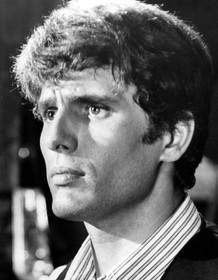 Giuliano Gemma as Il pistolero
 -
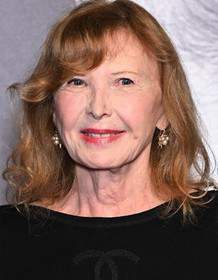 Aurore Clément as Giovane signora
Also Starring in Closed Circuit
· 39 more- Sergio Doria Giovane signore
- Antonio Bonifacio Giovane bruno
- Maria Pia Attanasio Vecchia signora
- Ettore Manni Questore
- Luciano Catenacci Vice Questore
- Flavio Bucci Il sociologo
- William Berger 2° pistolero
- Luciano Rossi Assistente proiezionista
- Franco Balducci Duro #2
- Giovanni Di Benedetto Nonno
- Tony Kendall Roberto Vinci
- Loris Bazzocchi Agente in borghese
- Mattia Sbragia Adolescente
- Brizio Montinaro Commissario
- Guerrino Crivello Piccoletto
- Luigi Uzzo Fumatore
Show all 43 cast members Show fewer cast members
- Alfredo Pea Garzone
- Gennarino Pappagalli Colonnello SID
- Micaela Pignatelli Accompagnatrice
- Giorgio Cerioni Duro #1
- Marzio Honorato Regista
- Franco Mazzieri Barista
- Enzo Spitaleri Signore alto e solitario
- Dina Sassoli Padrona pensione
- Gabriele Tozzi Controllore
- Conchita Airoldi Giornalista
- Mario Cecchi Uomo in grigio
- Annabella Andreoli Spettatrice
- Michela Martini Ragazza controllore
- Gianni Ottaviani Magistrato
- Agla Marsili Cassiera
- Pino Lorin Giornalista
- Irene Bignardi Intervistatrice
- Federico Neri
- Elisabetta Virgili Adolescente
- Gino Usai Poliziotto
- Angela Serraino Ragazza bionda
- Umberto Gradi Bambino
- Bruno Di Geronimo Produttore
Closed Circuit Plot Summary
What happens in Closed Circuit from start to finish, spoilers included, with a timeline of 12 key events. The opening is below; the full summary is a 5-minute read.
Spoilers ahead
Inside a crowded cinema, the mood hums with the ordinary mix of anticipation and anonymity: adults and children, secretive glances in the back rows, and staff prepped for the showing of a Western that has no age restriction, according to the box office clerk. The film unfolds with the cadence of a simple but riveting duel between on-screen rivals, and in the dim light the audience becomes a tapestry of private stories, each watching with its own reasons and shadows. The first spark of trouble arrives not in the plot but in the room: a man seated beside a young couple is suddenly shot, the violence spilling from the screen into the audience as if the gunfire had somehow crossed over.
Full summary
The whole story of Closed Circuit, scene by scene
How Well Do You Know Closed Circuit?
10 questions about the story, each with a hint if you get stuck. Pick an answer to see whether you were right.
Question 1 of 10
- Question 1: not answered
- Question 2: not answered
- Question 3: not answered
- Question 4: not answered
- Question 5: not answered
- Question 6: not answered
- Question 7: not answered
- Question 8: not answered
- Question 9: not answered
- Question 10: not answered
In the film, what type of movie is being screened when the real murder occurs?
Closed Circuit Also Known As
5 alternative titles, including “Disparen al espectador” and “Замкнутый круг”.
- Also known as
-
- Disparen al espectador
- Замкнутый круг
- Uzavřený kruh
- 封闭范围
- Der tödliche Kreis
Seen Closed Circuit?
Movies Like Closed Circuit
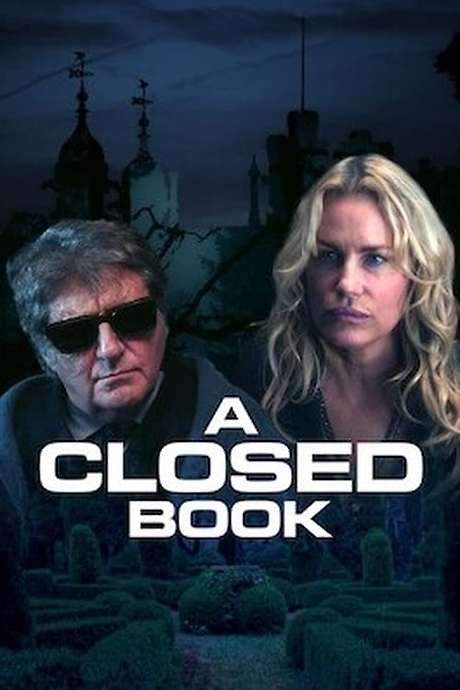
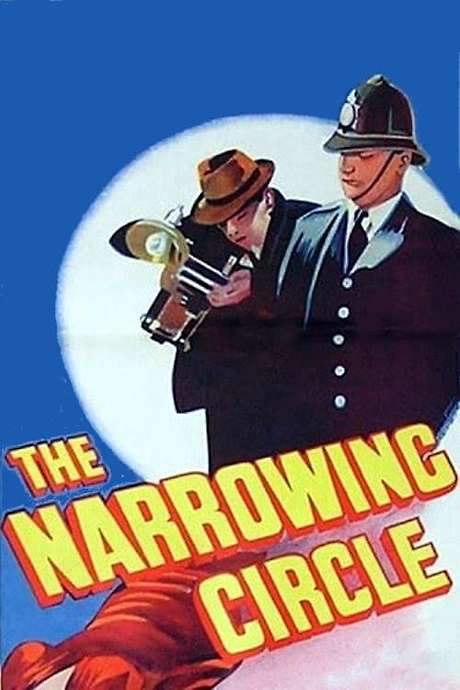
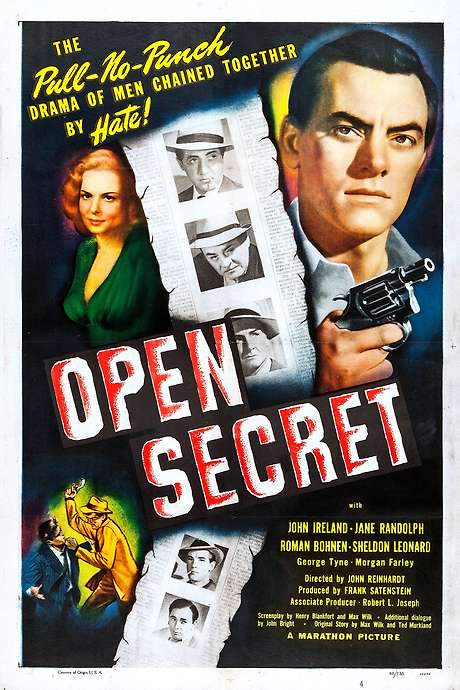
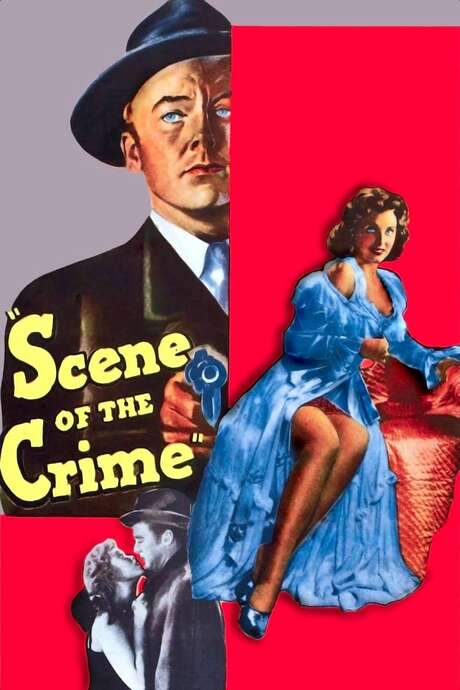
Films with a similar story, tone or audience, including Closed Circuit, The Case Is Closed, Forget It and Close-Up.
Closed Circuit FAQ: Cast, Runtime & Release Date
Runtime, release date, director, cast, post-credit scenes and language of Closed Circuit, each answered in a sentence.
How long is Closed Circuit?
Closed Circuit runs 1 hour 46 minutes (106 minutes).
When was Closed Circuit released?
Closed Circuit was released on February 22, 1978.
Who directed Closed Circuit?
Closed Circuit was directed by Giuliano Montaldo.
More films by Giuliano Montaldo Who is in the cast of Closed Circuit?
Closed Circuit stars Attilio Duse as Direttore del cinema, Laura D'Angelo as Maschera al cinema and Giuliano Gemma as Il pistolero, among 43 credited actors.
Does Closed Circuit have a post-credit scene?
No. Closed Circuit has no extra scene during or after the credits.
What language is Closed Circuit in?
The original language of Closed Circuit is Italian.
Coming soon to your phone
The Plot Explained Movie Summary App
From blockbusters to hidden gems: plot summaries, endings explained and timelines on your phone. Save your favorites and never miss a twist again.
Be the first to know when it launches. Your email stays private, always. Learn more about the app
