Carbon Copy 1981


The film spins a satirical tale of an affluent white corporate executive whose world is upended when he learns he has a teenage son from a working‑class Black background. The son, eager to be embraced by the ultra‑white, affluent enclave of San Marino, California, forces both father and community to confront their prejudices and assumptions.

Does Carbon Copy have end credit scenes?
No!
Carbon Copy does not have end credit scenes. You can leave when the credits roll.
Meet the Full Cast and Actors of Carbon Copy
Explore the complete cast of Carbon Copy, including both lead and supporting actors. Learn who plays each character, discover their past roles and achievements, and find out what makes this ensemble cast stand out in the world of film and television.
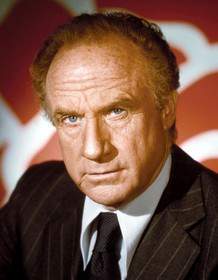
Jack Warden
Nelson Longhurst
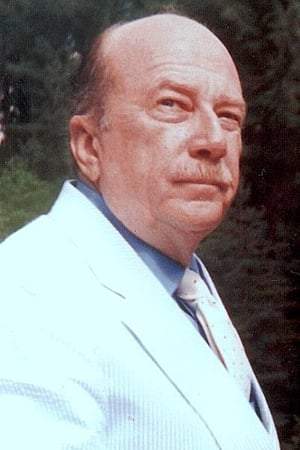
Macon McCalman
Tubby Wederholt

George Segal
Walter Whitney

Denzel Washington
Roger Porter
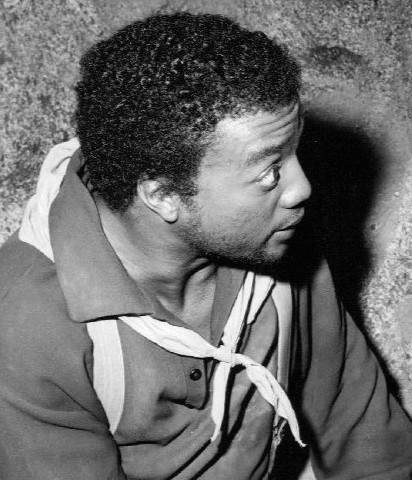
Paul Winfield
Bob Garvey

Lee Garlington
Warren Munson
2nd Guard
Vicky Dawson
Mary Ann
Parley Baer
Dr. Bristol
Susan Saint James
Vivian Whitney
Ed Call
Basketball Father
Dick Martin
Victor Bard
Kenneth White
Burly Man
Tom Poston
Reverend Hayworth
Carmen Filpi
Wino
Vernon Weddle
Wardlow
External Links and Streaming Options
Discover where to watch Carbon Copy online, including streaming platforms, rental options, and official sources. Compare reviews, ratings, and in-depth movie information across sites like IMDb, TMDb, Wikipedia or Box Office Mojo.





Take the Ultimate Carbon Copy Movie Quiz
Challenge your knowledge of Carbon Copy with this fun and interactive movie quiz. Test yourself on key plot points, iconic characters, hidden details, and memorable moments to see how well you really know the film.
Carbon Copy (1981) Quiz: Test your knowledge of the 1981 drama "Carbon Copy," which explores themes of family, identity, and social tension.
What is the name of the 17‑year‑old African‑American boy who arrives at Walter Whitney's home?
Full Plot Summary and Ending Explained for Carbon Copy
Read the complete plot summary of Carbon Copy, including all major events, twists, and the full ending explained in detail. Explore key characters, themes, hidden meanings, and everything you need to understand the story from beginning to end.
Roger Porter, Denzel Washington, is a 17-year-old African-American boy who turns up in the life of Walter Whitney, a successful businessman living in the exclusive, predominantly white enclave of San Marino, California. Walter Whitney, George Segal, is secretly Jewish and carries the weight of a life split between his ambitions and the quiet compromises of a gated community, where he must beg his wife for intimacy and endure the antics of his outspoken step-daughter Mary Ann. The arrival of Roger shakes the surface of Walter’s carefully curated world and sparks questions about belonging, loyalty, and what it means to be a family.
The boy’s presence is shocking and charged with history: Roger is the product of Walter’s long-ago relationship with Lorraine Porter, a Black woman who is now dead. The only person who appeared to know the truth was Walter’s anti-Semitic, racist father-in-law and boss, Nelson Longhurst, who had once forced Walter to change his surname from Wiesenthal and who had threatened Walter with dismissal when he learned of the relationship. Walter had written Lorraine a letter proposing a pause in their relationship, but Lorraine never replied, and Roger later learns of the letter only after Lorraine’s death, delivered to him by his Aunt Clara. The backstory lays bare the racial and religious tensions that shadow Walter’s life and foreshadow the difficult road ahead.
Despite initial shock and resentment, Walter tries to make amends. He asks Vivian Whitney, Susan Saint James, to let Roger spend the summer with them as a foster son. Vivian agrees, but her relief is short-lived—she quickly regrets the decision once she grasps the full truth of Walter’s past and the complexity of Roger’s presence. The couple’s fragile arrangement is further strained when Nelson Longhurst, Walter’s formidable father-in-law, remains unyielding in his bigoted stance. The family’s finances begin to crumble as Nelson fires Walter and Vivian and Mary Ann’s lives become more entangled with power plays and divisions. With his money tied up in Vivian’s and Mary Ann’s names, Walter finds himself with almost nothing left but the coins in his wallet, and a network of professionals who have been pressured to cut him off.
Pushed to the edge, Walter takes a job shoveling horse manure at a stable, while Roger helps him secure a cheap furnished apartment. To make ends meet, Roger hocks Walter’s golf clubs to fund a move into a rundown apartment in Watts, Los Angeles. The plan is simple but fragile: Roger wants Walter to land steady work, and Walter promises not to throw in the towel on their bond. Yet the couple’s fragile survival is tested when a policeman pursues Roger on suspicion of wrongdoing, prompting Walter to stage a diversion and end up in custody himself—taking the fall to protect his son. In jail, Roger visits Walter and speaks with a quiet, earnest honesty: he never sought material support; he simply wanted to be accepted as Walter’s son.
The turning point comes with Walter’s return to San Marino, his job and his family momentarily restored, though Nelson’s influence still looms large. Walter seeks another chance to reconnect with Roger, and Bob Garvey, Paul Winfield, who becomes his counsel, reveals a crucial truth: Roger did not abandon his ambitions—he has graduated high school at 16 and is a pre-med student at Northwestern University. This revelation reframes Walter’s decision to step back into Roger’s life on a more hopeful footing. Walter and Roger are brought together again beside the road where Roger works on his car, and Walter announces his intent to live nearby, pursuing employment so he can remain close to Roger.
In a defining moment of belonging, Walter lets Roger call him “dad,” and, moved by the possibility of a real family, he resolves to become a present, active presence in Roger’s life. The film closes on a note of reconciliation and renewed purpose as Walter heads toward Aunt Clara’s home, ready to be a true father and partner to the young man he has grown to respect and love. The closing image—Walter riding alongside Roger in his jalopy—symbolizes a future where differences are acknowledged, and a fragile family is rebuilt on a foundation of shared effort and unconditional support.

Coming soon on iOS and Android
The Plot Explained Mobile App
From blockbusters to hidden gems — dive into movie stories anytime, anywhere. Save your favorites, discover plots faster, and never miss a twist again.
Sign up to be the first to know when we launch. Your email stays private — always.
Explore the mobile appDiscover Film Music Concerts Near You – Live Orchestras Performing Iconic Movie Soundtracks
Immerse yourself in the magic of cinema with live orchestral performances of your favorite film scores. From sweeping Hollywood blockbusters and animated classics to epic fantasy soundtracks, our curated listings connect you to upcoming film music events worldwide.
Explore concert film screenings paired with full orchestra concerts, read detailed event information, and secure your tickets for unforgettable evenings celebrating legendary composers like John Williams, Hans Zimmer, and more.


Carbon Copy Themes and Keywords
Discover the central themes, ideas, and keywords that define the movie’s story, tone, and message. Analyze the film’s deeper meanings, genre influences, and recurring concepts.
Carbon Copy Other Names and Titles
Explore the various alternative titles, translations, and other names used for Carbon Copy across different regions and languages. Understand how the film is marketed and recognized worldwide.
Similar Movies To Carbon Copy You Should Know About
Browse a curated list of movies similar in genre, tone, characters, or story structure. Discover new titles like the one you're watching, perfect for fans of related plots, vibes, or cinematic styles.






Quick Links: Summary, Cast, Ratings, More

What's After the Movie?
Not sure whether to stay after the credits? Find out!
Check out our other apps:

SAT Sphere
Build confidence for the Digital SAT.

Mori Atlas
Discover wild places worth protecting.

Luntero
Search smarter for a home in Amsterdam.

Plot Explained
Unravel movie endings and hidden clues.

Pokechamp
Dive into Pokémon data and battle logic.

Driving Theory
Get ready for your European theory test.

Movie Dust
Plan your next cinema trip with ease.

Musemap
Find art and culture as you travel.

Selkobase
Compare credentials before committing.

Local Manual
Turn an unfamiliar country into practical next steps.

Lernavi
Compare school systems before your next move.

GymRoam
Find a workout stop wherever your plans take you.
Explore Our Movie Platform
New Movie Releases (2026)
Famous Movie Actors
Top Film Production Studios
Movie Plot Summaries & Endings
Major Movie Awards & Winners
Best Concert Films & Music Documentaries
Movie Collections and Curated Lists
© 2026 What's After the Movie. All rights reserved.
Privacy Policy