Black Butterflies 2022


Low on inspiration for his second book, a gloomy novelist agrees to write a memoir for a dying man — and swiftly becomes part of his bloodstained past.

Does Black Butterflies have end credit scenes?
No!
Black Butterflies does not have end credit scenes. You can leave when the credits roll.
Meet the Full Cast and Actors of Black Butterflies
Explore the complete cast of Black Butterflies, including both lead and supporting actors. Learn who plays each character, discover their past roles and achievements, and find out what makes this ensemble cast stand out in the world of film and television.
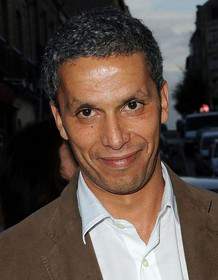
Sami Bouajila
Carrel
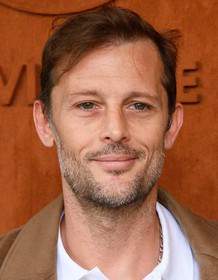
Nicolas Duvauchelle
Adrien
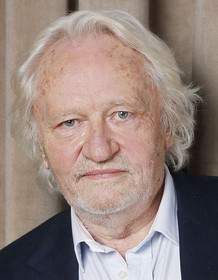
Niels Arestrup
Albert Desiderio
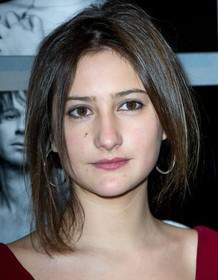
Lola Créton
Catherine jeune
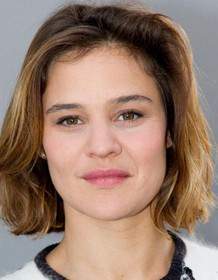
Marie Denarnaud
Mathilde

Alice Belaïdi
Nora Arezki
Willy Thomas
Bert
Brigitte Catillon
Catherine Winckler
Henny Reents
Nastya Schreiber
Bert Haelvoet
Klaas
Axel Granberger
Albert jeune
Alyzée Costes
Solange Martin
Clara Blanchet
Solange (10 ans)
Mélian Guillermo
Albert (10 ans)
Valentino Genitoni Alati
Adrien (4 ans)
External Links and Streaming Options
Discover where to watch Black Butterflies online, including streaming platforms, rental options, and official sources. Compare reviews, ratings, and in-depth movie information across sites like IMDb, TMDb, Wikipedia or Rotten Tomatoes.





Take the Ultimate Black Butterflies Movie Quiz
Challenge your knowledge of Black Butterflies with this fun and interactive movie quiz. Test yourself on key plot points, iconic characters, hidden details, and memorable moments to see how well you really know the film.
Black Butterflies Movie Quiz: A diverse quiz exploring the key characters, themes, and moments from the film 'Black Butterflies' (2022).
Who is the actress that plays Ingrid Jonker in the film?
Full Plot Summary and Ending Explained for Black Butterflies
Read the complete plot summary of Black Butterflies, including all major events, twists, and the full ending explained in detail. Explore key characters, themes, hidden meanings, and everything you need to understand the story from beginning to end.
Ingrid and Anna Jonker are two young girls who live a humble life in a seaside shack, cared for by their elderly grandmother. Their quiet existence takes a sudden turn one stormy night when Anna rushes into Ingrid’s room, crying that their grandmother is not breathing. The girls’ grandmother is soon taken away in a hearse, and amidst this somber moment, the arrival of Abraham Jonker, a politician played by Rutger Hauer, adds a complex layer to their lives. Abraham is shocked to find that the girls are barefoot, and when Anna inquires about what to call him, he responds simply, “Call me ‘Pa,’” establishing a complicated, emotionally distant relationship.
Decades later, around 1960, an adult Ingrid Carice van Houten is shown swimming alone near the affluent suburb of Clifton in Cape Town. She struggles briefly against the current and begins to go under, intensifying the scene with her cries for help. A man onshore named Jack Cope, a novelist played by Liam Cunningham, hears her and leaps into the water to rescue her. When they reach the shore, Jack introduces himself, and Ingrid, overwhelmed with emotion, reveals that she has read his novel and that it helped her through difficult times. Jack is visibly moved, especially when she calls him “the poet Ingrid Jonker,” a name that signifies her admiration and recognition of her talent.
Their brief encounter hints at a deeper emotional connection that soon develops into something more complex. Ingrid’s sister Anna interrupts, informing Ingrid that their father is waiting for her. Abraham, her father, then appears, requesting Ingrid to give her a ride to her home, where her estranged husband, Pieter Venter, has asked to see her. Ingrid dismisses Pieter, asserting that they have nothing in common. In her modest apartment shared with Anna and her infant daughter, Ingrid faces the reality of her tumultuous personal life. Pieter pleads for another chance, but Ingrid remains hesitant.
Later, Jack invites Ingrid to a gathering with his bohemian literary friends, an invitation she gratefully accepts, choosing her artistic pursuits over her strained relationship with Pieter. At the party, she witnesses the harsh realities of apartheid when a black writer laments the censorship and banning of his novel by the Censorship Board, which is headed by Ingrid’s father, Abraham. The writer’s story underscores the oppressive political climate, with police confiscating his work and destroying years of his efforts. A white police officer intervenes during their trip to Nyanga, a black township, attempting to harass the writer. During this period, it is revealed that Abraham Jonker is a staunch supporter of the White Supremacist National Party and the chair of the Censorship Board, making him a symbol of the oppressive regime.
Ingrid’s relationship with Jack deepens as she shows him a poem she wrote in his honor, explaining that his novel saved her life. Their bond quickly turns romantic, and Jack, who longs for a stable family, pleads with Ingrid and her daughter to move in with him. Despite her growing feelings, Ingrid is troubled—Jack refuses to marry her, citing his emotional exhaustion and inability to produce new work, which he claims is draining him. He plans to leave for a few months to finish his novel, prompting Ingrid to feel devastated and desperately try to convince him to stay or bring her along. Her emotional turmoil eventually leads her to have a secret abortion.
As Jack is away, Ingrid’s loneliness leads her to pursue other relationships. She later meets Eugene Maritz, a novelist who is something of a rising star in Afrikaans literature. Out of frustration and loneliness, Ingrid seduces Eugene, which causes tension when Jack returns and discovers the affair, leading him to dismiss Ingrid from his life. Her despair intensifies as she witnesses the brutal violence of apartheid firsthand, including a police shooting that kills a black child. This traumatic event fuels her most famous poem, Die Kind, in which she portrays the child as a martyr and subtly hints that apartheid’s end is inevitable.
Throughout her life, Ingrid struggles with her relationship with her father, who is depicted as a cold, authoritarian figure. He dismisses her political dissent, rips apart her poems, and criticizes her promiscuity, calling her “a slut.” Her defiance and pain lead her into periods of depression and psychosis, resulting in her being committed to Valkenberg Hospital. During her stay, Jack visits her and learns she had an abortion without telling him, fearing he would only marry her for that reason. Despite her mental health struggles, she continues to write poetry, and her work is compiled into the acclaimed collection Rook an Ochre, which she dedicates to Jack and Uys Krige.
Her success brings her opportunities to travel to Europe, a dream she finally realizes. Before leaving, she visits her father, who admits that he considered banning her book but refrained due to fear of scandal. Their conversation is bitter, filled with accusations and prejudice, with her father condemning her and refusing to see her again. Ingrid asks Jack to accompany her, but he cannot due to restrictions placed on him by the government because of his political views. Instead, she travels with Eugene.
In Europe, her emotional state deteriorates, and she suffers another miscarriage, resulting in her hospitalization in Paris and a subsequent forced electroconvulsive therapy, which her father approves. Upon her return to South Africa, Ingrid finds it impossible to write and is visibly broken. One night, she visits Jack, giving him her medal and a poem, symbolizing her love and hope. Despite his pleas for her to stay or return with him, Ingrid leaves, ultimately ending her life by walking into the ocean. The scene closes with her body being recovered as the film guides viewers to reflect on her poetic legacy.
The film concludes with a powerful scene showing Nelson Mandela reading aloud Ingrid Jonker’s poem Die Kind during his first speech as South Africa’s president after the end of apartheid, emphasizing her enduring influence on the country’s history and literature.

Coming soon on iOS and Android
The Plot Explained Mobile App
From blockbusters to hidden gems — dive into movie stories anytime, anywhere. Save your favorites, discover plots faster, and never miss a twist again.
Sign up to be the first to know when we launch. Your email stays private — always.
Explore the mobile appDiscover Film Music Concerts Near You – Live Orchestras Performing Iconic Movie Soundtracks
Immerse yourself in the magic of cinema with live orchestral performances of your favorite film scores. From sweeping Hollywood blockbusters and animated classics to epic fantasy soundtracks, our curated listings connect you to upcoming film music events worldwide.
Explore concert film screenings paired with full orchestra concerts, read detailed event information, and secure your tickets for unforgettable evenings celebrating legendary composers like John Williams, Hans Zimmer, and more.


Black Butterflies Themes and Keywords
Discover the central themes, ideas, and keywords that define the movie’s story, tone, and message. Analyze the film’s deeper meanings, genre influences, and recurring concepts.

Unlock the World of Movies with Our Comprehensive Wiki
Dive into our Movie Wiki for in-depth film encyclopedia entries, including cast biographies, production trivia, plot synopses, behind-the-scenes facts, and thematic analyses. Whether you’re researching iconic directors, exploring genre histories, or discovering hidden easter eggs, our expertly curated movie database has everything you need to fuel your cinematic passion.
Similar Movies To Black Butterflies You Should Know About
Browse a curated list of movies similar in genre, tone, characters, or story structure. Discover new titles like the one you're watching, perfect for fans of related plots, vibes, or cinematic styles.




Quick Links: Summary, Cast, Ratings, More

What's After the Movie?
Not sure whether to stay after the credits? Find out!
Check out our other apps:

SAT Sphere
Build confidence for the Digital SAT.

Mori Atlas
Discover wild places worth protecting.

Luntero
Search smarter for a home in Amsterdam.

Plot Explained
Unravel movie endings and hidden clues.

Pokechamp
Dive into Pokémon data and battle logic.

Driving Theory
Get ready for your European theory test.

Movie Dust
Plan your next cinema trip with ease.

Musemap
Find art and culture as you travel.

Selkobase
Compare credentials before committing.

Local Manual
Turn an unfamiliar country into practical next steps.

Lernavi
Compare school systems before your next move.

GymRoam
Find a workout stop wherever your plans take you.
Explore Our Movie Platform
New Movie Releases (2026)
Famous Movie Actors
Top Film Production Studios
Movie Plot Summaries & Endings
Major Movie Awards & Winners
Best Concert Films & Music Documentaries
Movie Collections and Curated Lists
© 2026 What's After the Movie. All rights reserved.
Privacy Policy