Bicycle Thieves 2013


The film revolves around a guy and three others earn their living by stealing bicycles and selling them.

Does Bicycle Thieves have end credit scenes?
No!
Bicycle Thieves does not have end credit scenes. You can leave when the credits roll.
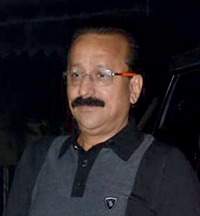
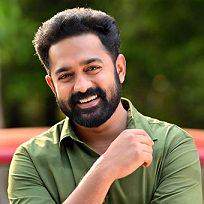
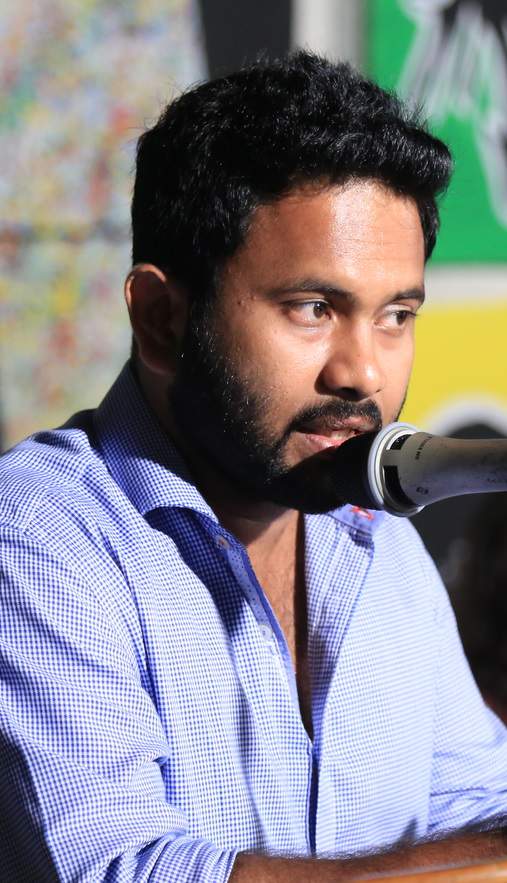
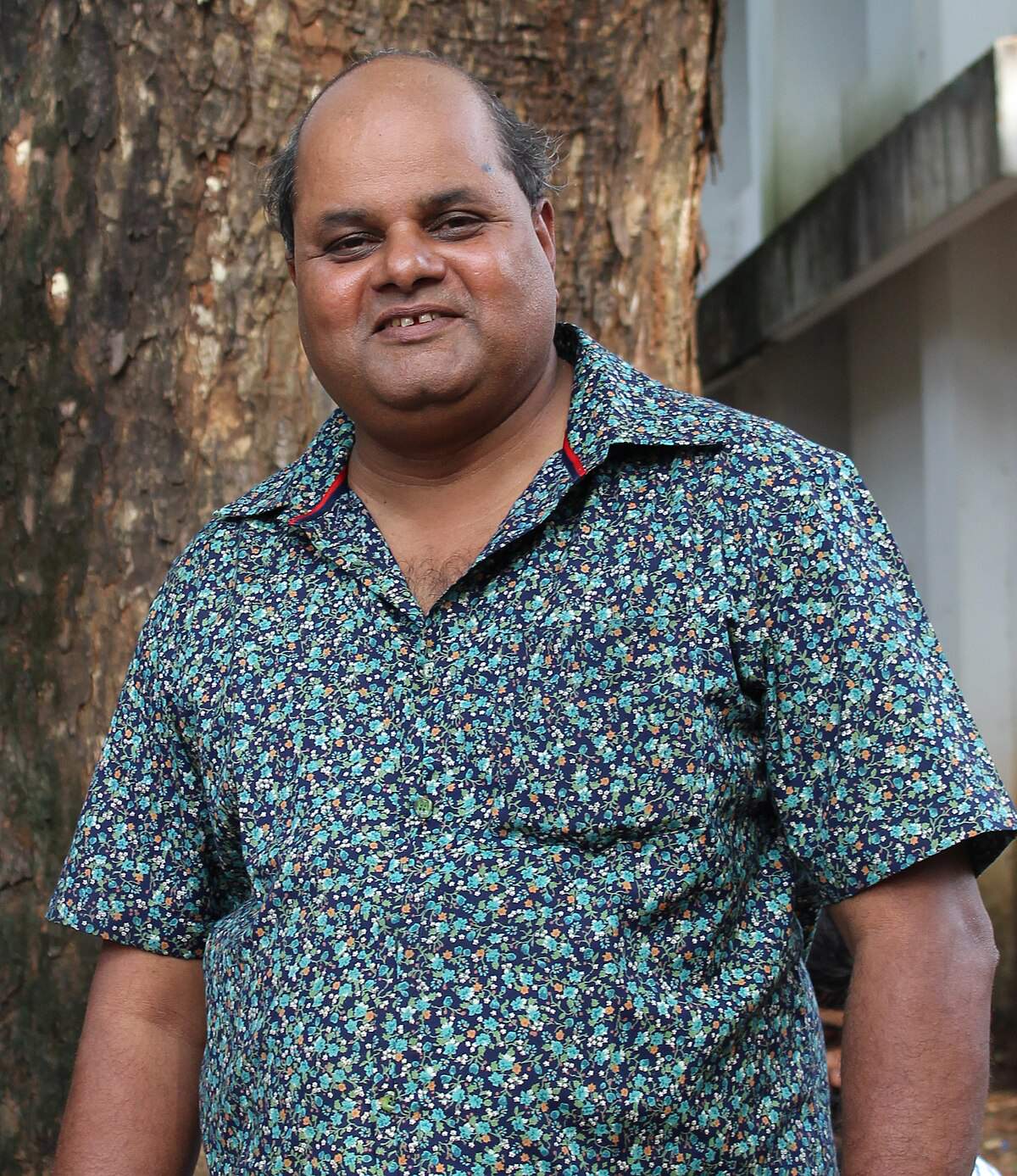
Meet the Full Cast and Actors of Bicycle Thieves
Explore the complete cast of Bicycle Thieves, including both lead and supporting actors. Learn who plays each character, discover their past roles and achievements, and find out what makes this ensemble cast stand out in the world of film and television.



External Links and Streaming Options
Discover where to watch Bicycle Thieves online, including streaming platforms, rental options, and official sources. Compare reviews, ratings, and in-depth movie information across sites like IMDb, TMDb, Wikipedia or Rotten Tomatoes.





Take the Ultimate Bicycle Thieves Movie Quiz
Challenge your knowledge of Bicycle Thieves with this fun and interactive movie quiz. Test yourself on key plot points, iconic characters, hidden details, and memorable moments to see how well you really know the film.
Bicycle Thieves (2013) Quiz: Challenge your recall of the 2013 film 'Bicycle Thieves' with ten questions ranging from easy to difficult, covering characters, key plot points, and pivotal moments.
What is the name of the father who loses his bicycle?
Full Plot Summary and Ending Explained for Bicycle Thieves
Read the complete plot summary of Bicycle Thieves, including all major events, twists, and the full ending explained in detail. Explore key characters, themes, hidden meanings, and everything you need to understand the story from beginning to end.
In the shadow of post-World War II Rome, a desperate struggle to keep a family fed sets the stage for a quiet, unsentimental drama. Antonio Ricci, a devoted husband and father, is swallowed by the grind of finding steady work so he can support his wife Maria, their young son Bruno, and the baby who changes every daily choice. When a job posting promises honest pay for advertising bills, Antonio’s pride wobbles at the idea of lacking something as simple as a bicycle, a tool he needs to move with the city and its shifting errands. Maria, in a practical surge of love and stubborn resilience, strips the bed of its dowry sheets—tiny, priceless talismans of a poorer life—and walks them to the pawn shop. The small, stubborn pieces of fabric are traded for just enough to redeem the bicycle that has become the backbone of their modest livelihood.
On Antonio’s first day of work, fate bites with a sharp coin. He stands on a ladder, hopeful, when a quick hand snatches his bicycle away. The chase begins in earnest; Antonio pursues with the scrambled energy of a man who knows every minute of time could slip away from his family’s needs, only to be thrown off course by the thief’s accomplices. The police take the report, yet the reality of the city’s streets—crowded, restless, uncooperative—offers little hope of recovery. The sense that justice is distant gnaws at Antonio as he returns to Bruno with the weight of the day pressing down.
Seeking a lead, they press into the city’s echoing web of markets. They head toward Piazza Vittorio, a place where the restless energy of sellers, buyers, and lost chances collides. They glimpse a bicycle frame that might belong to Antonio, but the vendors stubbornly refuse to let them inspect the serial numbers. A carabiniere is brought in, and the officer orders a closer look, yet the search halts at the moment the number is checked and doesn’t match. The municipal guard cannot offer them a way to verify further, and the sense of rule-bound helplessness grows heavier. The crowd’s whispers curl around their quest, hinting at the thin line between proof and rumor in a city where every missing object can become a tale of fate.
A second, brighter thread appears at Porta Portese market, where Antonio and Bruno spot a man who resembles the thief, accompanied by an old man who seems to know more than he’ll say. The thief slips away, the old man feigns ignorance, and the chase deepens into an alley of dead ends. They trail the pair into a church, and then into a brothel, where the denizens eject them with a hostile indifference that stings more deeply than any scolding. Back outside, the neighbors gather, their faces a chorus of suspicion and anger. Antonio’s accusation—torn from a heart that refuses to surrender on behalf of his family—collides with a crowd that will not grant him the immediate right to be believed. A fit of fear, a public misreading, and the crowd’s sharp intolerance turn the scene into a test of temper and resolve.
Bruno, watching his father falter under the weight of blame and the risk of a fading hope, runs for help and brings a policeman. The search of the thief’s apartment yields nothing, leaving Antonio with a case that feels too weak to stand. The officer’s verdict—there are no witnesses, and the neighbors’ stories will surely be used to shield the thief—lands like a final, hollow thud. The two men depart into the street as jeers and threats ripple through the crowd. Their departure is slow, almost ceremonial, as if the city itself were weighing whether to lift its boot or to press it harder.
The day shifts toward a tableaux of contradiction and decision as they make their way home. An unexpected pause in the city’s rhythm leads them past the Stadio Nazionale, a vast stadium where politics and pride mingle with the ordinary’s pain. Antonio’s eyes fix on an unattended bicycle near a doorway, and after a long moment of agonized hesitation, he tells Bruno to take the tram to a nearby stop and wait. The choice, mired in risk and longing, becomes a slippery pivot: Antonio circles the bicycle, the air thick with what-ifs, and then he rides. The moment the bicycle starts to move, a hue and cry erupts, and Bruno—the son who has spent the day chasing after a thief and the truth—finds himself suddenly confronted with the image of his father sprinting away on two wheels.
The crowd closes in. Antonio is pulled toward the police station, and the tension is almost unbearable as the situation threatens to turn tragically unfair. But in a moment of grace that seems almost too tender to be real, the bicycle’s owner, an old man who has observed the scene with a quiet, stubborn humanity, notices Bruno’s tears and speaks with a soft authority that cuts through the noise. He moves the crowd’s attention, and with a single, humane gesture, he tells the others to release Antonio. The tension loosens, the crowd’s grip on their anger loosens, and the two men are allowed to step away from the edge of a harsher fate.
Antonio and Bruno begin the long walk home, shoulders bending under the weight of disappointment and relief in equal measure. The air carries the mixture of fatigue and a stubborn, stubborn perseverance. Antonio’s eyes glisten with unshed tears that his son’s small hand steadies, a quiet reminder that the bond of family can survive even when the rules of a city seem bent toward misfortune. They move forward together, slowly and with dignity, as the evening settles around them like a shared breath of hope.
In every beat of this quiet narrative, the film asks how a society measures a man’s effort to protect what he loves, and how mercy can arrive in the most ordinary moments. The story unfolds with a careful attention to the realities that shape everyday life—the fragility of work, the cannot-quite-meet demands of poverty, the stubborn endurance of family love, and the occasional, luminous flash of humanity that can untangle a day that began in loss. It is a portrait of perseverance, fear, and the small acts that keep faith alive when the world seems against you.

Coming soon on iOS and Android
The Plot Explained Mobile App
From blockbusters to hidden gems — dive into movie stories anytime, anywhere. Save your favorites, discover plots faster, and never miss a twist again.
Sign up to be the first to know when we launch. Your email stays private — always.
Explore the mobile appDiscover Film Music Concerts Near You – Live Orchestras Performing Iconic Movie Soundtracks
Immerse yourself in the magic of cinema with live orchestral performances of your favorite film scores. From sweeping Hollywood blockbusters and animated classics to epic fantasy soundtracks, our curated listings connect you to upcoming film music events worldwide.
Explore concert film screenings paired with full orchestra concerts, read detailed event information, and secure your tickets for unforgettable evenings celebrating legendary composers like John Williams, Hans Zimmer, and more.


Unlock the World of Movies with Our Comprehensive Wiki
Dive into our Movie Wiki for in-depth film encyclopedia entries, including cast biographies, production trivia, plot synopses, behind-the-scenes facts, and thematic analyses. Whether you’re researching iconic directors, exploring genre histories, or discovering hidden easter eggs, our expertly curated movie database has everything you need to fuel your cinematic passion.
Quick Links: Summary, Cast, Ratings, More

What's After the Movie?
Not sure whether to stay after the credits? Find out!
Check out our other apps:

SAT Sphere
Build confidence for the Digital SAT.

Mori Atlas
Discover wild places worth protecting.

Luntero
Search smarter for a home in Amsterdam.

Plot Explained
Unravel movie endings and hidden clues.

Pokechamp
Dive into Pokémon data and battle logic.

Driving Theory
Get ready for your European theory test.

Movie Dust
Plan your next cinema trip with ease.

Musemap
Find art and culture as you travel.

Selkobase
Compare credentials before committing.

Local Manual
Turn an unfamiliar country into practical next steps.

Lernavi
Compare school systems before your next move.

GymRoam
Find a workout stop wherever your plans take you.
Explore Our Movie Platform
New Movie Releases (2026)
Famous Movie Actors
Top Film Production Studios
Movie Plot Summaries & Endings
Major Movie Awards & Winners
Best Concert Films & Music Documentaries
Movie Collections and Curated Lists
© 2026 What's After the Movie. All rights reserved.
Privacy Policy