Bhuvan Shome 1969


A lonely widower, proud and a strict disciplinarian, Bhuvan Shome reflects on a life walked with steadfast determination and dull conventions. Feeling unenchanted, he longs for a break and seeks an escape through a holiday, hoping to momentarily shed his routine and discover a fleeting sense of freedom.

Does Bhuvan Shome have end credit scenes?
No!
Bhuvan Shome does not have end credit scenes. You can leave when the credits roll.
Meet the Full Cast and Actors of Bhuvan Shome
Explore the complete cast of Bhuvan Shome, including both lead and supporting actors. Learn who plays each character, discover their past roles and achievements, and find out what makes this ensemble cast stand out in the world of film and television.

External Links and Streaming Options
Discover where to watch Bhuvan Shome online, including streaming platforms, rental options, and official sources. Compare reviews, ratings, and in-depth movie information across sites like IMDb, TMDb, Wikipedia or Letterboxd.




Full Plot Summary and Ending Explained for Bhuvan Shome
Read the complete plot summary of Bhuvan Shome, including all major events, twists, and the full ending explained in detail. Explore key characters, themes, hidden meanings, and everything you need to understand the story from beginning to end.
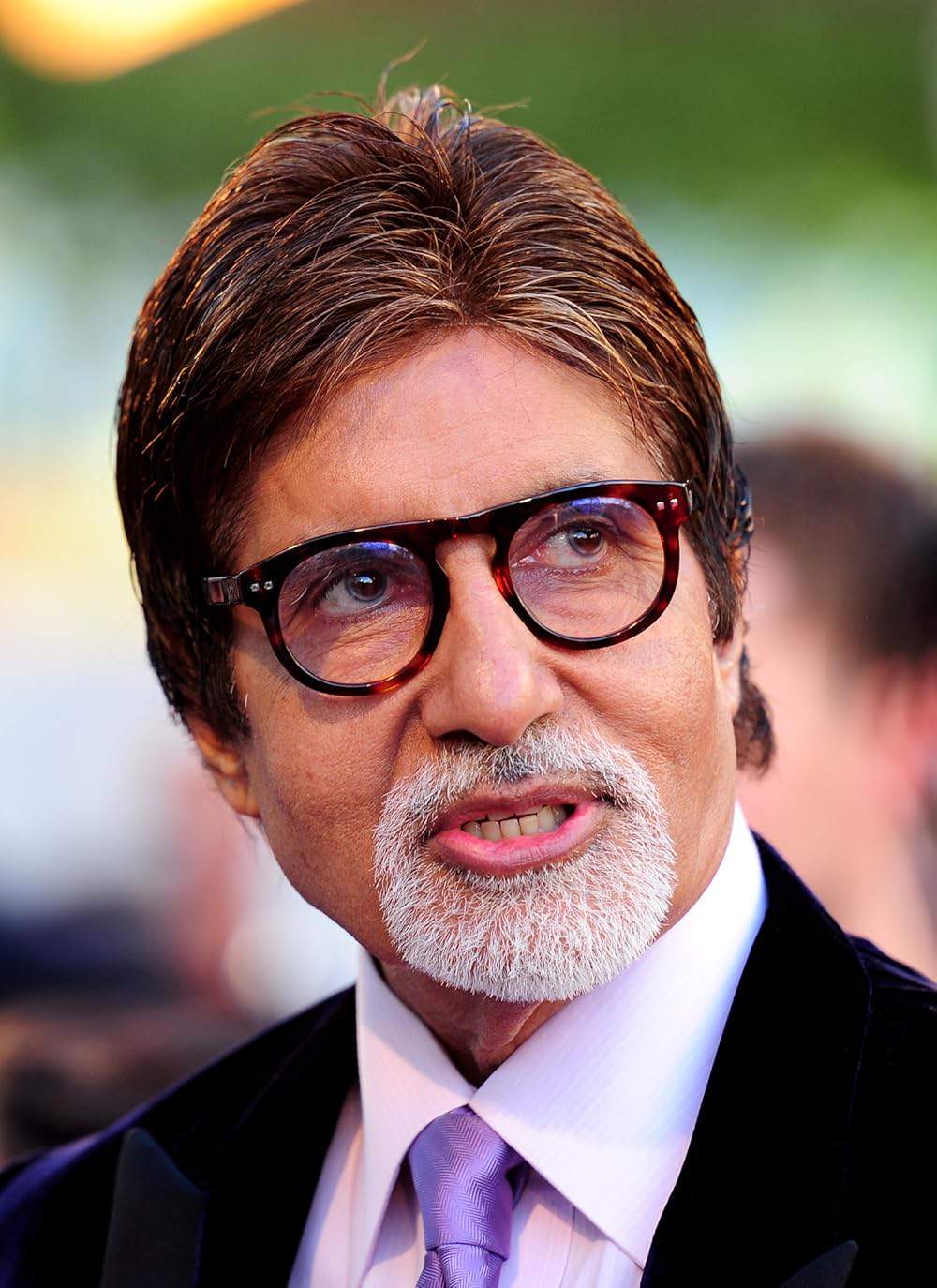
Bhuvan Shome, Utpal Dutt, a widower and a dedicated, uncompromising civil servant, stands as a senior officer in the Indian Railways. The film opens with the opinions of railway ticket checkers who describe him as a strict, perhaps even rigid “afsar.” Through the narrator, we learn that his deep Bengali sensibility remains intact despite his travels, and that his age—late fifties—plays a crucial role in shaping his psychology and how he judges the world around him. The frame is anchored by the voice of Amitabh Bachchan as the Narrator, weaving the early judgments about his character into a broader portrait of authority, tradition, and personal inertia.
Seeking something new yet uncertain, Shome embarks on a so‑called hunting holiday to Gujarat. The expedition quickly reveals his amateur status: he appears more like a learner than a skilled hunter, fumbling through steps that he barely understands. This is not a tale of triumph through mastery, but a quiet study in how a stiff, rule-bound man starts to improvise when faced with unfamiliar terrain and a moment of vulnerability.
The encounter that changes everything is with the young Gouri, Suhasini Mulay. She tends to him with a blend of practicality and warmth, guiding him as he attempts to “hunt” birds. She not only assists him in the physical act but also opens a window into a different way of living—one that values observation over conquest. She invites him to shed some of his rigidity, even insisting on a change of clothes so that the birds don’t sense his tension and fly away. That small, telling moment marks a turning point: Shome begins to blur the lines between discipline and spontaneity, between obligation and wonder, and he starts to see the world through a new lens.
What follows is a lyrical journey through Shome’s inner transformation. He becomes enmeshed not with the thrill of conquest but with the beauty of the landscape—the birds gliding over a lake, the vast sky, and the subtle rhythms of the natural world. He is drawn to Gouri’s quiet strength and the way she seems to be more in tune with her surroundings than he ever was. In this light, the “hunt” becomes a metaphor for perception and openness, a testament to the idea that growth often comes from listening rather than asserting.
Gouri’s presence acts as a gentle teacher. She exposes Shome to a different kind of education—one that values sensitivity, humility, and an awareness of one’s limits. The environment itself becomes a mentor, offering lessons that extend far beyond birds or hunting. Shome’s transformation is not about shedding authority but about reconfiguring how he relates to people, nature, and his own impulses.
Returning to his office, Shome’s changed outlook quietly informs his decisions. In a notable sub-plot, he reprieves an offending railwayman, a gesture that contrasts with his previous reputation for strictness. This moment completes the arc established at the outset: a man once defined by rigidity and formal duty finds that compassion and practical empathy can coexist with responsibility. The narrative circles back to the theme introduced by the framing voices, illustrating how a single journey can soften a life steeped in procedure, while preserving the dignity of his service.
In the end, the film leaves us with a portrait of quiet reinvention. Shome’s late‑career awakening suggests that maturity can include moments of tenderness, curiosity, and a willingness to be taught by others—whether by a young companion, by nature, or by the humbling realization of one’s own limitations. The gentle, observant tone invites viewers to reflect on how true authority might be strengthened not by clinging to control, but by embracing the lessons that life, landscape, and human connection offer.

Coming soon on iOS and Android
The Plot Explained Mobile App
From blockbusters to hidden gems — dive into movie stories anytime, anywhere. Save your favorites, discover plots faster, and never miss a twist again.
Sign up to be the first to know when we launch. Your email stays private — always.
Explore the mobile appDiscover Film Music Concerts Near You – Live Orchestras Performing Iconic Movie Soundtracks
Immerse yourself in the magic of cinema with live orchestral performances of your favorite film scores. From sweeping Hollywood blockbusters and animated classics to epic fantasy soundtracks, our curated listings connect you to upcoming film music events worldwide.
Explore concert film screenings paired with full orchestra concerts, read detailed event information, and secure your tickets for unforgettable evenings celebrating legendary composers like John Williams, Hans Zimmer, and more.


Bhuvan Shome Themes and Keywords
Discover the central themes, ideas, and keywords that define the movie’s story, tone, and message. Analyze the film’s deeper meanings, genre influences, and recurring concepts.
Bhuvan Shome Other Names and Titles
Explore the various alternative titles, translations, and other names used for Bhuvan Shome across different regions and languages. Understand how the film is marketed and recognized worldwide.
Similar Movies To Bhuvan Shome You Should Know About
Browse a curated list of movies similar in genre, tone, characters, or story structure. Discover new titles like the one you're watching, perfect for fans of related plots, vibes, or cinematic styles.








Quick Links: Summary, Cast, Ratings, More

What's After the Movie?
Not sure whether to stay after the credits? Find out!
Check out our other apps:

SAT Sphere
Build confidence for the Digital SAT.

Mori Atlas
Discover wild places worth protecting.

Luntero
Search smarter for a home in Amsterdam.

Plot Explained
Unravel movie endings and hidden clues.

Pokechamp
Dive into Pokémon data and battle logic.

Driving Theory
Get ready for your European theory test.

Movie Dust
Plan your next cinema trip with ease.

Musemap
Find art and culture as you travel.

Selkobase
Compare credentials before committing.

Local Manual
Turn an unfamiliar country into practical next steps.

Lernavi
Compare school systems before your next move.

GymRoam
Find a workout stop wherever your plans take you.
Explore Our Movie Platform
New Movie Releases (2026)
Famous Movie Actors
Top Film Production Studios
Movie Plot Summaries & Endings
Major Movie Awards & Winners
Best Concert Films & Music Documentaries
Movie Collections and Curated Lists
© 2026 What's After the Movie. All rights reserved.
Privacy Policy