Badhaai Ho Badhaai 2002


The D’Souza and Chaddha families live next door to one another and have been close friends for as long as anyone can remember. Despite their different religious and cultural backgrounds, they regularly come together to celebrate Diwali, sharing meals, fireworks and goodwill, illustrating a deep bond that transcends differences.


Does Badhaai Ho Badhaai have end credit scenes?
No!
Badhaai Ho Badhaai does not have end credit scenes. You can leave when the credits roll.
Where to Watch Badhaai Ho Badhaai
See current US streaming, rental, and purchase options for Badhaai Ho Badhaai (2002) via JustWatch.

Streaming availability powered by 
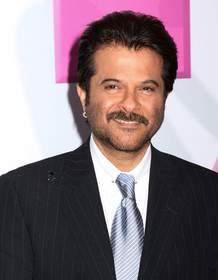
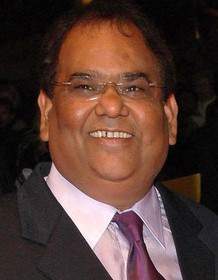
Meet the Full Cast and Actors of Badhaai Ho Badhaai
Explore the complete cast of Badhaai Ho Badhaai, including both lead and supporting actors. Learn who plays each character, discover their past roles and achievements, and find out what makes this ensemble cast stand out in the world of film and television.

External Links and Streaming Options
Discover where to watch Badhaai Ho Badhaai online, including streaming platforms, rental options, and official sources. Compare reviews, ratings, and in-depth movie information across sites like IMDb, TMDb, Wikipedia or Rotten Tomatoes.





Full Plot Summary and Ending Explained for Badhaai Ho Badhaai
Read the complete plot summary of Badhaai Ho Badhaai, including all major events, twists, and the full ending explained in detail. Explore key characters, themes, hidden meanings, and everything you need to understand the story from beginning to end.
Two longtime family friends, Ghuman Singh Rathod and the D’Souza clan, are torn apart when their children fall in love across religious lines. In this story, Chaddha and D’Souza were close for generations until the day Mr. Chaddha’s daughter, Anjali, falls for Steven D’Souza’s son Anthony. Their romance defies tradition, and the couple elopes, triggering a bitter breach between the families. The consequences are severe: the two households sever all ties, and a lasting enmity takes root, coloring every future encounter with suspicion and anger. The narrative anchors itself in this fault line, showing how love and loyalty collide with communal expectations, leaving a wound that never fully heals.
After 27 years, a new presence stirs the old townsfolk: Raja, the grandson of Anthony and Anjali, comes to visit. Raja arrives with his friend, but the moment he seeks shelter, both sides slam doors in his face. The locals rally around a narrow border of pride, and even Moses D’Souza, played by Moses D’Souza, and Ranjeet Chaddha rally the neighborhood to keep Raja out of every house. Only a neighbor named Ghuman Singh Rathod extends a cautious welcome, offering him a temporary haven in his own home. This gesture hints at the possibility that the old walls might crumble if someone with enough courage and patience steps forward. The family members—especially the grandmothers—begin to feel a familiar ache: they secretly want Raja to stay, to bridge the rift, and to bring their grandchildren closer to the idea of a shared future. Yet the elder generation pretends to remain angry, masking their longing under a veil of stubborn pride.
As Raja starts to move through the town, he discovers how the rest of the family members still harbor warmth beneath the pretense of hatred. The two grandmothers in particular press hard for him to consider marriage as a way to seal a truce. To dodge this pressure, Raja fabricates a pretend marriage to a girl named Banto Betty—a ruse designed to placate the anxious elders and buy more time to build trust. The moment that a girl named Banto (who is actually Tina) arrives at his doorstep, the house fills with confusion. Banto presents herself as Raja’s wife, throwing the families into a further whirl of rumors and speculation. The ruse becomes a tangled knot of secrets, because Tina soon reveals a far more personal truth: she is the daughter of Anthony and Anjali, the very couple who sparked the original rift. She confesses that the only person who maintains contact with her family in town is Ghuman Singh Rathod, the man who has become both a friend and a bridge to reconciliation. This revelation forces Raja to reassess his plan and to question his own loyalties.
To understand Raja’s motivation, one must peer into his past. A flashback explains how a very overweight boy—nicknamed Fatty—transforms into the fit, determined man who dares to challenge centuries of resentment. In college, he meets Florence D’Souza, the daughter of Moses D’Souza, and a quiet spark grows into a genuine love. But Florence is not free to follow her heart; she loves another—Jassi, the son of Ranjeet Chaddha—creating a microcosm of the enmity that still marks the streets. This backstory is crucial: it explains why Raja feels compelled to intervene when he learns that Florence’s romance with Jassi is once again threatened by the feud. He becomes invested not just in the unity of his own family, but in the happiness of Florence and Jassi as well. The devotion he shows to both couples reveals a deeper belief: love does not belong to one side or another, and it should be allowed to flourish no matter the religious divides that history has laid down.
Determined to heal the rift, Raja throws himself into a dual mission: to unite his own families and to support the young lovers who dare to defy the old boundaries. He disguises himself as the son of Anthony and—though the details are murky within the constraints of the tale—pulls off a delicate balancing act to win over wary relatives. Tina, who has become drawn to Raja, begins to sense that his motives are sincere even as she tests his resolve. The town’s factions flare up again when it becomes known that Jassi and Florence are in love with others—Jassi with a different allegiance and Florence with a romantic rival. In a bold gesture, Raja helps the couples flee briefly, only to bring them back after a few hours, hoping to prove that true commitment can survive even the most volatile crosswinds.
The emotional turning point arrives when love transcends religious identity. Jassi embraces Christianity and Florence returns to Hindu beliefs as part of a larger reconciliation. Raja’s central message lands with quiet force: love is timeless and universal, not captured by ritual or lineage. The families, tired of fighting, begin to listen. Their fear yields to the possibility of a shared life, and they slowly come to terms with the idea that their children’s happiness depends on more than tradition—it depends on tolerance, trust, and willingness to see the humanity in one another.
With the elder generation softened, a wedding becomes the next natural step. The plan centers on a union between Lawrence and Nandhini, a pairing that the families hope will symbolize the rebirth of their community. On the day of the ceremony, Anthony and Anjali themselves arrive, humbled and moved by Raja’s quiet persistence. They acknowledge the distance that the feud had created and reveal a surprising truth: their child is Tina, and Raja—the friend who has quietly reconnected them—has played a pivotal role in bringing their families back together. Tina explains that Raja is Florence’s close friend and that his presence in town was never about a personal agenda but about the healing of old wounds. The moment is tender and transformative, and it marks a turning point for everyone involved. The families openly apologize for their 27-year estrangement, and they recognize Raja as the catalyst for reconciliation.
Yet the story doesn’t pretend that the road ahead will be easy. The revelation that Tina is their daughter reshapes the family tree and leaves Raja at a crossroads. Tina hints at her own feelings for Raja, but he remains steadfast in his declaration: his heart belongs to Florence, the woman who endured and believed in him when no one else did. He chooses to walk away from the family’s newly established plans, stepping out into the street alone. The movie closes on a poignant note: a man who chose unity over personal reward, and a love that endures across divides, even if the path ends with a solitary departure rather than a conventional happily-ever-after.
In the end, the film offers a sprawling, bittersweet celebration of reconciliation. It treats romance as a force that can dissolve barriers of faith, caste, and custom, while still acknowledging the complexity of familial pride and the costs of such upheaval. The characters—Raja, Florence, Tina, Jassi, and the rest—are drawn with warmth, and their intertwined fates underscore a hopeful truth: when love and courage collide, communities can heal, and even centuries-old feuds can yield to a new, shared future.

Coming soon on iOS and Android
The Plot Explained Mobile App
From blockbusters to hidden gems — dive into movie stories anytime, anywhere. Save your favorites, discover plots faster, and never miss a twist again.
Sign up to be the first to know when we launch. Your email stays private — always.
Explore the mobile appDiscover Film Music Concerts Near You – Live Orchestras Performing Iconic Movie Soundtracks
Immerse yourself in the magic of cinema with live orchestral performances of your favorite film scores. From sweeping Hollywood blockbusters and animated classics to epic fantasy soundtracks, our curated listings connect you to upcoming film music events worldwide.
Explore concert film screenings paired with full orchestra concerts, read detailed event information, and secure your tickets for unforgettable evenings celebrating legendary composers like John Williams, Hans Zimmer, and more.


Badhaai Ho Badhaai Themes and Keywords
Discover the central themes, ideas, and keywords that define the movie’s story, tone, and message. Analyze the film’s deeper meanings, genre influences, and recurring concepts.
Badhaai Ho Badhaai Other Names and Titles
Explore the various alternative titles, translations, and other names used for Badhaai Ho Badhaai across different regions and languages. Understand how the film is marketed and recognized worldwide.
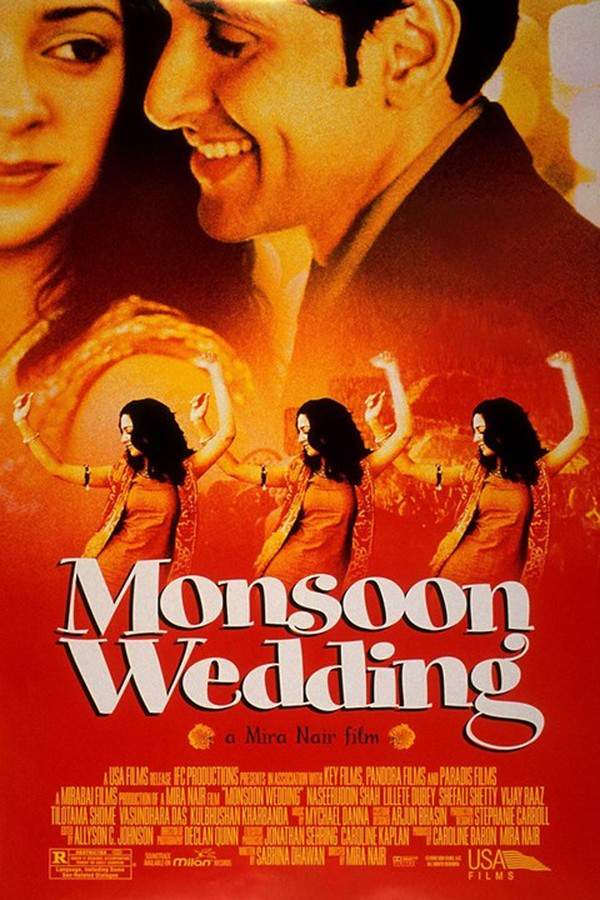
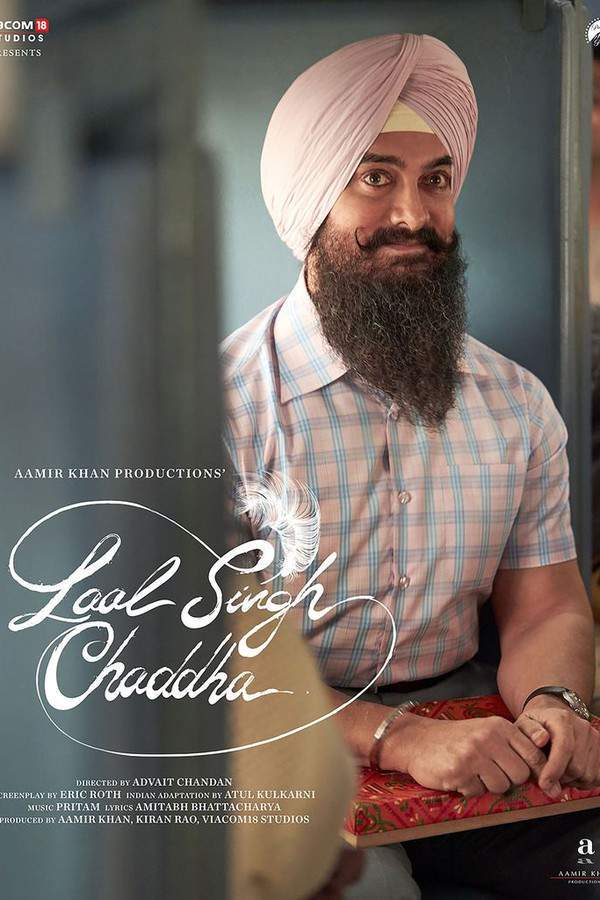
Similar Movies To Badhaai Ho Badhaai You Should Know About
Browse a curated list of movies similar in genre, tone, characters, or story structure. Discover new titles like the one you're watching, perfect for fans of related plots, vibes, or cinematic styles.







Quick Links: Summary, Cast, Ratings, More

What's After the Movie?
Not sure whether to stay after the credits? Find out!
Check out our other apps:

SAT Sphere
Build confidence for the Digital SAT.

Mori Atlas
Discover wild places worth protecting.

Luntero
Search smarter for a home in Amsterdam.

Plot Explained
Unravel movie endings and hidden clues.

Pokechamp
Dive into Pokémon data and battle logic.

Driving Theory
Get ready for your European theory test.

Movie Dust
Plan your next cinema trip with ease.

Musemap
Find art and culture as you travel.

Selkobase
Compare credentials before committing.

Local Manual
Turn an unfamiliar country into practical next steps.

Lernavi
Compare school systems before your next move.

GymRoam
Find a workout stop wherever your plans take you.
Explore Our Movie Platform
New Movie Releases (2026)
Famous Movie Actors
Top Film Production Studios
Movie Plot Summaries & Endings
Major Movie Awards & Winners
Best Concert Films & Music Documentaries
Movie Collections and Curated Lists
© 2026 What's After the Movie. All rights reserved.
Privacy Policy