August 16, 1947 2023


A cruel British general governs a remote fictional village in Madras just before independence. Over three days—from 14 to 16 August 1947—the story follows the illiterate, oppressed villagers who remain unaware of India’s liberation because of their isolation. When a local troublemaker, Param, sparks a rebellion, he strives to free the community.


Does August 16, 1947 have end credit scenes?
No!
August 16, 1947 does not have end credit scenes. You can leave when the credits roll.
Where to Watch August 16, 1947
See current US streaming, rental, and purchase options for August 16, 1947 (2023) via JustWatch.









Meet the Full Cast and Actors of August 16, 1947
Explore the complete cast of August 16, 1947, including both lead and supporting actors. Learn who plays each character, discover their past roles and achievements, and find out what makes this ensemble cast stand out in the world of film and television.


External Links and Streaming Options
Discover where to watch August 16, 1947 online, including streaming platforms, rental options, and official sources. Compare reviews, ratings, and in-depth movie information across sites like IMDb, TMDb, Wikipedia or Rotten Tomatoes.






Take the Ultimate August 16, 1947 Movie Quiz
Challenge your knowledge of August 16, 1947 with this fun and interactive movie quiz. Test yourself on key plot points, iconic characters, hidden details, and memorable moments to see how well you really know the film.
August 16, 1947 (2023) Quiz: Test your knowledge of the 2023 Tamil film August 16, 1947 with these 10 mixed‑difficulty questions.
Who is the British officer that controls the village of Sengadu?
Full Plot Summary and Ending Explained for August 16, 1947
Read the complete plot summary of August 16, 1947, including all major events, twists, and the full ending explained in detail. Explore key characters, themes, hidden meanings, and everything you need to understand the story from beginning to end.
In 1947, the fragmenting shadow of colonial rule hangs over a small village named Sengadu, near Puliyankudi, where life centers on cotton fields and stubborn resilience. At the heart of the turmoil stands the cruel British officer Robert, whose iron grip over the village is reinforced by his son Justin. They bend the local people to grueling labor under brutal conditions, casting a harsh pall over an already strained community. The atmosphere is thick with fear, and the villagers increasingly see their days defined by control and oppression rather than freedom.
Paraman, a native of Sengadu, moves through this tense landscape with a complex loyalty. He is closely tied to the local Zamindar, a figure who commands power yet earns the village’s distrust because he simply follows Robert’s orders to preserve his wealth and status. Paraman’s personal history is shadowed by a grave grievance: he believes the villagers are responsible for his mother’s death, a tragedy he thinks could have been averted if someone had stepped forward years earlier to shield her from the British onslaught. This belief hardens his view of the town’s people, even as he quietly carries a private affection for the Zamindar’s daughter, Thenmalli, a young woman whose presence is known to only a few people in the village.
Thenmalli, the Zamindar’s daughter, is a beacon of warmth and friendship for Paraman, though her world remains locked inside the palace walls. She is protected and hidden, kept from the public eye to shield her from abduction by Justin or other officers who roam the region. Paraman loves her in silence, a quiet current that never fully breaks into the open. The Zamindar, sensing a political opportunity, plans to marry Thenmalli off to another nearby Zamindar’s son, a decision that forces Paraman to suppress his feelings even as he vows to protect her. This emotional tension runs parallel to the larger struggle between the villagers and colonial powers, weaving personal risk with communal danger.
As India inches toward independence, the momentous news travels slowly through Sengadu. Robert is called away for a meeting with his superiors, and in that absence, he tries to keep the villagers ignorant of the impending political shift. His plan is simple and brutal: return with the power to extinguish any rising hope. The fragile balance of Sengadu is shattered when Justin discovers Thenmalli inside the Zamindar’s house and makes a violent, coercive advance. Faced with no other option, the Zamindar makes a grievous choice to protect family honor, but Paraman arrives in time to intervene. He destroys Justin and disposes of the body in the forest, a drastic act that upends the town’s assumptions about who controls fate in Sengadu.
With Thenmalli now brought back to Paraman’s village, the villagers gasp at the revelation that the Zamindar’s daughter has been living in hiding all these years. The news unsettles everyone, for it exposes the hidden truth of the past and reshapes the town’s sense of identity. The fear of Robert’s return lingers as the villagers wonder whether their fragile future will survive the reckoning to come. Thenmalli realizes that Paraman’s affection was not a one-sided sentiment but a long-held hope, and she begins to reciprocate the feelings he had kept veiled since childhood. This connection refines Paraman’s understanding of the villagers, as he sees that their earlier failures were not mere negligence but a painful regret and a form of unspoken worship for the mother he believed they had not saved.
When Robert returns, his fury is swift and unforgiving. He slaughters the Zamindar and several villagers, brutal reminders of his capacity for cruelty. Yet Paraman rises to the occasion, rallying the villagers to stand against the tyrant. The resistance coalesces around him, and together they confront Robert, ending in his defeat. In the climactic moment, the long-awaited news of independence arrives, and the village finds a sense of release and happiness after years of fear and subjugation. The story closes on a note of cautious victory and renewed hope, honoring the resilience of Sengadu and its people as they step toward a future free from colonial domination, guided by the newfound sense of collective purpose and the quiet strength of those who fought for freedom.

Coming soon on iOS and Android
The Plot Explained Mobile App
From blockbusters to hidden gems — dive into movie stories anytime, anywhere. Save your favorites, discover plots faster, and never miss a twist again.
Sign up to be the first to know when we launch. Your email stays private — always.
Explore the mobile appDiscover Film Music Concerts Near You – Live Orchestras Performing Iconic Movie Soundtracks
Immerse yourself in the magic of cinema with live orchestral performances of your favorite film scores. From sweeping Hollywood blockbusters and animated classics to epic fantasy soundtracks, our curated listings connect you to upcoming film music events worldwide.
Explore concert film screenings paired with full orchestra concerts, read detailed event information, and secure your tickets for unforgettable evenings celebrating legendary composers like John Williams, Hans Zimmer, and more.


August 16, 1947 Themes and Keywords
Discover the central themes, ideas, and keywords that define the movie’s story, tone, and message. Analyze the film’s deeper meanings, genre influences, and recurring concepts.

Unlock the World of Movies with Our Comprehensive Wiki
Dive into our Movie Wiki for in-depth film encyclopedia entries, including cast biographies, production trivia, plot synopses, behind-the-scenes facts, and thematic analyses. Whether you’re researching iconic directors, exploring genre histories, or discovering hidden easter eggs, our expertly curated movie database has everything you need to fuel your cinematic passion.
Similar Movies To August 16, 1947 You Should Know About
Browse a curated list of movies similar in genre, tone, characters, or story structure. Discover new titles like the one you're watching, perfect for fans of related plots, vibes, or cinematic styles.

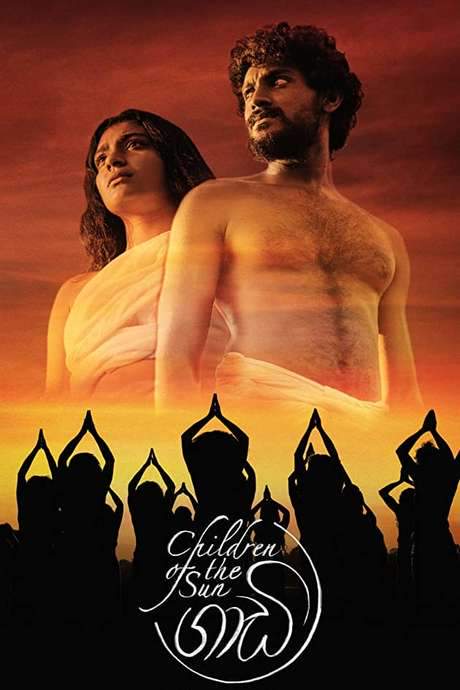


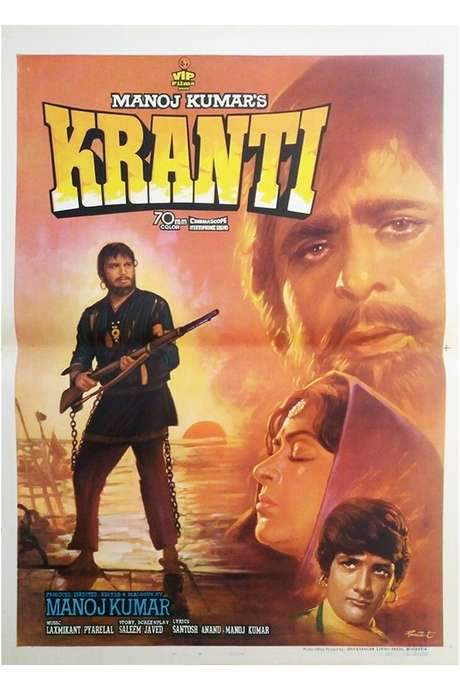
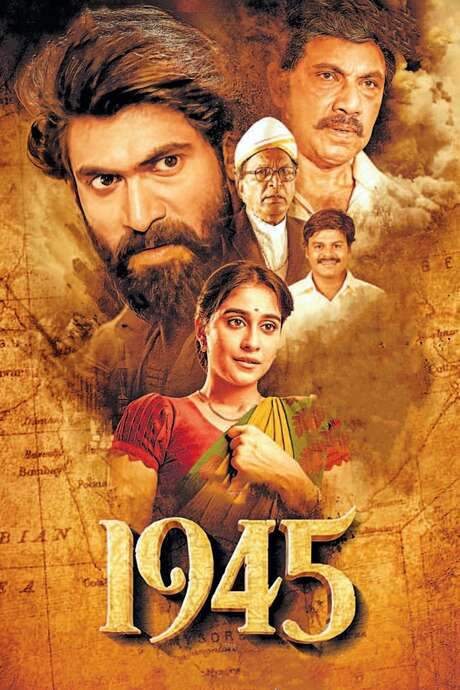


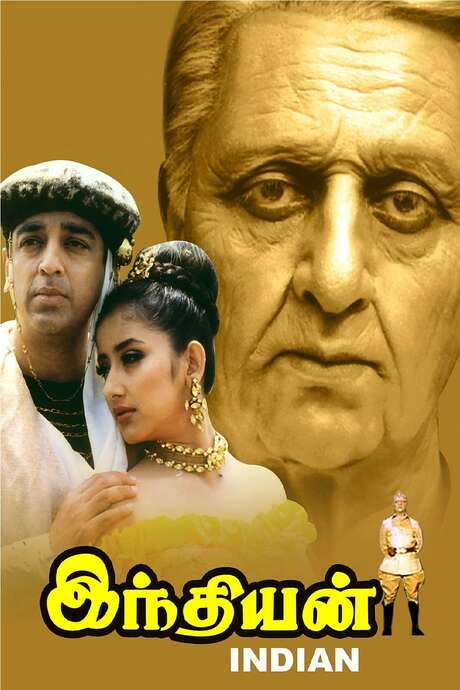

Quick Links: Summary, Cast, Ratings, More

What's After the Movie?
Not sure whether to stay after the credits? Find out!
Check out our other apps:

SAT Sphere
Build confidence for the Digital SAT.

Mori Atlas
Discover wild places worth protecting.

Luntero
Search smarter for a home in Amsterdam.

Plot Explained
Unravel movie endings and hidden clues.

Pokechamp
Dive into Pokémon data and battle logic.

Driving Theory
Get ready for your European theory test.

Movie Dust
Plan your next cinema trip with ease.

Musemap
Find art and culture as you travel.

Selkobase
Compare credentials before committing.

Local Manual
Turn an unfamiliar country into practical next steps.

Lernavi
Compare school systems before your next move.

GymRoam
Find a workout stop wherever your plans take you.
Explore Our Movie Platform
New Movie Releases (2026)
Famous Movie Actors
Top Film Production Studios
Movie Plot Summaries & Endings
Major Movie Awards & Winners
Best Concert Films & Music Documentaries
Movie Collections and Curated Lists
© 2026 What's After the Movie. All rights reserved.
Privacy Policy