After the Hunt 2025


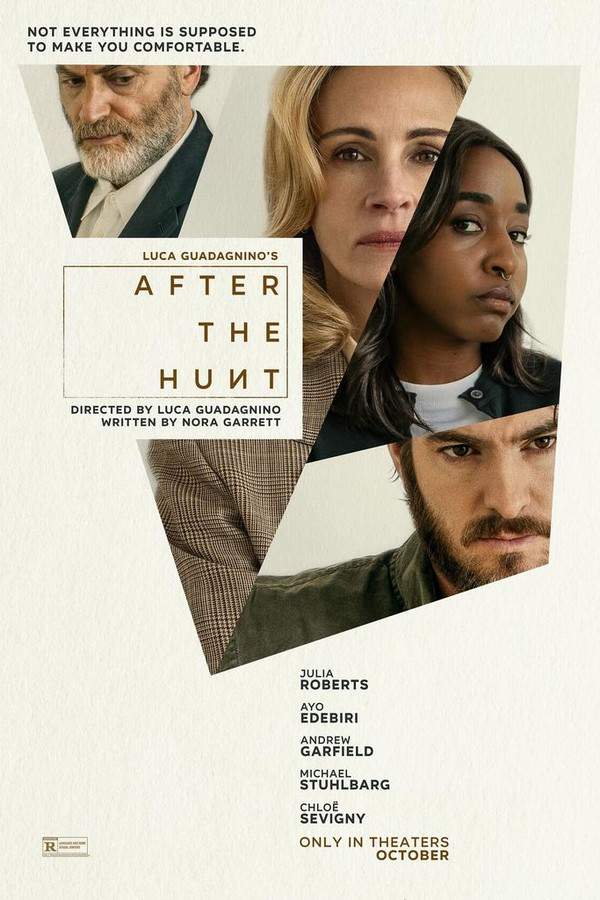
A college professor (Julia Roberts) is forced to confront a personal and professional crisis when a top student (Ayo Edebiri) accuses her colleague (Andrew Garfield) of misconduct, while a long‑hidden secret from the professor’s own past threatens to surface, putting her career and relationships at risk.

Does After the Hunt have end credit scenes?
No!
After the Hunt does not have end credit scenes. You can leave when the credits roll.
Where to Watch After the Hunt
See current US streaming, rental, and purchase options for After the Hunt (2025) via JustWatch.


Streaming availability powered by 
Meet the Full Cast and Actors of After the Hunt
Explore the complete cast of After the Hunt, including both lead and supporting actors. Learn who plays each character, discover their past roles and achievements, and find out what makes this ensemble cast stand out in the world of film and television.
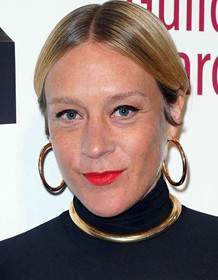
Chloë Sevigny
Dr. Kim Sayers

Julia Roberts
Alma Imhoff

Andrew Garfield
Hank Gibson
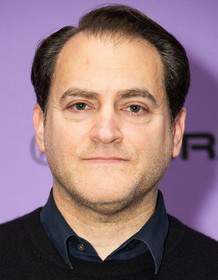
Michael Stuhlbarg
Frederik Mendelssohn

Ayo Edebiri
Maggie Price

Lio Mehiel
Christine Dye
Patricia
Burgess Byrd
Summer Knox
Yale University Student
Bella Glanville
Yale Student
Will Price
Cameron Krogh Stone
American College Kid
Thaddea Graham
Ariyan Kassam
Frankie Ferrari
Wendy Watkins
David Leiber
Dean Thomas
Hugo Micheron
Prof. Hugo Micheron
Nigel Finnissy
University Lecturer
External Links and Streaming Options
Discover where to watch After the Hunt online, including streaming platforms, rental options, and official sources. Compare reviews, ratings, and in-depth movie information across sites like IMDb, TMDb, Wikipedia or Rotten Tomatoes.








Ratings and Reviews for After the Hunt
See how After the Hunt is rated across major platforms like IMDb, Metacritic, and TMDb. Compare audience scores and critic reviews to understand where After the Hunt stands among top-rated movies in its genre.

The Movie Echo Score
After the Hunt delivers a stylish but uneven psychological thriller that provokes discussion without fully satisfying its ambitions. Critics and viewers commend Julia Roberts’ nuanced performance and the film’s lush cinematography, yet they criticize the muddled direction and a script that drifts into abstraction. The pacing is frequently uneven, and the sound mixing occasionally obscures dialogue, reducing immersion. Consequently, the movie offers moments of merit but falls short of a cohesive, compelling experience.
The Movie Echo Score Breakdown for After the Hunt

Art & Craft
Artistic execution in After the Hunt is visually striking but narratively unfocused. The cinematography captures ivy‑laden campuses with a painterly elegance, and production design reinforces the academic atmosphere. However, critics note inconsistent direction and editing that undermine narrative clarity, leading to a sense of pretension. Overall, the film’s aesthetic strengths are offset by a lack of cohesive craftsmanship.

Character & Emotion
Character work stands out as the film’s most compelling element. Julia Roberts delivers a nuanced, layered portrayal of Alma, while Andrew Garfield provides a subtly ambiguous presence, and Ayo Edebiri’s Maggie offers intensity despite occasional narrative underdevelopment. Critics, however, criticize the broader cast for serving more as ideological stand‑ins than fully realized individuals. In sum, performances elevate the material, though character depth remains uneven.

Story & Flow
The narrative struggles with coherence and pacing, causing the central mystery to feel protracted and opaque. While the plot ambitiously tackles campus power dynamics and #MeToo discourse, reviewers point to dense, ambiguous scripting that hampers audience investment. Repeated remarks about meandering structure and unresolved tension underscore a story that raises important questions but fails to deliver a satisfying resolution.

Sensory Experience
Auditory and visual senses receive mixed treatment in the film. The original score is highlighted for its atmospheric contribution, and the visual palette showcases lush, painterly compositions of academic settings. Conversely, several critics cite poor sound mixing that muffles dialogue and detracts from immersion. Thus, while the visual style and music enhance mood, technical sound issues undermine the overall sensory experience.

Rewatch Factor
Rewatch potential is limited by the film’s uneven pacing and unresolved narrative threads. Though its thematic relevance and visual flair may invite repeated viewings for discussion, many reviewers find the story’s ambiguity and pretentious tone reduce its lasting appeal. Consequently, the movie offers occasional moments worth revisiting, but overall lacks the compelling momentum needed for strong repeat engagement.

52
Metascore
6.1
User Score


%
TOMATOMETER

0%
User Score

5.7 /10
IMDb Rating
57
%
User Score
Awards & Nominations for After the Hunt
Discover all the awards and nominations received by After the Hunt, from Oscars to film festival honors. Learn how After the Hunt and its cast and crew have been recognized by critics and the industry alike.
Full Plot Summary and Ending Explained for After the Hunt
Read the complete plot summary of After the Hunt, including all major events, twists, and the full ending explained in detail. Explore key characters, themes, hidden meanings, and everything you need to understand the story from beginning to end.
Alma Imhoff, Julia Roberts, a Yale philosophy professor who has just returned from an extended medical leave, hosts a dinner party at her home in September 2019. Her therapist husband, Frederik Mendelssohn, attends alongside Hank Gibson Andrew Garfield, Alma’s colleague and best friend, and Maggie Resnick Ayo Edebiri, her top PhD student who is openly queer. The gathering is intimate in its warmth but tense with the undercurrents of tenure battles and personal histories. Alma and Hank are both up for tenure, a pressure that frames every careful debate and quiet exchange throughout the evening. The conversation lingers around ambition, mentorship, and the lines scholars navigate to protect their careers, as well as the loyalties that bind colleagues to one another.
During the night, Maggie discovers a mysterious envelope tucked away in the bathroom cupboard. Inside are old mementos and a newspaper clipping written in German, which she pockets for later. Frederik privately remarks to Alma that Hank and Maggie seem to be drawn to her influence—perhaps more for what she represents than for any genuine connection. The next day, Maggie is conspicuously absent from Alma’s class, and that night she confides in Alma that Hank sexually assaulted her in her home after she invited him over for a nightcap. Hank denies the allegation, arguing that Maggie invited him and suggesting she is fabricating the story to undermine his career, pointing to a past disagreement over a plagiarism accusation. The tension between loyalty, consent, and professional duty begins to ripple through the campus like a tremor.
Alma’s decisions grow more complicated as she moves to involve the dean, which Maggie views as a betrayal of trust. Maggie and Hank separately ask Alma for her support, while Alma returns home to find the envelope’s newspaper clipping missing, prompting her to burn much of what remained inside. The following day, Hank is fired and storms into Alma’s classroom, accusing her of not standing up for him to protect her own career. The scene escalates as Maggie walks outside, and Alma follows to comfort her, inviting her to dinner that night. The pair share a fragile moment of reconciliation, but the union remains fragile as Maggie mentions to Alma that a reporter has approached her about going public with the allegations. A faculty colleague, Dr. Kim Sayers, who serves as Yale’s university psychiatrist, urges Maggie to speak out while also voicing skepticism about the way students’ problems are handled in their generation.
When Maggie goes public with her accusation in the Yale Daily News, Alma is forced to confront a painful layer of her own past. Maggie reveals that Alma, as a teenager, accused a trusted family friend of rape but later recanted, a disclosure that casts a troubling light on Alma’s current reactions to Maggie’s testimony. Alma accuses Maggie of violating her privacy, and the moment marks a turning point in their relationship. In the hospital, Alma confronts the truth about her teenage experience, and Frederik helps her lay out the long-hidden details. The truth is wrenching: Alma had a sexual encounter with the man when she was 15, and she had later alleged rape against him—an accusation that contributed to his suicide, though Alma insists she never had sex with him and maintains that it was a case of statutory rape. Frederik reminds her that even if she feels hurt by what happened, the sin of what occurred in the past cannot erase the realities of statutory rape. The admission helps explain Alma’s fragile emotional state and her attempts to reconcile guilt with accountability.
In a pivotal late-night moment, Alma forges a prescription for herself with the help of Kim, triggering consequences that pause her tenure bid. As tensions reach a boiling point, Alma confronts Maggie on campus, leveling a barrage of criticisms: Maggie’s work ethic, her mannerisms, her apparent privilege as the child of wealthy Yale donors, and an insinuation that her relationship with her non-binary partner, Alex, is performative. The confrontation leaves Maggie no choice but to respond physically, slapping Alma in a moment of raw anger and hurt.
Seeking solace, Alma retreats to a wharfside vacation apartment where Hank has secretly returned, using borrowed keys he obtained from Alma’s sister’s past visit. The two of them confront their tangled history. Hank acknowledges flirting with students but denies any sexual or romantic transgressions beyond a past affair with Alma, whom he still harbors feelings for. In a tense and tender exchange, they kiss, but Alma resists his advances and ultimately throws him out, insisting on a boundary she cannot cross.
Back on campus, the fallout widens as Rolling Stone publishes an article in which Maggie’s criticisms of Yale’s handling of the case become a public spectacle. Alma collapses in the hospital from stomach ulcers, a physical manifestation of the mounting stress and guilt she carries. While recovering, she reveals the full truth about her teenage experience to Frederik, who recognizes that the past has shaped rather than excused her actions. He helps her face the ambiguity of consent, responsibility, and memory, acknowledging the nuance that statutory rape can implicate even in the absence of ongoing trauma.
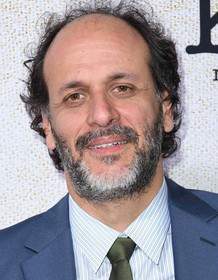
The film moves to a quietly hopeful but complicated epilogue set in January 2025. Alma has rebuilt her career and now serves as a dean, publishing an article about her experiences with statutory rape from her teen years. She meets Maggie at a diner for what amounts to a long, honest conversation about what happened, where their lives have taken them, and whether happiness can be reclaimed after such wounds. Hank has transitioned into a different career as a political consultant, thriving financially, while Alma remains with Frederik, though Maggie remains doubtful about Alma’s happiness and questions whether the article was a genuine act of accountability or a cynical gesture born of ambition and damage. The two women exchange a nuanced glance that suggests both resolve and unfinished business, and as Alma pays and leaves, the director Luca Guadagnino yells “cut!” off screen, a final meta nod to the artifice and control behind the cinematic telling of their story.

Coming soon on iOS and Android
The Plot Explained Mobile App
From blockbusters to hidden gems — dive into movie stories anytime, anywhere. Save your favorites, discover plots faster, and never miss a twist again.
Sign up to be the first to know when we launch. Your email stays private — always.
Explore the mobile appWatch Trailers, Clips & Behind-the-Scenes for After the Hunt
Watch official trailers, exclusive clips, cast interviews, and behind-the-scenes footage from After the Hunt. Dive deeper into the making of the film, its standout moments, and key production insights.
After the Hunt Themes and Keywords
Discover the central themes, ideas, and keywords that define the movie’s story, tone, and message. Analyze the film’s deeper meanings, genre influences, and recurring concepts.
After the Hunt Other Names and Titles
Explore the various alternative titles, translations, and other names used for After the Hunt across different regions and languages. Understand how the film is marketed and recognized worldwide.
Articles, Reviews & Explainers About After the Hunt
Stay updated on After the Hunt with in-depth articles, critical reviews, and ending explainers. Explore hidden meanings, major themes, and expert insights into the film’s story and impact.

Similar Movies To After the Hunt You Should Know About
Browse a curated list of movies similar in genre, tone, characters, or story structure. Discover new titles like the one you're watching, perfect for fans of related plots, vibes, or cinematic styles.





Quick Links: Summary, Cast, Ratings, More

What's After the Movie?
Not sure whether to stay after the credits? Find out!
Check out our other apps:

SAT Sphere
Build confidence for the Digital SAT.

Mori Atlas
Discover wild places worth protecting.

Luntero
Search smarter for a home in Amsterdam.

Plot Explained
Unravel movie endings and hidden clues.

Pokechamp
Dive into Pokémon data and battle logic.

Driving Theory
Get ready for your European theory test.

Movie Dust
Plan your next cinema trip with ease.

Musemap
Find art and culture as you travel.

Selkobase
Compare credentials before committing.

Local Manual
Turn an unfamiliar country into practical next steps.

Lernavi
Compare school systems before your next move.

GymRoam
Find a workout stop wherever your plans take you.
Explore Our Movie Platform
New Movie Releases (2026)
Famous Movie Actors
Top Film Production Studios
Movie Plot Summaries & Endings
Major Movie Awards & Winners
Best Concert Films & Music Documentaries
Movie Collections and Curated Lists
© 2026 What's After the Movie. All rights reserved.
Privacy Policy