What's After the Movie
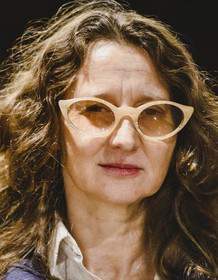
Lucrecia Martel
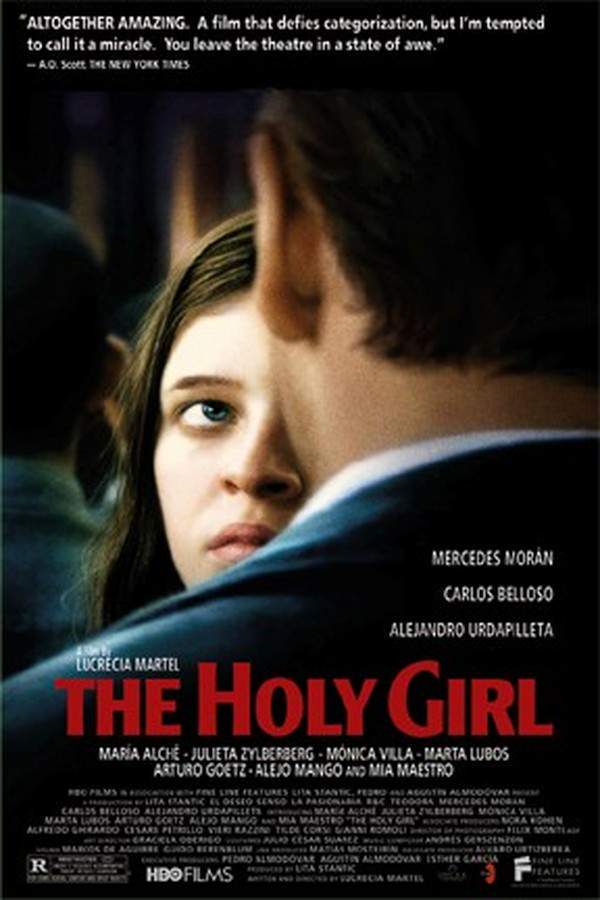
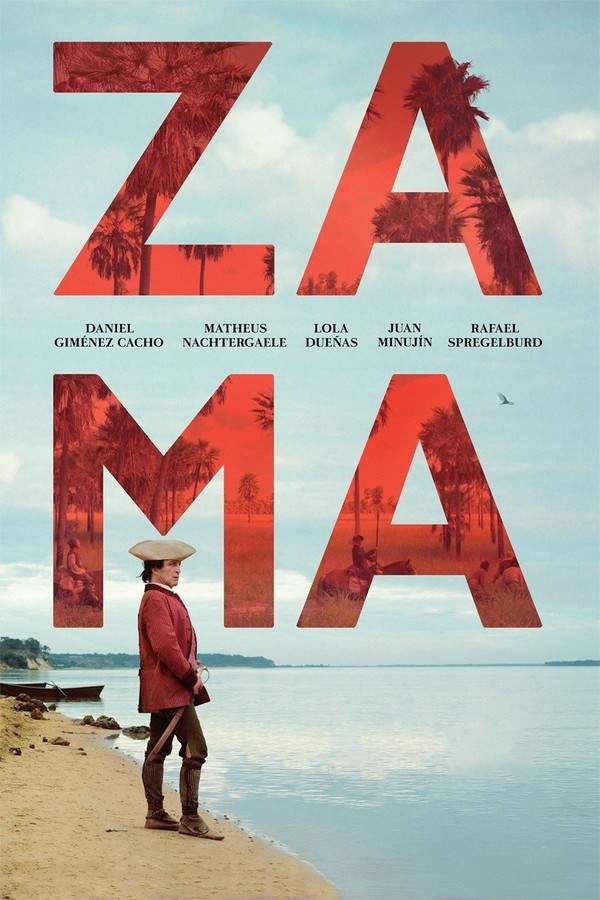
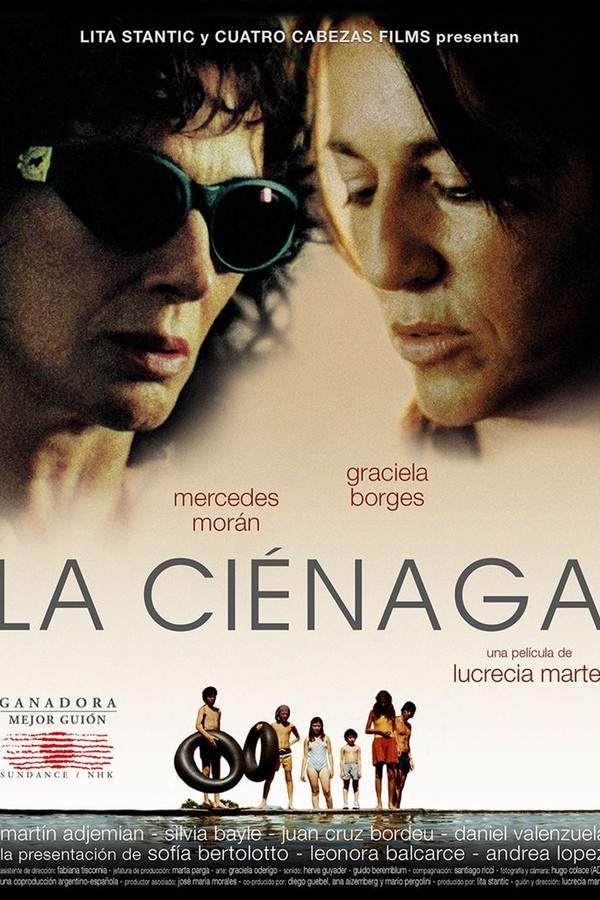
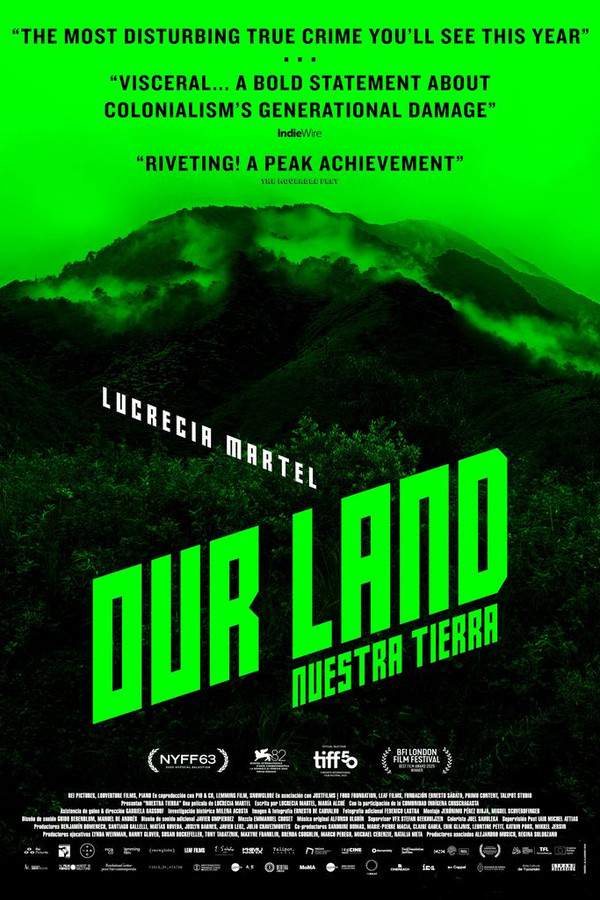
Lucrecia Martel is an Argentine film director, screenwriter, and producer whose work has become a cornerstone of contemporary world art cinema. Born on December 14, 1966 in Salta, Argentina, she grew up as the second of seven children in a family that cherished oral storytelling, a habit that later informed her meticulous sound design and narrative pacing. Her father, Ferdi, ran a paint shop, while her mother, Bochi, nurtured the household with a philosophical background, and their grandmother Nicolasa contributed to the family’s rich tradition of mythic tales. Martel’s early fascination with mythology, Greek, and Latin studies led her to an elite secondary school where she felt both an outsider and a prodigious student, laying the groundwork for her critical eye on social hierarchies. By her mid‑teens she was already handling a video camera, documenting everyday life, an experience she describes as the seed of her cinematic obsession. After dabbling in physics, art history, and even pig farming, she eventually pursued communication sciences at the University of Buenos Aires and simultaneously studied animation at IDAC, where she began creating short films. Her first notable short, Rey muerto (1995), won Best Short at the Havana Film Festival and opened doors to television work, including the cult children’s program Magazine For Fai. Martel’s breakthrough came with the feature debut La Ciénaga (2001), a critically acclaimed portrait of a decaying bourgeois family that earned awards at Sundance, Berlin, and Cannes, cementing her reputation as a leading voice of the New Argentine Cinema. She followed with The Holy Girl (2004) and The Headless Woman (2008), forming a “Salta trilogy” that explores female consciousness amid Argentina’s post‑dictatorship transition. After a long‑awaited adaptation of Antonio di Benedetto’s novel, Zama (2017) premiered at Venice, demonstrating her mastery of historical narrative and international co‑production. Beyond feature films, Martel has directed acclaimed short works such as Muta (2011) for Miu Miu, and continues to influence scholars and filmmakers worldwide. In 2018 she served as filmmaker‑in‑residence at Cambridge, and in 2023 she was honored at Visions du Réel while preparing her first documentary, Chocobar, reflecting her ongoing commitment to exploring Argentine identity.
Biography, Career & Filmography
Learn more about Lucrecia Martel, including a detailed biography, career timeline, personal life insights, and complete filmography. Discover how Lucrecia Martel rose to fame, their major roles, industry impact, and personal milestones in the world of film.
Given Name: Lucrecia Martel
Born: Salta, Argentina
Citizenship: Argentina
Birthday: December 14, 1966
Occupations: film director, screenwriter, producer
Years Active: 1988-present
External Links and Streaming Options
Explore more about on trusted external platforms like Metacritic, Rotten Tomatoes, TMDb or IMDb. Find additional details, reviews, and related content to deepen your understanding.








Career Timeline
Track the complete movie timeline of Lucrecia Martel, including all film releases, career breakthroughs, and notable roles. Follow their journey from early performances to recent blockbusters and upcoming projects.

What's After the Movie?
Not sure whether to stay after the credits? Find out!
Check out our other apps:

SAT Sphere
Build confidence for the Digital SAT.

Mori Atlas
Discover wild places worth protecting.

Luntero
Search smarter for a home in Amsterdam.

Plot Explained
Unravel movie endings and hidden clues.

Pokechamp
Dive into Pokémon data and battle logic.

Driving Theory
Get ready for your European theory test.

Movie Dust
Plan your next cinema trip with ease.

Musemap
Find art and culture as you travel.

Selkobase
Compare credentials before committing.

Local Manual
Turn an unfamiliar country into practical next steps.

Lernavi
Compare school systems before your next move.

GymRoam
Find a workout stop wherever your plans take you.
Explore Our Movie Platform
New Movie Releases (2026)
Famous Movie Actors
Top Film Production Studios
Movie Plot Summaries & Endings
Major Movie Awards & Winners
Best Concert Films & Music Documentaries
Movie Collections and Curated Lists
© 2026 What's After the Movie. All rights reserved.
Privacy Policy