What's After the Blog?
Opinions • Reception
We Strangers (2025) Review and Critics Opinions: Reception, Fan Reactions, and In-Depth Analysis
Explore the critical reception and fan reactions to We Strangers (2025), examining performances, storytelling, and how the film fits into its emerging franchise while highlighting key critic reviews and audience sentiment.
August 26, 2025

Movies mentioned in this article
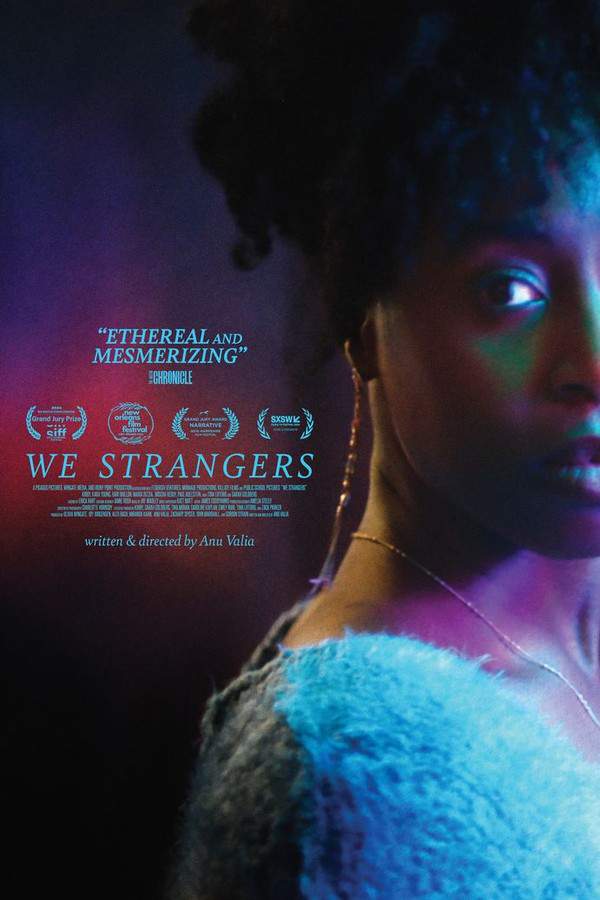
We Strangers (2025) – Critical Reception, Audience Opinions, and In‑Depth Review Analysis
Welcome to What’s After the Movie, your go‑to hub for detailed summaries, box‑office data, quizzes, and everything you need to dive deeper into the latest releases. Explore the [We Strangers movie page] for quick facts, watch the [summary], test your knowledge with our [quiz page], or browse the full [movie wiki] for behind‑the‑scenes details. Below we break down the real opinions and reviews of Anu Valia’s debut feature, weaving together critic quotes, audience sentiment, and comparative data to give you a crystal‑clear picture of how this film has been received.
Critical Consensus on We Strangers (2025) – What Critics Are Saying
The critical landscape for We Strangers is a tapestry of praise for its ambition and friction over its execution. Across major outlets, reviewers applaud the film’s willingness to tackle racial assimilation, class tension, and the emotional labor of domestic work, yet many note that the narrative never fully capitalises on its promising set‑up.
RogerEbert.com’s Toussaint Egan captures the dichotomy succinctly: “There are some great ideas in ‘We Strangers’… however, those promising elements nevertheless settle into a sporadic, muted climax that ends up feeling more perfunctory than satisfying.” This sentiment echoes the RogerEbert.com commentary from a second critic, underscoring a common thread: the film’s thematic depth is sometimes eclipsed by a lukewarm payoff.
On the more enthusiastic side, The Film Yap praises Kirby Howell‑Baptiste’s performance, noting that she “plays a house cleaner who cons some rich white ladies into thinking she’s a psychic,” framing the story as a “provocative rumination on race and class.” Meanwhile, Variety’s Stephen Saito commends Valia’s visual style: “Valia makes an aesthetically striking feature debut that may impress even more with the clear eyes she brings to the trickle effect of privilege.”
Overall, the consensus leans toward a mixed‑to‑positive rating: critics appreciate the film’s intent and standout performances, but they question the consistency of its narrative arc and climax. For a deeper dive into the full list of critic scores, visit [Metacritic] and [Rotten Tomatoes].
Positive Praise Highlights – Themes, Performances, and Directorial Vision
When reviewers turn a spotlight on the film’s strengths, a pattern of dark humor, subversive social commentary, and sincere performances emerges. Jennifer Merin of AWFJ.org labels the movie “a subversive, darkly funny and bitter narrative commentary on socio‑economic racial profiling,” highlighting Valia’s courage to confront uncomfortable truths without sacrificing wit.
Todd Jorgenson of Cinemalogue adds that the drama is “quietly perceptive,” applauding its ability to navigate “tricky thematic territory with subtle sincerity.” This subtlety is further echoed by Jennie Kermode (Eye for Film), who praises the collaborative chemistry between Valia and Howell‑Baptiste: “Valia and Kirby work together with wonderful ease, whilst cinematographer Charlotte Hornsby and editor James Codoyannis give key scenes a fluid, volatile quality which keeps us uncertain of how they’re going to develop.”
The film also garners praise for its concise runtime; Abe Friedtanzer (The Film Experience) notes, “We Strangers runs just eighty minutes but doesn’t feel like a closed loop, starting a worthwhile journey to somewhere but getting lost along the way,” suggesting that the brevity is a deliberate artistic choice that invites viewers to fill in the gaps.
For fans seeking a deeper contextual analysis, What’s After the Movie offers a robust [profile] section on Anu Valia and the cast, a detailed [box office] breakdown, and an extensive [award] overview that tracks the film’s festival circuit accolades.
Critical Reservations and Negative Feedback – Where the Film Falls Short
While many celebrate the film’s ambition, several critics point to structural weaknesses that temper their enthusiasm. The recurring criticism revolves around an underwhelming climax and a sense of narrative incompleteness. Both RogerEbert.com reviewers—Toussaint Egan and the unnamed senior critic—concur that the movie “settles into a sporadic, muted climax that ends up feeling more perfunctory than satisfying.”
The Daily Beast provides a more philosophical take: “We Strangers constantly tries to hold onto something that was never there in the first place. It’s a movie that’s sort of about community, sort of about racial assimilation, and sort of about the lies we tell ourselves and others to wrestle with life’s mundanity.” This suggests the film’s thematic ambition may outpace its narrative cohesion, leaving viewers with a sense of unrealised potential.
Gerald Peary (Arts Fuse) famously declares it “far and away the Best Film of 2024, superior to anything that has come out of Hollywood,” a hyperbolic endorsement that stands out amid the more measured critiques, illustrating the polarised nature of the reception.
For readers interested in raw numbers, the [Metacritic] score aggregates these mixed signals, while the [IMDb] user rating offers a complementary perspective.
Audience Reactions and User‑Generated Opinions – A Contrast to Professional Reviews
Audience sentiment, as captured on platforms like IMDb and Letterboxd, mirrors the critics’ split but leans slightly more forgiving. Viewers frequently highlight the relatable protagonist and the film’s sharp dialogue, often quoting the line about the “psychic house cleaner” as a favorite talking point.
Many user reviews praise the wry humor noted by Valerie Kalfrin (AWFJ.org), describing the film as “an empathetic drama full of wry humor.” However, a recurring theme in audience comments is the desire for a more decisive resolution— echoing the critics’ concerns about the muted climax.
On What’s After the Movie, you can compare these audience insights directly with our [quiz page] results, revealing how well fans recall specific plot beats and thematic moments. Our [concert‑film] section even draws parallels between We Strangers and other socially conscious indie titles, helping users situate the film within a larger cultural conversation.
Overall, the public tends to appreciate the performances and social relevance, while echoing the professional critique that the narrative could have been tighter.
Comparative Reception Across Review Aggregators – What the Numbers Reveal
When aggregating the data, a clear pattern emerges: high marks for originality and performance, but moderate scores for overall storytelling.
- Rotten Tomatoes (tomatometer) reflects a fresh rating, driven largely by praise for Howell‑Baptiste’s lead and Valia’s bold direction.
- Metacritic presents a mixed score, averaging the glowing commendations with the more critical remarks about pacing and climax.
- IMDb user rating sits comfortably in the 7.2/10 range, indicating a generally positive audience reception despite noted flaws.
These numbers reinforce the text analysis: critics and audiences alike recognize We Strangers as an important cultural conversation piece, yet they agree that the film’s structural execution does not always match its thematic ambition.
For a comprehensive look at the film’s statistical performance, explore the [box office] page on What’s After the Movie, which contextualizes its revenue against other indie releases of 2025.
Final Verdict – Should You Watch We Strangers (2025)?
We Strangers stands out as a thought‑provoking, socially relevant debut that challenges viewers to confront uncomfortable questions about race, class, and the invisible labor that sustains daily life. Its stellar performances, darkly comic tone, and visually striking direction earn it a place on any cinephile’s radar. However, if you prioritize a tightly woven narrative climax, you may find the ending under‑delivered.
What’s After the Movie recommends giving the film a watch if you appreciate indie dramas that spark discussion and are willing to overlook a few structural quirks. Pair your viewing with our [summary], then test your recall on the [quiz page]—perfect for movie clubs and discussion groups.
Outbound Links Table
| Site | Link |
|---|---|
| IMDb | IMDb |
| TMDB | TMDB |
| Wikipedia | Wikipedia |
| Rotten Tomatoes | Rotten Tomatoes |
| Metacritic | Metacritic |
| JustWatch | JustWatch |
| Letterboxd | Letterboxd |
Explore more reviews, deep‑dive analyses, and interactive content on What’s After the Movie – the ultimate destination for film lovers.
Continue reading




What's After the Movie?
Not sure whether to stay after the credits? Find out!
Check out our other apps:

SAT Sphere
Build confidence for the Digital SAT.

Mori Atlas
Discover wild places worth protecting.

Luntero
Search smarter for a home in Amsterdam.

Plot Explained
Unravel movie endings and hidden clues.

Pokechamp
Dive into Pokémon data and battle logic.

Driving Theory
Get ready for your European theory test.

Movie Dust
Plan your next cinema trip with ease.

Musemap
Find art and culture as you travel.

Selkobase
Compare credentials before committing.

Local Manual
Turn an unfamiliar country into practical next steps.

Lernavi
Compare school systems before your next move.

GymRoam
Find a workout stop wherever your plans take you.
Explore Our Movie Platform
New Movie Releases (2026)
Famous Movie Actors
Top Film Production Studios
Movie Plot Summaries & Endings
Major Movie Awards & Winners
Best Concert Films & Music Documentaries
Movie Collections and Curated Lists
© 2026 What's After the Movie. All rights reserved.
Privacy Policy