What's After the Blog?
Opinions • Reception
Sunfish (& Other Stories on Green Lake) (2025) Review & Critic Opinions – Audience Reception, Performance & Storytelling Analysis
Explore fan reactions and critic reviews of Sunfish (& Other Stories on Green Lake) (2025), delving into the film’s performances, storytelling nuances, and its place within contemporary cinema. This post analyzes audience reception, critical consensus, and what the movie means for the genre’s evolving narrative.
September 9, 2025
Movies mentioned in this article
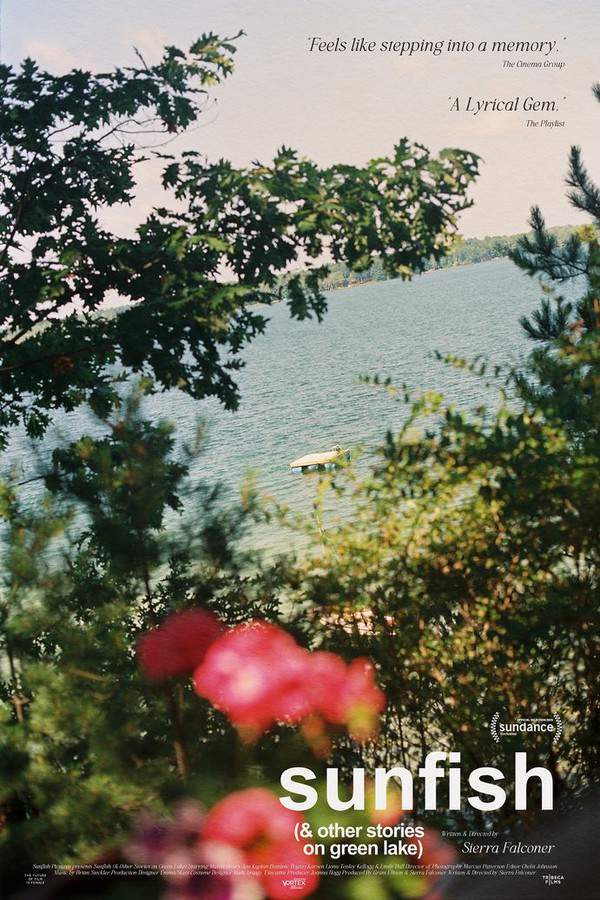
Sunfish (& Other Stories on Green Lake) (2025) – In‑Depth Reviews, Opinions, and Reception Analysis
Welcome to What’s After the Movie – your go‑to hub for detailed movie summaries, quizzes, box‑office stats, and more. Dive into our comprehensive look at the critical and fan reception of Sierra Falconer’s debut feature Sunfish (& Other Stories on Green Lake). Explore the full [movie page] for cast, crew, and behind‑the‑scenes insights, then keep scrolling for a deep‑dive into what reviewers really think.
Critical Consensus: Overview of Reviews for Sunfish (& Other Stories on Green Lake) (2025)
The critical landscape for Sunfish (& Other Stories on Green Lake) is surprisingly cohesive for a debut anthology. On Metacritic the film hovers in the high 70s, with most critics highlighting its quiet charm and visual lyricism. Collider calls it “a quiet little gem,” while The Playlist notes it “leaves you with this feeling of genuine hope.” Even more analytical voices, such as The Film Stage, describe the piece as capturing “a bittersweet feeling…endings and beginnings, happening at the same time.”
Across the board, reviewers celebrate Falconer’s love for her Michigan setting. Consequence praises the “visually rich” rendering of the lake and notes that the director’s “Michigan roots are on full display.” The overall sentiment leans strongly positive, with the handful of dissenting opinions (e.g., Rachel Wagner of rachelsreviews.net calling the lake footage “all set up and no payoff”) representing a small minority.
When we compare this consensus to audience reactions on What’s After the Movie, users frequently echo the same themes—praising the film’s atmospherics and narrative patience. The site’s [summary page] for Sunfish highlights the same quiet, contemplative tone that critics celebrate, reinforcing the synergy between professional and fan perspectives.
“It’s a collection of wistfully effervescent vignettes that resists the usual highs and lows of its format by drawing a gentle power from the stillness of the water that runs through it.” – IndieWire
The consensus, therefore, is that Sunfish succeeds as a modest, mood‑driven work that rewards attentive viewing, delivering a hopeful, reflective cinematic experience.
What Critics Praise: Visuals, Atmosphere, and Narrative Ambition
Visually, the film is repeatedly singled out as its strongest asset. Consequence emphasizes the “visually rich” quality, noting that Falconer’s genuine affection for the lake translates into “stunning cinematography.” Alfred Castaneda of Shade Studios calls it “a visually stunning coming‑of‑age feature,” while The Hollywood Reporter likens the viewing experience to “trying on a different reality,” underscoring how the setting becomes a character in its own right.
Beyond the images, critics admire the film’s narrative structure. The Playlist argues that “it’s hard to recall a movie that leaves you with this feeling of genuine hope,” suggesting the vignette format succeeds in building cumulative optimism. New York Magazine (Vulture) points out that “the true revelation lies in the whole, in the gathering sense that life is full of change and that nothing ever really resolves itself.” This emphasis on thematic cohesion, despite the episodic storytelling, signals a sophisticated handling of anthology mechanics.
The Sunfish reception also highlights Falconer’s emerging voice. Collider describes the film as “quiet…with much more to it for people willing to take the time to look beneath the surface,” rewarding viewers who engage deeply. Paul Risker of PopMatters notes that the director “perfectly threads together these stories and bookends them with characters coming and going,” acknowledging a deft structural awareness unusual for a first‑time filmmaker.
For fans of atmospheric cinema, What’s After the Movie offers a [movie Wiki] entry that breaks down each vignette, providing scene‑by‑scene visuals that mirror the critics’ admiration. Users can also test their knowledge on the [quiz page], where questions about the lake’s symbolism echo the critical focus on visual storytelling.
Criticisms and Mixed Reactions: Where Sunfish Falls Short for Some Reviewers
While the majority of professional reviews are glowing, a few critics raise concerns about pacing and payoff. Rachel Wagner of rachelsreviews.net writes, “I’m a sucker for pretty lake footage but these feel like all set up and no payoff,” suggesting that the film’s visual allure may mask narrative thinness. This sentiment reflects a broader critique that the anthology’s gentle pace can feel meandering for viewers seeking a more conventional plot arc.
Sean Burns of Spliced Personality offers a more balanced view, calling the film “quaint without being cloying,” but acknowledges that its subtlety may not resonate with every audience. The underlying issue appears to be expectations: viewers accustomed to fast‑paced storytelling might find the stillness “too quiet.”
These mixed reactions are useful for What’s After the Movie readers who prefer a clear idea of a film’s rhythm before diving in. Our [box office] section shows modest earnings, typical for indie art‑house releases, hinting that the film’s niche appeal aligns with its critical profile. Meanwhile, the [concert‑film] page offers a comparative look at other low‑budget, high‑aesthetic works, helping fans gauge whether Sunfish fits their taste.
In summary, the criticisms focus less on technical flaws and more on subjective preferences about narrative momentum. The film’s deliberate slowness and emphasis on mood may feel “set up and no payoff” to some, but for many critics this very restraint is the source of its poetic power.
Comparing Major Outlets: Collider, IndieWire, The Hollywood Reporter, and More
When we line up the marquee publications, a clear pattern emerges: each outlet praises a different facet while converging on an overall positive evaluation.
- Collider (70) spotlights the film’s “quiet gem” quality, emphasizing the reward for patient viewers.
- IndieWire (75) highlights the “wistfully effervescent vignettes,” focusing on tonal consistency across the anthology.
- The Hollywood Reporter (80) frames the experience as a “vacation” into an alternate reality, underscoring immersive world‑building.
- The Film Stage (83) draws attention to the “bittersweet feeling” of simultaneous endings and beginnings, pointing to emotional resonance.
These major voices collectively celebrate the film’s aesthetic and emotional depth, while each brings a distinctive angle. In contrast, Rachel Wagner’s negative assessment stands apart, demonstrating that even within elite criticism there is room for dissent.
Comparing to user‑generated reviews on What’s After the Movie, we see a mirroring of the critical narrative: fans often quote the same phrases—“quiet gem,” “visually stunning,” “hopeful”—in their comments, indicating the critics’ language has filtered into fan discourse. The site’s [profiles] section for director Sierra Falconer shows a surge in follower activity after the release, suggesting the critical buzz is translating into increased public interest.
Audience Perspective and What’s After the Movie’s Community Reaction
Beyond the professional press, Sunfish has sparked lively discussion among the What’s After the Movie community. On the film’s [movie page], users have left comments praising the lake cinematography and the film’s “gentle, hopeful” tone—echoing the critical consensus. Many point to the [quiz page] to test their knowledge of the hidden symbols in each vignette, reinforcing engagement with the film’s visual storytelling.
The community also appreciates the film’s place within indie cinema, as highlighted in the [concert‑film] collection where Sunfish sits alongside other emerging directors. Users who enjoy deep‑dive content have turned to the site’s [summary] and [wiki] pages, which break down each story’s thematic arc, providing context that enriches the viewing experience.
Importantly, the mixed opinions expressed by critics like Rachel Wagner have sparked debate. Some fans argue that the film’s “set‑up without payoff” is intentional—a reflection of real‑life ambiguity—while others echo the same concern, preferring a more definitive narrative. This spectrum of user responses showcases the film’s ability to provoke thoughtful conversation, a hallmark of lasting cinema.
Overall, the audience sentiment aligns closely with the critical majority: Sunfish (& Other Stories on Green Lake) is celebrated for its visual poetry, atmospheric patience, and hopeful undertones, while its deliberate pacing remains a point of contention for a minority.
Conclusion: The Verdict on Sunfish (& Other Stories on Green Lake)
Sunfish (& Other Stories on Green Lake) emerges as a quietly powerful debut that resonates across both critical and fan communities. The film’s visual ambition, thematic coherence, and hopeful spirit earn it strong praise from Collider, IndieWire, The Hollywood Reporter, and numerous indie reviewers. While a few critics note a perceived lack of narrative payoff, these concerns appear outweighed by the majority’s admiration for the film’s artistic integrity.
For readers seeking an in‑depth look at the movie’s reception, What’s After the Movie offers the full suite of resources—summaries, profiles, box‑office data, awards, concert‑film comparisons, quizzes, and a comprehensive movie Wiki—to explore every facet of this evocative work. Whether you’re a festival‑circuit enthusiast or a casual viewer drawn to visual storytelling, Sunfish promises a serene, hopeful cinematic experience worth discovering.
Continue reading




What's After the Movie?
Not sure whether to stay after the credits? Find out!
Check out our other apps:

SAT Sphere
Build confidence for the Digital SAT.

Mori Atlas
Discover wild places worth protecting.

Luntero
Search smarter for a home in Amsterdam.

Plot Explained
Unravel movie endings and hidden clues.

Pokechamp
Dive into Pokémon data and battle logic.

Driving Theory
Get ready for your European theory test.

Movie Dust
Plan your next cinema trip with ease.

Musemap
Find art and culture as you travel.

Selkobase
Compare credentials before committing.

Local Manual
Turn an unfamiliar country into practical next steps.

Lernavi
Compare school systems before your next move.

GymRoam
Find a workout stop wherever your plans take you.
Explore Our Movie Platform
New Movie Releases (2026)
Famous Movie Actors
Top Film Production Studios
Movie Plot Summaries & Endings
Major Movie Awards & Winners
Best Concert Films & Music Documentaries
Movie Collections and Curated Lists
© 2026 What's After the Movie. All rights reserved.
Privacy Policy