What's After the Blog?
news • Streaming • analysis
One Piece Season 2 Introduces Laboon in Reverse Mountain Arc
Netflix's live-action One Piece adaptation brings the beloved whale Laboon to life in season 2's Reverse Mountain Arc. The streaming series adapts the emotional backstory involving the Rumbar Pirates while making key changes to Crocus's characterization.
March 12, 2026
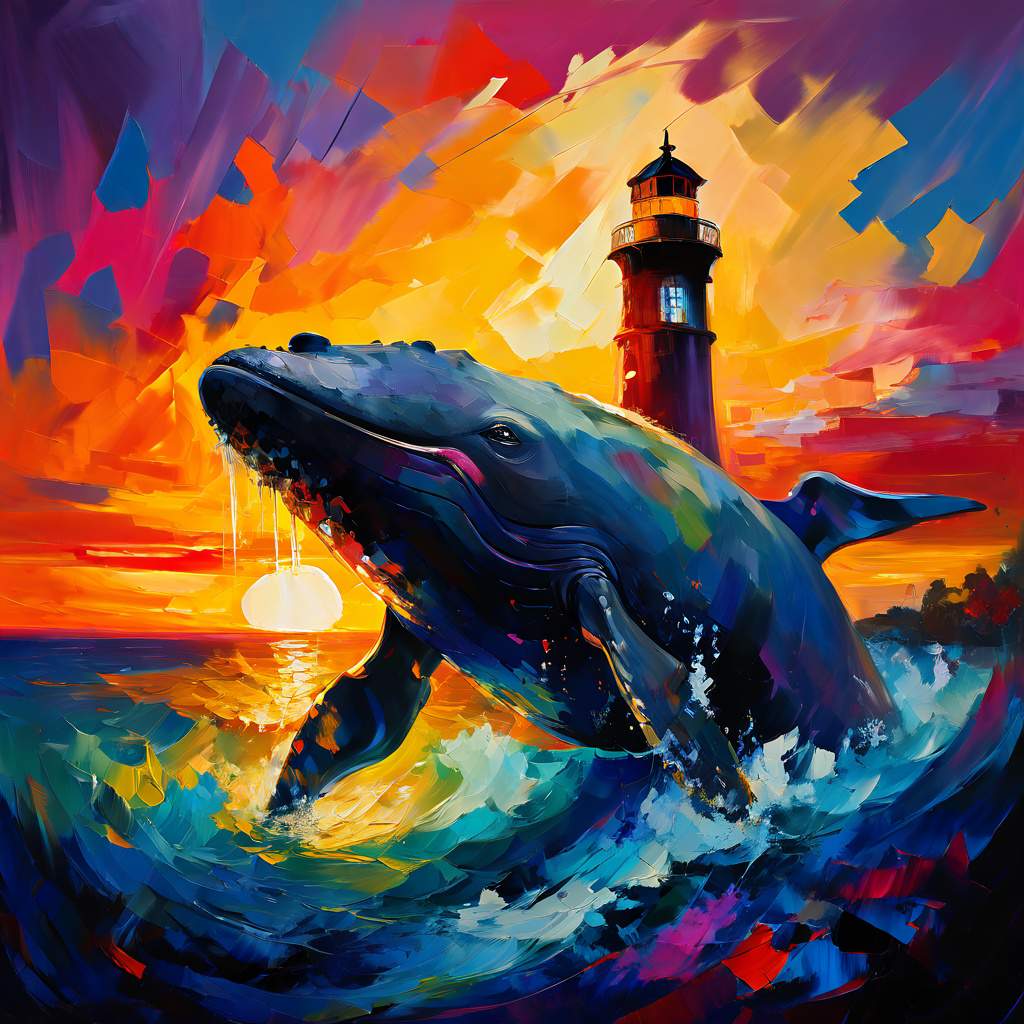
One Piece Season 2 Introduces Laboon in Reverse Mountain Arc
Netflix’s live-action One Piece adaptation has reached a pivotal narrative milestone with the launch of season 2, introducing one of the franchise’s most emotionally resonant characters to streaming audiences. The giant whale Laboon makes his long-awaited debut in the second episode, anchoring the Reverse Mountain Arc that kicks off the larger Arabasta saga. This storyline represents a significant test for the series as it balances fan expectations with the practical constraints of adapting Eiichiro Oda’s sprawling manga into a condensed live-action format.
The introduction arrives as the Straw Hat crew, led by Iñaki Godoy’s rubber-limbed Luffy, escapes into the Grand Line through increasingly perilous circumstances. After their ship nearly capsizes, the pirates find themselves swallowed by an enormous island whale—setting in motion a chain of events that reveals decades of maritime history and establishes emotional stakes that will resonate throughout the series’ future seasons.
How Laboon Enters the Live-Action Narrative
The mechanics of Laboon’s introduction follow the broad strokes of Oda’s original manga while streamlining certain elements for television pacing. Luffy’s elastic abilities prove essential as he navigates the whale’s cavernous interior to seek assistance from Crocus, the lighthouse keeper stationed at Twin Cape. This encounter serves as the entry point into the Reverse Mountain Arc, alternatively known among fans as the Laboon Arc for its central focus on the cetacean character.
Crocus, portrayed by Clive Russell, delivers the exposition that establishes Laboon’s tragic circumstances. Separated from his pod as an infant, the whale developed an obsessive behavioral pattern that now endangers passing vessels: decades of ramming his head against the Red Line, the impenetrable continental ridge that circles the One Piece world. The physical toll is visible in the accumulated scars marking Laboon’s massive frame, physical evidence of fifty years of determined but futile effort.
The live-action adaptation preserves the core emotional architecture of this storyline while making notable adjustments to its presentation:
- Crocus’s living situation: Unlike the manga, where the lighthouse keeper resides inside Laboon’s stomach as a physical manifestation of his protective devotion, the Netflix version positions Crocus as an external observer
- Characterization shift: Russell’s Crocus projects aloofness rather than open compassion, with Luffy’s persistent sincerity serving as the mechanism that penetrates this emotional guard
- Visual storytelling: The production emphasizes the scale disparity between human characters and the whale through practical set design and digital effects integration
The Rumbar Pirates and a 50-Year Promise
The emotional weight of Laboon’s introduction derives from flashback sequences revealing his history with the Rumbar Pirates. Crocus’s narration accompanies visual depictions of the whale as a calf, happily accompanying the pirate crew through waters near Twin Cape. These sequences establish the bond that would define Laboon’s subsequent existence—and the promise that transformed into a half-century of waiting.
The flashbacks introduce a significant piece of One Piece lore that will prove integral to the franchise’s broader narrative: a particular Rumbar Pirate playing “Binks’ Brew” for the young whale. This character, whose identity carries major implications for future storylines, appears in these historical sequences as a musician whose connection to Laboon extends beyond the immediate crew relationship.
Crocus’s warnings to the Rumbar Pirates about the dangers of bringing a young whale into the Grand Line prompted a fateful decision. The crew’s captain promised Laboon they would return within a few years, a commitment the whale has honored through five decades of patient vigilance. Despite repeated attempts by Crocus to console him and redirect his behavior, Laboon maintained his position at Twin Cape, his head-butting against the Red Line driven by the desperate hope of reunion.
Luffy’s Intervention and a New Promise
The resolution of Laboon’s introductory arc hinges on Luffy’s characteristic blend of empathy and direct action. Moved by Crocus’s account, the Straw Hat captain employs the only method likely to reach the despondent whale: performing “Binks’ Brew” and issuing a formal challenge to combat.
This gesture carries symbolic weight beyond its immediate narrative function. Luffy’s painting of the Straw Hat Jolly Roger onto Laboon’s head creates a visual bond that serves practical and emotional purposes simultaneously. The insignia represents a promise of future reunion, with Luffy explicitly forbidding further head-butting on the grounds that continued impact would wash away the symbol of their friendship. This reframing gives Laboon a protective motivation to preserve himself—protecting the mark becomes synonymous with preserving hope.
The sequence demonstrates the adaptation’s approach to Oda’s tonal sensibilities. The original One Piece balances absurd premises with genuine emotional stakes, a combination that the live-action series attempts to replicate through its handling of the Laboon material. The result is a self-contained narrative that advances the season’s broader Baroque Works storyline while delivering a satisfying emotional arc within a single episode’s runtime.
Adaptation Choices and Future Implications
The modifications made to Crocus’s characterization reflect broader strategic decisions about the live-action series’ approach to its source material. By externalizing the lighthouse keeper from Laboon’s body, the production avoids certain practical challenges while creating a different dynamic between protector and protected. The suggestion that Crocus maintains constant watch despite his affectation of indifference preserves the essential relationship while adapting it for visual media.
These choices occur within the context of confirmed future production. Netflix has already greenlit a third season of One Piece, though the total planned scope of the adaptation remains unspecified given the manga’s ongoing publication and extensive chapter count. This uncertainty about ultimate endpoint informs the pacing decisions visible in season 2’s handling of the Laboon Arc.
The whale’s established role in future narrative arcs provides additional context for the adaptation’s investment in this storyline. Laboon is scheduled to appear in subsequent material including the Thriller Bark Saga and Fish-Man Island Saga, making his proper introduction a necessary foundation for later seasons. The live-action series’ ability to establish this character efficiently—while simultaneously advancing the Baroque Works plot thread—demonstrates the compression techniques required to adapt Oda’s extensive narrative within practical production constraints.
Thematic Resonance and Production Achievement
Laboon’s introduction reinforces the thematic emphasis on found family that structures the Straw Hats’ collective journey. The whale’s loyalty to the Rumbar Pirates across decades of separation mirrors the bonds forming among Luffy’s crew, creating implicit parallels that deepen the emotional impact of both narratives. This thematic coherence supports the adaptation’s claim to capturing the essential spirit of Oda’s original work.
The production challenges of realizing Laboon for live-action audiences should not be understated. The character requires sustained visual effects work to maintain presence and expressiveness across multiple sequences, integrated with practical elements including the lighthouse set and water-based action. The result represents a significant technical achievement for the series, particularly given the compressed timeline of television production compared to feature film equivalents.
Season 2 of One Piece is currently available for streaming on Netflix, with the Laboon storyline comprising a significant portion of its early episodes.
What’s After the Movie: Your Complete Entertainment Resource
Looking for more coverage of streaming adaptations and anime-to-live-action transitions? What’s After the Movie offers comprehensive resources for film and television enthusiasts, including detailed movie information, box office tracking, spoiler-free summaries, ending explanations, trailers, reviews, and breaking industry news. Explore our complete catalog at whatsafterthemovie.com or browse our streaming and release date coverage to stay current on your favorite franchises.
Continue reading



What's After the Movie?
Not sure whether to stay after the credits? Find out!
Check out our other apps:

SAT Sphere
Build confidence for the Digital SAT.

Mori Atlas
Discover wild places worth protecting.

Luntero
Search smarter for a home in Amsterdam.

Plot Explained
Unravel movie endings and hidden clues.

Pokechamp
Dive into Pokémon data and battle logic.

Driving Theory
Get ready for your European theory test.

Movie Dust
Plan your next cinema trip with ease.

Musemap
Find art and culture as you travel.

Selkobase
Compare credentials before committing.

Local Manual
Turn an unfamiliar country into practical next steps.

Lernavi
Compare school systems before your next move.

GymRoam
Find a workout stop wherever your plans take you.
Explore Our Movie Platform
New Movie Releases (2026)
Famous Movie Actors
Top Film Production Studios
Movie Plot Summaries & Endings
Major Movie Awards & Winners
Best Concert Films & Music Documentaries
Movie Collections and Curated Lists
© 2026 What's After the Movie. All rights reserved.
Privacy Policy