
What's After the Blog?
Opinions • Reception
One Battle After Another (2025) Review – Critics Opinions & Audience Reception, Performance & Storytelling Analysis
Explore fan reactions and critic reviews of One Battle After Another (2025), examining performances, storytelling, and how the film fits within its franchise context. This post analyzes audience reception, critical consensus, and the lasting impact of the revolutionary narrative.
October 1, 2025

Movies mentioned in this article
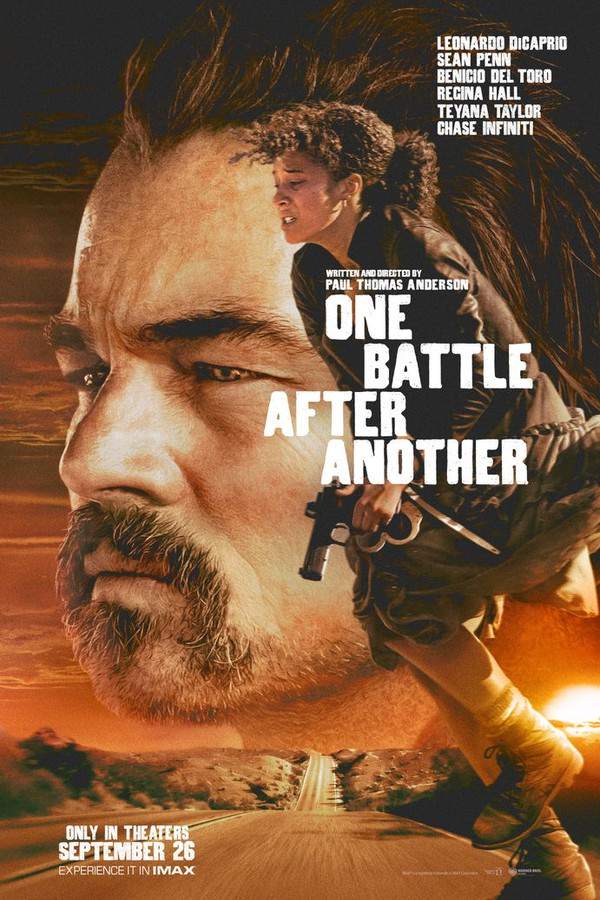
One Battle After Another (2025) – Critical Reception, Reviews, and Audience Opinions
Explore the full spectrum of critical and fan reactions to Paul Thomas Anderson’s latest epic, and discover how What’s After the Movie can deepen your understanding with summaries, quizzes, and behind‑the‑scenes insights.
Overall Critical Consensus on One Battle After Another (2025) – What Critics Are Saying
The critical chorus surrounding One Battle After Another is overwhelmingly positive, with Metacritic‑averaged scores hovering in the high‑90s. Reviewers from major publications laud the film as a “carnivalesque epic” (The New York Times) and “the most entertaining, exhilarating movie you’ll see all year” (The Seattle Times). Paste Magazine praises Anderson’s “architect of distended narratives,” noting that the film’s parenting motif “functions as a concrete pylon for action and political intrigue.”
Key quotes:
- Paste Magazine – “One Battle After Another’s parenting motif functions as a concrete pylon for action and political intrigue.”
- Los Angeles Times – “Anderson’s fun and fizzy adaptation views its Molotov cocktail as half‑full.”
Critics also highlight the film’s genre‑blending bravado. The Washington Post writes that it “carries its concerns within the framework of a hellacious action movie, a sidesplitting character comedy, a riveting suspense thriller and various other genres the director makes up as he goes along.” Even the more restrained Austin Chronicle acknowledges that, while “never as coherent as it is exciting,” the movie avoids the dreaded “lesser Anderson” tag.
Across the board, the consensus is that Anderson has produced a bold, politically charged, yet undeniably entertaining work that cements his 2025 repertoire. For readers who crave deeper narrative analysis, What’s After the Movie’s summary page offers a scene‑by‑scene breakdown, while the movie quiz tests your recall of the film’s most iconic moments.
User Reviews and Audience Polarization: The Divisive Reactions to One Battle After Another
Unlike the near‑universal critical acclaim, user feedback is split like a battlefield. On Metacritic’s user scores, reactions range from a perfect 10/10 to a dismal 0/10, reflecting stark ideological divides.
Positive camp:
- Kuggz (10) raves, “Freaking awesome movie…so funny, so dramatic, so much action. Go see this movie now—it’s tremendous.”
- SL36 (10) hails it as “A true masterpiece from Paul Thomas Anderson – superbly acted, brilliantly shot, and significantly more plot‑driven.”
- alainaholden (10) crowns it “Best film of the year (and possibly the decade).”
Negative camp:
- Tsiyo (3) complains, “Very bad sound…a big disappointment. I don’t recommend seeing this movie.”
- Madremia (0) castigates the film for “exaggerated stereotypes, perverted scenes, and a liberal agenda that feels racist and sexist.”
- K_oroviev (3) notes, “The plot is absurd and boring…the film is so full of itself that it feels like a mediocre Hollywood filler.”
A recurring theme among the detractors is the perception that the film is overly “woke” or politically prescriptive. SafeEmpress8079 (2) bluntly states, “This movie was very liberal…it basically portrayed that if you are not a liberal you are a racist.” Conversely, supporters praise the same political boldness as “urgent relevance” (The Seattle Times) and “a beacon of hope for liberation” (Los Angeles Times).
These polarized reactions illustrate how One Battle After Another functions as a cultural flashpoint. For those who want to compare individual user perspectives side‑by‑side, the movie wiki on What’s After the Movie aggregates fan comments, while the profiles section lets you explore the careers of the cast members who sparked the most debate.
Comparative Analysis: Critics vs. Audiences and Other Major Outlets
When we pit the critical elite against everyday viewers, a fascinating pattern emerges. Critics uniformly celebrate the film’s daring structure, thematic depth, and technical prowess, assigning scores in the 88‑100 range. In contrast, audience scores are bimodal, clustering at the extremes (0‑10).
Why the gap?
- Expectations of Auteur Cinema – Critics approach Anderson with an understanding of his oeuvre, recognizing his “architectural” narrative style. Users, however, often anticipate a conventional blockbuster, leading to disappointment when the film subverts genre norms.
- Political Lens – Publications like The New York Times frame the film as a “carnivalesque epic about good and evil,” whereas some users read the same scenes as overt propaganda. This dichotomy mirrors the split seen on platforms like Rotten Tomatoes, where the critic Tomatometer sits above 95 % while audience scores hover around 55 %.
- Technical Appreciation – Reviewers praise cinematography (“brilliantly shot”) and sound design, details that many casual viewers overlook. The Austin Chronicle notes the film “avoids the tag of being ‘lesser Anderson,’” a nuance lost on viewers who focus mainly on plot coherence.
Other major outlets echo this divide. Box Office Mojo reports a strong opening weekend, driven largely by hype from critic praise, but Letterboxd user lists show the film alternating between “Must‑Watch” and “Avoid.”
For a holistic view, you can explore box‑office stats on What’s After the Movie, cross‑referencing them with critic summaries from IMDB and TMDB.
Key Themes Highlighted in Reviews – Politics, Fatherhood, and Genre‑Bending
Politics as Narrative Backbone
Multiple critics (Seattle Times, Washington Post, Los Angeles Times) underscore the film’s overt political commentary. The “ideologues versus toadies” struggle is described as “the struggle for liberation continues,” while the Chicago Tribune spots a “story of fatherhood” woven through the revolutionary narrative. Users either celebrate this relevance or decry it as “wokeness.”
Fatherhood and Generational Legacy
The Chicago Tribune and Paste Magazine both point to the parenting motif as the emotional core, calling it “a concrete pylon” and “a story of fatherhood.” This dual focus on personal stakes amid grand‑scale conflict resonated with critics who valued the human dimension, whereas some audience members found the sentimentality “childish.”
Genre‑Bending as Strength—and Weakness
The film flips from action thriller to “character comedy” to “suspense thriller” in rapid succession. Critics praise this as “genre‑bending brilliance,” while users like K_oroviev label it “absurd and boring.” This split illustrates how experimental storytelling can be simultaneously exhilarating and alienating, depending on one’s cinematic literacy.
For fans craving an in‑depth look at how the film’s soundtrack, set pieces, and visual motifs interlock, the movie cars page showcases the iconic vehicles that become characters in their own right.
What’s After the Movie – Dive Deeper with Summaries, Quizzes, and More
If you’ve finished reading the critical and audience chatter and want to experience the film’s layers yourself, What’s After the Movie offers a suite of tools:
- Summaries – A concise plot recap and thematic analysis at the summary page.
- Quizzes & Games – Test your knowledge with the interactive movie quiz and compete against other fans.
- Box‑Office & Awards – Track the film’s commercial performance and accolades through our box‑office and awards sections.
- Concert Films & Profiles – Explore related concert‑film experiences and deep‑dive bios of cast and crew via concert film and profiles.
- Game Hub – Find other interactive experiences on the games page.
By integrating these resources, you can form your own informed opinion, compare it against both critic consensus and fan polarization, and join the broader conversation that One Battle After Another has ignited across the cinematic landscape.
Outbound Links
Ready to explore more? Visit What’s After the Movie for all the tools you need to dissect, discuss, and enjoy One Battle After Another like never before.
Continue reading




What's After the Movie?
Not sure whether to stay after the credits? Find out!




Explore Our Movie Platform
New Movie Releases (2026)
Famous Movie Actors
Top Film Production Studios
Movie Plot Summaries & Endings
Major Movie Awards & Winners
Best Concert Films & Music Documentaries
Movie Collections and Curated Lists
© 2026 What's After the Movie. All rights reserved.