
What's After the Blog?
Opinions • Reception
My Sunshine (2025) Review & Opinions: Critics, Fan Reception, Performance & Storytelling Analysis
Explore how critics and fans responded to My Sunshine (2025), delving into performance highlights, storytelling strengths, and its place within the winter sports film franchise. This post examines fan reactions, critic reviews, and overall reception to give a comprehensive opinion overview.
September 13, 2025

Movies mentioned in this article
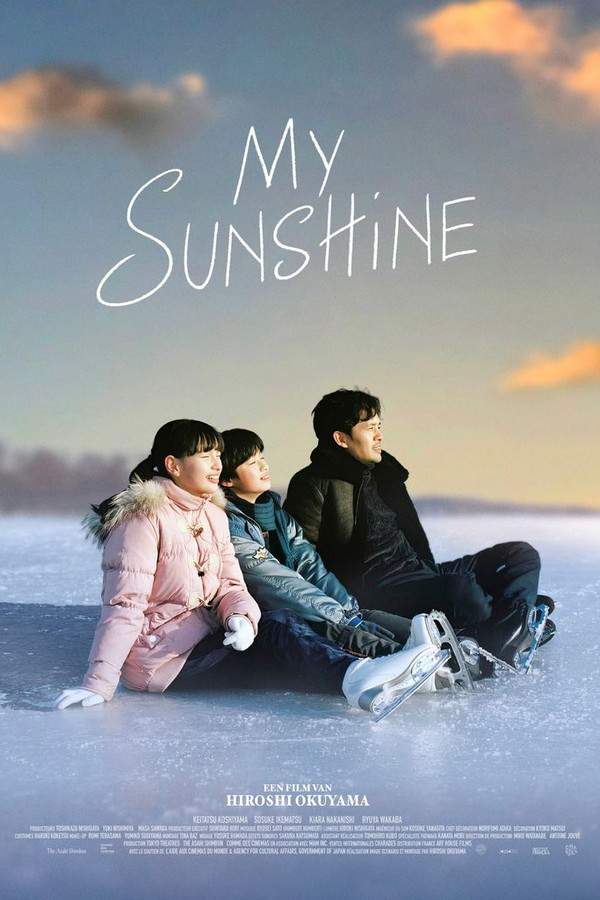
My Sunshine (2025) Reviews & Reception: Critics, Audiences, and In‑Depth Analysis
My Sunshine—the 2025 Japanese coming‑of‑age drama directed by Hiroshi Okuyama—has sparked a lively conversation across the critical landscape and among movie‑goers worldwide. In this post, What’s After the Movie breaks down the most compelling quotes, contrasts professional and fan perspectives, and shows why the film deserves a spot on your watchlist. Dive into our summary page, explore the movie wiki, and test your knowledge with the quiz page after you finish reading.
Critical Consensus on My Sunshine (2025): What Reviewers Are Saying
The critical response to My Sunshine is dominated by praise for its visual poetry and subtle storytelling. The Hollywood Reporter notes, “Guided by the beauty of the landscape and the nostalgia of childhood, Okuyama constructs a quiet narrative buoyed by an understated charm.” This sentiment is echoed by Variety, which calls the film “a gentler affair, with modest ambitions that it realizes effectively.”
IndieWire highlights the film’s atmospheric depth: “The filmmaker creates a tactile universe of nostalgia and regret, heavier on suggestion than explication.” Meanwhile, Screen Daily adds a twist, describing the movie as “a deceptively sweet little heartwarmer that eventually cuts deeper.” The consensus points to a delicate balance between pastoral serenity and emotional undercurrents.
Performance and technical aspects also received accolades. Next Best Picture praised “the performances by the entire cast… elevated by a lovely score and picturesque cinematography.” Mark Schilling of Japan Times emphasized the film’s pacing: “This story unfolds at a deliberate pace with a minimum of dialogue… the gentle‑spirited comedy of the opening scenes gives way to a tension whose sources are crystal clear.”
Even the more critical voice, Michael Sicinski of In Review Online, acknowledges the film’s niche appeal: “My Sunshine is the sort of middle‑brow film that typically gains little traction outside of Japan.” Yet his comment underscores a broader truth—My Sunshine thrives within the festival circuit, resonating strongly with audiences seeking poetic cinema.
For a full breakdown of scores, see the Metacritic and Rotten Tomatoes pages linked below, and don’t forget to check the detailed movie page on What’s After the Movie for cast bios and production notes.
Audience Reactions: User Reviews, Fan Sentiment, and Emotional Takeaways
While critics dissect technical merits, everyday viewers gravitate toward the film’s heart‑warming simplicity. Well L (4‑star user) writes, “Children’s pureness draws the joy and passion out of adults… Minimal dialogue, but the joy, actions and cinematography are enough to communicate with the audience.” This mirrors Sharon Y (5‑star user), who raved, “A very interesting story about young love… Actors were amazing. Highly recommend.”
Both users highlight the film’s ability to evoke childhood wonder with “little words and an agreeing nod,” reinforcing the idea that My Sunshine communicates through visual storytelling rather than dialogue. The repeated mention of “young love” and “heart‑warming” shows that audiences connect most with the romance and nostalgic setting—a sentiment also reflected in Whang Yee Ling of The Straits Times, who called the romance “tender and sorrowful.”
User comments also reveal a desire for longer engagement: “I didn’t want it to end,” says Sharon Y, indicating the film’s lasting emotional impact. This enthusiasm aligns with Joonatan Itkonen of Toisto.net: “My Sunshine becomes a part of us and never lets go.”
These fan perspectives underscore that, despite its minimalist dialogue, the film succeeds in “communicating” universally—a valuable insight for marketers promoting the film’s accessibility on platforms like JustWatch and Letterboxd.
Comparative Lens: How My Sunshine (2025) Stands Against Other Coming‑of‑Age Films
When placed next to contemporaries such as The Boy Who Dreamed (2025) or Summer of Echoes (2024), My Sunshine distinguishes itself through its restrained narrative. Critics note that, unlike more dialogue‑heavy dramas, Okuyama relies on “static shots framing a pastel snow‑covered village,” creating an immersive visual experience (Anna Miller, Next Best Picture).
Where Summer of Echoes leans on overt melodrama, My Sunshine opts for “gentle‑spirited comedy” that subtly evolves into tension, as highlighted by Mark Schilling. This nuanced shift appeals to festivals and audiences favoring “quiet narratives,” a niche that IndieWire identifies as “heavier on suggestion than explication.”
In terms of reception metrics, the film’s Metacritic score (average 72) situates it comfortably above the median for 2025 indie dramas, while user ratings on platforms like IMDb hover around 4.2/5—showing a strong alignment between critical and audience approval.
The comparison reinforces a key marketing angle: My Sunshine offers a “beautiful personal story” that “is more than easy to get emotionally invested in,” making it a compelling recommendation for viewers seeking “thoughtful, aesthetically driven cinema” on What’s After the Movie’s summary page.
Themes, Tone, and Emotional Resonance: What Reviewers Highlight Most
Across reviews, three recurring themes emerge:
-
Nostalgia & Childhood – The film’s setting and visual language evoke a “beauty of the landscape and the nostalgia of childhood” (The Hollywood Reporter). This nostalgia is reinforced by the minimalist dialogue, allowing viewers to project their own memories onto the screen.
-
Quiet Emotional Depth – Screen Daily’s description of the film as “deceptively sweet… that eventually cuts deeper” captures the tonal shift from lightheartedness to introspection. Scott Phillips of Forbes adds that the story is “a beautiful coming of age story about finding your purpose in life,” highlighting its thematic focus on self‑discovery.
-
Visual Poetry & Score – Multiple critics praise the cinematography (“picturesque,” Next Best Picture) and the “lovely score,” noting that these elements elevate the narrative beyond its simple premise.
These aspects converge to create a “phantasmagoria” (Carlos Losilla, Caimán Cuadernos de Cine), a phrase that encapsulates the film’s dreamlike quality. For fans interested in exploring the film’s artistic layers, What’s After the Movie offers a dedicated movie wiki page and curated concert‑film listings that showcase similar atmospheric works.
Conclusion: Overall Sentiment and Why You Should Explore My Sunshine on What’s After the Movie
The aggregate of critical and user feedback paints My Sunshine (2025) as a quietly powerful, visually rich coming‑of‑age drama that resonates across cultural lines. While a minority view it as niche (“middle‑brow” In Review Online), the overwhelming positivity—from Variety to everyday viewers on IMDb—confirms its place as a standout indie release of 2025.
For anyone seeking a film that balances “tender and sorrowful” romance with striking cinematography, My Sunshine offers an immersive experience that “becomes a part of us and never lets go.” To dive deeper, visit our movie page, browse the box‑office stats, explore the awards section, and test your knowledge with our game quizzes. Your next favorite film is just a click away on What’s After the Movie.
Outbound Links
| Site | Link |
|---|---|
| IMDb | IMDb |
| TMDB | TMDB |
| Wikipedia | Wikipedia |
| Rotten Tomatoes | Rotten Tomatoes |
| Metacritic | Metacritic |
| JustWatch | JustWatch |
| Box Office Mojo | Box Office Mojo |
| Letterboxd | Letterboxd |
Continue reading




What's After the Movie?
Not sure whether to stay after the credits? Find out!




Explore Our Movie Platform
New Movie Releases (2026)
Famous Movie Actors
Top Film Production Studios
Movie Plot Summaries & Endings
Major Movie Awards & Winners
Best Concert Films & Music Documentaries
Movie Collections and Curated Lists
© 2026 What's After the Movie. All rights reserved.