What's After the Blog?
trailer • news • release date
Evil Dead Burn Trailer Reveals Gory Family Horror Coming July 2026
Sébastien Vaniček’s Evil Dead Burn unveils its first full trailer, showcasing extreme practical effects and a domestic setting that relocates Deadite terror from remote cabins to a family home. The seventh franchise installment targets a theatrical release on July 10, 2026, with a follow-up film Evil Dead Wrath already in development.
May 6, 2026
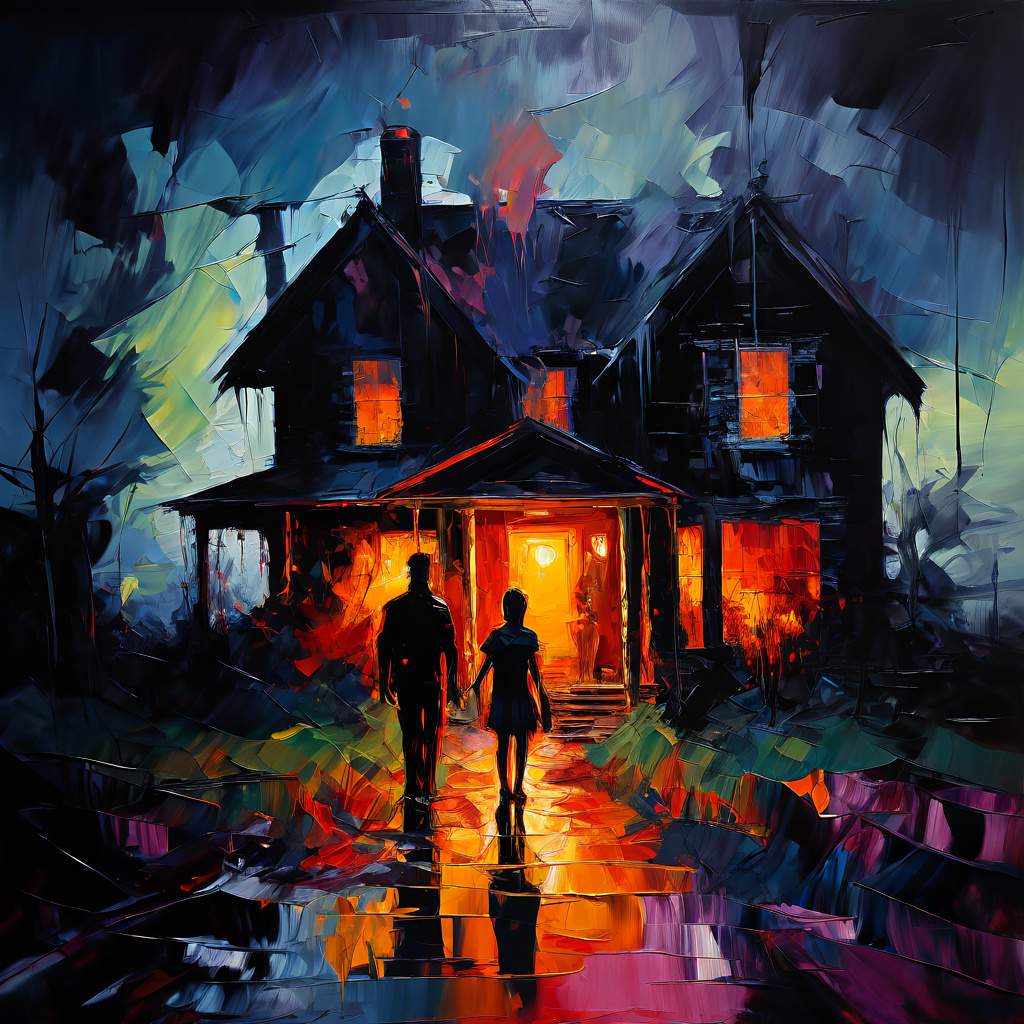
Evil Dead Burn Trailer Reveals Gory Family Horror Coming July 2026
Sébastien Vaniček has unleashed the first full trailer for Evil Dead Burn, and the footage promises a visceral escalation for the long-running horror franchise. Moving the supernatural threat from isolated cabins to a suburban family home, the preview showcases practical effects-heavy gore that targets a theatrical debut on July 10, 2026.
Full Trailer Unleashes Practical Gore and Household Horror
The preview footage represents a significant escalation from the initial teaser, showcasing what appears to be an extensive reliance on practical effects rather than digital augmentation. Vaniček’s background in creature features becomes evident in the meticulous attention to bodily transformation sequences, where the physical contortions of possession maintain the franchise’s reputation for uncomfortable verisimilitude. The infamous dishwasher sequence teased in promotional materials exemplifies the film’s approach to weaponizing domestic infrastructure, turning mundane household objects into instruments of supernatural violence. The abundance of style mentioned in early reactions translates to composed framing that emphasizes the creeping dread invading familiar spaces.
Key Trailer Moments and Fan Reaction
The full trailer delivers several sequences designed to test audience fortitude, including the much-discussed dishwasher incident that transforms a common kitchen appliance into a vector for supernatural harm. The footage emphasizes familial bonds curdling into violent antagonism, with possessed relatives attacking loved ones using household objects and their own contorted bodies. Reaction from horror communities suggests the practical effects work has succeeded in creating the wince-inducing impact the marketing promised, with particular praise for the physical contortion sequences that avoid digital smoothness in favor of visceral awkwardness. Even seasoned genre fans have noted the intensity of the pain and suffering depicted, signaling a return to the franchise’s most uncompromising horror roots.
Sébastien Vaniček’s Creative Approach
The French filmmaker brings distinct sensibilities to the franchise’s seventh theatrical installment, having established his reputation with Infested, which trapped characters in an apartment building overrun by venomous spiders. That film demonstrated proven aptitude for claustrophobic tension and creature discomfort, skills that translate directly to Burn’s single-location family home setting. The trailer reveals deliberate visual compositions that distinguish this entry from the frantic kineticism of Sam Raimi’s original trilogy or the gritty immediacy of the 2013 reboot. Instead, Vaniček employs negative space and slower camera movements to create unease, allowing the frame to breathe before sudden violent disruptions. This measured approach suggests a film interested in the slow erosion of family bonds as much as the explosive gore set pieces that dominate the marketing materials.
Narrative Framework and Thematic Elements
Evil Dead Burn centers on a widow seeking solace with her husband’s family following his death, only to encounter supernatural forces that transform the grieving process into literal hell. The official synopsis emphasizes marital vows persisting beyond death, introducing a thematic focus on the inescapability of commitment and suggesting that the supernatural threat may literalize the idea of being bound to family through thick and thin. This concept differentiates Burn from previous entries that focused primarily on accidental discovery of ancient evils or isolated cabin encounters. By embedding the horror within established familial relationships, the film promises emotional stakes that extend beyond simple survival, as the protagonist must confront not just monsters but the twisted versions of people she sought to join as family.
Key story components confirmed in promotional materials include:
- A grieving widow navigating recent loss while visiting extended family
- A secluded family home replacing the franchise’s traditional isolated cabin setting
- Gradual Deadite possession spreading through household members
- The thematic emphasis on commitment and obligation transcending mortality
- Multiple generations trapped within the house during the supernatural outbreak
This narrative structure continues the anthology model established by recent franchise entries, utilizing fresh characters rather than continuing Ash Williams’ narrative from the original trilogy.
Franchise Evolution and Anthology Strategy
The Evil Dead series has undergone multiple tonal reinventions since the original 1981 film established the cabin-in-the-woods template. The trajectory moved through the slapstick supernatural comedy of Evil Dead II and Army of Darkness, eventually returning to grim survival horror with the 2013 reboot. The television series Ash vs Evil Dead temporarily extended Bruce Campbell’s tenure as Ash Williams before his retirement from the role, leaving the franchise without its central protagonist.
Evil Dead Rise successfully pivoted the setting to a high-rise apartment, proving that the Deadite threat could function outside rural isolation while establishing a viable anthology format. Evil Dead Burn continues this geographic diversification, bringing the supernatural violence into a suburban family home. The simultaneous development of Evil Dead Wrath indicates producers are committing to an expanded release strategy, treating the franchise as a playground for emerging horror directors rather than a continuous narrative saga requiring previous viewing experience.
This anthology approach solves the narrative challenges created by the absence of the original hero, allowing the property to survive beyond Ash Williams while maintaining the creative consistency that fans demand. The shift to anthology storytelling represents a pragmatic solution that demonstrates the Deadite threat exists independently of any single protagonist. This approach mirrors successful contemporary horror franchises where legacy characters occasionally appear but the mythology itself becomes the selling point. By allowing filmmakers like Vaniček to imprint their distinct visual signatures while working within established supernatural rules, the series avoids the repetition that often plagues long-running horror properties.
Theatrical Release and Future Development
Sony Pictures has positioned Evil Dead Burn for a theatrical exclusive release on July 10, 2026, avoiding the day-and-date streaming strategy that has claimed other mid-budget horror titles. The specific choice of July 10 places the film in direct competition with major studio tentpoles, suggesting Sony views the R-rated horror title as counterprogramming to family-friendly summer fare. This positioning mirrors the successful strategy employed by the previous installment, which demonstrated that adult horror audiences remain willing to visit theaters even during peak blockbuster season.
The announcement of Evil Dead Wrath entering development before Burn’s release indicates strong studio confidence in the franchise’s commercial trajectory. This forward planning suggests the current creative team has mapped multiple years of releases, potentially establishing Evil Dead as a reliable summer horror fixture alongside other established genre properties. Industry observers note that establishing a predictable release pattern helps build audience anticipation and allows marketing campaigns to differentiate each new entry based on its unique setting and directorial perspective rather than relying solely on franchise recognition.
What’s After the Movie
Planning your next horror marathon or tracking upcoming releases? What’s After the Movie delivers comprehensive coverage of film industry developments, from trailer breakdowns to box office analysis. Explore our movie database for detailed information on the Evil Dead franchise, check our release calendar for upcoming horror titles, or browse our industry news section for exclusive coverage of festival announcements and distribution deals.
Continue reading




What's After the Movie?
Not sure whether to stay after the credits? Find out!
Check out our other apps:

SAT Sphere
Build confidence for the Digital SAT.

Mori Atlas
Discover wild places worth protecting.

Luntero
Search smarter for a home in Amsterdam.

Plot Explained
Unravel movie endings and hidden clues.

Pokechamp
Dive into Pokémon data and battle logic.

Driving Theory
Get ready for your European theory test.

Movie Dust
Plan your next cinema trip with ease.

Musemap
Find art and culture as you travel.

Selkobase
Compare credentials before committing.

Local Manual
Turn an unfamiliar country into practical next steps.

Lernavi
Compare school systems before your next move.

GymRoam
Find a workout stop wherever your plans take you.
Explore Our Movie Platform
New Movie Releases (2026)
Famous Movie Actors
Top Film Production Studios
Movie Plot Summaries & Endings
Major Movie Awards & Winners
Best Concert Films & Music Documentaries
Movie Collections and Curated Lists
© 2026 What's After the Movie. All rights reserved.
Privacy Policy