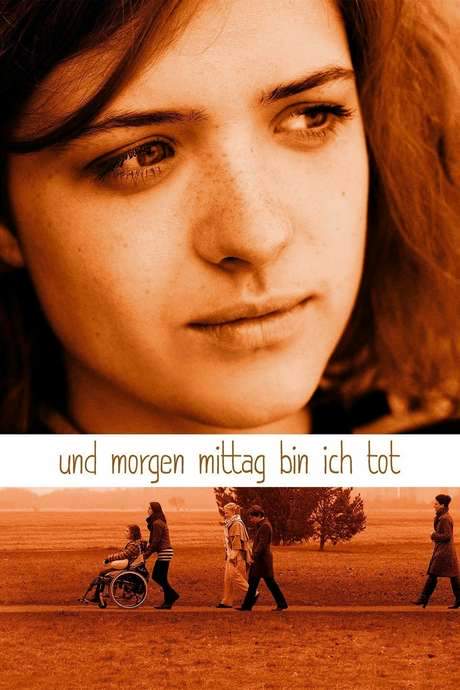
Zurich 2013

Directed by

Frederik Steiner
Made by

ZDF
Zurich Plot Summary
Read the complete plot summary and ending explained for Zurich (2013). From turning points to emotional moments, uncover what really happened and why it matters.
Lea Liv Lisa Fries has lived with cystic fibrosis since childhood. At 22, she endures constant breathlessness even with an oxygen concentrator, and she relies on pills to ease her symptoms, though simple tasks like climbing stairs leave her gasping. Her older brother, who shared the same disease, died years earlier after a lung transplant, and their father walked away from the family, now living in South America. The weight of this history presses on Lea, shaping how she experiences each day.
Because her health is deteriorating, Lea makes a stark decision: she wants to die on her 23rd birthday at a specific time. With euthanasia illegal in Germany, she seeks help from a Swiss organization that offers assisted euthanasia. Quietly she travels to Zürich, checking into a hostel. There she is picked up by Michaela Orff Bibiana Beglau, an employee of the organization, who escorts her to Dr. Seydlitz Robert Hunger-Bühler. The doctor, convinced by Lea’s dire health, prescribes a controlled substance, setting the plan in motion.
Lea texts her family to share her intentions, and when they arrive in Zürich, she speaks openly about what she intends to do. Her grandmother Maria Kerstin De Ahna and her sister Rita Sophie Rogall are shocked, yet try to accept her choice, while Lea’s mother Lena refuses at first. After a heartfelt conversation, Lena is broken by the news, but she begins to understand her daughter’s motives, even as the ache remains.
At the hostel Lea meets Moritz Max Hegewald, a peer around her age who is also wrestling with deep depression. He had applied for euthanasia but was rejected, and Lea’s kindness toward him blossoms into a fragile friendship. The two explore the city together, including a low-key boat trip on Lake Zürich, where they share silences and small talk that feels like a lifeline amid fear and uncertainty.
The day before Lea’s planned death, the family gathers for what they call a “last schnitzel.” They share a warm, tender evening at a restaurant, savoring ordinary moments and clinking glasses at midnight as Lea jokes about what awaits. The moment is bittersweet, mixing humor with the gravity of Lea’s decision. Lea’s quips reflect a stark clarity about her desire to escape physical suffering: “never be lovesick again, never climb stairs again, never fear suffocation again.” The scene marks a rare, near-light moment of connection before the final act.
Returning to the hostel, Lea experiences a violent coughing fit, underscoring the fragility of her condition. The next morning, the family and Michaela Orff accompany Lea to the organization. Miss Orff reminds Lea that she can still cancel, but Lea chooses to proceed. She takes an antiemetic so she won’t vomit, then suffers a panic attack in a bathroom. Looking at her reflection, Lea resolves to finish what she started, a choice that weighs heavily on everyone present.
In the final hours, Lea and her loved ones go to a nearby playground where she drinks the overdose and falls asleep, held by Lea’s mother as life slips away. The story lingers in the wake of that decision, inviting reflection on illness, autonomy, and the ties that bind families even as they must confront an ending chosen in grief.
Zurich Timeline
Follow the complete movie timeline of Zurich (2013) with every major event in chronological order. Great for understanding complex plots and story progression.
Lea's lifelong battle with cystic fibrosis
Lea has suffered from cystic fibrosis since childhood, and the condition limits her daily life. Despite using an oxygen concentrator and taking pills, she becomes breathless and struggles with ordinary tasks. Her illness shapes her fears and the choices she makes about the future.
Lea vows to die on her 23rd birthday at noon
Overwhelmed by suffocation and mounting ill health, Lea resolves to die on her 23rd birthday at noon. She believes euthanasia is illegal in Germany and seeks a path through a Swiss organization. This decision sets the course for the events that follow.
Lea travels to Zürich to pursue assisted euthanasia
Lea leaves her family behind without telling them and travels to Zürich. She moves into a hostel in the city, where she plans to engage with the euthanasia organization. The journey marks the first explicit step toward carrying out her plan.
A dispatcher introduces Lea to the organization and a doctor
At the hostel, Lea is picked up by Michaela Orff and brought to Dr. Seydlitz, who assesses her health. He prescribes a controlled substance after being convinced of her very poor condition. The prescription confirms that Lea is moving forward with her plan.
Lea tells her family and faces mixed reactions
Lea texts her family to tell them about her decision, prompting a mix of reactions. Grandmother Maria and sister Rita are shocked but accepting, while her mother Lena initially refuses. After a conversation with Lea, Lena remains heartbroken but starts to understand her daughter's motives.
Lea befriends Moritz at the hostel
Lea meets Moritz, a peer with severe depression who had his own euthanasia request rejected. The two form a tentative bond, and they spend time together, including a boating trip on Lake Zurich. Their friendship contrasts Lea's plan with a glimmer of companionship.
The day before the birthday: last schnitzel with family
The day before Lea's planned death, the family goes to a restaurant for a last schnitzel. They enjoy a pleasant evening and later toast at midnight, with Lea quipping about never feeling lovesick, climbing stairs, or fearing suffocation again. The moment highlights Lea's attempt to find normalcy in the face of death.
Lea experiences a painful coughing fit after the meal
Back at the hostel, Lea has a fit, coughing painfully and gasping for air. The episode underscores how fragile her health remains and foreshadows the day's events. Her struggle adds emotional weight to the looming decision.
The day of the plan: Lea faces the organization
The next morning, Lea and her family go to the organization for the final steps. Miss Orff informs Lea that she can cancel, but Lea takes an antiemetic to prevent vomiting and proceeds with the plan. She experiences a panic attack and, after looking at her reflection in a mirror, resolves to finish what she started.
Lea's final moment: death with her family
Lea is escorted to a nearby playground by her family and Michaela Orff. She drinks the overdosed hypnotic and falls asleep in her mother's arms. The act completes her plan to die on her birthday and ends her struggle with the disease.
Zurich Characters
Explore all characters from Zurich (2013). Get detailed profiles with their roles, arcs, and key relationships explained.
Lea (Liv Lisa Fries)
Lea is a 22-year-old with cystic fibrosis who endures daily battles with breathlessness and dependence on oxygen. Her illness shapes her outlook and limits her normal life, driving a desperate wish to escape chronic pain. She is sharp-witted and emotionally resilient, yet overwhelmed by fatigue and fear, and she makes a radical, life-ending plan seeking autonomy in the face of suffering.
Michaela Orff (Bibiana Beglau)
Michaela is an employee of the euthanasia organization who picks Lea up and guides her to the medical professional. She maintains professional boundaries while offering information and support, revealing the complexities of assisting in death within a regulated system.
Dr. Joseph Seydlitz (Robert Hunger-Bühler)
Dr. Seydlitz assesses Lea and prescribes a controlled substance after being convinced of her poor health. He embodies the tension between medical duty and legal/ethical boundaries, illustrating the pressures doctors face when confronted with requests for assisted death.
Moritz (Fabian Halbig)
Moritz is Lea’s peer who struggles with severe depression and has attempted suicide. He befriends Lea, sharing a sense of despair and vulnerability. The character highlights the loneliness of mental illness and the human need for connection.
Maria (Kerstin De Ahna)
Maria is Lea’s grandmother who reacts with shock but ultimately supports Lea’s decision. Her presence underscores family bonds and the difficult conversations around care, sacrifice, and acceptance in the face of terminal illness.
Rita (Anouk Gärtner)
Rita is Lea’s sister who experiences emotional upheaval but remains a source of familial love. Her presence reflects sibling ties and the shared burden of a family faced with a loved one’s decision to die.
Hannah (Lena Stolze)
Hannah is Lea’s mother, who initially refuses Lea’s plan and faces the fear of losing her daughter. Her stance evolves as she processes Lea’s suffering and the meaning of autonomy within a loving, but strained, family dynamic.
Lea (8) (Gabriele Plotkina)
A younger Lea appears in flashbacks, illustrating the long arc of her illness and the early development of fear regarding suffocation. This glimpse helps convey how illness has shaped her from childhood into adulthood.
Zurich Settings
Learn where and when Zurich (2013) takes place. Explore the film’s settings, era, and how they shape the narrative.
Time period
Present day
The story unfolds in a contemporary European setting around Lea’s 23rd birthday. It contrasts current German attitudes toward euthanasia with the Swiss option Lea seeks. The timeline centers on a single pivotal day and the events leading up to it, highlighting real-world legal and ethical tensions.
Location
Zürich, Switzerland
Zurich is the Swiss city on Lake Zurich where Lea travels to access assisted euthanasia. The setting includes a hostel and the lakeside landscape that frames the handling of Lea's plan, as well as nearby urban facilities encountered during her journey. The city serves as a contemporary backdrop for family conversations, medical decisions and the final act.
Zurich Themes
Discover the main themes in Zurich (2013). Analyze the deeper meanings, emotional layers, and social commentary behind the film.
🕯️
Autonomy
Lea’s choice to pursue euthanasia is presented as a claim to personal autonomy in the face of a disabling illness. The film contrasts medical advice, legal boundaries, and family dynamics, prompting questions about what constitutes a dignified decision. It frames the act as both a courageous assertion of control and a contentious moral issue.
🌊
Connection
Lea and Moritz form a fragile bond as they confront despair and isolation. The boat ride on Lake Zurich becomes a quiet moment of humanity amid heavy decisions. The theme suggests that meaningful human connection can coexist with a decision to end life, offering glimpses of comfort and shared experience.
⚕️
Medicine and Ethics
Dr. Seydlitz embodies the tension between patient care and legal constraints. The film questions the responsibilities of medical professionals when faced with requests for assisted death. It examines informed consent, the boundary between therapy and endorsement, and the role of doctors within a strict regulatory framework.

Coming soon on iOS and Android
The Plot Explained Mobile App
From blockbusters to hidden gems — dive into movie stories anytime, anywhere. Save your favorites, discover plots faster, and never miss a twist again.
Sign up to be the first to know when we launch. Your email stays private — always.
Explore the mobile appZurich Spoiler-Free Summary
Discover the spoiler-free summary of Zurich (2013). Get a concise overview without any spoilers.
In the quiet, rain‑slick streets of Zürich, a young woman named Lea carries the weight of a lifelong battle with cystic fibrosis. Though the city’s orderly calm contrasts with her breath‑shortening reality, it also offers a discreet doorway to a choice she has contemplated for months: to end her life on her birthday, on her own terms. The film sets this personal quest against the backdrop of a Swiss organization that assists those seeking a controlled departure, positioning the story within a realm where legality, ethics, and compassion intersect in subtle, everyday spaces.
Lea’s family gathers around her decision, each member grappling with a mix of love, denial, and the pressure to protect. Her mother, Lena, initially recoils, torn between maternal instinct and the desire to honor her daughter’s autonomy. Meanwhile, Rita and their grandmother Maria oscillate between shock and tentative acceptance, creating a fragile but intimate emotional tapestry that underpins the narrative. The dynamic is further nuanced by a chance encounter with Moritz, a fellow traveler who, like Lea, carries his own burdens of despair, hinting at the quiet solidarity that can arise among strangers facing similar crossroads.
The tone of the film is meditative and restrained, emphasizing the tenderness of ordinary moments—a shared meal, a walk along the lake, a lingering stare in a hostel room—against the looming presence of mortality. The cinematography captures Zürich’s crisp, almost clinical beauty, mirroring Lea’s meticulous planning while also reflecting the stark simplicity of her resolve. Throughout, the storytelling remains sensitive, inviting the audience to contemplate the complexities of agency, familial love, and the search for dignity without ever spilling the precise details of what lies ahead.
Featured on this page

What's After the Movie?
Not sure whether to stay after the credits? Find out!
Check out our other apps:

SAT Sphere
Build confidence for the Digital SAT.

Mori Atlas
Discover wild places worth protecting.

Luntero
Search smarter for a home in Amsterdam.

Plot Explained
Unravel movie endings and hidden clues.

Pokechamp
Dive into Pokémon data and battle logic.

Driving Theory
Get ready for your European theory test.

Movie Dust
Plan your next cinema trip with ease.

Musemap
Find art and culture as you travel.

Selkobase
Compare credentials before committing.

Local Manual
Turn an unfamiliar country into practical next steps.

Lernavi
Compare school systems before your next move.

GymRoam
Find a workout stop wherever your plans take you.
Explore Our Movie Platform
New Movie Releases (2026)
Famous Movie Actors
Top Film Production Studios
Movie Plot Summaries & Endings
Major Movie Awards & Winners
Best Concert Films & Music Documentaries
Movie Collections and Curated Lists
© 2026 What's After the Movie. All rights reserved.
Privacy Policy