



Zor Plot Summary
Read the complete plot summary and ending explained for Zor (1998). From turning points to emotional moments, uncover what really happened and why it matters.
Arjun, a photojournalist Sunny Deol, is the cherished son of Police Commissioner Uday Singh Anupam Kher. He shares a warm, everyday life with his parents, a younger sister, and his grandmother, enjoying a sense of normalcy that feels earned after years of hard work and balance between duty and family. The story pivots when he meets Aarti, a low-profile reporter in a small daily who dreams of making a name for herself in the world of journalism. Aarti, portrayed by Sushmita Sen, is clever, ambitious, and driven by the desire to uncover truth rather than chase headlines. The connection between Arjun and Aarti grows quickly as they discover a shared passion for justice and a reluctance to back down in the face of powerful interests.
As their relationship deepens, they decide to marry, but a hurdle stands in their way: they must wait for the approval of Arjun’s close friend Iqbal, a former Indian Army Captain Milind Gunaji. The arrangement is loaded with tension because Iqbal’s blessing would validate their union in the eyes of the family and the broader community. The plot thickens when Arjun’s father is suddenly blamed for letting a dangerous terrorist slip through the cracks and is branded a traitor. This accusation rattles the family and triggers a cascade of events that pull Arjun away from his peaceful life and into a dangerous investigation.
Iqbal is present at Arjun’s house during the sister’s engagement, and soon after the police arrest Commissioner Singh. Arjun believes the charges against his father are part of a larger conspiracy designed to tarnish his family’s name. Driven by loyalty and a sense of duty, he sets out to locate the fugitive terrorist and uncover the people behind the conspiracy, determined to restore his father’s dignity. In a surprising turn, Iqbal leaves Arjun’s home without leaving any clear clues, which only fuels Arjun’s suspicion and resolve.
His quest leads him to Kashmir, where he survives a harrowing terrorist attack and discovers a darker truth: Iqbal is the leader of the very group that attacked him. The revelation shakes Arjun, but it also opens a window into Iqbal’s improbable backstory. Iqbal recounts how his transformation began after a personal tragedy—his family and wife were lost in a communal riot in his village. A communal leader, Shah Alam Om Puri, escorted him and hundreds of others to train to fight those who had destroyed their community. Over time, Iqbal’s experiences push him toward extremism, turning him away from patriotism and toward a path that makes him appear to be a terrorist to the outside world.
Confronting Iqbal with the truth of his own transformation, Arjun argues that the entire situation is a conspiracy to weaponize Iqbal’s expertise with explosives. He insists that Iqbal’s skills could be exploited to devastate the country they both love, and his explanation begins to shift Iqbal’s view from blind rage to a critical understanding of those who manipulate people. Realizing the manipulation behind the chaos, Iqbal agrees to help Arjun, recognizing that their fight must be waged with evidence and truth rather than blood alone.
But the danger remains high. Shah Alam informs his crime partner Swamiji, a figure played by Mohan Agashe, and Swamiji makes bold moves to eliminate Arjun and silence the truth. The threat spills over to Arjun’s own family as Swamiji and Alam pursue him, attempting to keep the conspiracy from unraveling. The pursuit culminates in a dramatic courtroom moment when the Commissioner’s fate hangs in the balance and Arjun brings Iqbal forward as a crucial witness.
The courtroom becomes a battlefield of truth and media power. Arjun, leveraging support from his fellow journalists and a nationwide audience, presents the evidence that exposes Alam and Swamiji as the real traitors who used Iqbal as a scapegoat and a pawn. The trial results in a stunning reversal: Iqbal and Commissioner Singh are absolved of guilt, and Alam is arrested. Swamiji, however, refuses to concede, threatening to unleash his followers if he is taken down. In a bold move that reinforces the power of transparency, Arjun and his media allies telecast the entire proceedings live on national television, laying bare Swamiji’s corrupt influence and the mob that has followed him. The public response is swift and brutal, and Swamiji is met with a chorus of justice from those he once deceived.
In the end, the narrative returns to its core themes: truth, accountability, and the reclaiming of dignity. Arjun’s relentless pursuit of justice restores his father’s reputation and helps bring the conspirators to light, while also revealing how media, friendship, and personal sacrifice can converge to expose who truly deserves trust and who does not. The film closes on a note of cautious optimism, showing a family united by truth and a city reminded of the fragility of justice in the face of manipulation.
Zor Timeline
Follow the complete movie timeline of Zor (1998) with every major event in chronological order. Great for understanding complex plots and story progression.
Arjun and Aarti fall in love and plan marriage
Arjun, a photojournalist and the son of Police Commissioner Uday Singh, meets Aarti, a low-profile reporter. They quickly fall in love and decide to marry, but they must await the approval of Arjun's close friend Iqbal, a former Indian Army Captain. This set-up frames a personal conflict that underpins the conspiracy looming over the family.
Commissioner Singh is blamed and arrested during sister's engagement
The police commissioner is blamed for letting off an unknown terrorist and is declared a traitor. Arjun believes this is a conspiracy against his father and resolves to uncover the truth. Iqbal is present at the family gathering when the arrest occurs, deepening Arjun's distrust of the people around him.
Arjun vows to unravel the conspiracy and clear his father's name
Feeling the arrest is a setup, Arjun leaves for the search of the fugitive terrorist and to unmask the conspirators who have damaged his father's dignity. He embarks on a personal mission, risking his safety to restore his family's honor. This marks the turning point from personal life toward a dangerous pursuit.
Arjun travels to Kashmir and survives a terrorist attack
In Kashmir, Arjun survives an attack orchestrated by the same group that framed his father. He discovers that Iqbal is the leader of this terrorist organization. The encounter pivots on Iqbal's revelation that his own past as a patriotic army captain was corrupted into terrorism.
Iqbal explains his fall from patriot to terrorist
Iqbal recounts a village riot that shattered his family and heart, and a communal leader Shah Alam drives him toward violence. He is groomed along with hundreds of youths to fight those who destroyed their village, eventually becoming a terrorist leader. The backstory clarifies how manipulated patriotism can be weaponized.
Arjun unveils a conspiracy to weaponize Iqbal's explosives skills
Arjun explains that the attempt to brand Iqbal as a terrorist is a calculated conspiracy, exploiting his army expertise with explosives. He argues that Iqbal's abilities were being used to threaten the country from within. Realizing the manipulation, Iqbal agrees to help Arjun.
Shah Alam informs Swamiji; Swamiji threatens Arjun's family
Shah Alam informs his crime partner Swamiji about Iqbal's departure, prompting Swamiji to threaten Arjun's family if he stays quiet. Swamiji then confronts Arjun at his home, pressing him to keep silent. The threat escalates the danger surrounding Arjun and his quest for truth.
Swamiji and Alam search for Iqbal to silence him
The duo relentlessly pursues Iqbal, hoping to kill the key witness who could expose them. Their pursuit widens the danger to Arjun and those around them. The hunt builds toward the courtroom showdown that will determine the truth.
The courtroom climax: Iqbal testifies and the innocent are freed
As the trial reaches its peak, Arjun brings Iqbal into the courtroom, challenging the authorities to see through the conspiracy. Iqbal provides evidence against Alam and Swamiji, and the judge declares both Iqbal and Commissioner innocent. Alam is arrested, while Swamiji's power collapses under public exposure.
Live telecast seals the downfall of Swamiji
Arjun's media allies broadcast the proceedings live on national television, revealing Swamiji's true nature to his followers. The revelation triggers a violent backlash, and Swamiji is beaten to death by his own followers. The public exposure marks the end of the conspirators' scheme.
Resolution: dignity restored and the case closed
With the conspirators defeated and his father vindicated, Arjun completes his mission. The family is vindicated, and Uday Singh's reputation is restored. The film closes on a note of justice and renewed trust between father and son.
Iqbal chooses to cooperate and rebuild his life
Iqbal accepts Arjun's plan and agrees to help reveal the truth, leaving behind the path of violence. He contemplates a future where his past actions are exposed to prevent further bloodshed. The alliance between Arjun and Iqbal becomes a catalyst for societal accountability.
Aarti's role as investigative ally
Aarti, the reporter who loves Arjun, supports the investigation through media connections, helping to telecast the court proceedings. Her involvement demonstrates how journalism can influence justice and public opinion. She stands with Arjun as their story unfolds.
Zor Characters
Explore all characters from Zor (1998). Get detailed profiles with their roles, arcs, and key relationships explained.
Arjun Singh (Sunny Deol)
A photojournalist and the son of Police Commissioner Uday Singh, Arjun uses his camera to uncover the truth behind the alleged conspirators. He is tenacious, risk-taking, and driven by a strong sense of duty to his family and country. His quest culminates in exposing the real traitors and restoring his father’s reputation.
Uday Singh (Anupam Kher)
The respected Police Commissioner whose name is tarnished by accusations of letting a terrorist go free. He embodies duty, integrity, and paternal concern for his family, even as he becomes a symbol in a larger political conspiracy. His perceived betrayal propels Arjun’s mission to clear his name.
Aarti (Sushmita Sen)
Aarti is a low-profile reporter who aspires to become famous in her field and captures Arjun’s attention. She becomes part of the couple’s plans to marry, though their path is complicated by the unfolding conspiracy. Her profession and ambition intersect with the drama surrounding truth and justice.
Iqbal (Milind Gunaji)
A former Indian Army captain who becomes the leader of a terrorist group after a personal tragedy. His arc explores how patriotism can be manipulated into extremism, and how he is ultimately motivated to cooperate with Arjun to reveal the truth. His backstory ties a village riot to the rise of a violent fringe.
Shah Alam (Om Puri)
A communal leader who recruits youths to fight perceived enemies, orchestrating the foundation of the conspiracy. He represents the corrupting influence of power and the manipulation of religious and nationalistic sentiments for personal gain. His actions drive the escalation of conflict and danger for all involved.
Swamiji (Mohan Agashe)
A crime partner of Shah Alam who threatens Arjun’s family to keep him quiet. He embodies the criminal underworld behind the political facade, seeking to silence dissent and protect the conspiracy. His defeat marks a turning point in the culmination of the case.
Zor Settings
Learn where and when Zor (1998) takes place. Explore the film’s settings, era, and how they shape the narrative.
Time period
Late 1990s
The action unfolds in the late 1990s, a period marked by anti-terror operations and heightened political tension in India. The era shapes police and media dynamics, as officials face scrutiny and public pressure. Personal stakes, such as marriage and family honor, are intensified by this historical context.
Location
Kashmir, India
Kashmir serves as the central backdrop where Arjun pursues the truth behind the suspected conspiracy. The region’s volatile security situation and history of insurgency drive the tension, clashes, and pursuit scenes. The setting is used to explore themes of loyalty, justice, and the manipulation of patriotism within a charged political landscape.
Zor Themes
Discover the main themes in Zor (1998). Analyze the deeper meanings, emotional layers, and social commentary behind the film.
🛡️
Patriotism
Patriotism drives the characters into morally gray areas where loyalty to country competes with personal and communal pressures. Iqbal’s transformation into a terrorist and Arjun’s determination to restore his father’s dignity test what it means to be loyal to the nation. The narrative shows how patriotism can be weaponized by those in power to manipulate individuals.
🗞️
Media & Truth
The film highlights the role of media in exposing corruption and shaping public perception. Arjun leverages press networks to broadcast court proceedings and reveal the real culprits, turning information into a weapon against those who would hide the truth. The interplay between journalism and justice is central to uncovering the conspiracy.
🧭
Conspiracy & Power
Shah Alam and Swamiji exemplify how power structures recruit and manipulate vulnerable individuals to advance their agenda. The plot exposes how conspiracies are built on deception, coercion, and the exploitation of patriotism for personal gain. The pursuit of truth becomes a battle against entrenched interests seeking to maintain control.

Coming soon on iOS and Android
The Plot Explained Mobile App
From blockbusters to hidden gems — dive into movie stories anytime, anywhere. Save your favorites, discover plots faster, and never miss a twist again.
Sign up to be the first to know when we launch. Your email stays private — always.
Explore the mobile appZor Spoiler-Free Summary
Discover the spoiler-free summary of Zor (1998). Get a concise overview without any spoilers.
In a bustling metropolis where the promise of law and order is constantly tested, Arjun Singh walks the thin line between duty and disillusionment. A steadfast police officer, he carries the weight of his family’s legacy—his father once held the esteemed rank of commissioner—while striving to keep the streets safe from the shadows of terrorism and corruption. The city’s pulse is a mix of hopeful progress and hidden machinations, a backdrop that amplifies every decision Arjun makes.
Beyond the precinct, Arjun’s world is anchored by the people who share his desire for truth. He meets Aarti, a determined reporter whose ambition lies in uncovering facts rather than chasing headlines, and together they forge a partnership that feels both personal and purpose‑driven. Their budding relationship is further shaped by Iqbal, an old friend and former army captain whose blessing could bridge the gap between personal commitment and societal expectations. The trio embodies the tension between individual conviction and the collective pressures that swirl around them.
The atmosphere of the film is taut and gritty, colored by the relentless grind of bureaucracy and the subtle whispers of political influence. Arjun’s every move is shadowed by superiors who seemingly protect the very threats he seeks to eliminate, creating a sense of futility that fuels his resolve. The narrative balances moments of quiet domestic warmth—family gatherings, shared meals, and whispered hopes—with the stark, high‑stakes reality of a city where justice can be delayed by unseen hands.
Through a blend of procedural realism and emotional depth, the story invites viewers into a world where the line between heroism and helplessness blurs. It promises a compelling exploration of how one man’s unwavering integrity confronts institutional inertia, and how personal bonds can both anchor and challenge the pursuit of a greater good.
Movies with Similar Twists and Themes
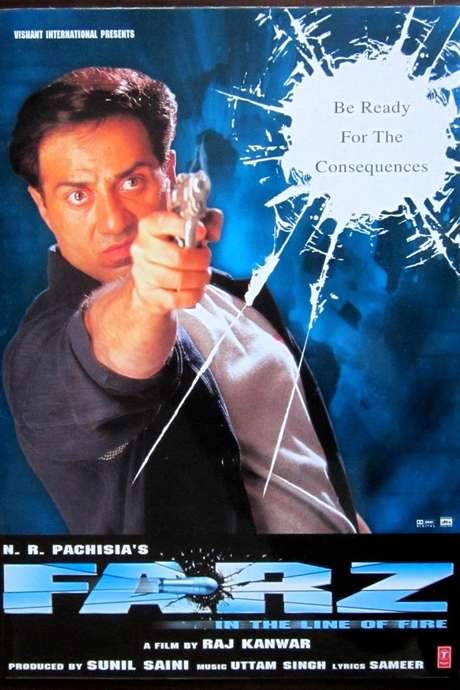
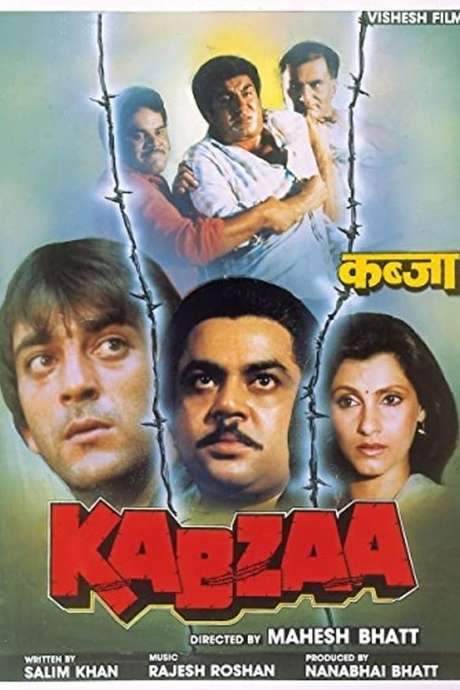
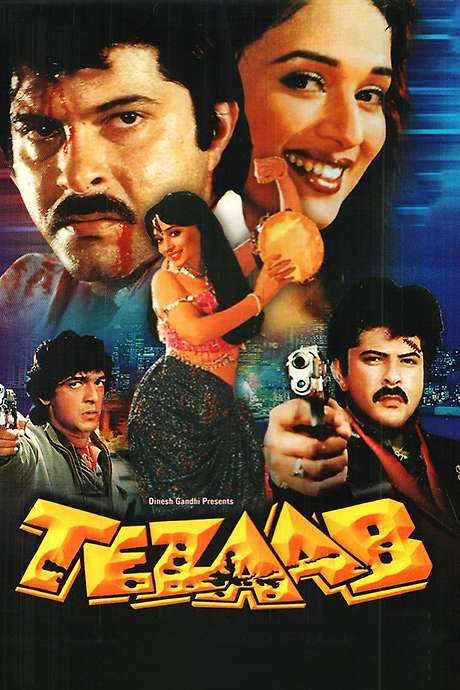
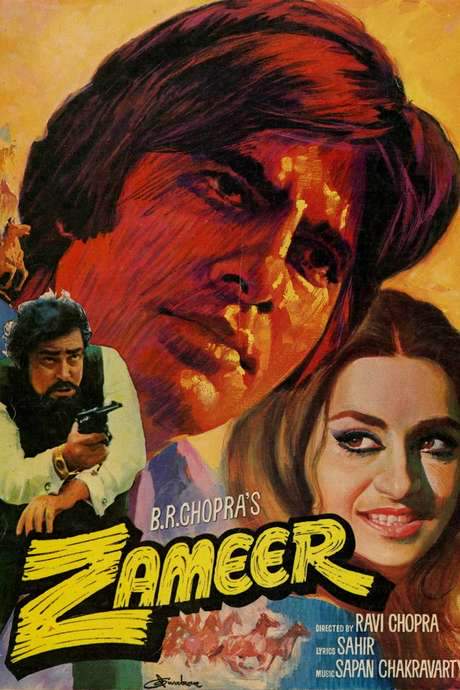
Uncover films that echo the narrative beats, emotional arcs, or dramatic twists of the one you're exploring. These recommendations are handpicked based on story depth, thematic resonance, and spoiler-worthy moments — perfect for fans who crave more of the same intrigue.






Featured on this page

What's After the Movie?
Not sure whether to stay after the credits? Find out!
Check out our other apps:

SAT Sphere
Build confidence for the Digital SAT.

Mori Atlas
Discover wild places worth protecting.

Luntero
Search smarter for a home in Amsterdam.

Plot Explained
Unravel movie endings and hidden clues.

Pokechamp
Dive into Pokémon data and battle logic.

Driving Theory
Get ready for your European theory test.

Movie Dust
Plan your next cinema trip with ease.

Musemap
Find art and culture as you travel.

Selkobase
Compare credentials before committing.

Local Manual
Turn an unfamiliar country into practical next steps.

Lernavi
Compare school systems before your next move.

GymRoam
Find a workout stop wherever your plans take you.
Explore Our Movie Platform
New Movie Releases (2026)
Famous Movie Actors
Top Film Production Studios
Movie Plot Summaries & Endings
Major Movie Awards & Winners
Best Concert Films & Music Documentaries
Movie Collections and Curated Lists
© 2026 What's After the Movie. All rights reserved.
Privacy Policy