
Windy City Heat 2003

Directed by
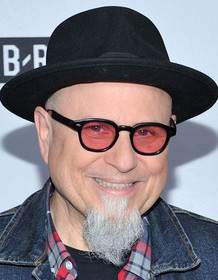
Bobcat Goldthwait
Made by

Comedy Central Films
Windy City Heat Plot Summary
Read the complete plot summary and ending explained for Windy City Heat (2003). From turning points to emotional moments, uncover what really happened and why it matters.
Perry Caravello believes he has landed a once-in-a-lifetime chance to star in Windy City Heat, a crime film about a “sports private eye” named Stone Fury. Yet the entire project is revealed to be an elaborate prank orchestrated by Don Barris and Tony Barbieri, with the help of producers Jimmy Kimmel and Adam Carolla, all while a parade of real celebrity cameos drops in to shuffle the situation. The supposed stars include Carson Daly, Dane Cook, Tammy Faye Bakker, and William Perry, each appearing as themselves or in oddball guest slots that blur the line between reality and mockumentary mischief.
The audition sequence thrusts Caravello into a chaotic audition with Daly, who is dressed exactly like him, only for the process to be interrupted repeatedly by Barris and the disguised Mole. After a tense and ridiculous process, Caravello eventually wins the role over Daly. Early on, the film even shows a wall of stars who were considered for the project, including A-list names that never actually join the cast. The entire premise centers on a dubious plot about Fury tracking down the actual refrigerator of William “Refrigerator” Perry, with Perry himself appearing in scenes as part of the elaborate ruse. The on-set dynamic is insistently chaotic, with Caravello sharing almost every scene with Barris and the actor who plays Mole, the Chicago Outfit gangsters “Big Lou” and “Brock.” The directors’ chair is occupied by Bobcat Goldthwait, who is both the director and the onscreen guide, speaking through a bullhorn and wearing distinctive jodhpurs as the fake director.
Caravello is followed around by at least fifteen cameras, some hidden, and he is told from the outset that he is being documented for the film’s DVD extras. The pranks run the gamut: he’s dumped into a dumpster filled with manure, served a milkshake made of coffee, Chinese food, raw egg, pizza, and beer to create multiple takes of a scene, and even subjected to a staged sex scene filmed by a stunt double. The relentless meddling from Barris and Mole pushes Caravello to his limits, often provoking a high-pitched scream as he tries to hold his composure. Barris continually presses him with the refrain to “Unleash the Fury!” and the onlookers around him nudge him toward an over-the-top commitment to the madness.
Throughout production, Caravello is introduced to a string of figures presented as real collaborators, each sharing a name that nods to famous people or historical figures. The English producer “John Quincy Adams” is played by Tony Barbieri, the casting director “Roman Polanski” is portrayed by Dane Cook, and the studio receptionist “Susan B. Anthony” is portrayed by Lisa Arch. The reel also features the money man “Hiroshima Nagasaki” played by Toshi Toda, the limo driver and aspiring musician “Travis Bickle” by Dave Sheridan, the set photographer “Ansel Adams” by Toby Huss, the production assistant “Frances Farmer” by Laura Silverman, and the merchandising duo “Sacco and Vanzetti” portrayed by Scott Hartman and Wayne Wilderson. Even as these cameos swirl around the production, Caravello encounters other names in the mix, including the attorney “Sol Stienbergowitz-Greenbaum” (portrayed by Sal Iacono) and Santiago, played by Tom Kenny, a wardrobe assistant who inadvertently riles Caravello. The film even toys with a deception around a Charlton Heston look-alike Bob Legionaire, who refuses to leave Caravello’s trailer until a cameo offer finally lands with comedic results.
As the production spirals, the movie-within-the-movie climaxes in an intentionally bungled race to a one-time screening. The Big Three—delayed repeatedly by a string of absurdities—finally arrive to discover that Caravello’s name is misspelled on the marquee, a running gag that the film itself seems to celebrate. What is shown of the internal film features deliberately ridiculous special effects, dialogue that feels borrowed from classics like Casablanca, Chinatown, and Gone with the Wind, and absurd character names such as “Jiggly Wrigley,” capped by a dinosaur that is inserted at the insistence of Tom Stern as the film’s new financier, the Romanian producer known as Yurgi. After the screening, Caravello is met with applause from the audience and presented with a grand trophy by the apparent “President of Show Business,” Geoff Pierson. The movie closes with a montage set to Louis Prima’s rendition of “When You’re Smiling,” leaving Caravello to reflect on the surreal, boundary-blurring experience he endured.
Unleash the Fury!
Windy City Heat Timeline
Follow the complete movie timeline of Windy City Heat (2003) with every major event in chronological order. Great for understanding complex plots and story progression.
Audition chaos leads to Perry winning the role
Perry Caravello enters a chaotic audition where Carson Daly is dressed like him and Barris plus the Mole keep interrupting. After a string of ridiculous takes, Perry survives the chaos and wins the role over Daly, kickstarting the film’s mock production.
Wall of potential stars
A wall of names lists actors considered for the project, signaling the scale and deception of the mock film. The posters and nods hint that many real stars might have joined, but none ultimately do, foregrounding the practical joke. The sequence sets the tone for the blurring of reality and fiction on set.
The Fury premise and Perry appearances
The on screen premise follows Fury chasing the refrigerator of William Refrigerator Perry, a rococo MacGuffin that anchors the film. Perry himself appears in scenes as part of the ruse, further blurring truth and fabrication. The setup cues the audience that everything may be staged for laughs rather than a serious crime drama.
Chaotic on-set leadership
On set, Don Barris and the Mole continually disrupt scenes, with Bobcat Goldthwait directing while shouting through a bullhorn. The atmosphere is deliberately loud and chaotic, pushing Caravello toward over-the-top reactions. Barris preaches the refrain Unleash the Fury as the crew nudges him into extreme takes.
A camera army documents every moment
Caravello is followed by more than a dozen cameras, some hidden, with the crew informing him this is for DVD extras. The relentless coverage ensures every improvisation is captured, adding to the documentary feel. The constant surveillance heightens the sense that the prank will never end.
Dumpster manure prank
One take has Caravello dumped into a dumpster filled with manure, a gag designed to test his composure and endurance. The scene pushes the limits of taste while forcing genuine reactions. It becomes a recurring symbol of the film’s willingness to go too far for a laugh.
The coffee milkshake ambush
Another take features a milkshake made of coffee, Chinese food, raw egg, pizza, and beer to harvest multiple takes. The pranks blur the line between endurance and entertainment as Caravello tries to stay in character. Each spill or gag builds the escalating madness on set.
Staged sex scene and double
A staged sex scene filmed by a stunt double tests Caravello's ability to stay composed. The gag plays to the boundary between reality and fantasy, with the crew laughing behind the camera. The relentless meddling keeps the performer off balance while the gag continues to unfold.
A parade of named cameos
The production introduces a rotating cast of faux collaborators bearing nods to famous names, from John Quincy Adams to Roman Polanski and Susan B. Anthony. Each character adds a layer of spoof credibility to the project. The constant flow of cameos heightens the sense that nothing is as it seems.
Charlton Heston look-alike Bob Legionaire
A Charlton Heston look-alike refuses to leave Caravello’s trailer until a cameo offer finally lands, becoming a running source of friction and a punchline. The deception around the look-alike underlines the prank’s scale and the cast’s willingness to blur lines. The moment marks another escalation in the prank dynamic.
The film within the film nears its screening
The on-screen film with intentionally ridiculous effects reaches a climactic screening within the movie. The dialogue channels classics while the characters bear absurd names like Jiggly Wrigley, culminating in a sense that the entire endeavor is a grand, self-aware joke. Deliberate errors and spoof production values emphasize the parody.
The Big Three arrive; misprinted marquee
The anticipated Big Three arrive to watch the finished product but find Perry Caravello’s name misspelled on the marquee. The moment plays as a meta joke about illusions and fame, sealing the pranks as entertainment rather than a serious film. The attendees react with a mix of amusement and disbelief as the curtain falls on the ruse.
Applause and trophy moment
After the show, Caravello receives applause from the audience and is presented with a grand trophy by Geoff Pierson, posing as the President of Show Business. The gesture wraps the practical joke with a faux honor, blurring the line between reality and parody. The moment underscores the film’s celebratory, inside joke tone.
Closing montage and reflection
The movie closes with a montage set to Louis Prima's When You're Smiling, leaving Caravello to reflect on the surreal, boundary-blurring experience he endured. The final sequence reinforces the documentary’s playful critique of fame and fabrication. The audience is left with a mix of laughter and contemplation.
Windy City Heat Characters
Explore all characters from Windy City Heat (2003). Get detailed profiles with their roles, arcs, and key relationships explained.
Perry Caravello
A beleaguered actor convinced he has landed a breakthrough role in a crime-themed project, only to be subjected to a relentless barrage of pranks. He endures chaotic auditions, outrageous takes, and a mounting sense that nothing on set is as it seems. The arc follows his resilience under pressure and his gradual realization that the production is a carefully constructed joke.
The Director (Bobcat Goldthwait)
The chaotic visionary calling the shots, speaking through a bullhorn and steering the shoot with over-the-top energy. His presence pushes the production toward ever more outrageous stunts and improvised moments. He embodies the spectacle and control central to the prank-filled set.
Don Barris
The mastermind behind Windy City Heat’s elaborate ruse, orchestrating pranks and manipulating the on-set dynamics. He fans the flames of chaos, nudging performers toward extreme takes for the camera. His role anchors the film’s prank-centric humor and meta-commentary on showbiz.
The Mole
The disguised figure behind the production’s elaborate ruse, whose fake roles and cameos propel the deception. He acts as a catalyst for misdirection and keeps the cast guessing about what is real. His presence adds a layer of intrigue to the mock documentary.
Santiago
A wardrobe assistant whose offhand comments and practical jokes ripple through the set, unintentionally escalating the absurdity. He embodies the everyday crew member who becomes part of the chaotic performance. His interactions reveal how minor roles can amplify the film’s surreal energy.
Ansel Adams
The set photographer whose behind-the-scenes lens captures the mayhem and staged accuracy of the production. His role frames the faux realism of the documentary, providing a visual anchor amid constant improvisation. He highlights how perception is manipulated on a chaotic film set.
Travis Bickle
A limo driver who doubles as a musician, woven into the film's fabric as a cameo that amplifies the film’s eccentric vibe. His presence adds a quirky cross-section of pop culture and cinema references to the production. He helps blur the line between the film’s internal world and real-world celebrity culture.
William Perry
The former NFL star who appears in scenes as part of the elaborate ruse, offering a surreal mix of sports legend and film cameo. His presence underscores the film’s collage of real personalities playing themselves or exaggerated versions of themselves. The cameo contributes to the mockumentary’s sense of authentic chaos.
Carson Daly
A real television personality who participates as a self-portrait cameo, adding a layer of recognizable reality to the mockumentary environment. His appearance heightens the sense that the production inhabits a world where celebrities intersect with absurd, staged moments. He contributes to the blurring of fiction and reality on screen.
Windy City Heat Settings
Learn where and when Windy City Heat (2003) takes place. Explore the film’s settings, era, and how they shape the narrative.
Time period
Late 2000s
The events are depicted in a contemporary setting, with a documentary-style approach and a heavy emphasis on on-set filming. Multiple cameras roll as the production spirals through pranks, takes, and behind-the-scenes chaos. The tone reflects late-2000s celebrity culture and DIY mockumentary humor.
Location
Chicago, Windy City
The action centers on a chaotic film shoot set in Chicago, framed as a mock crime drama. The on-set chaos and hidden-camera antics unfold against the backdrop of the Windy City, with real cameos drifting in and out of the production. The environment is a parody of Hollywood logistics, where everything feels staged yet convincingly authentic to the participants.
Windy City Heat Themes
Discover the main themes in Windy City Heat (2003). Analyze the deeper meanings, emotional layers, and social commentary behind the film.
🎭
Deception
Deception drives the entire premise, with pranks and misdirection seeping into every scene. The line between reality and performance blurs as actors and producers play elaborate roles. The movie-within-the-movie constantly tests the protagonist’s ability to distinguish truth from stunt.
🎬
Filmmaking
The film satirizes the making-of process, highlighting chaotic direction, constant improv, and the blurring of fiction and documentary. It exposes how production tricks, surprise cameos, and staged sequences become part of the storytelling. The meta-narrative is as much about cinema as it is about the chaos of a big prank.
🌟
Celebrity Culture
Cameos by real personalities playing themselves critique the cult of fame and the lure of instant recognizable moments. The film toys with celebrities dropping into the set, contributing to the illusion while underscoring the manufactured nature of stardom. This self-parody reflects a era obsessed with visibility and spectacle.

Coming soon on iOS and Android
The Plot Explained Mobile App
From blockbusters to hidden gems — dive into movie stories anytime, anywhere. Save your favorites, discover plots faster, and never miss a twist again.
Sign up to be the first to know when we launch. Your email stays private — always.
Explore the mobile appWindy City Heat Spoiler-Free Summary
Discover the spoiler-free summary of Windy City Heat (2003). Get a concise overview without any spoilers.
In the glossy swirl of Hollywood, a wide‑eyed aspiring star believes he has landed the role of a lifetime in a gritty crime picture called Windy City Heat. The film‑within‑a‑film follows a “sports private eye” named Stone Fury, and the premise shrouds the lead in a world that promises fame, high‑stakes intrigue, and the trappings of a classic noir, all set against the bustling backdrop of Chicago’s iconic streets.
Behind the cameras, the production is orchestrated by a mischievous crew led by Don Barris and Tony Barbieri, who enlist the backing of celebrity producers Jimmy Kimmel and Adam Carolla. Their plan is to blur the line between reality and performance, flooding the set with a parade of real‑life personalities and outlandish stand‑ins that keep everyone guessing what’s genuine. The tone is unapologetically chaotic and self‑aware, a manic blend of mock‑documentary style, hidden lenses, and absurdist humor that treats the film‑making process itself as a playground.
At the heart of the chaos is Perry Caravello, a well‑meaning but clueless performer thrust into a relentless series of auditions, bizarre directives, and ever‑escalating dares. Guided by an eccentric director who shouts instructions through a bullhorn, Perry’s earnest attempts to prove himself clash with the ever‑present prankster energy that surrounds him. The audience is invited to share his bewilderment, wondering how far the illusion of celebrity will stretch before the curtain rises on the truth.
Movies with Similar Twists and Themes
Uncover films that echo the narrative beats, emotional arcs, or dramatic twists of the one you're exploring. These recommendations are handpicked based on story depth, thematic resonance, and spoiler-worthy moments — perfect for fans who crave more of the same intrigue.

Featured on this page

What's After the Movie?
Not sure whether to stay after the credits? Find out!
Check out our other apps:

SAT Sphere
Build confidence for the Digital SAT.

Mori Atlas
Discover wild places worth protecting.

Luntero
Search smarter for a home in Amsterdam.

Plot Explained
Unravel movie endings and hidden clues.

Pokechamp
Dive into Pokémon data and battle logic.

Driving Theory
Get ready for your European theory test.

Movie Dust
Plan your next cinema trip with ease.

Musemap
Find art and culture as you travel.

Selkobase
Compare credentials before committing.

Local Manual
Turn an unfamiliar country into practical next steps.

Lernavi
Compare school systems before your next move.

GymRoam
Find a workout stop wherever your plans take you.
Explore Our Movie Platform
New Movie Releases (2026)
Famous Movie Actors
Top Film Production Studios
Movie Plot Summaries & Endings
Major Movie Awards & Winners
Best Concert Films & Music Documentaries
Movie Collections and Curated Lists
© 2026 What's After the Movie. All rights reserved.
Privacy Policy